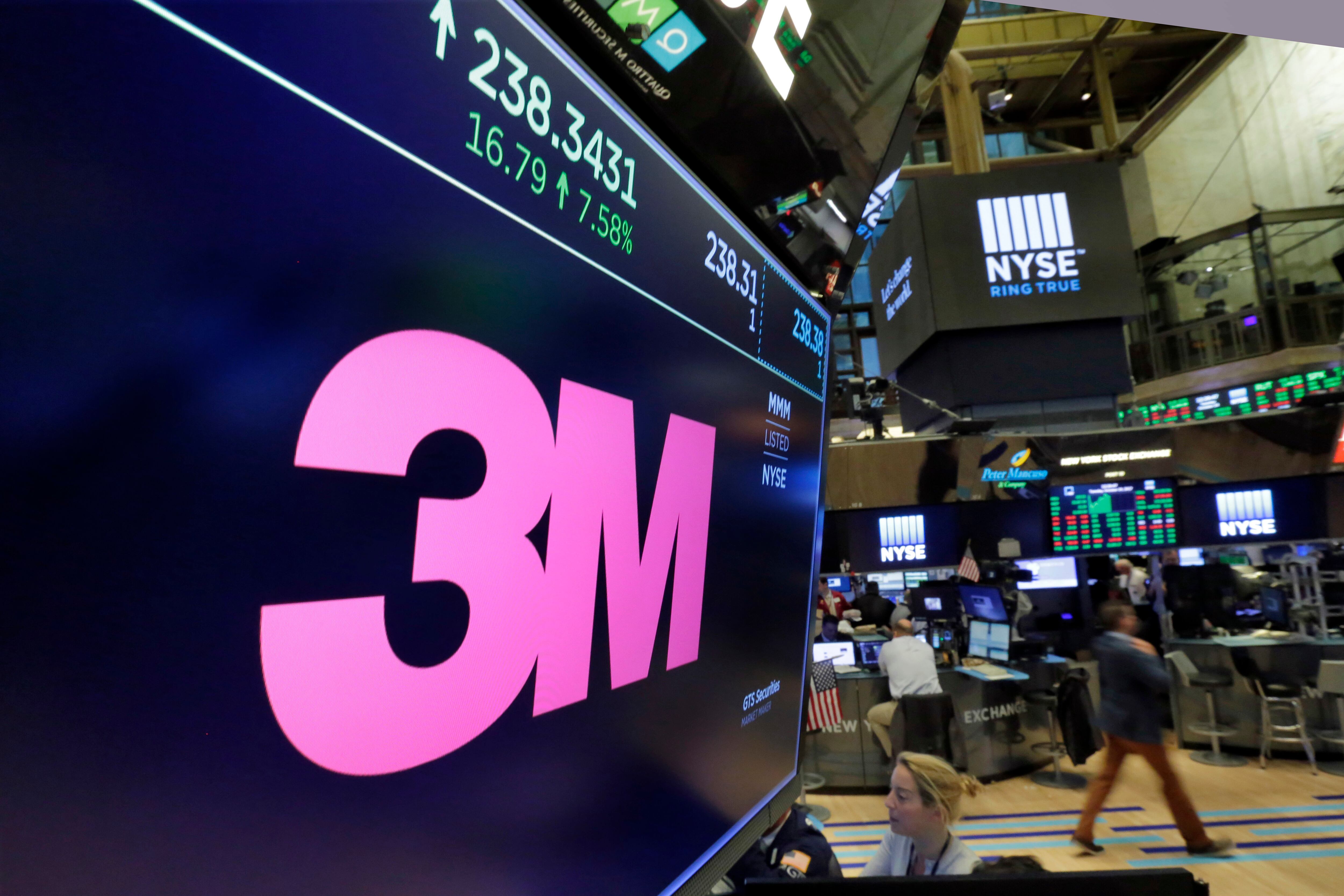
3M, maker of Post-it notes, industrial coatings and ceramics, is cutting about 2,500 manufacturing jobs worldwide as it looks to align itself with adjusted production volumes.
The company announced last month that it will exit per- and polyfluoroalkyl substance manufacturing by the end of 2025. The so-called forever chemicals are used in nonstick frying pans, water-repellent sports gear, stain-resistant rugs, cosmetics and countless other consumer products.
3M Co. also reported fourth-quarter earnings of $541 million, or 98 cents per share. Its adjusted profit was $2.28 per share. That's below the $2.34 per share that analysts polled by Zacks Investment Research predicted.
Revenue for the St Paul, Minnesota-based company totaled $8.08 billion in the period, beating Wall Street's estimate of $8.04 billion.
Chairman and CEO Mike Roman said in a statement that 3M experienced rapid declines in consumer-facing markets and a significant slowdown in China due to COVID-19-related disruptions. He said the company anticipates macroeconomic challenges continuing this year.
Looking ahead to the full year, the company expects 2023 adjusted earnings per share of $8.50 to $9, versus $9.88 per share in 2022.
James Demmert, founder and chief investment officer of Main Street Research, joined Cheddar News to discuss market trends as investors digest mixed trading sessions with debt ceiling talks stalling.
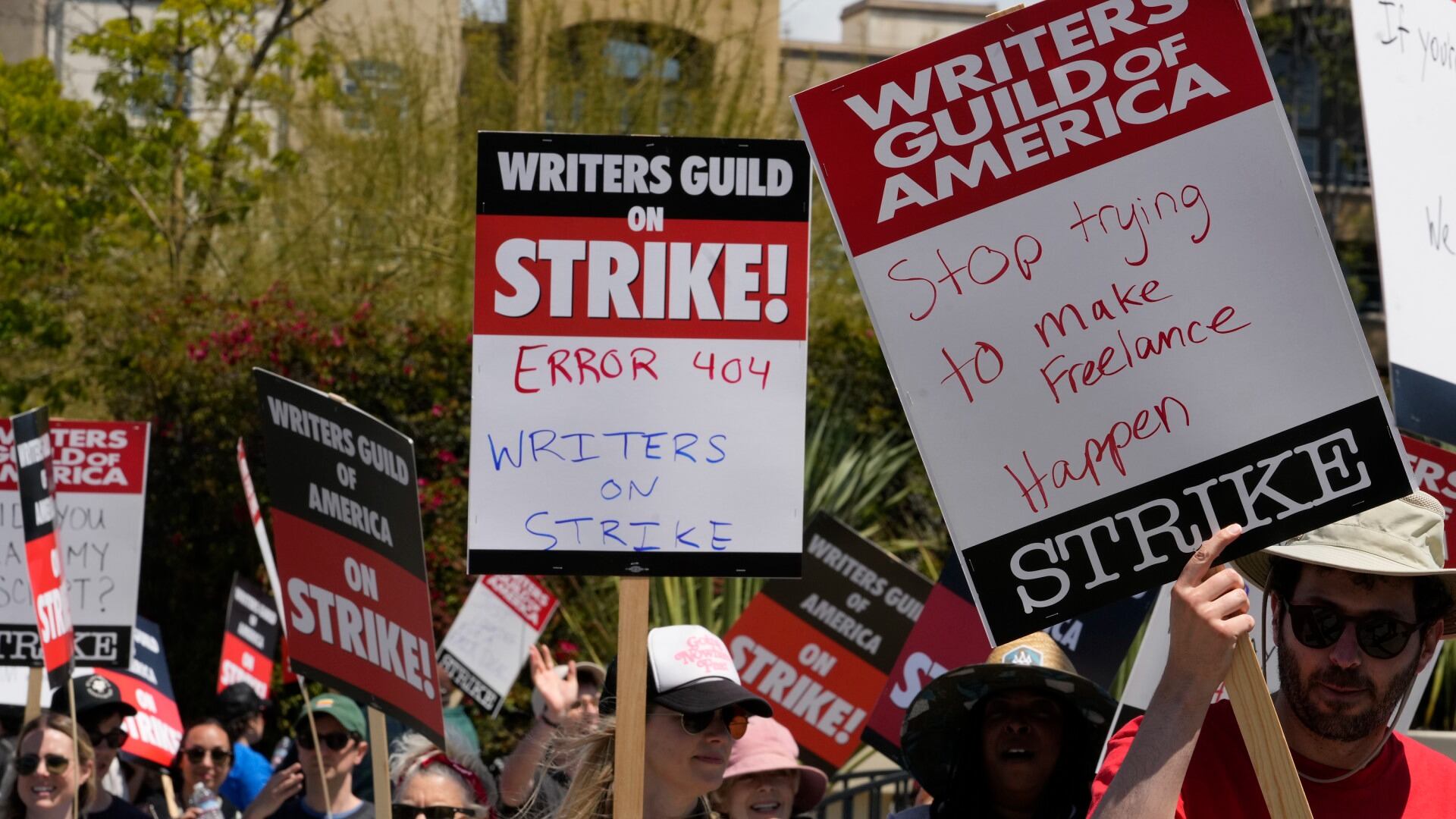
This year's upfront presentations to advertisers happened against the backdrop of a massive writers' strike. Cheddar News broke down the big takeaways from how networks proceeded with their events and what upcoming TV and streaming shows were presented.
The Week's Top Stories is a guided tour through the biggest market stories of the week, from winning stocks to brutal dips to the facts and forecasts generating buzz on Wall Street.
With Americans' credit card debt mounting, Ted Rossman, senior analyst for Bankrate.com, stopped by the Cheddar News studio to offer some tips on how to pay down debt.
Google, Twitter, Facebook and other tech companies fueled by social media have dodged a legal threat that could have blown a huge hole in their business models.