Authorities rescued 34 people from a floating chunk of ice that broke away from shore in the bay of Green Bay in eastern Wisconsin, the sheriff's office said Sunday.
No injuries were reported in the incident that happened Saturday morning north of Green Bay, in the arm that's part of Lake Michigan, the Brown County Sheriff's Office reported. Many of the 34 people rescued were ice fishing at the time of the incident.
The chunk of ice floated about three-quarters of a mile during the rescue and was about a mile from the shoreline by the time everyone was brought to solid ground. Authorities said the stranded people were on the separated ice shove for about 90 minutes.
Brown County Sheriff, @sheriffbc/Twitter
A barge traveling through the bay may have caused the ice chunk to break off the shoreline, the sheriff's office said. Shane Nelson, who was making his first ice fishing excursion, said the noise sounded like somebody had fired a gun.
“We thought it was interesting, got out of our shanty, took a look and people were yelling on the ice, ‘We’re separating,’" Nelson told WLUK-TV.
Airboats from the Brown County Sheriff's Office and the U.S. Coast Guard were able to rescue eight passengers at a time.
Note: The total number of rescued individuals was updated on January 11, 2022, from 27 to 34 based on the latest information from the Brown County Sheriff's Office.
Developers for the video game "Call of Duty: Warzone" staged a walkout in protest of 12 quality assurance testers being laid off by parent company Activision Blizzard. This marks the latest work stoppage for the embattled game publishing giant.
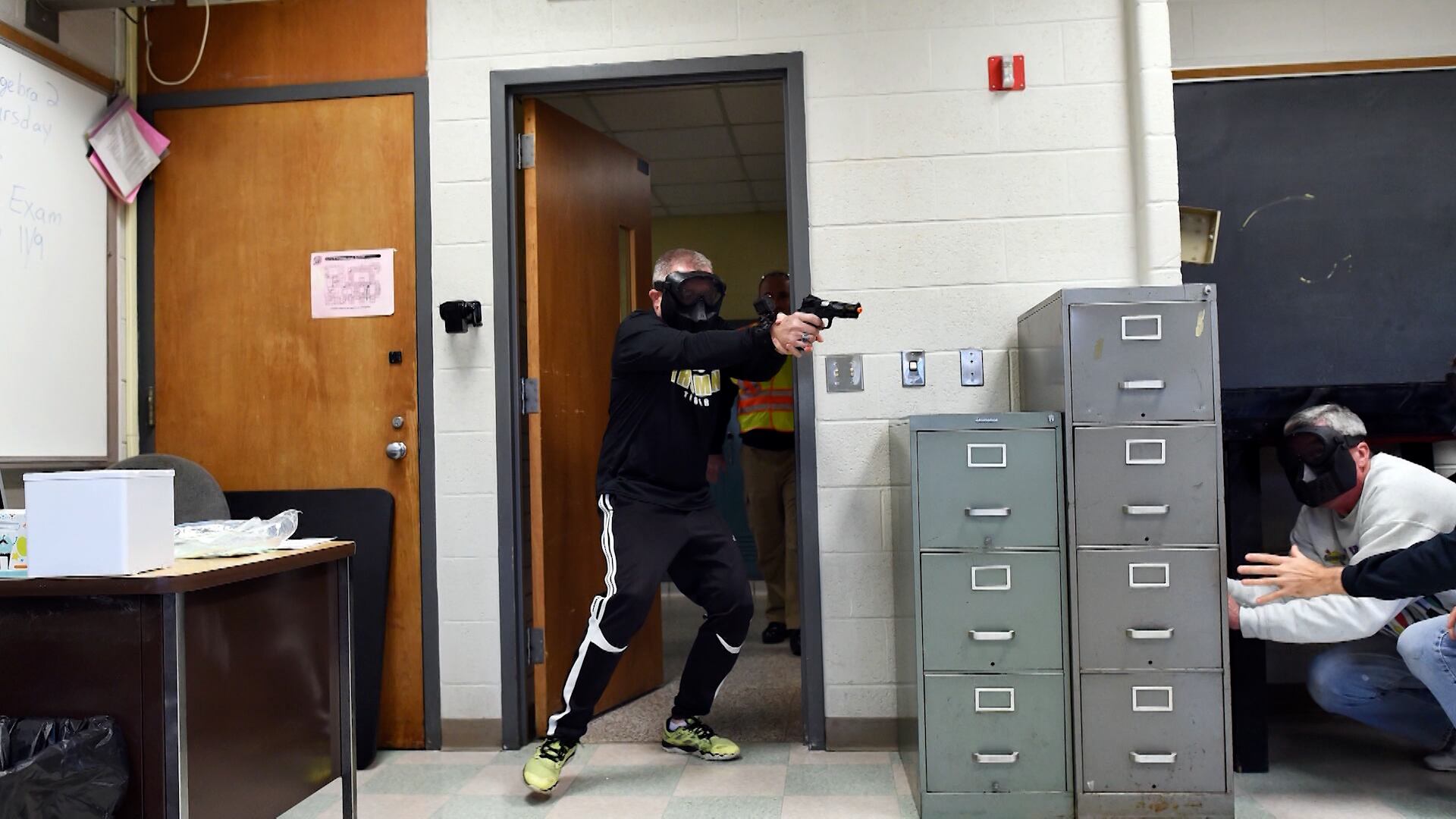
The most recent school shooting in Michigan is highlighting the tragic fact that U.S. shootings on campuses are ticking up. The aftermath of these incidents leaves students, faculty, and families suffering intense trauma with lasting effects. Darby Fox, an adolescent family therapist, joins Cheddar News to discuss how school shootings impact the mental health of students and their families.
With so many high-profile court cases taking over the media, from the trial over the murder of Ahmaud Arbery to the trial of Kyle Rittenhouse to the ongoing Elizabeth Holmes trial, Cheddar took a look at these cases and why there is such a big interest in them. Rachel Fiset, a white collar criminal defense lawyer and partner with Zeiback, Fiset, and Coleman, and Bryan Hance, attorney-at-law, professor, and academic program director of the pre-law and paralegal studies program at National University, joined Cheddar for a roundtable discussion on why there is so much public interest in so-called courtroom drama.
2022 is just around the corner and one of the world's most famous trendspotters says that there is a wide-ranging mix of trends coming up in the new year that could impact businesses, culture, and our society at large.
Trendspotter and cultural zeitgeist analyst Marian Salzman, joined Cheddar to discuss more.
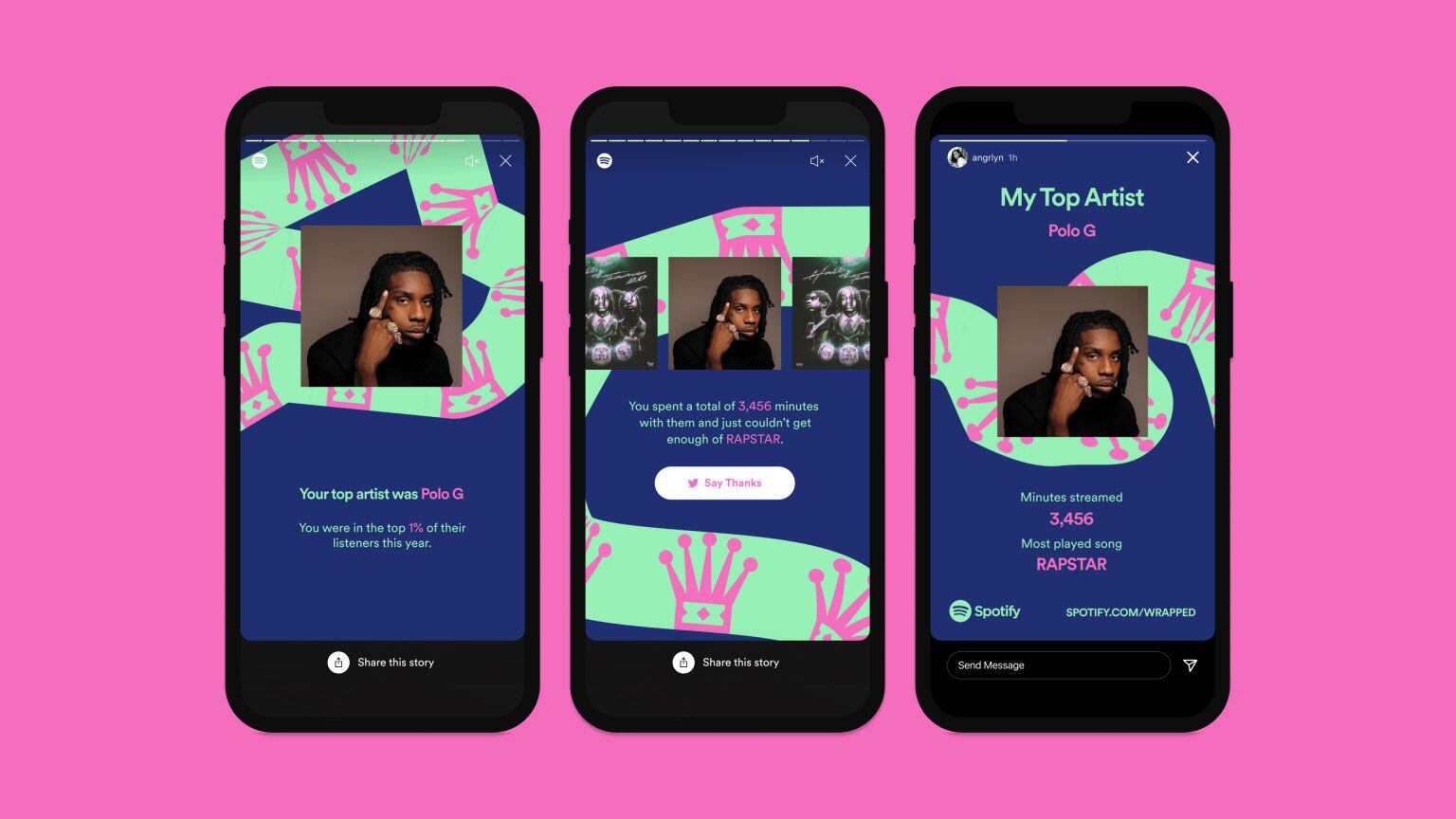
Spotify has just officially released its 2021 'Wrapped'. For the past few years, the streaming giant has been presenting customers with their listening habits from the prior year, including favorite artists, most listened to the genre, podcasts, songs you name it. However, critics say this method just shows how apps can collect our data. CEO of Prevailion Karim Hijazi, joined Cheddar to discuss more.
Recent internal documents obtained by the New York Times reveal how exactly TikTok's algorithm works. The report highlights how the app is mainly focused on retaining two metrics which are retention and time spent. In addition, the document titled, "TikTok Algo 101" details how the algorithm understands human nature from when we get bored to our sensitivity and culture ques. It means the app monitors will kind of videos you like. Professor of Computer Science at the University of California in San Diego Julian McCauley, joined Cheddar to discuss more.
According to a recent study by a group of international researchers, artificial intelligence can predict new illegal drugs before they hit the streets. This method could help save lives and fight crime. Professor of Computing Science at the University of Alberta, joined Cheddar to discuss more.
Carlo and Baker discuss the sweeping new vaccine mandate in NYC that will target all private businesses. Plus, Trump's media venture gets its CEO and more.