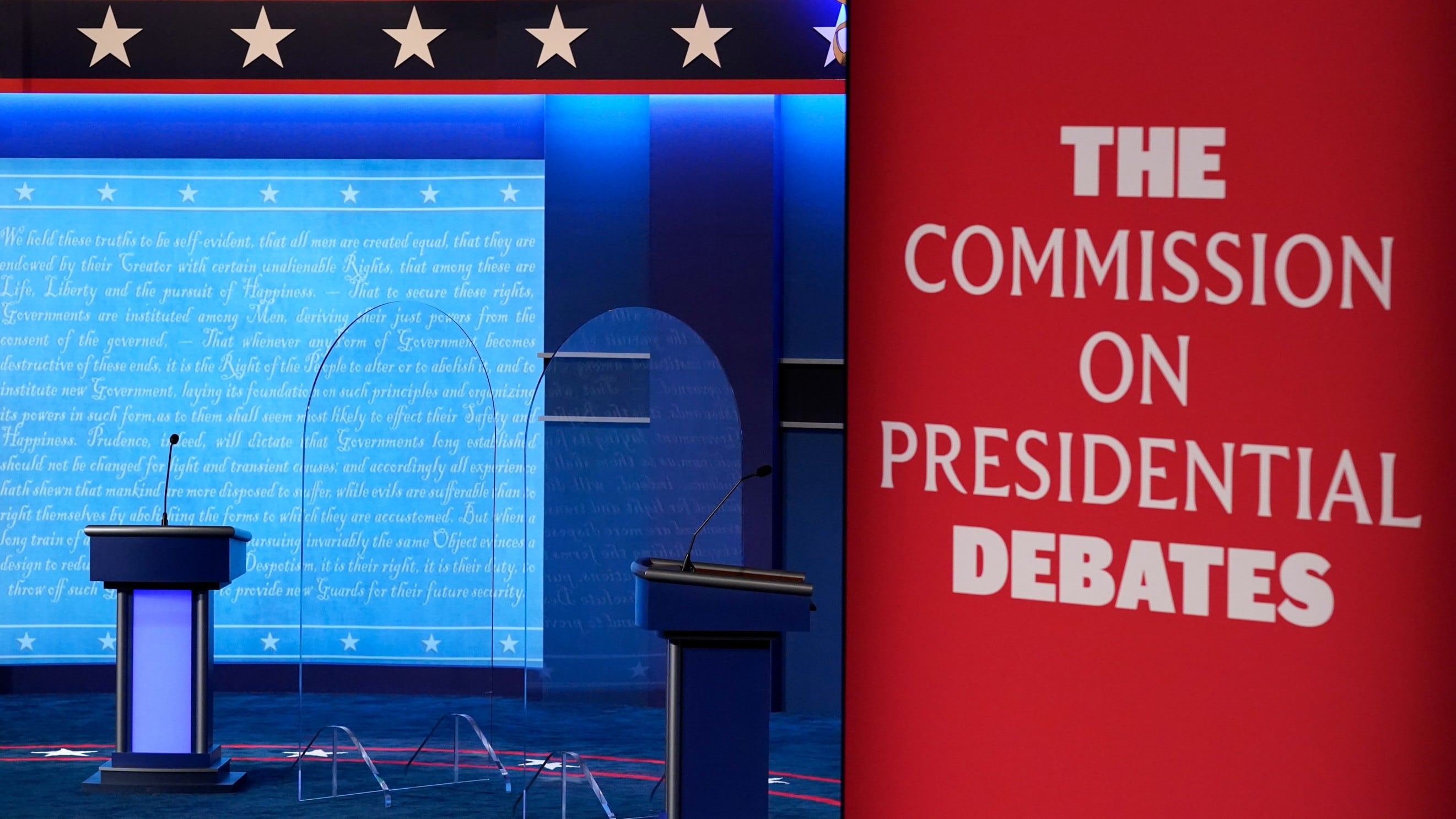
Clear protective panels stand onstage between lecterns as preparations take place for the second Presidential debate at Belmont University, Oct. 21, 2020, in Nashville, Tenn. Three debates for next year's presidential general election are set to be held in college towns in Texas, Virginia and Utah between Sept. 16 and Oct. 9, with the lone vice presidential debate happening in-between in Pennsylvania — though whether the Republican nominee will participate remains to be seen. The nonpartisan Commission on Presidential Debates announced Monday, Nov. 20, 2023, that presidential candidates will first be scheduled to meet Sept. 16. (AP Photo/Patrick Semansky, File)
By Will Weissert
Three debates for next year's presidential general election are set to be held in college towns in Texas, Virginia and Utah between Sept. 16 and Oct. 9, with the lone vice presidential debate happening in between in Pennsylvania — though it remains to be seen whether the Republican nominee will participate.
The nonpartisan Commission on Presidential Debates announced Monday that presidential candidates will first be scheduled to meet Sept. 16 at Texas State University in San Marcos, south of Austin. The vice presidential debate is scheduled nine days later at Lafayette College in Easton, Pennsylvania.
Presidential debates planned for Virginia State University in Petersburg on Oct. 1, and the University of Utah in Salt Lake City on Oct. 9, round out the schedule ahead of Nov. 5's Election Day.
“The United States’ general election debates, watched live worldwide, are a model for many other countries: the opportunity to hear and see leading candidates address serious issues in a fair and neutral setting," CPD co-chairs Frank Fahrenkopf and Antonia Hernández said in a statement. “This tradition remains unbroken since 1976. In 2024, students at our four debate sites will help bring another set of historic conversations to audiences here and abroad. And their campuses will anchor four unique chances to listen and learn.”
The nonprofit CPD was established in 1987 and has sponsored every general election presidential and vice presidential debates since. It does not receive federal funding or financial support from any political party or campaign.
The announcement comes despite the Republican National Committee mulling rules changes that would force presidential candidates seeking the party’s nomination to sign a pledge saying they won't participate in any debates sponsored by the CPD.
Such a boycott would shake up the foundations of the way presidential elections have been conducted in the country for decades — though former President Donald Trump 's refusal to participate in primary debates while seeking his party's 2024 nomination makes such shifts perhaps easier to imagine.
The RNC threatening not to participate comes after years of tension between the RNC and the commission, which has been exacerbated by Trump. As president, he repeatedly accused the commission of unfair treatment and ultimately refused to participate in the second 2020 debate after objecting to it being held virtually due to the coronavirus pandemic.
In a letter to the commission last year, RNC Chair Ronna McDaniel voiced frustration with its response to several party complaints, including concerns about its selection of moderators, a desire for a debate before early voting starts and a push for changes to the commission’s board.
The commission responded to that letter by saying in a statement that it deals directly with candidates who qualify for participation in its debates, rather than the national leadership of each party.
“The CPD’s plans for 2024 will be based on fairness, neutrality and a firm commitment to help the American public learn about the candidates and the issues,” it said at the time.
The RNC did not immediately respond to a message seeking comment.
The national Democratic Party has not clashed with the commission. Still, as he runs for reelection, President Joe Biden 's campaign has yet to comment on whether he would debate Trump.
A new report by the Foreign Correspondents Club of China warns that press freedom in the most populous country in the world is declining at an alarming speed. Cheddar News speaks with Steven Butler, Asia Program Coordinator at the Committee to Protect Journalists, about the hardships journalists face in China.
Rep. Nancy Mace (R-S.C. 1st District) joined Cheddar to discuss her cannabis legalization bill, the States Reform Act, and the prospects for gaining bipartisan support for a bill that has garnered the endorsement of e-commerce giant Amazon. This legislation is supported by businesses large and small, Amazon obviously being the most recent and largest business to support it," Mace said. "They don't want to sell pot. But what it does do is it affects their working employment pool." She stated that 10 percent of eligible new hires for Amazon are affected by restrictive marijuana laws. The representative also explained that the bill leaves equity provisions up to the states rather than mandating them on a federal level.
After a number of tragic subway incidents, the MTA is facing increased pressure to install subway platform screens to help prevent injury or death. However, according to an earlier report from the MTA, installing these prevented measures isn't feasible. New York City Council Member Keith Powers, joined Cheddar to discuss more.
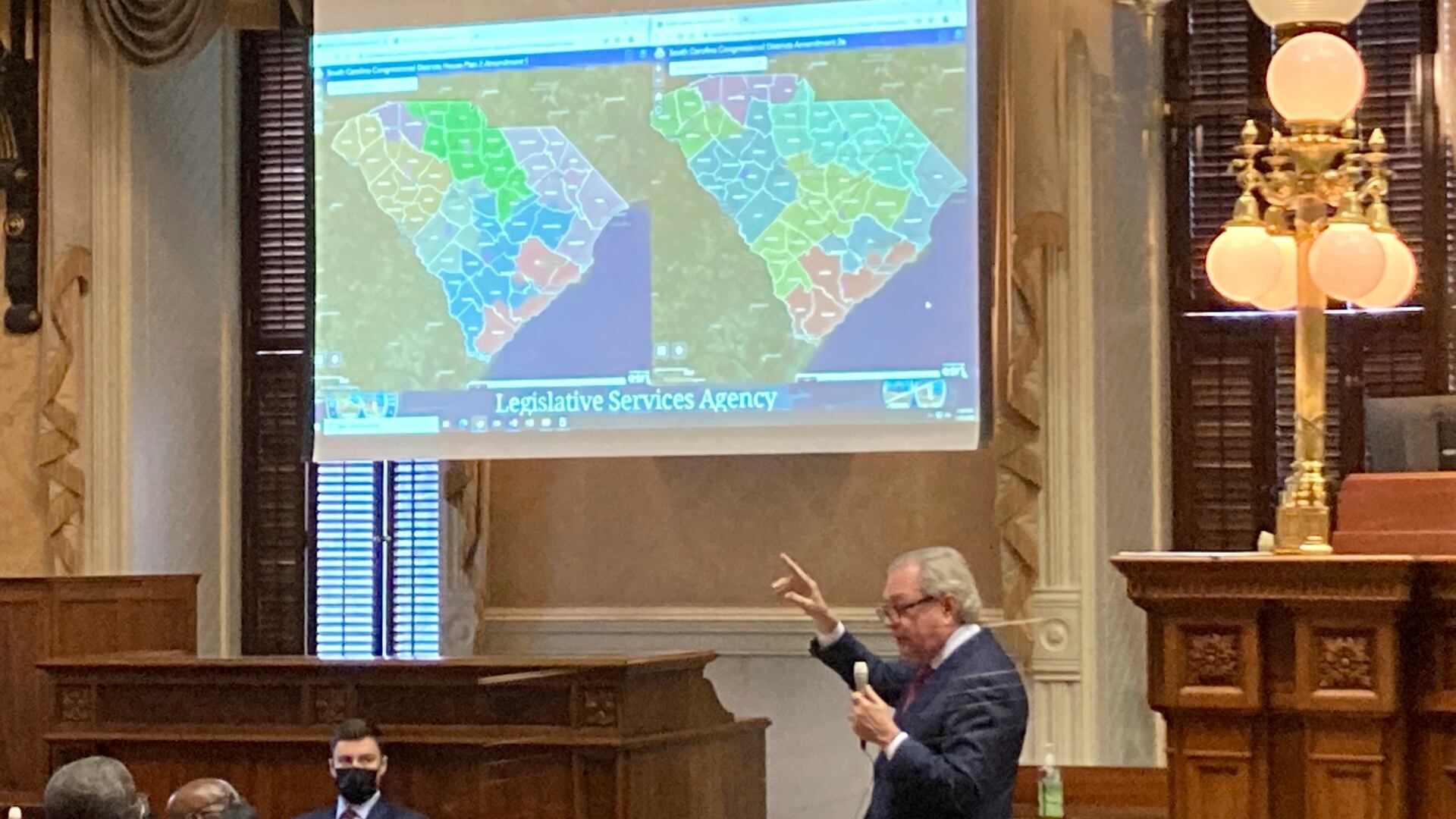
Across the country, states are working to redraw their congressional lines in what is often known as gerrymandering. These news lines are expected to determine the balance of power between Democrats and Republicans within the next decade. Senior Counsel for the Brennan Center's Democracy Program, Michael Li, joined Cheddar to discuss more.
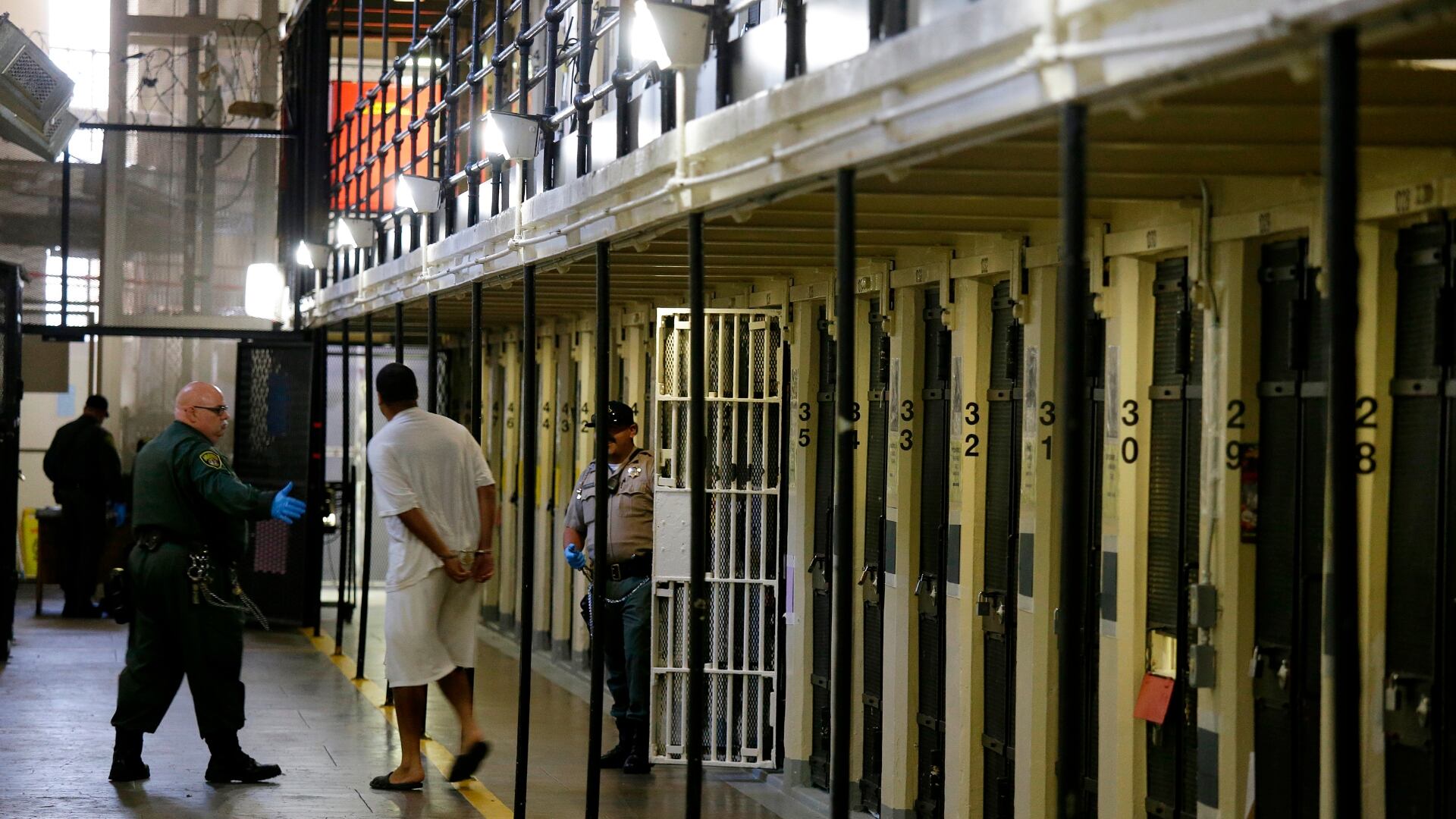
The state of California is officially planning to close its death row in the next two years. That state's governor Democrat Gavin Newsom says the plan is now to move all condemned inmates to other prisons and turn it into, as he calls it, a positive healing environment. Former U. S. Assistant Attorney and Legal Analyst, David Katz, joined Cheddar to discuss more.
Anthony Saccaro, Founder and President of Providence Financial, joins Cheddar News' Closing Bell, where he elaborates on why he is excited that the market is beginning to rebound and believes February has the potential to be a good month after a turbulent January.
Cryptocurrency is expected to become a part of our daily lives — but what sort of environmental impact does it have? As the U.S. becomes the crypto mining capital of the world, climate advocates are worried about mining companies reopening old coal plants, using massive amounts of energy, wasteful hardware, and more. Congressional Democrats led by Senator Elizabeth Warren are demanding answers from mining firms about their electricity use and waste levels. John Belizaire, CEO of Soluna Computing, joins Cheddar Climate to discuss the congressional letters, how crypto mining can become a green industry, and more.
The Supreme Court will reconsider race-based affirmative action in college admissions. The court will examine admissions policies at Harvard University and The University of North Carolina Chapel Hill, which count the race of applicants as a factor in admissions. The court has upheld affirmative action policies in the past, saying it helps to create more diverse student bodies. However, the conservative Supreme Court could be skeptical and even possibly hostile to such policies. Nick Anderson, Higher Education Writer, Washington Post joined Cheddar's Opening Bell to discuss.