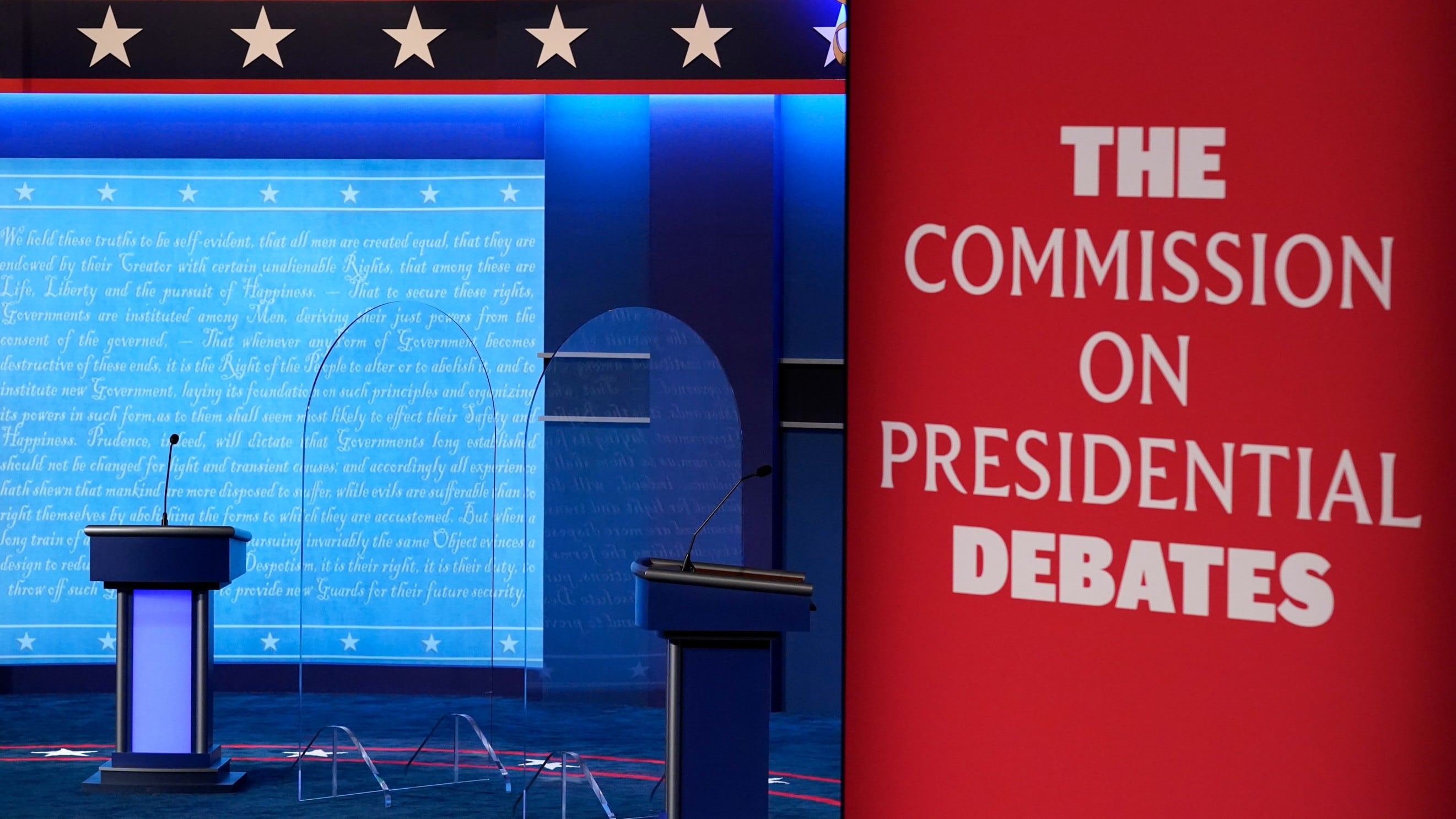
Clear protective panels stand onstage between lecterns as preparations take place for the second Presidential debate at Belmont University, Oct. 21, 2020, in Nashville, Tenn. Three debates for next year's presidential general election are set to be held in college towns in Texas, Virginia and Utah between Sept. 16 and Oct. 9, with the lone vice presidential debate happening in-between in Pennsylvania — though whether the Republican nominee will participate remains to be seen. The nonpartisan Commission on Presidential Debates announced Monday, Nov. 20, 2023, that presidential candidates will first be scheduled to meet Sept. 16. (AP Photo/Patrick Semansky, File)
By Will Weissert
Three debates for next year's presidential general election are set to be held in college towns in Texas, Virginia and Utah between Sept. 16 and Oct. 9, with the lone vice presidential debate happening in between in Pennsylvania — though it remains to be seen whether the Republican nominee will participate.
The nonpartisan Commission on Presidential Debates announced Monday that presidential candidates will first be scheduled to meet Sept. 16 at Texas State University in San Marcos, south of Austin. The vice presidential debate is scheduled nine days later at Lafayette College in Easton, Pennsylvania.
Presidential debates planned for Virginia State University in Petersburg on Oct. 1, and the University of Utah in Salt Lake City on Oct. 9, round out the schedule ahead of Nov. 5's Election Day.
“The United States’ general election debates, watched live worldwide, are a model for many other countries: the opportunity to hear and see leading candidates address serious issues in a fair and neutral setting," CPD co-chairs Frank Fahrenkopf and Antonia Hernández said in a statement. “This tradition remains unbroken since 1976. In 2024, students at our four debate sites will help bring another set of historic conversations to audiences here and abroad. And their campuses will anchor four unique chances to listen and learn.”
The nonprofit CPD was established in 1987 and has sponsored every general election presidential and vice presidential debates since. It does not receive federal funding or financial support from any political party or campaign.
The announcement comes despite the Republican National Committee mulling rules changes that would force presidential candidates seeking the party’s nomination to sign a pledge saying they won't participate in any debates sponsored by the CPD.
Such a boycott would shake up the foundations of the way presidential elections have been conducted in the country for decades — though former President Donald Trump 's refusal to participate in primary debates while seeking his party's 2024 nomination makes such shifts perhaps easier to imagine.
The RNC threatening not to participate comes after years of tension between the RNC and the commission, which has been exacerbated by Trump. As president, he repeatedly accused the commission of unfair treatment and ultimately refused to participate in the second 2020 debate after objecting to it being held virtually due to the coronavirus pandemic.
In a letter to the commission last year, RNC Chair Ronna McDaniel voiced frustration with its response to several party complaints, including concerns about its selection of moderators, a desire for a debate before early voting starts and a push for changes to the commission’s board.
The commission responded to that letter by saying in a statement that it deals directly with candidates who qualify for participation in its debates, rather than the national leadership of each party.
“The CPD’s plans for 2024 will be based on fairness, neutrality and a firm commitment to help the American public learn about the candidates and the issues,” it said at the time.
The RNC did not immediately respond to a message seeking comment.
The national Democratic Party has not clashed with the commission. Still, as he runs for reelection, President Joe Biden 's campaign has yet to comment on whether he would debate Trump.
Following the surprising big beat on estimates for the January jobs report, William M. Rodgers III, vice president and director of the Institute for Economic Equity at the Federal Reserve Bank of St. Louis, joined Cheddar News to break down the data. “We ended 2021 with a strong crescendo to a recovery that had taken hold, and we started 2022 in good fashion." He also discussed the dueling pressures of wage growth and inflation.
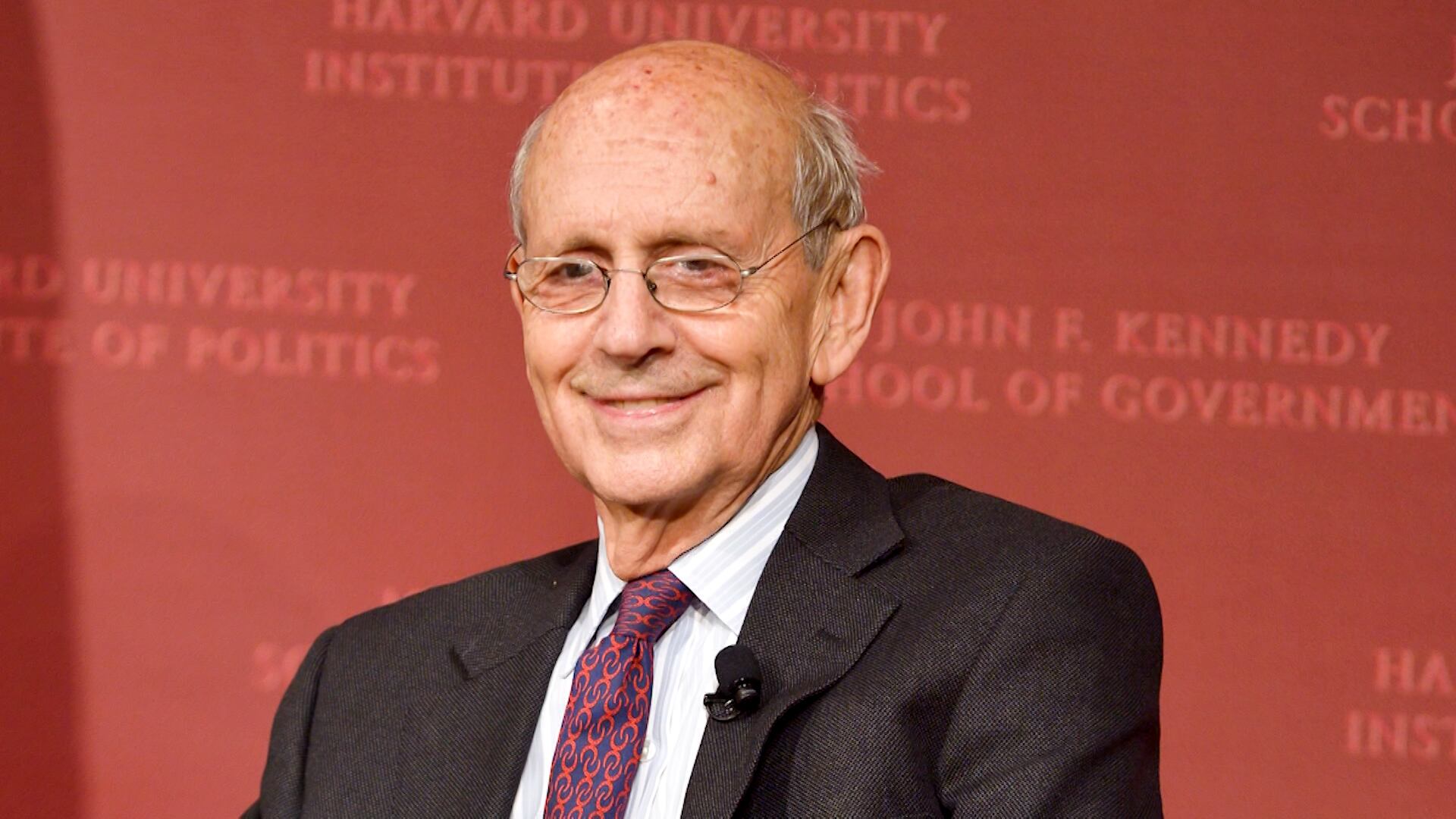
Jessica Mason Pieklo, senior vice president and executive editor of the Rewired News Group and co-host of the podcast. "Boom! Lawyered," joins Cheddar Politics to discuss Justice Stephen Breyer's retirement, legacy and potential replacement on the Supreme Court.
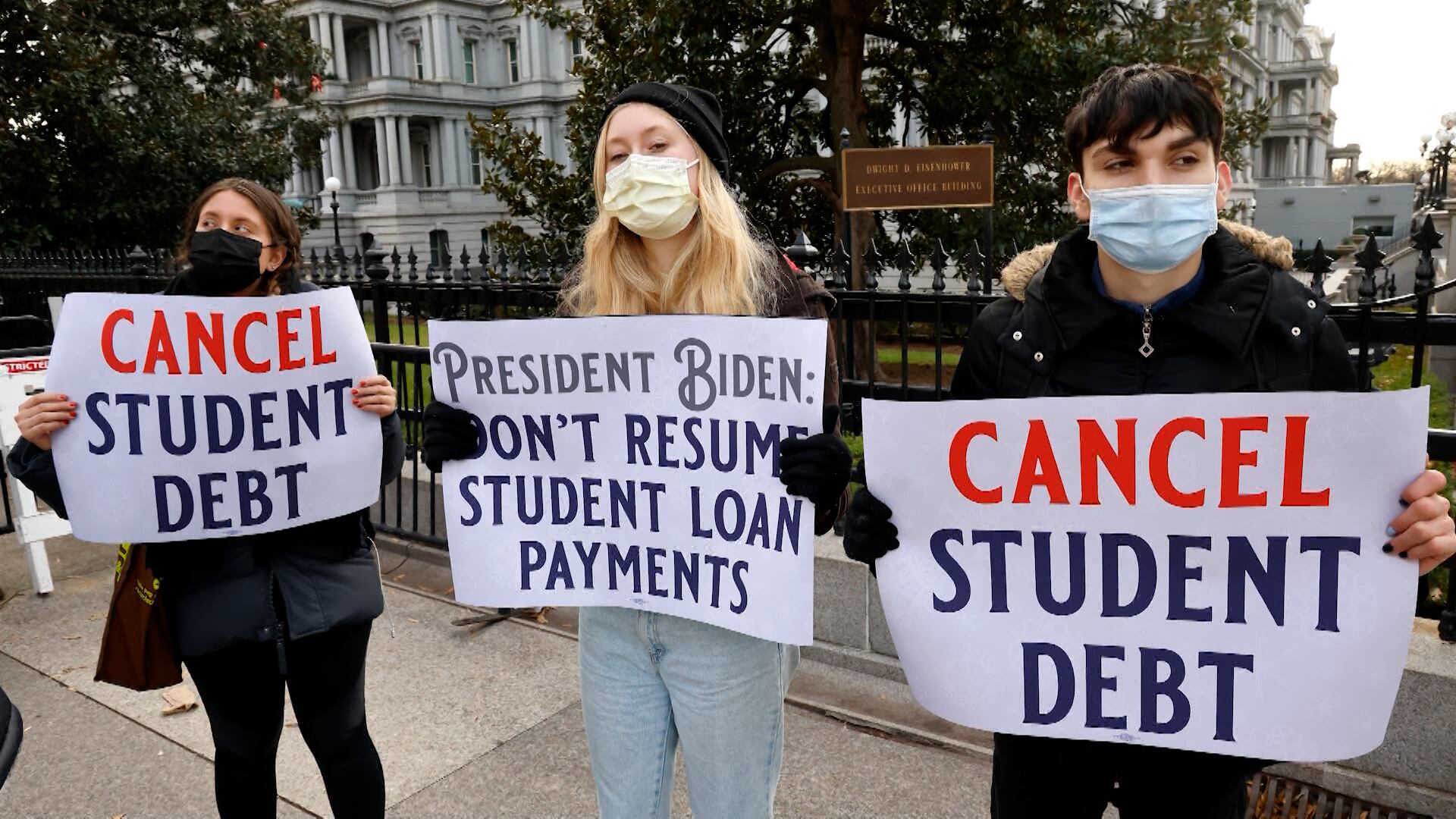
The Biden administration delivered a temporary win for student loan borrowers this year by extending the moratorium on federal payments for a few more months. That moratorium is coming to an end on May 1st and borrowers will again have their monthly loan payment plopped in their lap.
Stephanie Vanderslice, a creative writing professor paying off debt through the Parent Plus program, and Mike Pierce, executive director of the Student Borrower Protection Center, join Cheddar Politics to discuss.
2022 was already going to be a big year for the Supreme Court. We have decisions on major issues like abortion and gun rights on the way. Then, Justice Stephen Breyer announced his retirement and that set up a major confirmation fight for later this year. Amy Howe, co-founder of SCOTUSblog, joins Cheddar Politics to discuss.
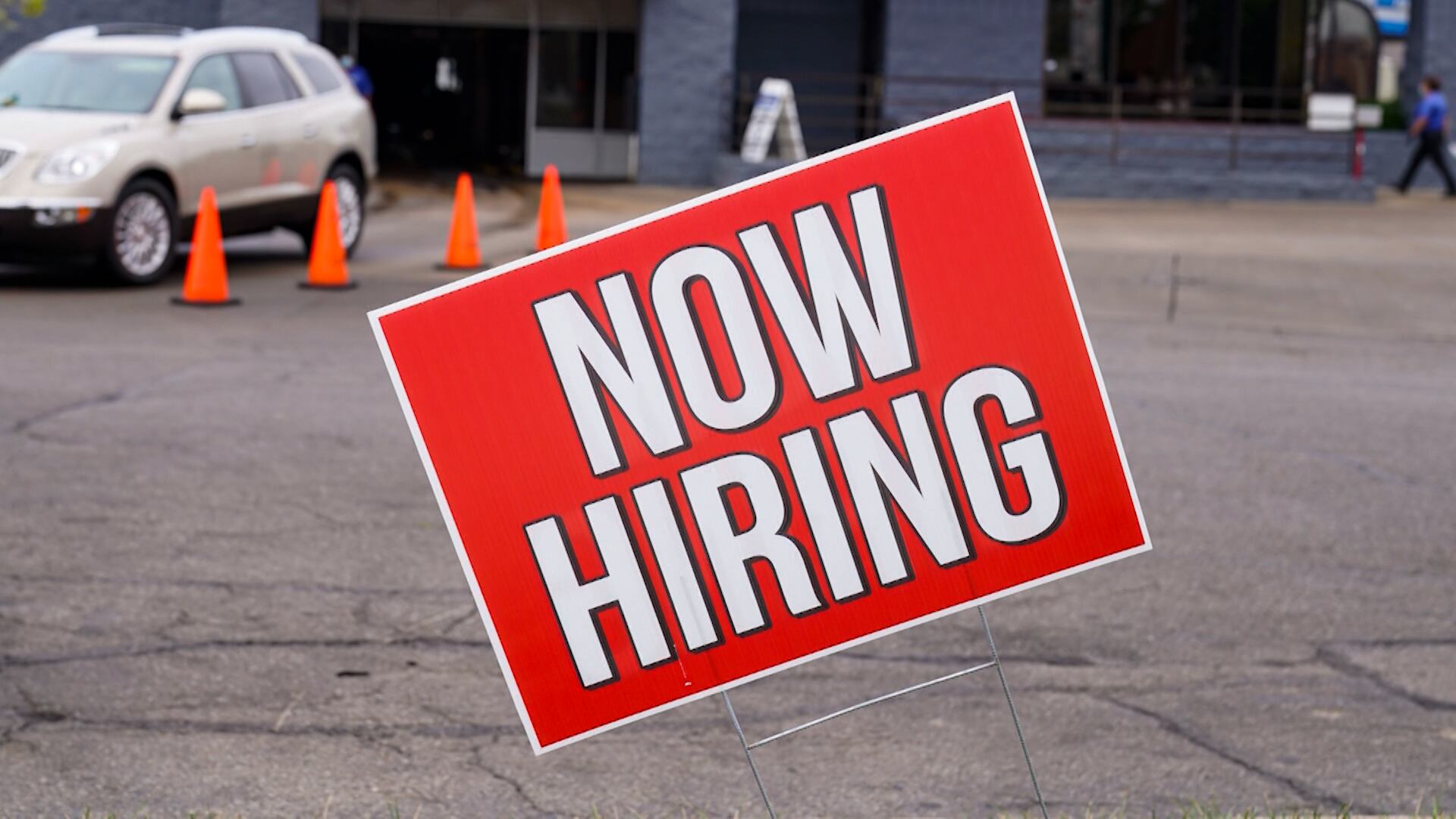
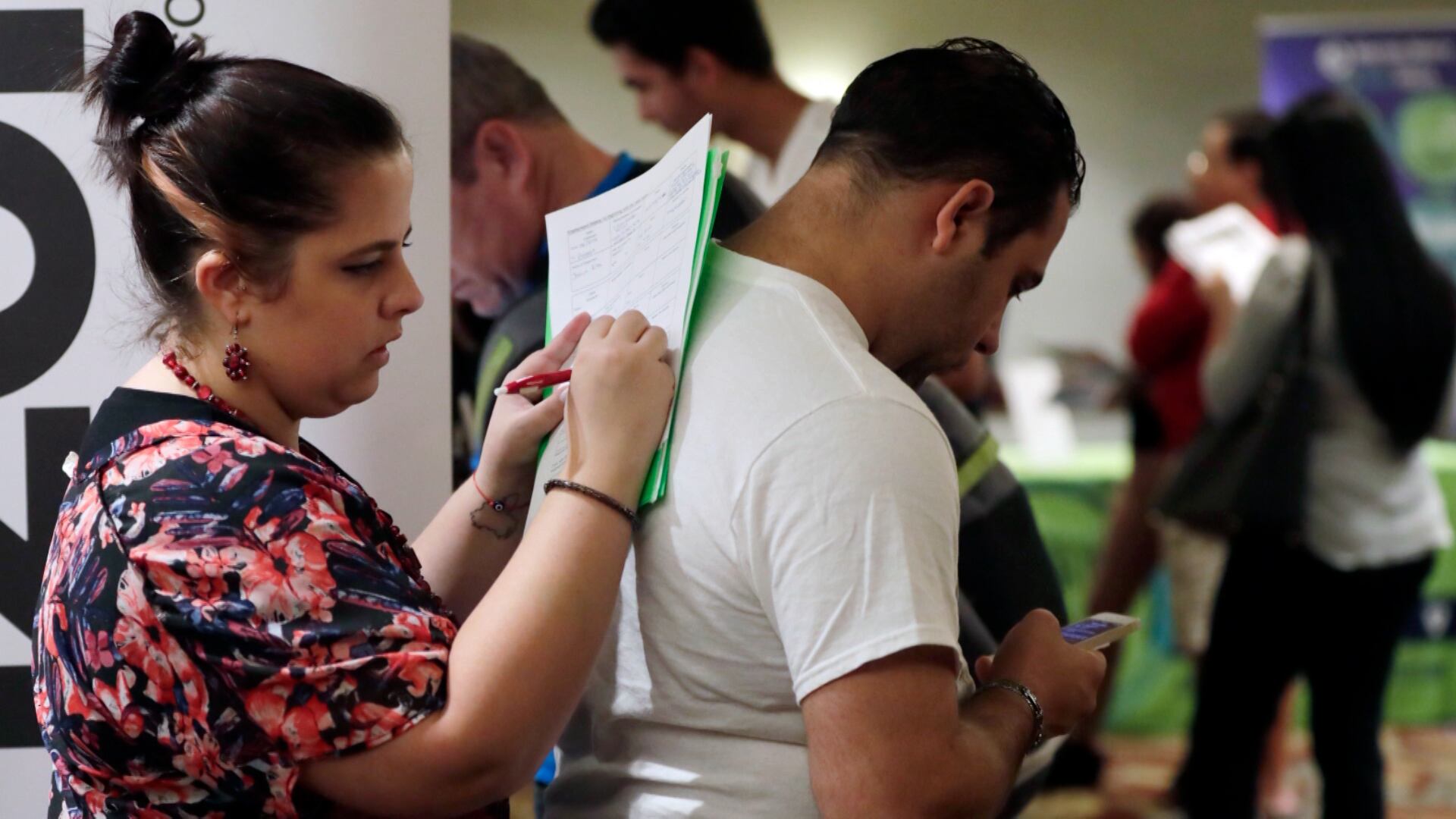
The Labor Department released a better-than-expected report of 467,000 jobs added in January. Heather Boushey, Council of Economic Advisers Member for President Biden, joined Cheddar to tout the administration's handling of the economy amid the pandemic and the upward revisions for the previous month. "It also shows that, because of the revisions, the economy was stronger over the past couple of months," she said. "I don't think that this can be said enough, but economic forecasting during an historic pandemic is extremely difficult." Boushey also addressed issues involving wage growth versus the rapid rise of inflation.
The Labor Department's January jobs report showed 467,000 jobs were added, compared to the 150,000 that were projected, a sign that employment is continuign to return to pre-pandemic levels. Lindsey Piegza, chief economist at investment bank Stifel, joined Cheddar to break down the report, noting the big gains but adding a note of caution. "Remember, even with this morning's stellar report, we're still millions below that level that we had reached prior to the onset of COVID-19," she said." Yes, we are recapturing jobs. We still have further ground that needs to be made before we can talk about reaching that previous peak." Piegza also discussed the role of the Federal Reserve going forward as the employment figures turn more positive.
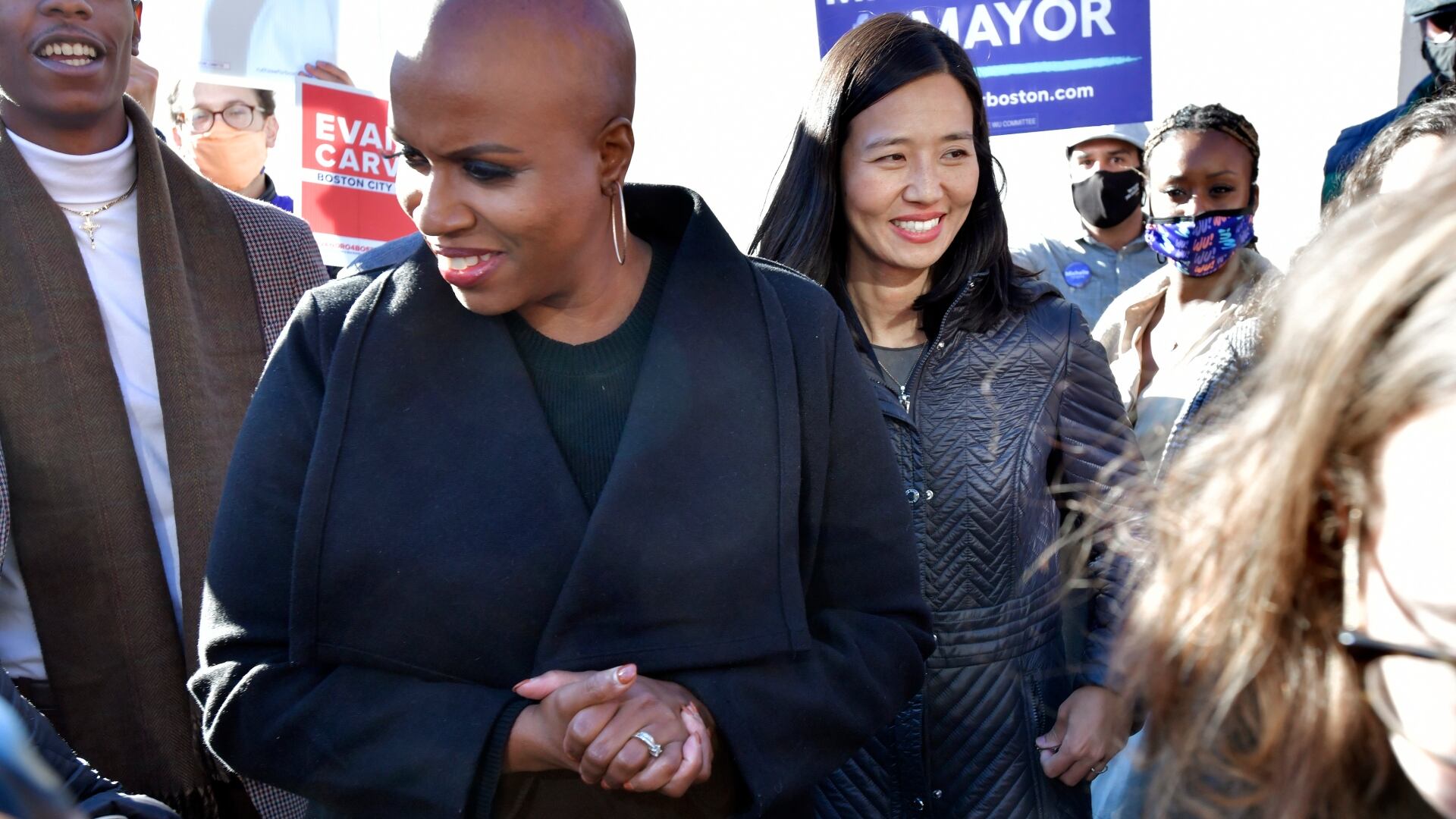
As President Biden's poll numbers fall with Black voters, Rep. Ayanna Pressley (D-Mass. 7th District) joined Cheddar to discuss what she feels could help the embattled administration: deliver on policies. Pressley pointed to stalled legislation such as new voting rights laws and Build Back Betters and canceling student loan debt, which would go a long way to improving his standing with Black constituents. "President Biden has the authority and the power to alleviate this burden, which would also help in closing the racial wealth gap, and he can do it by executive action with the stroke of a pen," she said. "And it doesn't require one vote from Congress. So, the Biden administration just needs to deliver to Black America in a tangible and impactful way."