By Will Weissert
Three debates for next year's presidential general election are set to be held in college towns in Texas, Virginia and Utah between Sept. 16 and Oct. 9, with the lone vice presidential debate happening in between in Pennsylvania — though it remains to be seen whether the Republican nominee will participate.
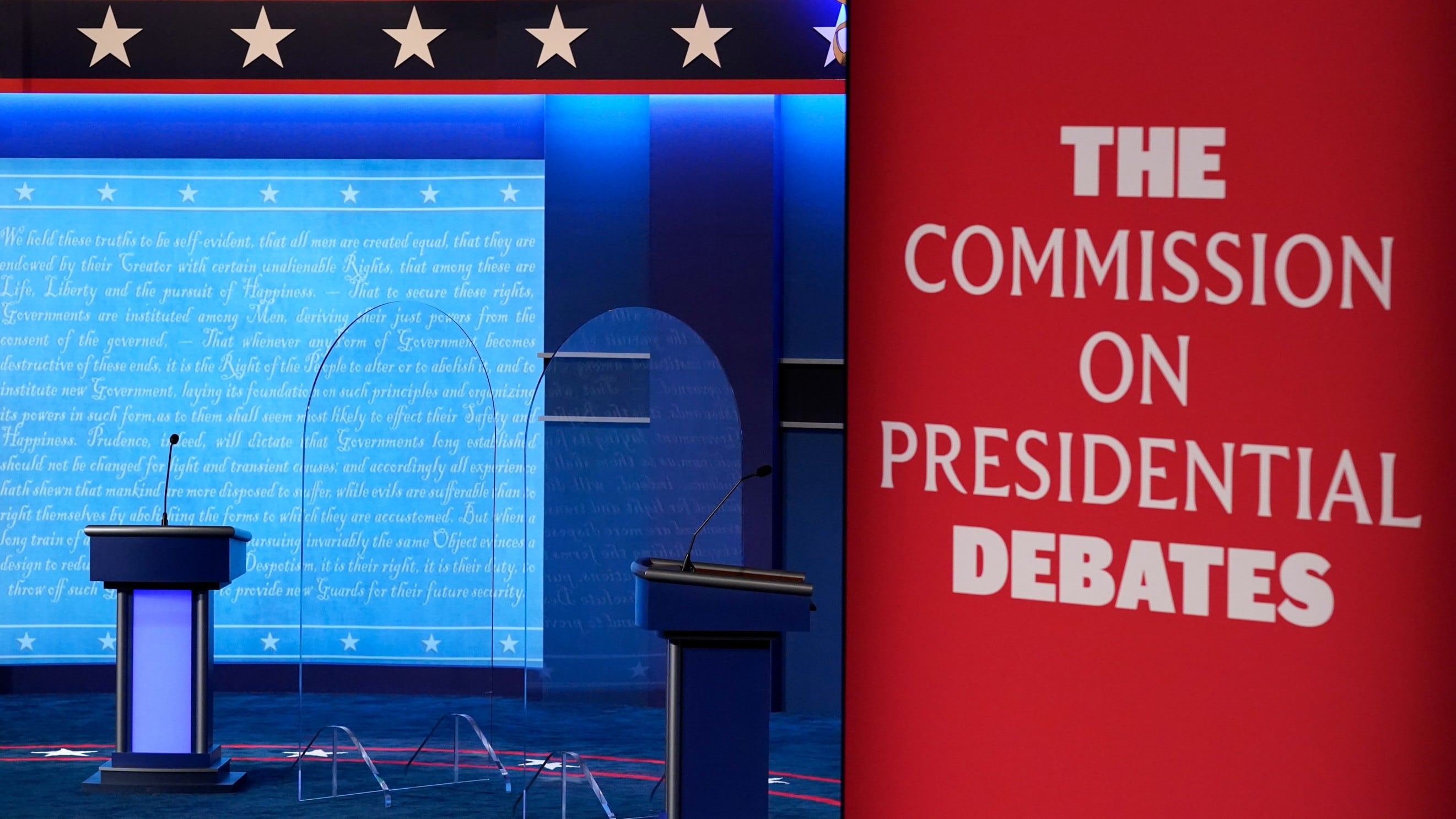
The nonpartisan Commission on Presidential Debates announced Monday that presidential candidates will first be scheduled to meet Sept. 16 at Texas State University in San Marcos, south of Austin. The vice presidential debate is scheduled nine days later at Lafayette College in Easton, Pennsylvania.
Presidential debates planned for Virginia State University in Petersburg on Oct. 1, and the University of Utah in Salt Lake City on Oct. 9, round out the schedule ahead of Nov. 5's Election Day.
“The United States’ general election debates, watched live worldwide, are a model for many other countries: the opportunity to hear and see leading candidates address serious issues in a fair and neutral setting," CPD co-chairs Frank Fahrenkopf and Antonia Hernández said in a statement. “This tradition remains unbroken since 1976. In 2024, students at our four debate sites will help bring another set of historic conversations to audiences here and abroad. And their campuses will anchor four unique chances to listen and learn.”
The nonprofit CPD was established in 1987 and has sponsored every general election presidential and vice presidential debates since. It does not receive federal funding or financial support from any political party or campaign.
The announcement comes despite the Republican National Committee mulling rules changes that would force presidential candidates seeking the party’s nomination to sign a pledge saying they won't participate in any debates sponsored by the CPD.
Such a boycott would shake up the foundations of the way presidential elections have been conducted in the country for decades — though former President Donald Trump 's refusal to participate in primary debates while seeking his party's 2024 nomination makes such shifts perhaps easier to imagine.
The RNC threatening not to participate comes after years of tension between the RNC and the commission, which has been exacerbated by Trump. As president, he repeatedly accused the commission of unfair treatment and ultimately refused to participate in the second 2020 debate after objecting to it being held virtually due to the coronavirus pandemic.
In a letter to the commission last year, RNC Chair Ronna McDaniel voiced frustration with its response to several party complaints, including concerns about its selection of moderators, a desire for a debate before early voting starts and a push for changes to the commission’s board.
The commission responded to that letter by saying in a statement that it deals directly with candidates who qualify for participation in its debates, rather than the national leadership of each party.
“The CPD’s plans for 2024 will be based on fairness, neutrality and a firm commitment to help the American public learn about the candidates and the issues,” it said at the time.
The RNC did not immediately respond to a message seeking comment.
The national Democratic Party has not clashed with the commission. Still, as he runs for reelection, President Joe Biden 's campaign has yet to comment on whether he would debate Trump.