*By Samantha Errico*
Your days to travel in 2018 may be numbered, but 2019 beckons. So what's ahead for the travel industry next year? Lola.com CEO Mike Volpe joined Cheddar to present his predictions for travel in 2019.
**Day-Rate Hotels**
"In this world where everyone wants to be faster and more agile, your needs around business are changing," Volpe told Cheddar Friday. Hotels are incorporating flexible check-in times for travelers who take red eyes, and offering hourly rates for visitors who are only in town for the day. Hotels are adapting to the pace of the modern travel and the growing demand of customers.
**Out with Corporate Travel, in with Consumer Travel**
The business travel industry is expected to hit $1.6 trillion by 2020, and more companies are trying to exploit the market. Companies are meeting the growing demands of the market by "taking the consumer speed and agility from the consumer travel world into the corporate travel world," Volpe said. Travel companies are racing to find the easiest booking system possible, Volpe said. "The average corporate travel system takes a person about an hour to book their flight and hotel for an upcoming trip," he added.
U.S. Bank has been hit with a $36 million fine for freezing debit cards that distributed unemployment benefits during the pandemic.
Construction of new homes rose by double digits in November, according to data from the Commerce Department.
Cheddar News' Need2Know is brought to you by Securitize, which helps unlock broader access to alternative investments in private businesses, funds, and other alternative assets. The private credit boom is here and the Hamilton Lane Senior Credit Opportunities Fund has tripled in assets under management in just six months from November 2022 through April this year. Visit Securitize.io to learn more.
Stocks opened lower after the opening bell and on track for its first decline in 10 days after a recent winning streak.
Tesla drivers in the U.S. were in more accidents than drivers of any other car brand this year, according to a study.
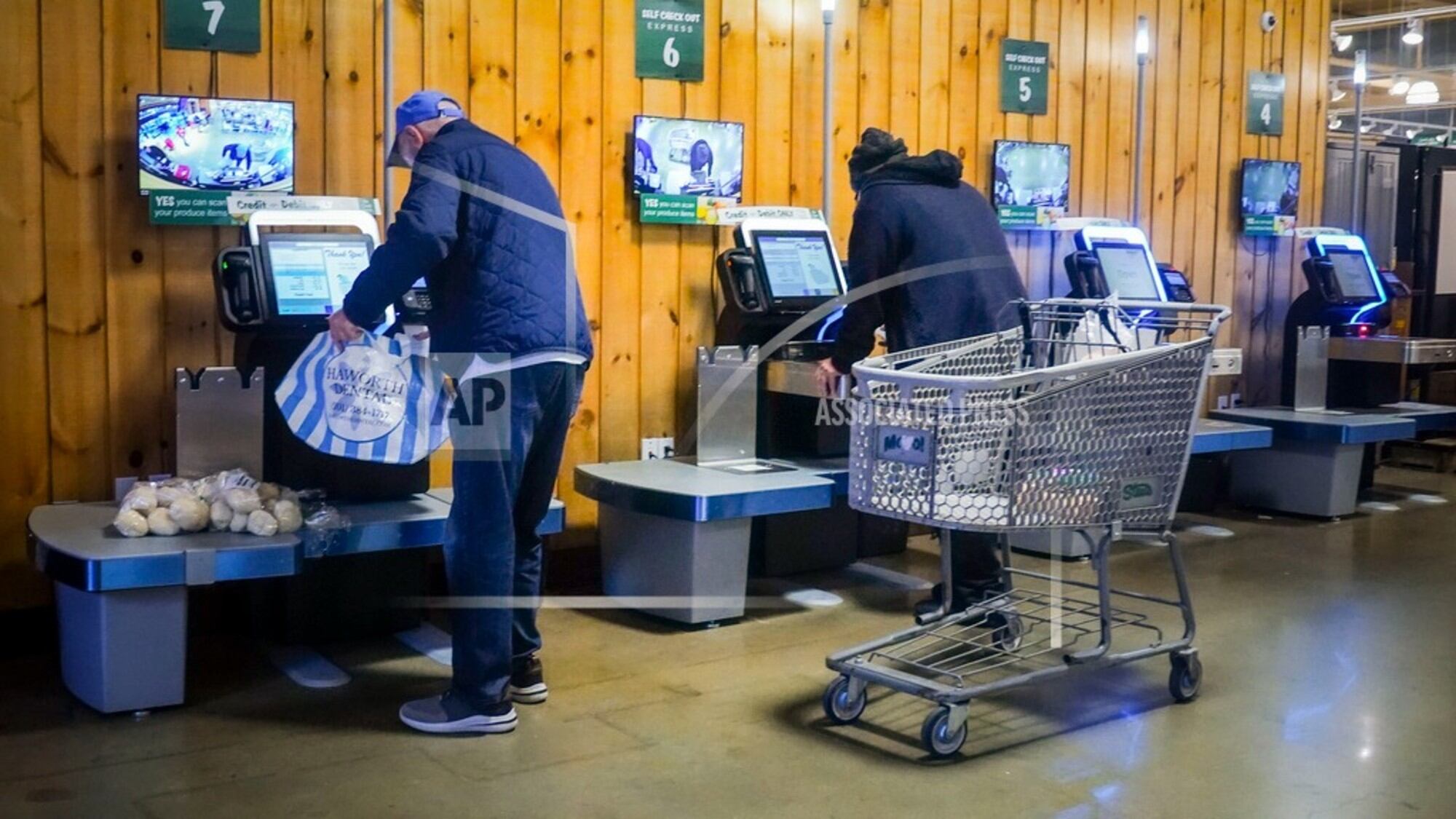
The promise of self-checkout was alluring: Customers could avoid long lines by scanning and bagging their own items, workers could be freed of doing those monotonous tasks themselves and retailers could save on labor costs.
Monsanto was ordered to pay $857 million to students and parent volunteers at a Washington school.
A federal judge has struck down hundreds of lawsuits filed against the makers of Tylenol and generic acetaminophen.
California regulators are preparing to vote on new rules for turning recycled wastewater into drinking water.
Hackers accessed Xfinity customers’ personal information by exploiting a vulnerability in software used by the company, the Comcast-owned telecommunications business announced this week.