2017 was an exciting year for the tech sector, especially the FAANG stocks. Lindsey Bell, Investment Strategist for CFRA, and Ryan Vlastelica, Reporter at MarketWatch, join The Long and The Short to discuss the year's ups and downs.
Bell believes Facebook and Netflix had the best year out of all the FAANG stocks. She predicts that because our lives are becoming more and more connected, Facebook, Apple, Amazon, Netflix, and Google will continue to outperform in the coming year. However, Vlastelica says investors should be wary of FAANG stocks going into 2018. Since they are such huge tech companies they are more vulnerable to a market crash.
Plus, how Tesla, Square, and Nvidia made a comeback after the fall tech sell-off. Vlastelica says Square is on an upswing because it's now offering options to pay in Bitcoin, which is a hot, trending cryptocurrency. As far as Tesla, CFRA has a "sell" rating on it, citing that it's overvalued amid increasing competition.
Chair of Penn Engineering’s Department of Computer and Information Science Zachary Ives shares how the department is building its artificial intelligence degree program.
Frances Stacy, Optimal Capital Director of Strategy, breaks down why the latest data indicates the economy may be struggling more than expected, plus some sectors she’s watching.
The Federal Trade Commission is suing to block a proposed merger between the two grocery stores. The FTC says the $24.6 billion deal would eliminate competition and lead to higher prices for millions of Americans.
Terecircuits CEO Wayne Rickard explains some of the other companies set to benefit from the Nvidia-led chipmaking rally, including manufacturing and toolmaking companies.
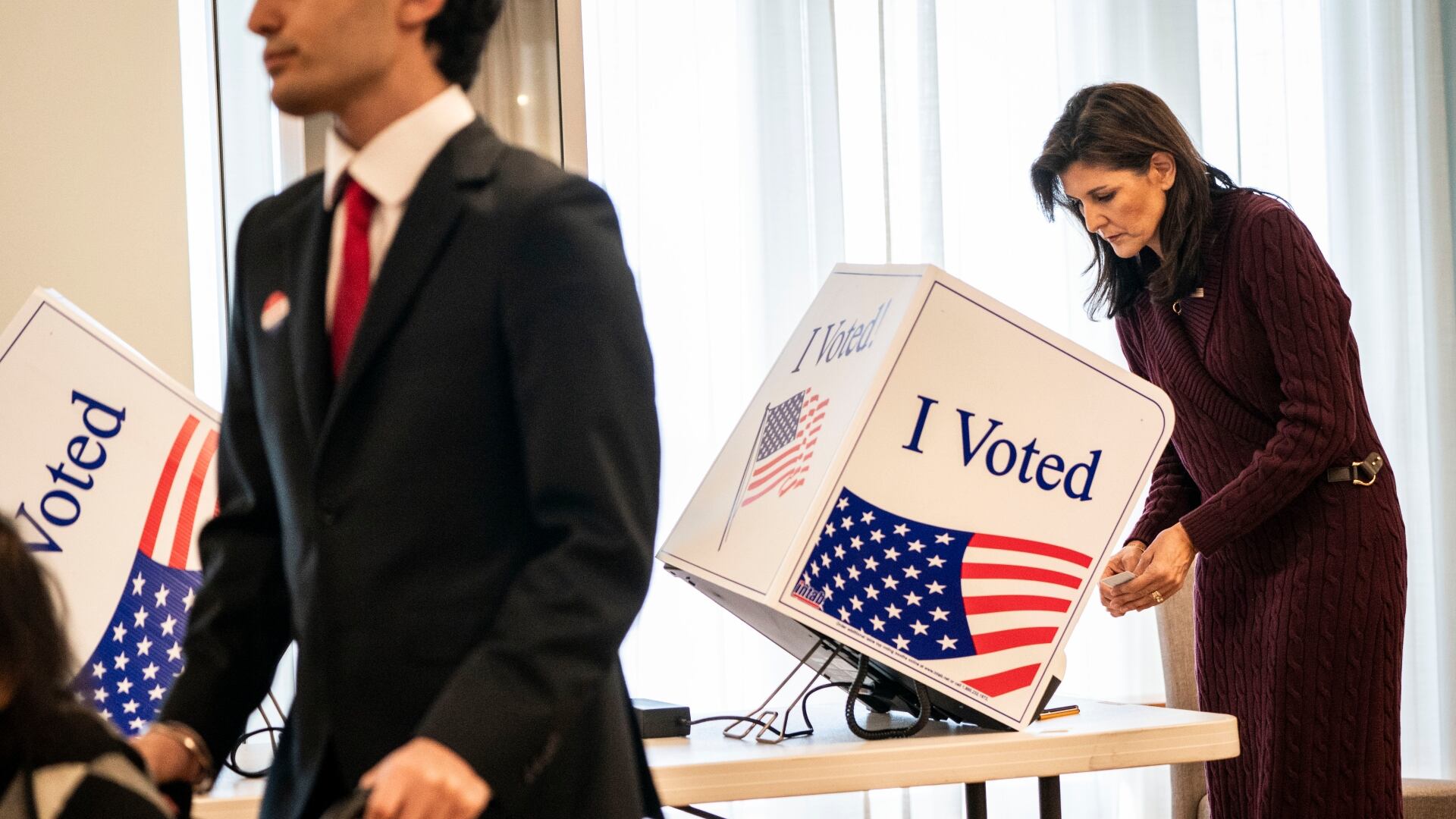
Axios reporter Erin Doherty breaks down the results from the South Carolina primary as former President Trump gets closer to winning the GOP nomination.
Jay Woods of Freedom Capital Markets shares thoughts on how the latest inflation report will impact the market, and why he expects a ‘cascade’ of IPOs if Reddit’s public debut goes well.
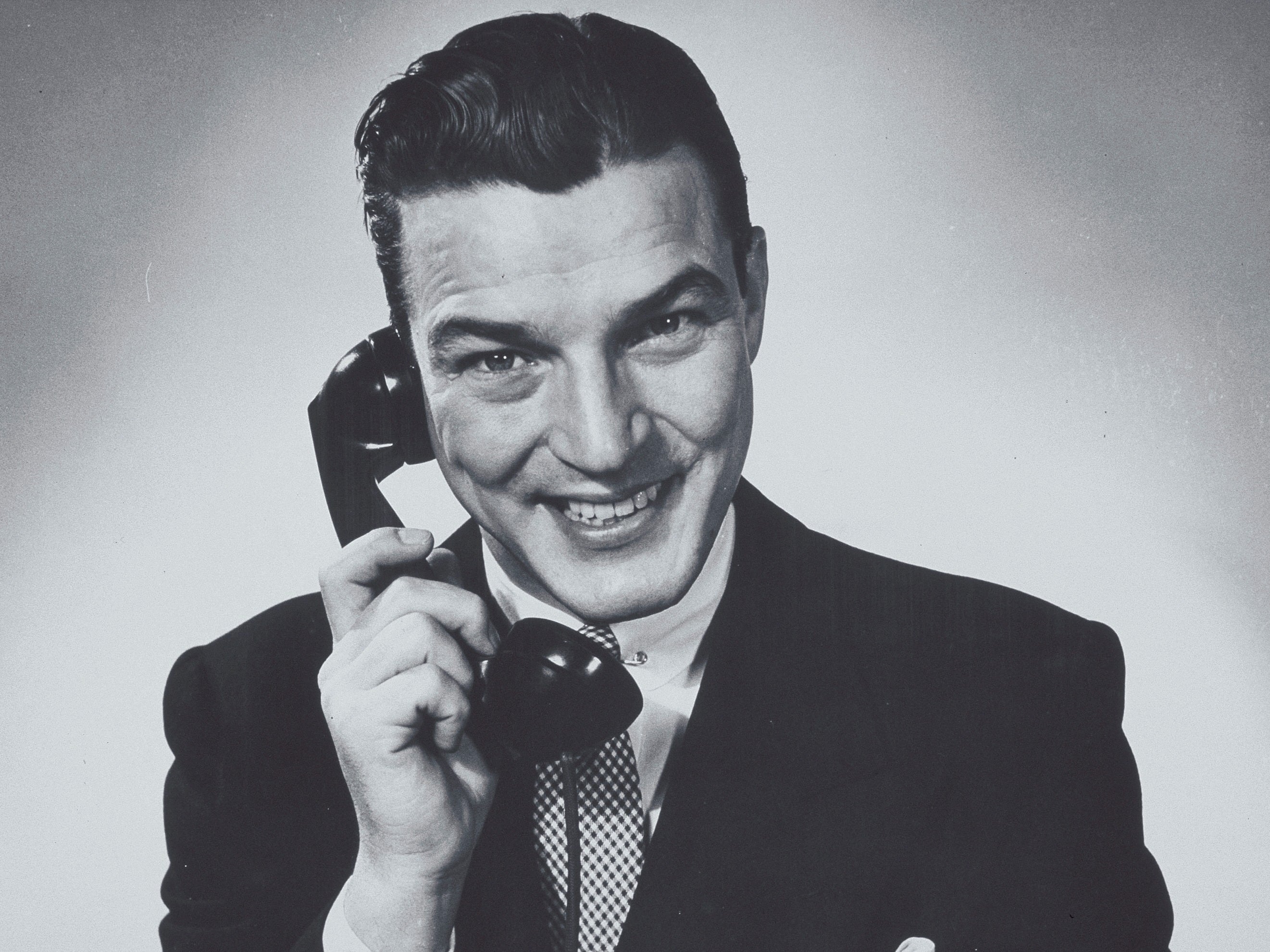
During AT&T's widespread outage Thursday, landline phones were a working alternative — which most of the U.S. does not have. Over half of Americans are estimated to have ditched landlines altogether.