Jacqueline Ayers, Director of Legislative Affairs for Planned Parenthood, discusses 2017's historic year for women - from the women's marches that kicked off President Trump's inauguration to the #MeToo campaign.
Ayers discusses the Trump administration's policies, which have sparked the fight for women's rights. They include the executive order that allows schools and employers to deny women rights to birth control and the undermining of Title X, which was put in place in the 70s and allows low-income families and individuals access to healthcare, including birth control. Ayers notes that some religious universities have already announced that they are cutting access to contraceptives.
Ayers also weighs in on the repeal of the individual mandate and the long-term repercussions it could have on women's health.
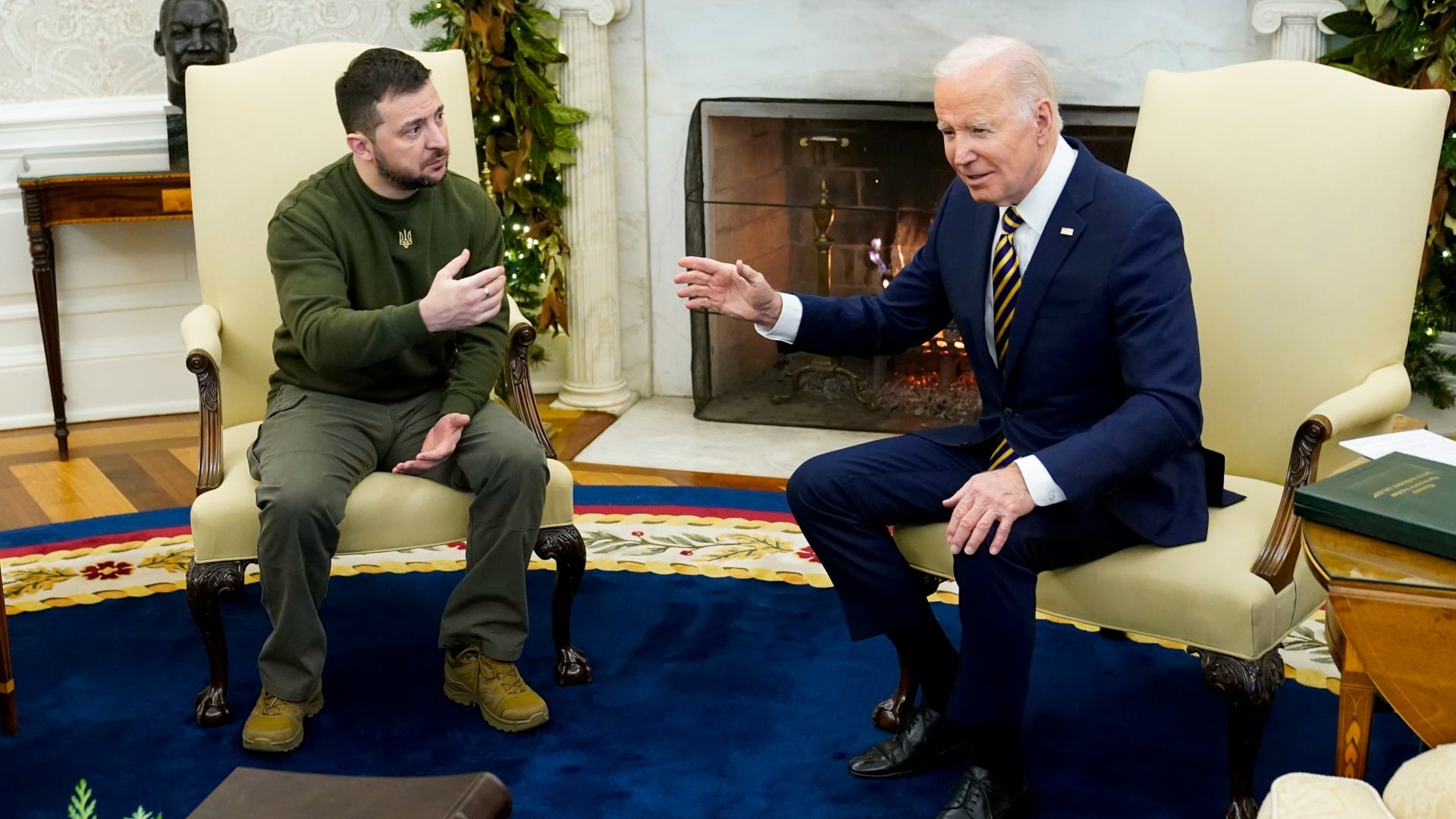
The Biden administration said it will send an additional $250 million in weapons and ammunition to Ukraine.
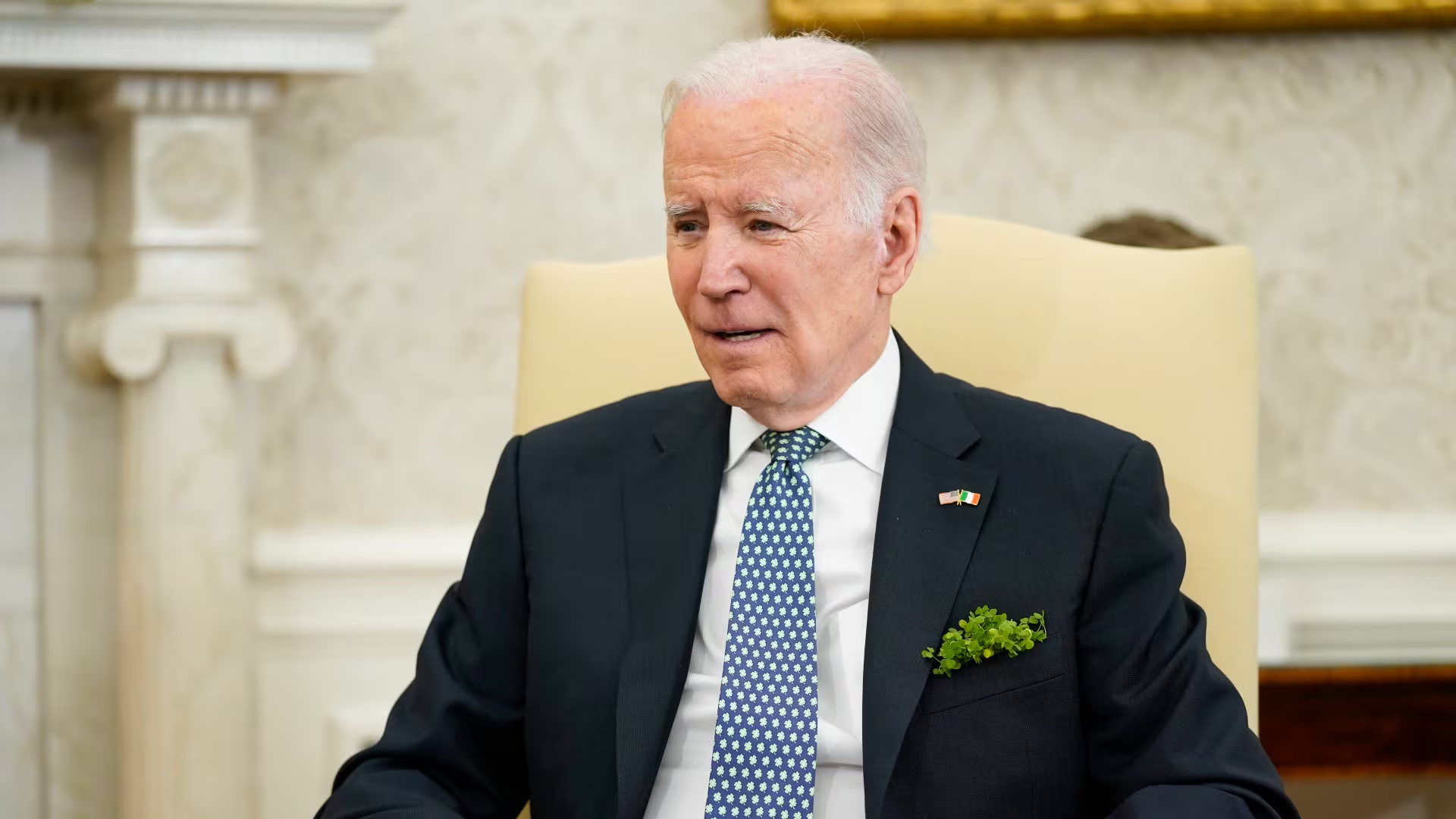
President Joe Biden is hosting Costa Rican President Rodrigo Chavez at the White House.
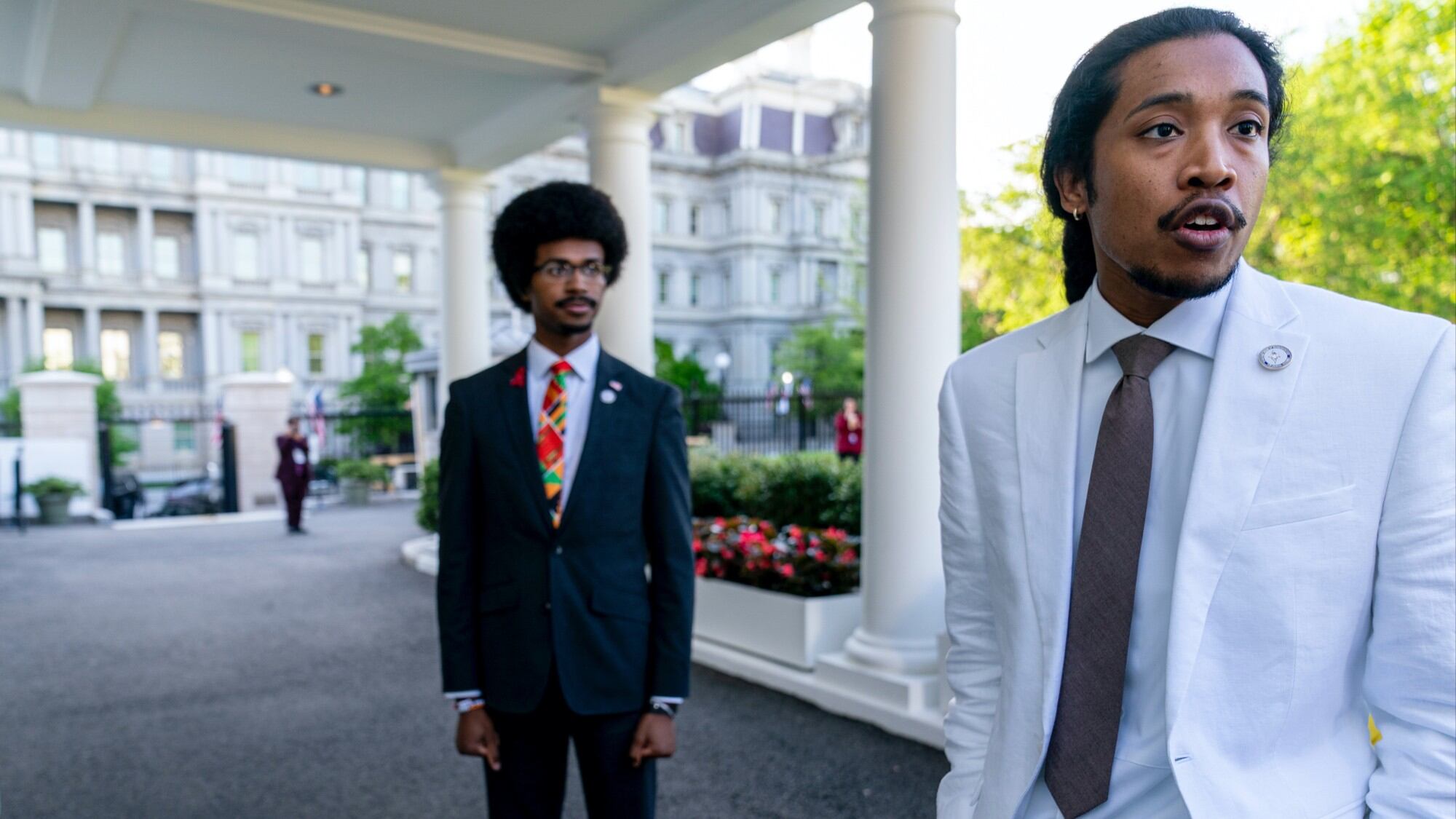
Republican lawmakers voted to temporarily silence a member of the so-called 'Tennessee Three' during a House session on Monday.
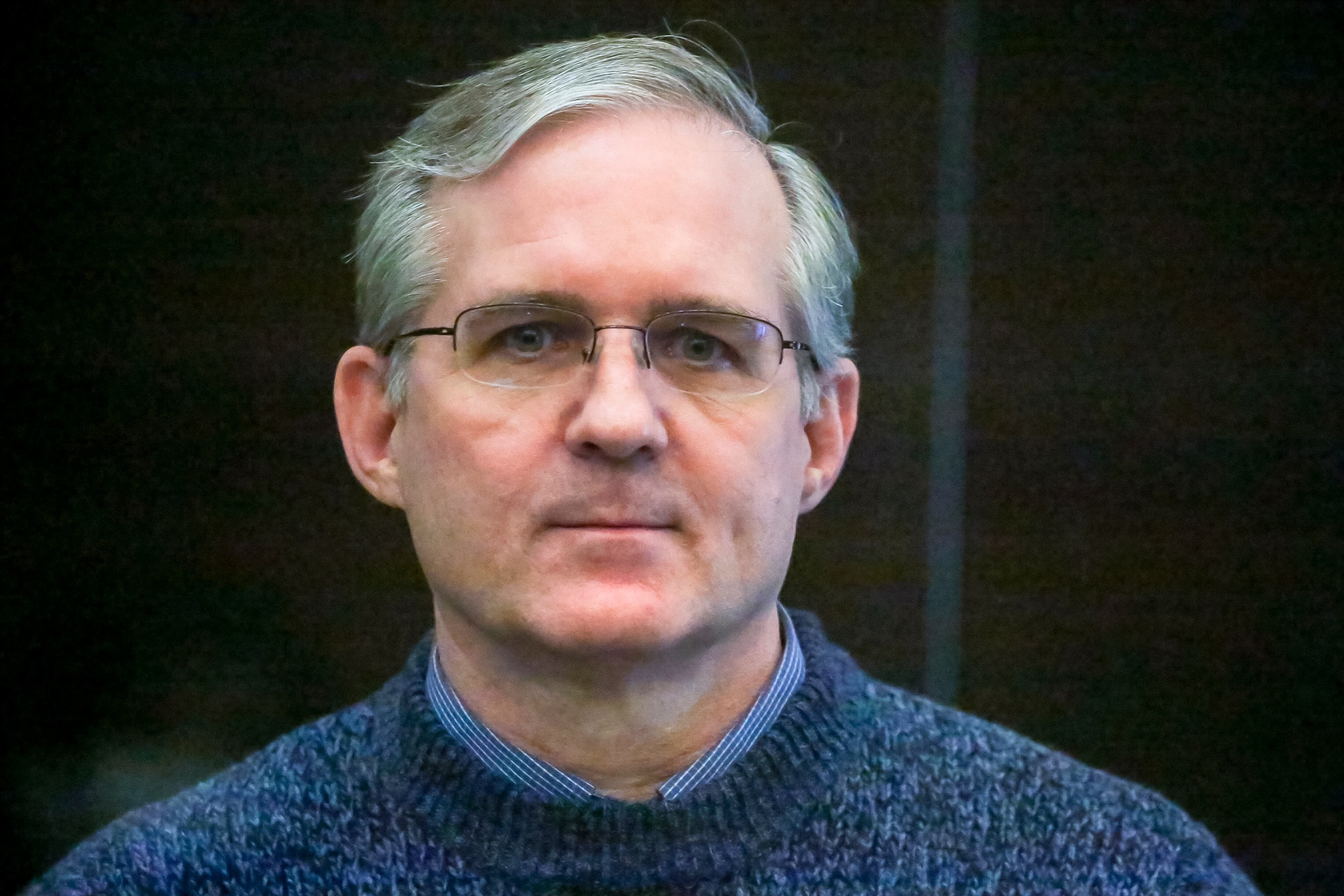
New video showed detained American Paul Whelan inside a Russian prison camp.
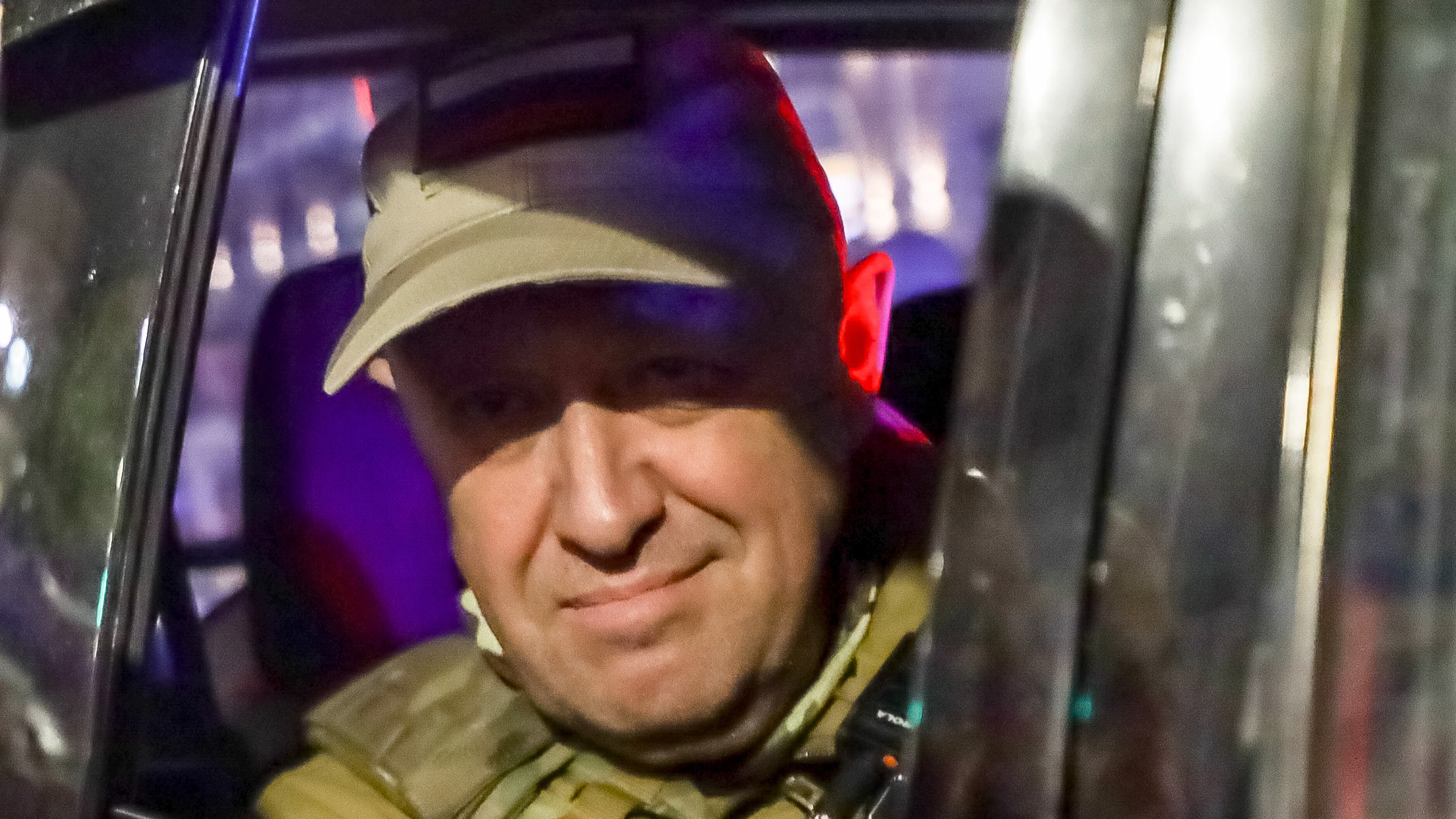
Russian President Vladimir Putin will not attend mercenary chief Yevgeny Prigozhin's funeral, according to the Kremlin.
The Biden administration is targeting the blood thinner Eliquis, diabetes treatment Jardiance and eight other medications for Medicare's first-ever drug price negotiations as it seeks to lower medical costs for Americans.
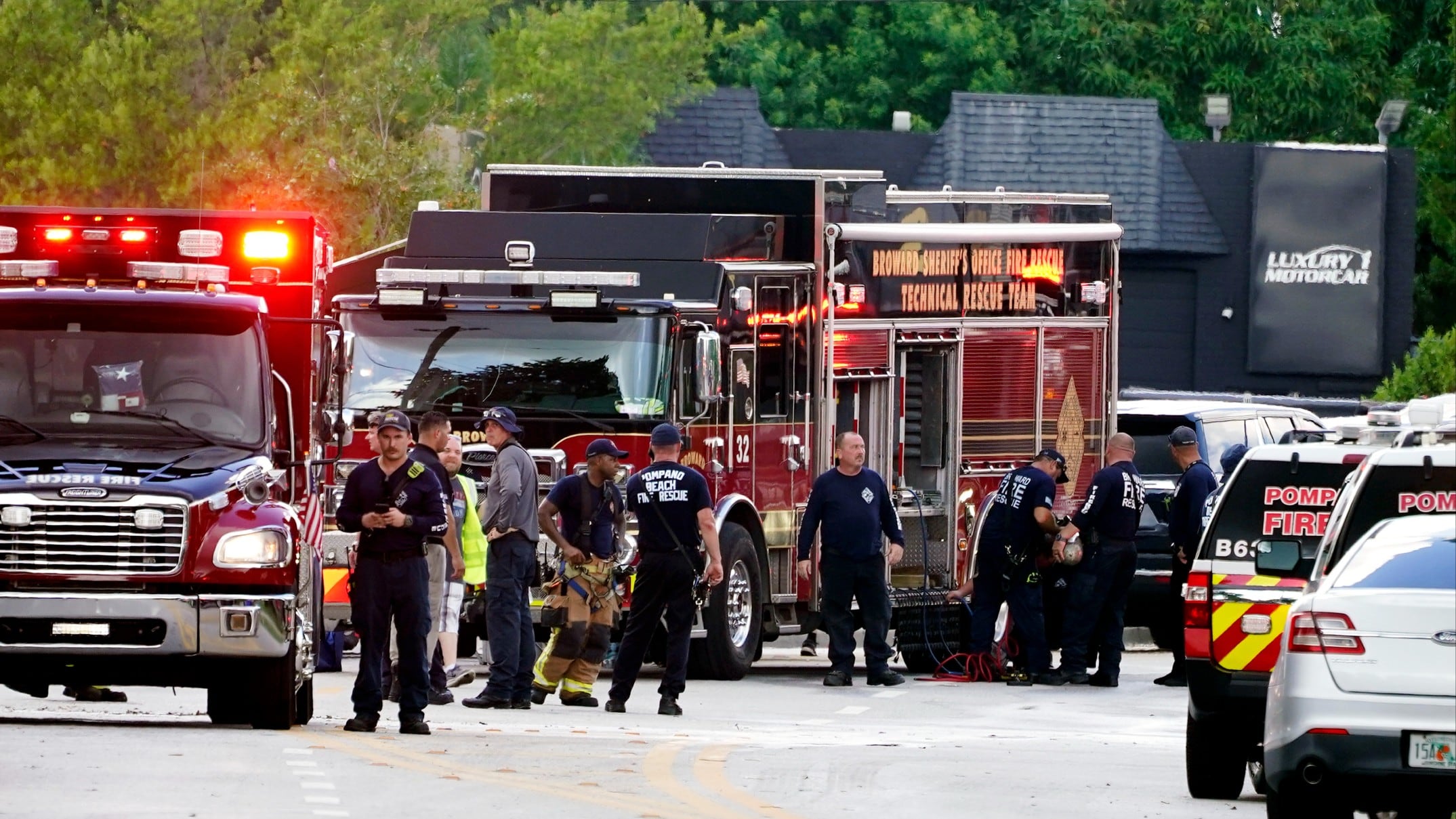
A medical rescue helicopter caught fire and broke apart shortly after takeoff Monday before crashing into an apartment complex near Fort Lauderdale, killing a paramedic captain on board and a resident on the ground, authorities said.
A report showed that 2022 saw a record number of requests to ban books at U.S. public schools.
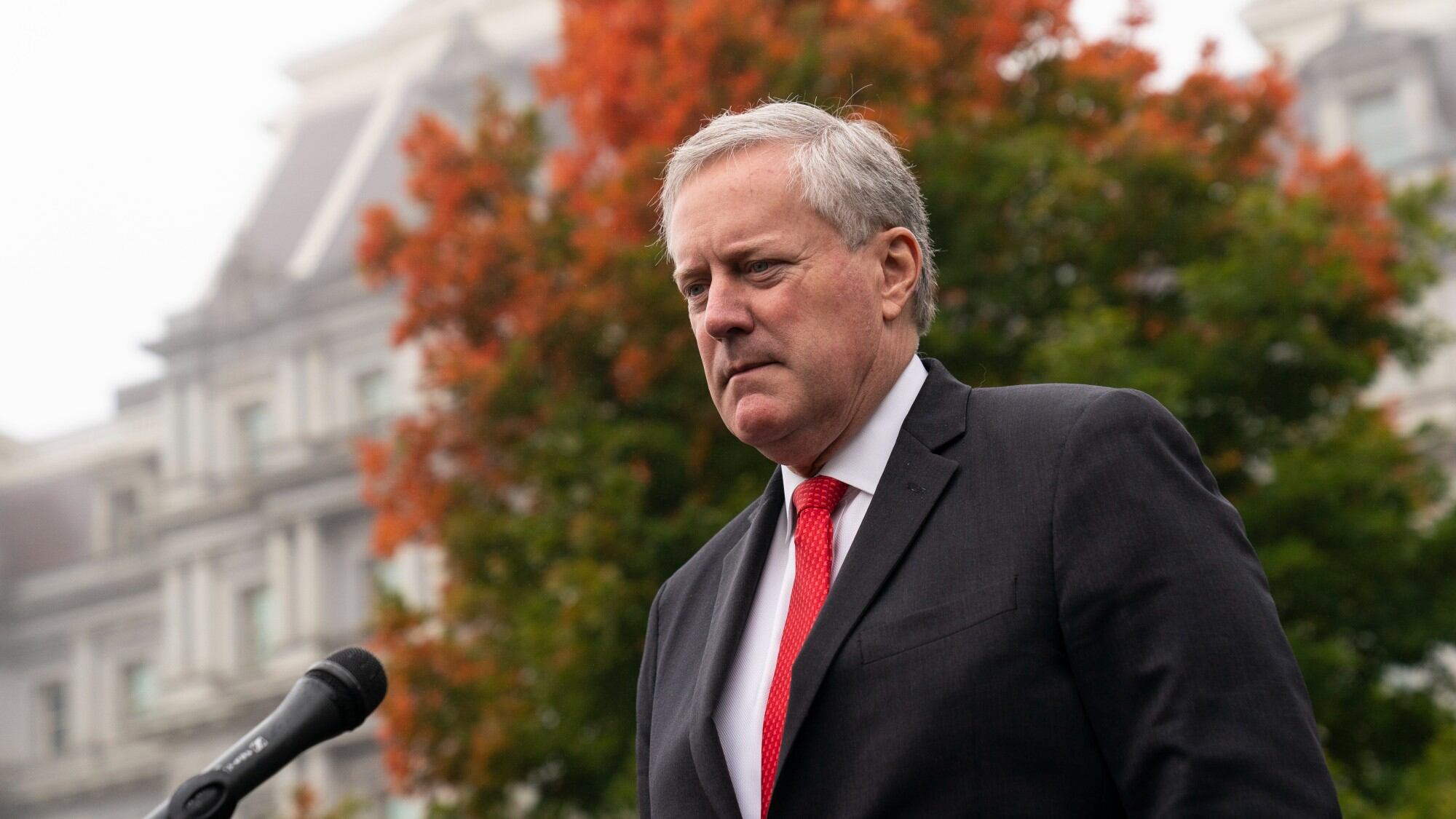
A federal judge heard arguments on whether to move the case for Mark Meadows to federal court from state.
Former President Donald Trump and the 18 people indicted along with him in Georgia are scheduled to be arraigned next week on charges they participated in a wide-ranging illegal scheme to overturn the results of the 2020 election.