By Kevin Freking and Lisa Mascaro
Senate Majority Leader Chuck Schumer sought to speed up consideration of a nearly $1 trillion bipartisan infrastructure package Monday, promising that Democrats would work with Republicans to put together amendments. GOP senators cautioned that they needed time to digest the massive bill.
Formally the Infrastructure Investment and Jobs Act, the proposal clocked in at some 2,700 pages late Sunday after a hurry-up-and-wait rare weekend session. The final product was not intended to stray from the broad outline a bipartisan group of senators had negotiated for weeks with the White House. Schumer has said a final vote could be held “in a matter of days.”
“Let's start voting on amendments," Schumer said as the Senate opened for business on Monday. “The longer it takes to finish the bill, the longer we will be here."
A key part of President Joe Biden’s agenda, the bipartisan bill is the first phase of the president's infrastructure plan. It calls for $550 billion in new spending over five years above projected federal levels — one of the most substantial expenditures on the nation’s roads, bridges, waterworks, broadband and the electric grid in years.
The Republican leader, Sen. Mitch McConnell of Kentucky, will play a key role in the bill's final outcome. So far, he has sided with those voting to allow debate to proceed, but he has not signaled how he will ultimately vote. He described the bill Monday as a “good and important jumping off point" for a robust, bipartisan amendment process. He also warned Democrats against setting “any artificial timetable."
“Infrastructure is exactly the kind of subject that Congress should be able to address across the aisle," McConnell said.
Senators and staff labored behind the scenes for days to write the massive bill. It was supposed to be ready Friday, but by Sunday, even more glitches were caught and changes made.
Late Sunday, most of the 10 senators involved in the bipartisan effort rose on the Senate floor to mark the unveiling of the text.
“We know that this has been a long and sometimes difficult process, but we are proud this evening to announce this legislation,” said Sen. Kyrsten Sinema, D-Ariz., a lead negotiator. The bill showed “we can put aside our own political differences for the good of the country,” she said.
Sen. Rob Portman of Ohio, a Republican negotiator, framed the legislation as something that would help the U.S. better compete with China and would make the “economy more efficient, more productive" after years of struggle getting a public works bill off the ground.
“People have talked about infrastructure in this city forever," Portman said.
Over the long weekend of starts and stops, Schumer repeatedly warned that he was prepared to keep lawmakers in Washington for as long as it took to complete votes on both the bipartisan infrastructure plan and a budget blueprint that would allow the Senate to begin work later this year on a massive, $3.5 trillion social, health and environmental bill.
Republicans counter that they just had a chance to begin fully reviewing the bill late Sunday.
“We shouldn’t sacrifice adequate time on this bill merely because the Democratic leader would like to spend next week jamming a 100% partisan piece of legislation through the United States Senate," said Sen. John Thune of South Dakota.
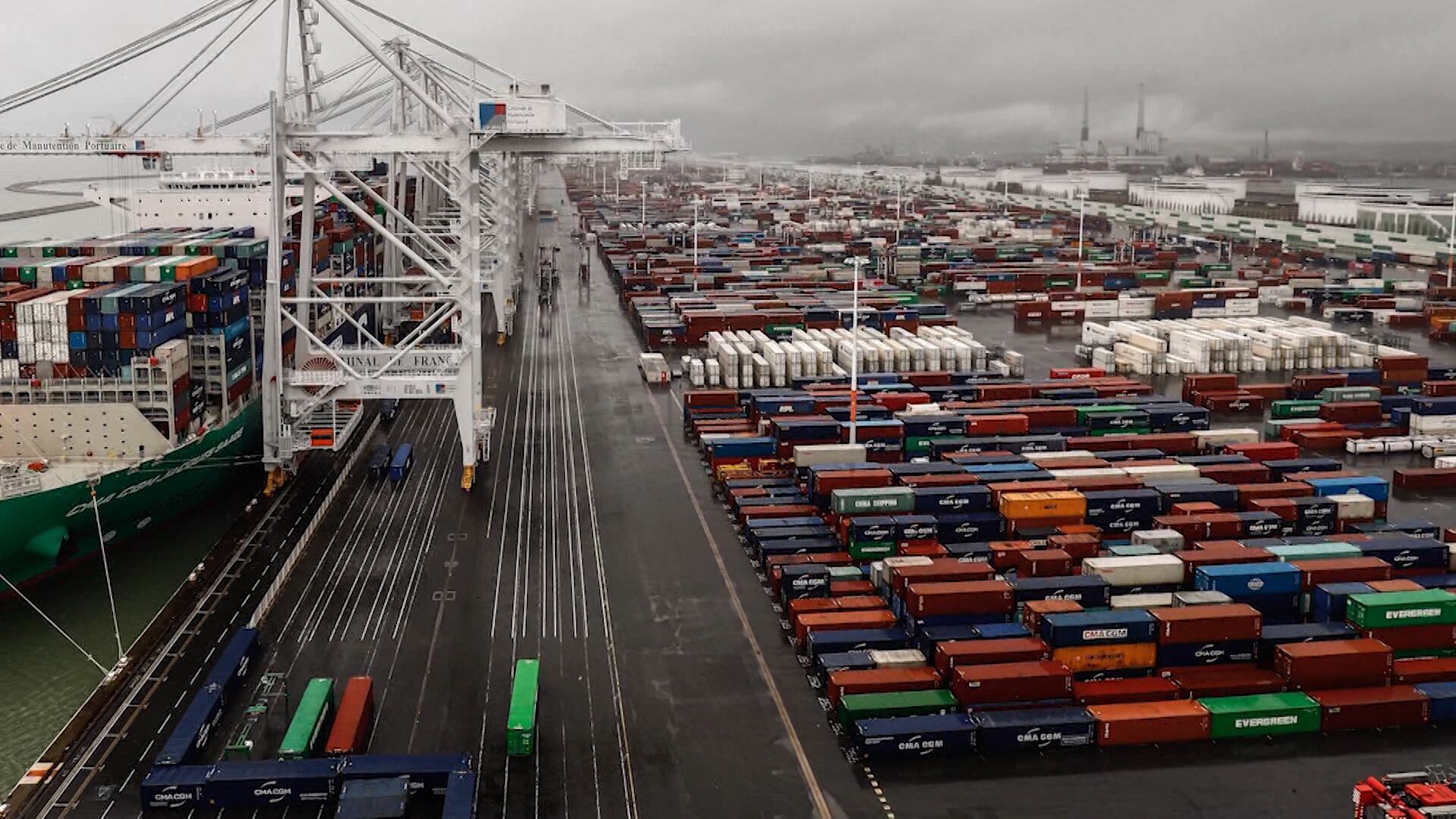
Among the major new investments, the bipartisan package is expected to provide $110 billion for roads and bridges, $39 billion for public transit and $66 billion for rail. There’s also to be $55 billion for water and wastewater infrastructure as well as billions for airports, ports, broadband internet and electric vehicle charging stations.
The spending is broadly popular among lawmakers, bringing long-delayed capital for big-ticket items that cities and states can rarely afford on their own.
Paying for the package has been a challenge after senators rejected ideas to raise revenue from a new gas tax or other streams. Instead, it is being financed from funding sources that might not pass muster with deficit hawks, including repurposing some $205 billion in untapped COVID-19 relief aid, as well as unemployment assistance that was turned back by some states and relying on projected future economic growth.
Some Republicans are wary of another large spending bill after a series of COVID relief measures have boosted the national debt.
"I’ve got real concerns with this bill,” said Sen. Mike Lee, R-Utah.
Bipartisan support from Republican and Democratic senators pushed the process along, and Schumer wanted the voting to be wrapped up before senators left for their August recess.
Last week, 17 GOP senators joined all Democrats in voting to start work on the bill. That support largely held, with McConnell voting yes in another procedural vote to nudge the process along in the 50-50 Senate, where 60 votes are needed to overcome a filibuster and advance legislation.
Whether the number of Republican senators willing to pass the bill grows or shrinks in the days ahead will determine if the president’s signature issue can make it across the finish line.
The bipartisan bill still faces a rough road in the House, where progressive lawmakers want a more robust package but may have to settle for this one to keep Biden’s infrastructure plans on track.
The outcome with the bipartisan effort will set the stage for the next debate over Biden’s much more ambitious $3.5 trillion package, a strictly partisan pursuit of far-reaching programs and services including child care, tax breaks and health care that touch almost every corner of American life. Republicans strongly oppose that bill, which would require a simple majority for passage. Final votes on that measure are not expected until fall.
Updated on August 2, 2021, at 3:38 p.m. ET with the latest details.