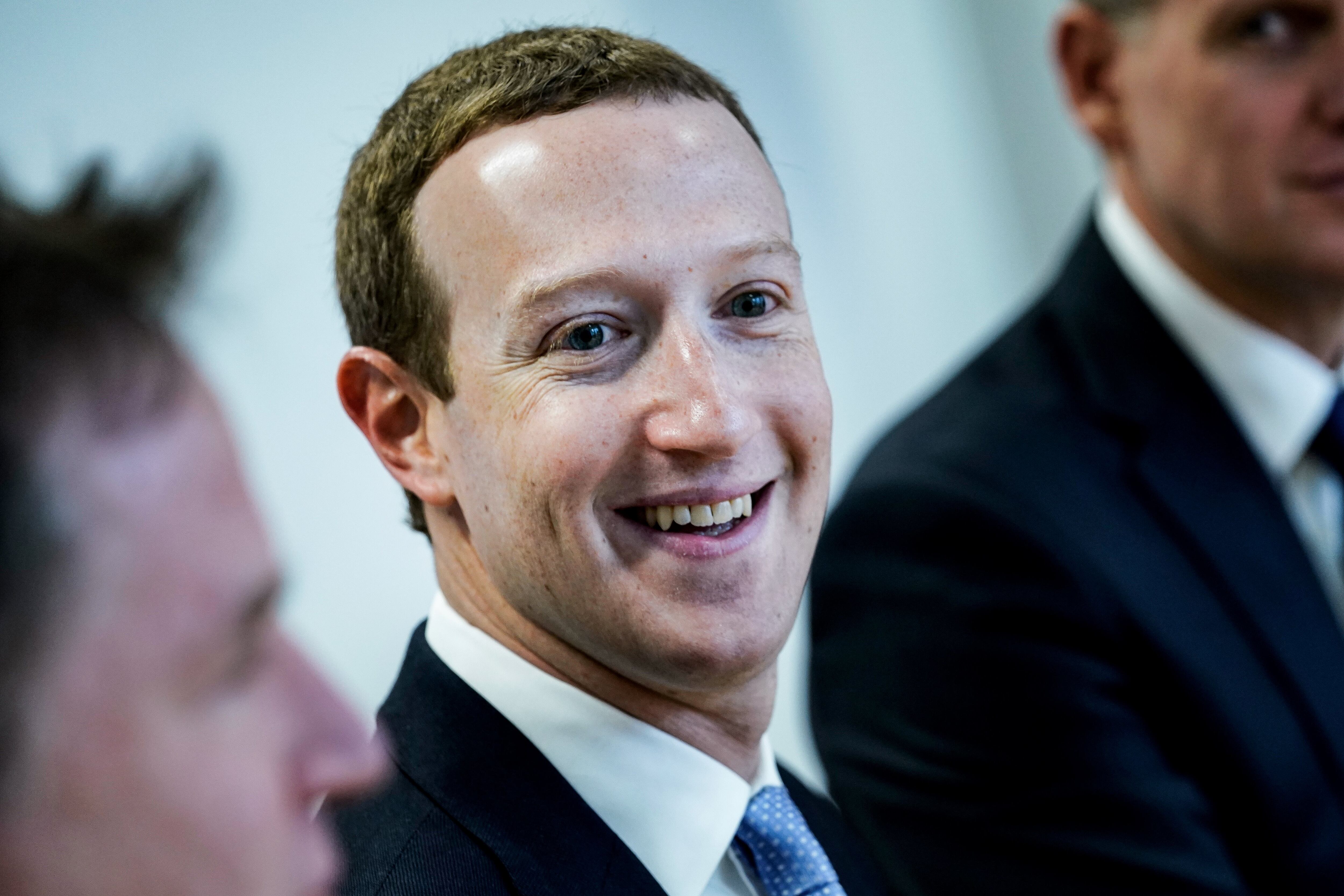
Founder and CEO of US online social media and social networking service Facebook Mark Zuckerberg. Photo by KENZO TRIBOUILLARD/AFP via Getty Images/FILE)
Mark Zuckerberg and his wife Priscilla Chan have donated $25 million through their foundation to a philanthropic effort organized by Bill Gates to explore new coronavirus treatments.
The Gates Foundation donated $50 million last week to what it’s calling the “COVID-19 Therapeutics Accelerator.” The initiative brings together life sciences companies to collaborate on the development of new vaccines, diagnostics, and treatments for COVID-19.
“The Therapeutics Accelerator will enable researchers to quickly determine whether or not existing drugs have a potential benefit against COVID-19,” Chan and Zuckerberg said in a press release. “We hope these coordinated efforts will help stop the spread of COVID-19 as well as provide shared, reusable strategies to respond to future pandemics.”
The two donations are the largest from tech billionaires since the coronavirus outbreak. Wellcome and Mastercard are supporting the effort as well.
The goal of the initiative is to either develop a new drug or adapt an existing treatment that it could help distribute alongside partnering pharmaceutical companies.
The 15 companies participating in the project kicked off the effort by sharing their proprietary libraries of molecular compounds that have some history of being tested with COVID-19.
The lineup includes big names in biotech such as Johnson & Johnson, Merck, Pfizer, Sanofi, and Bristol-Myers Squibb.
AT&T and Verizon say they will delay some new 5G wireless service after the airline industry raised alarms about potential interference with important systems on planes.
GreenPower Motor Company CEO Fraser Atkinson joined Cheddar News to discuss Gov. Jim Justice's plan for West Virginia to reduce carbon emissions in 2022 by adding a school bus fleet of B.E.A.S.T.s — or battery-electric automated school transportation. Atkinson discussed why the state was perfect for manufacturing electric buses, and the economic impact its facilities will have on the region. He also noted a health impact the new vehicles could have, citing research that children from kindergarten to sixth grade are most at risk for cancers and respiratory illnesses due to exhaust pollution.
Two of the biggest names in crypto had a public spat this week over whether stablecoin issuers should have to reveal to the general public what's in their reserves.
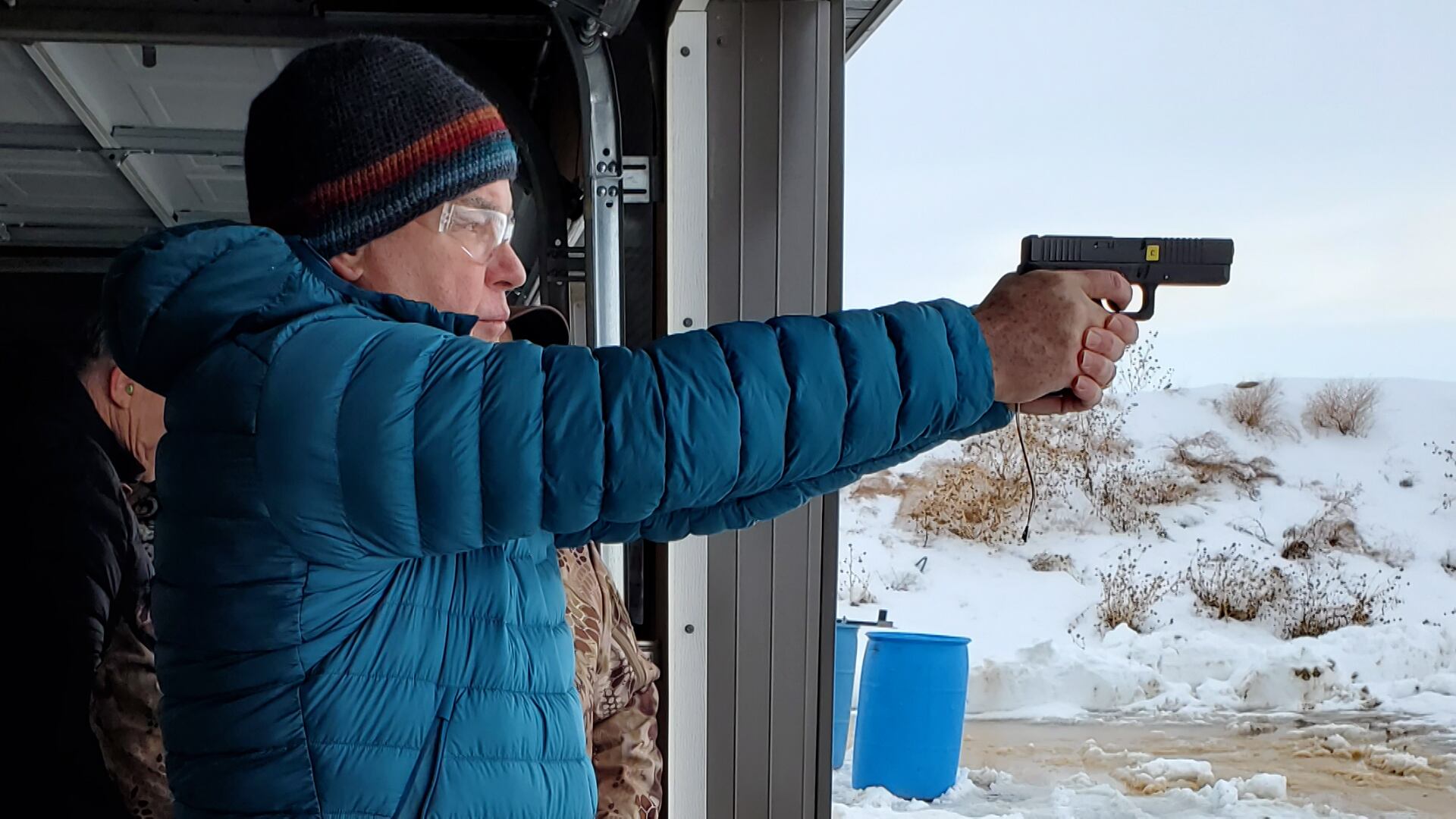
Amid a rise in gun-related deaths in 2021, a smart technology solution is being touted to help personalize and secure the use of firearms for owners in hopes of preventing unauthorized use and accidents. Gareth Glaser, president and CEO of LodeStar Works talked with Cheddar about adding fingerprint or smart tech locks to its 9mm handgun as a way of addressing the deadly issue without a partisan viewpoint. "We felt a technical solution would be the best way to go," Glaser said. "It's nonpolitical, and it actually addresses the product itself as opposed to a cultural issue."
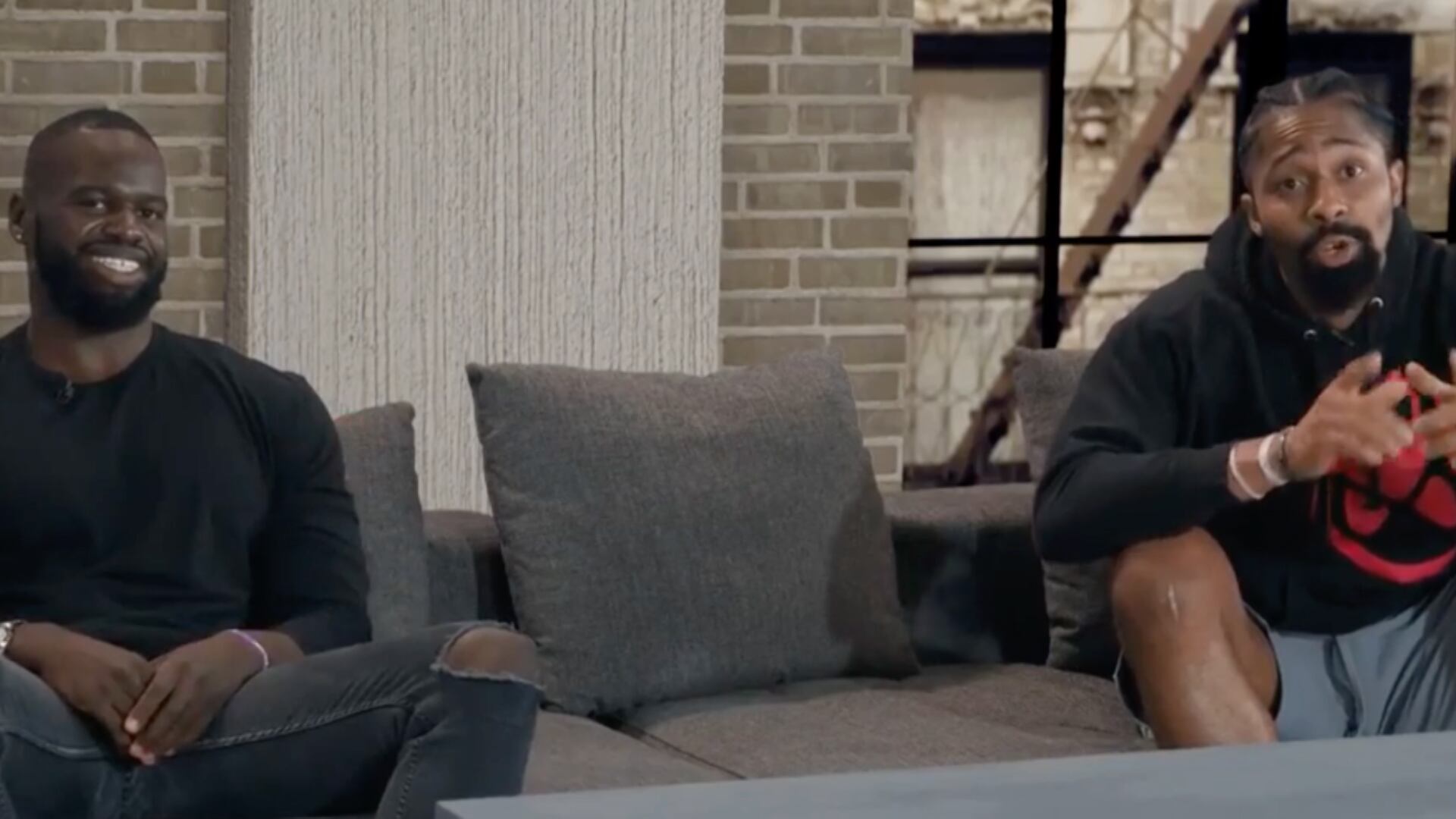
As the cryptocurrency and digital asset space continues to evolve and grow, one podcast launching on Spotify's new video podcast platform aims to inform listeners about the various uses and developments in the crypto world. 'New Money' features guests from the entertainment and sports worlds discussing building wealth in the crypto space, creating NFTs, working on digital contracts, and more. Solo Ceesay, co-host of the 'New Money' podcast and co-founder of creator-focused social media platform Calaxy, joins Cheddar News' Closing Bell to discuss what the podcast will explore, its guest lineup, how they verify content amid broader crypto speculation, and more.
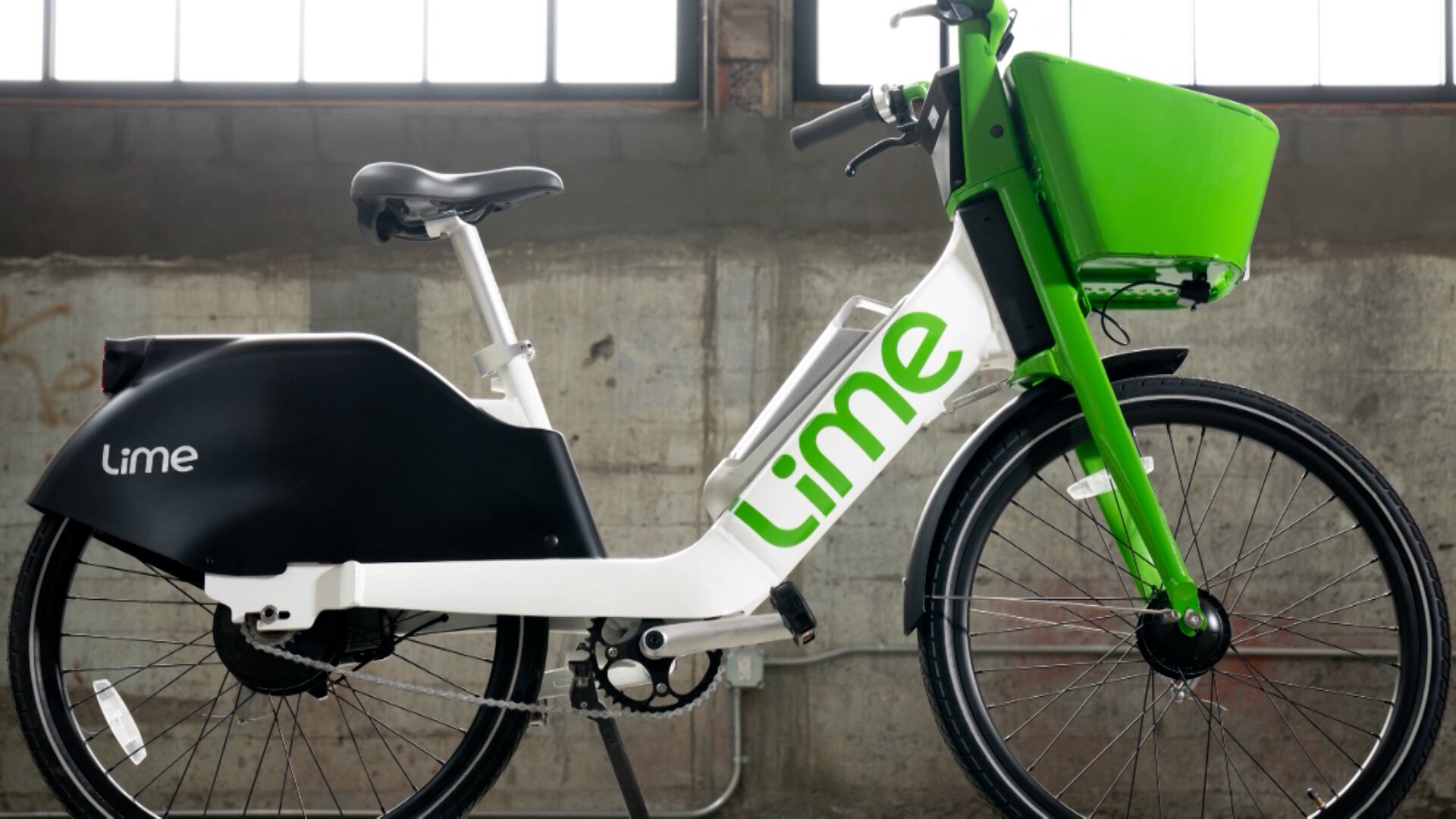
Lime is celebrating the launch of its latest electric bike in Washington, DC, this week, with more cities joining in this spring. The Gen4 e-bike boasts a new look, a more powerful motor, and a battery that's interchangeable with the Gen4 e-scooter. CEO Wayne Ting joined Cheddar to discuss the company's investment in electric bikes and the potential role of micromobility in the metaverse. "I think it would be incredible as a way to teach people to live greener, if there are worlds out there, metaverses out there, where the way you go faster in that world is if you take a bike and a scooter," he said. "So, you're teaching people better behavior as part of their virtual world as well."
Microsoft has discontinued the Xbox One as it looks to focus on ramping up production for its current Xbox Series S and Xbox Series X. The Xbox One first hit the market in November 2013.
Alfred Griffin, the CEO and Co-Founder of LightForce, joins Cheddar Innovates to discuss how 3D printing is making braces more affordable and personalized, and what this means for the future of orthodontics.
Alex Garden, Chairman and CEO at Zume, joins Cheddar Innovates to discuss how individuals can take steps to end their reliance on plastic, and Zume's partnership with global robotics company ABB to put sustainability at the forefront.