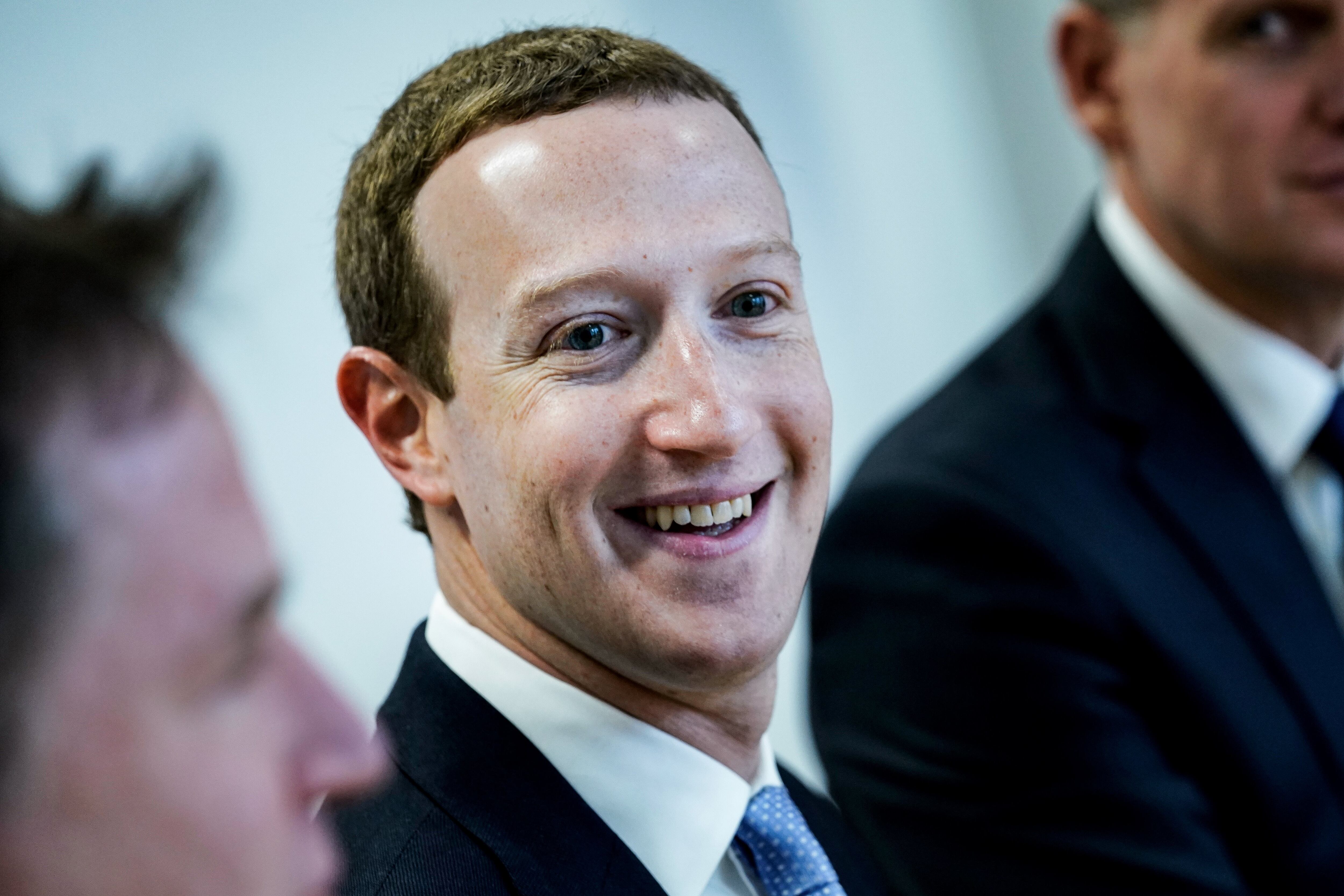
Mark Zuckerberg and his wife Priscilla Chan have donated $25 million through their foundation to a philanthropic effort organized by Bill Gates to explore new coronavirus treatments.
The Gates Foundation donated $50 million last week to what it’s calling the “COVID-19 Therapeutics Accelerator.” The initiative brings together life sciences companies to collaborate on the development of new vaccines, diagnostics, and treatments for COVID-19.
“The Therapeutics Accelerator will enable researchers to quickly determine whether or not existing drugs have a potential benefit against COVID-19,” Chan and Zuckerberg said in a press release. “We hope these coordinated efforts will help stop the spread of COVID-19 as well as provide shared, reusable strategies to respond to future pandemics.”
The two donations are the largest from tech billionaires since the coronavirus outbreak. Wellcome and Mastercard are supporting the effort as well.
The goal of the initiative is to either develop a new drug or adapt an existing treatment that it could help distribute alongside partnering pharmaceutical companies.
The 15 companies participating in the project kicked off the effort by sharing their proprietary libraries of molecular compounds that have some history of being tested with COVID-19.
The lineup includes big names in biotech such as Johnson & Johnson, Merck, Pfizer, Sanofi, and Bristol-Myers Squibb.
Tesla Inc. has posted record fourth-quarter and full-year earnings as deliveries of its electric vehicles soared despite a global shortage of computer chips.
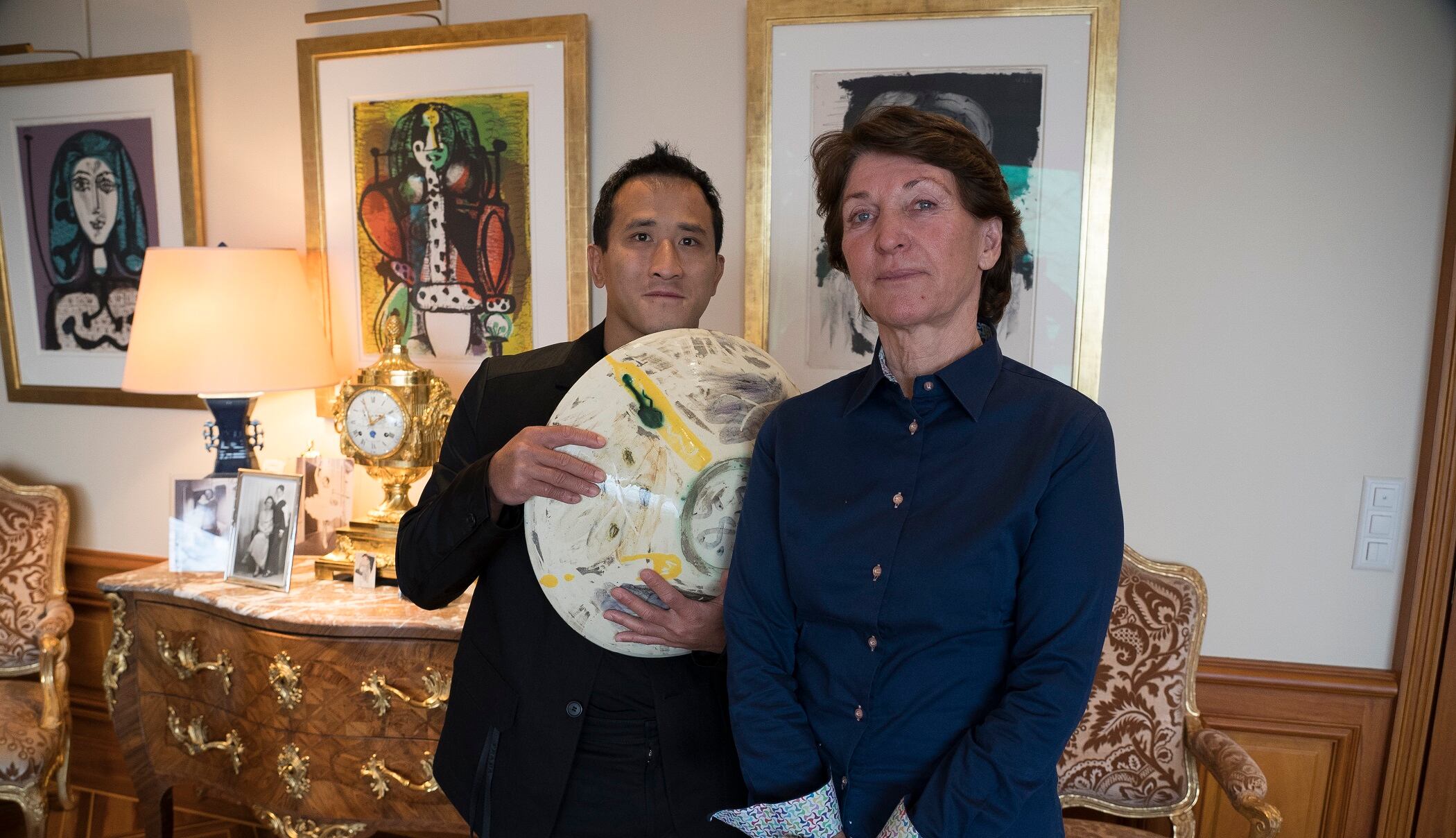
Heirs of Pablo Picasso, the famed 20th-century Spanish artist, are vaulting into 21st-century commerce by selling 1,010 digital art pieces of one of his ceramic works that has never before been seen publicly.
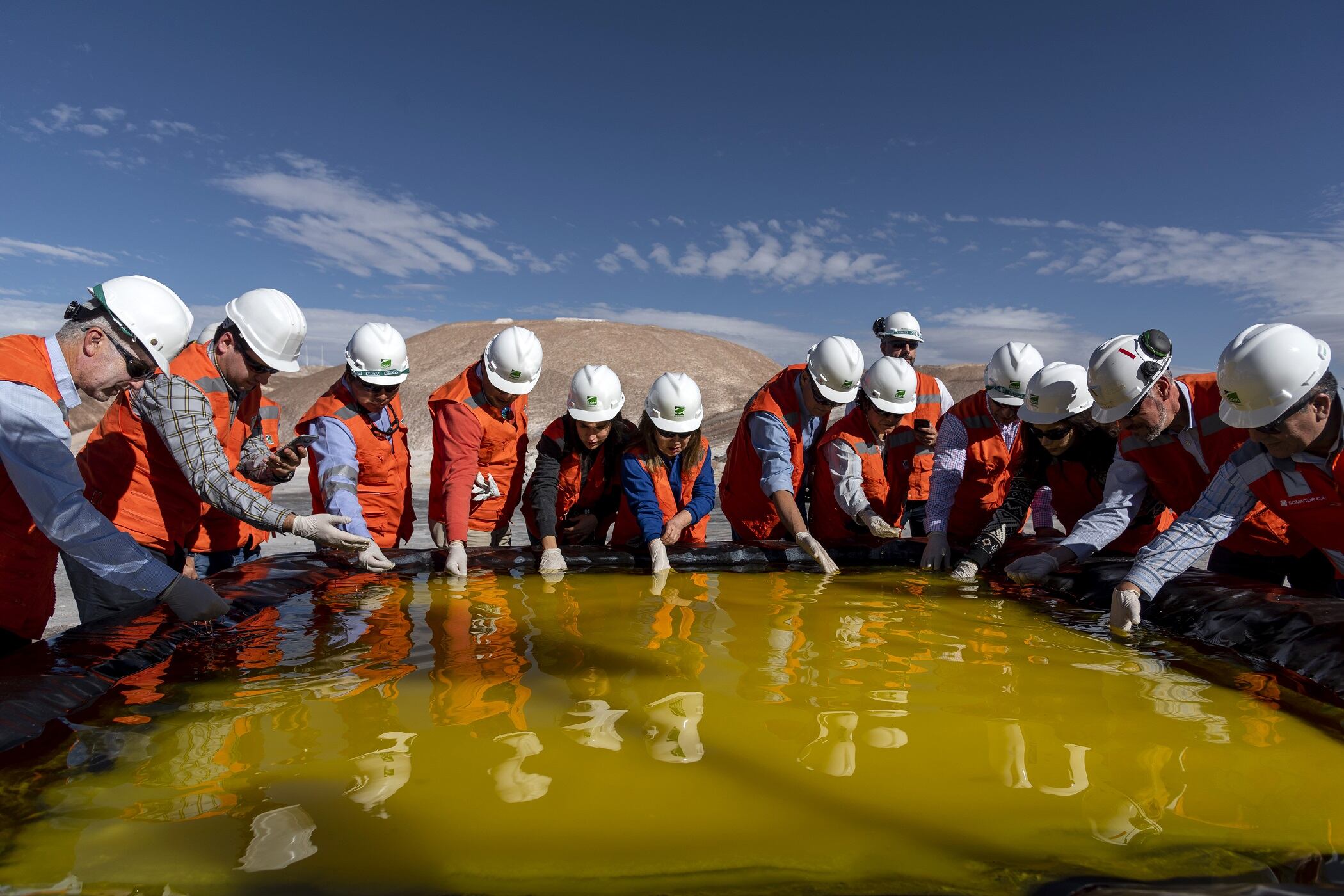
Arguably the biggest challenge to the rise of electric vehicles is their outsized demand for rare earth minerals. Cheddar's Alex Vuocolo does a deep dive into the struggle over securing supply chains for a green tech future.
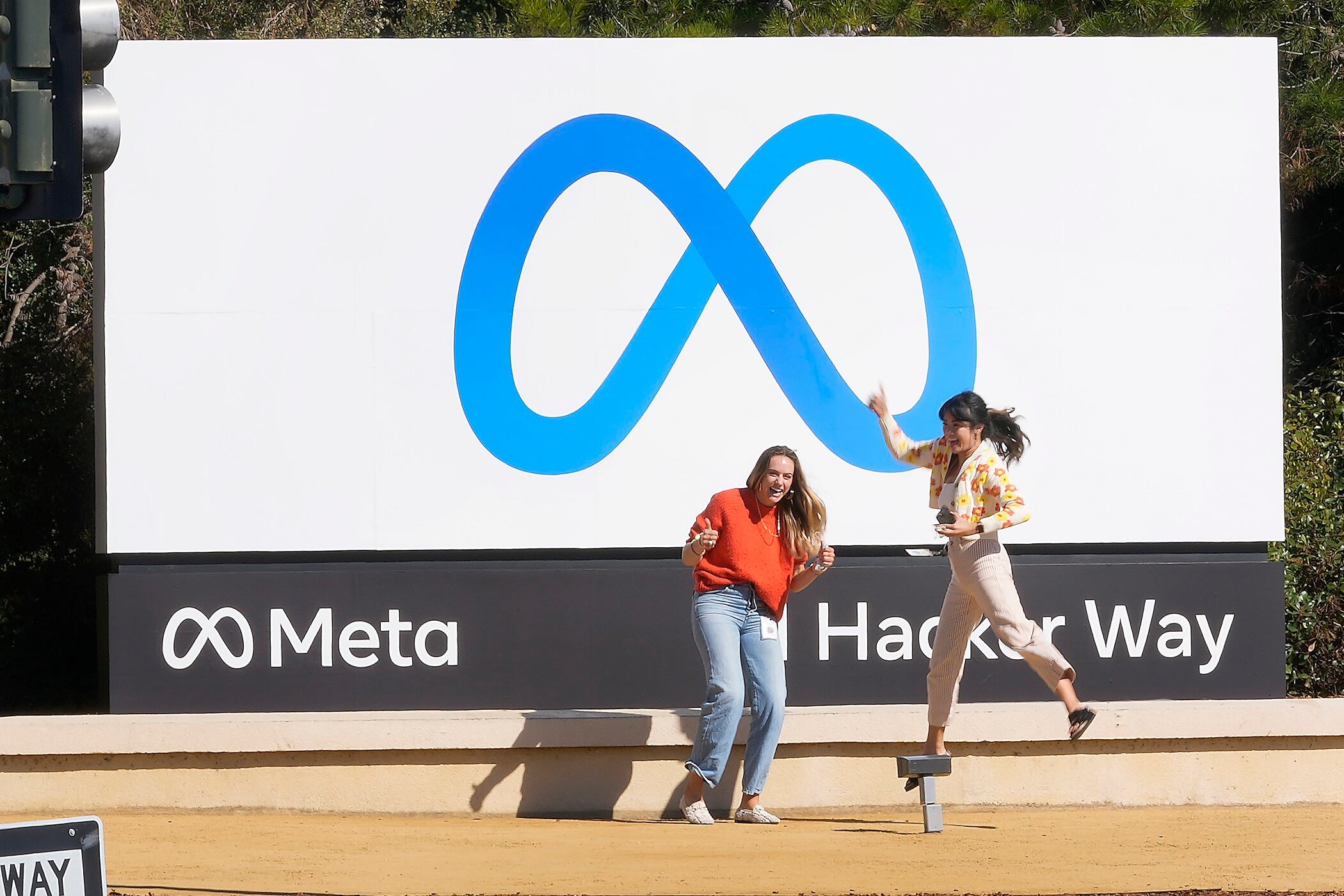
Facebook's parent company Meta says it has created what it believes is among the fastest artificial intelligence supercomputers running today.
The administrators of the SAT say the exam will move from paper and pencil to a digital format.
They say life is about the journey, not the destination — and how you get there makes all the difference. Americans shunned train stations, roadways, and airports amid the coronavirus pandemic, never realizing things could be fundamentally different when they return. In this episode, we're exploring the evolving world of transportation, from how we get around to how goods get to us.
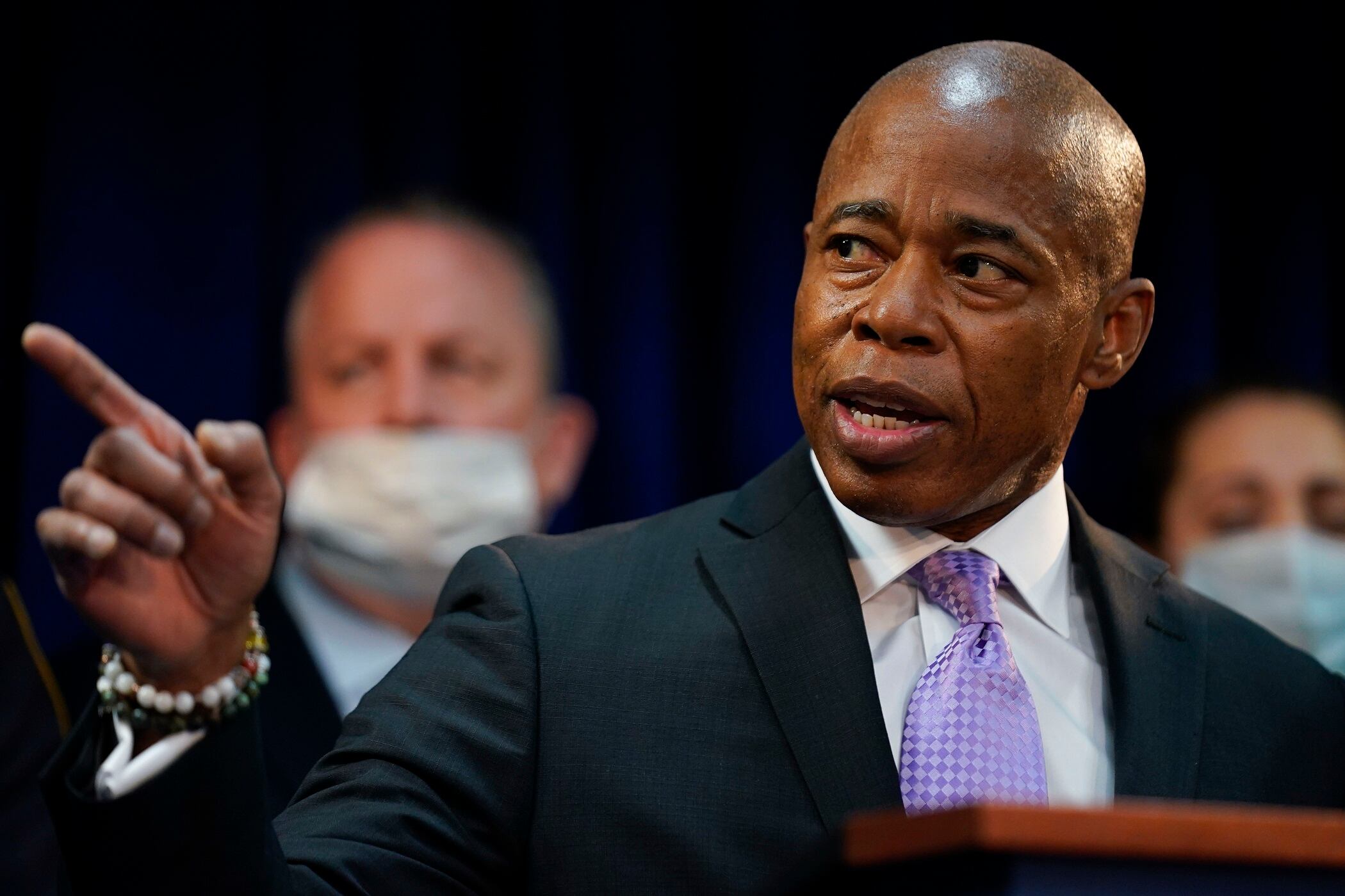
New York City Mayor Eric Adams plans to convert his first paycheck this week into two cryptocurrencies.
Intel will invest $20 billion in a new computer chip facility in Ohio amid a global shortage of microprocessors used in everything from phones and cars to video games.
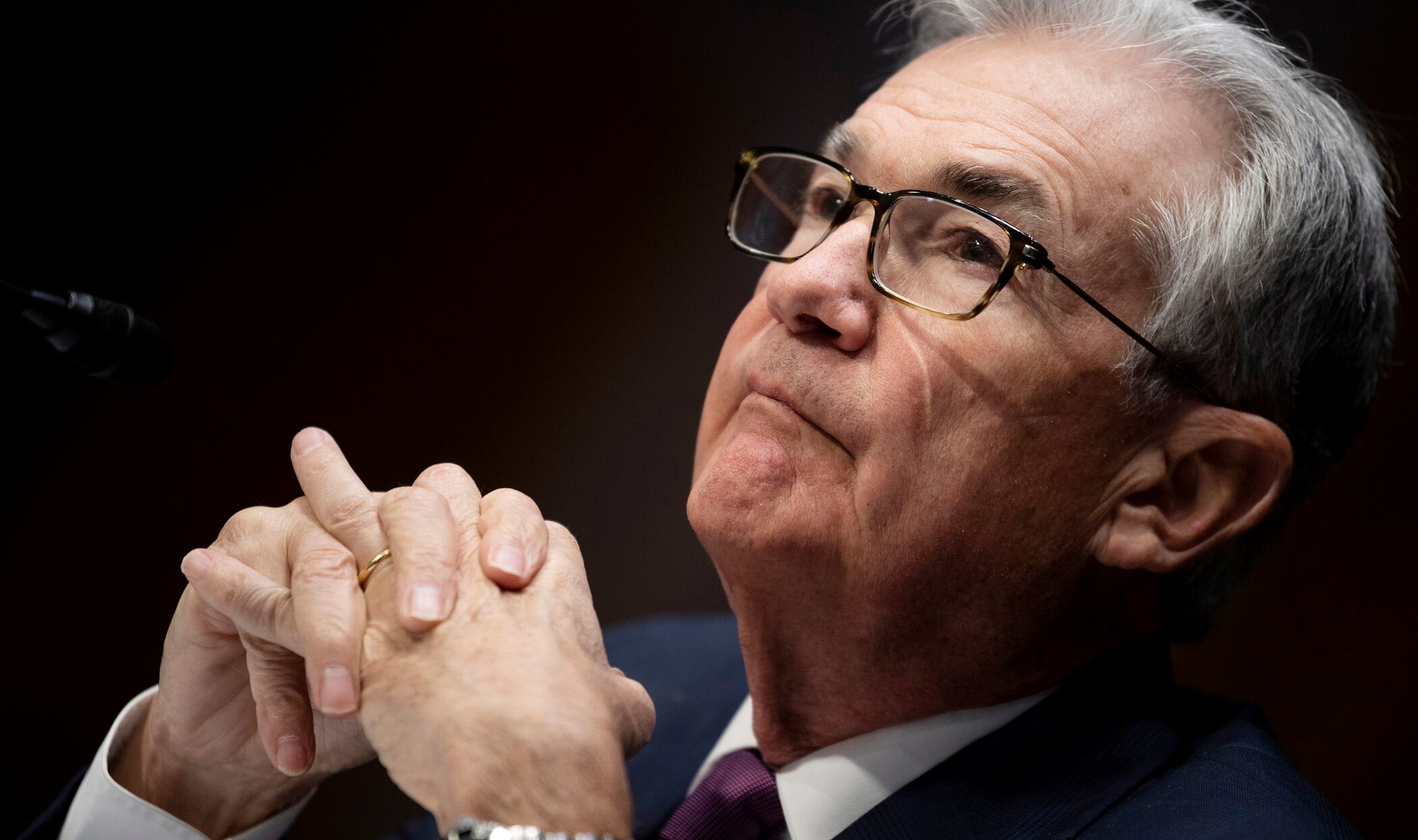
The 40-page paper was widely seen as the first step in doing just that, but the document provides only partial hints as to if the Fed is supportive of a central bank digital currency.
The People's Bank of China (PBOC) announced on Tuesday that 261 million individuals, or about a fifth of the country's population, have now set up digital yuan wallets.