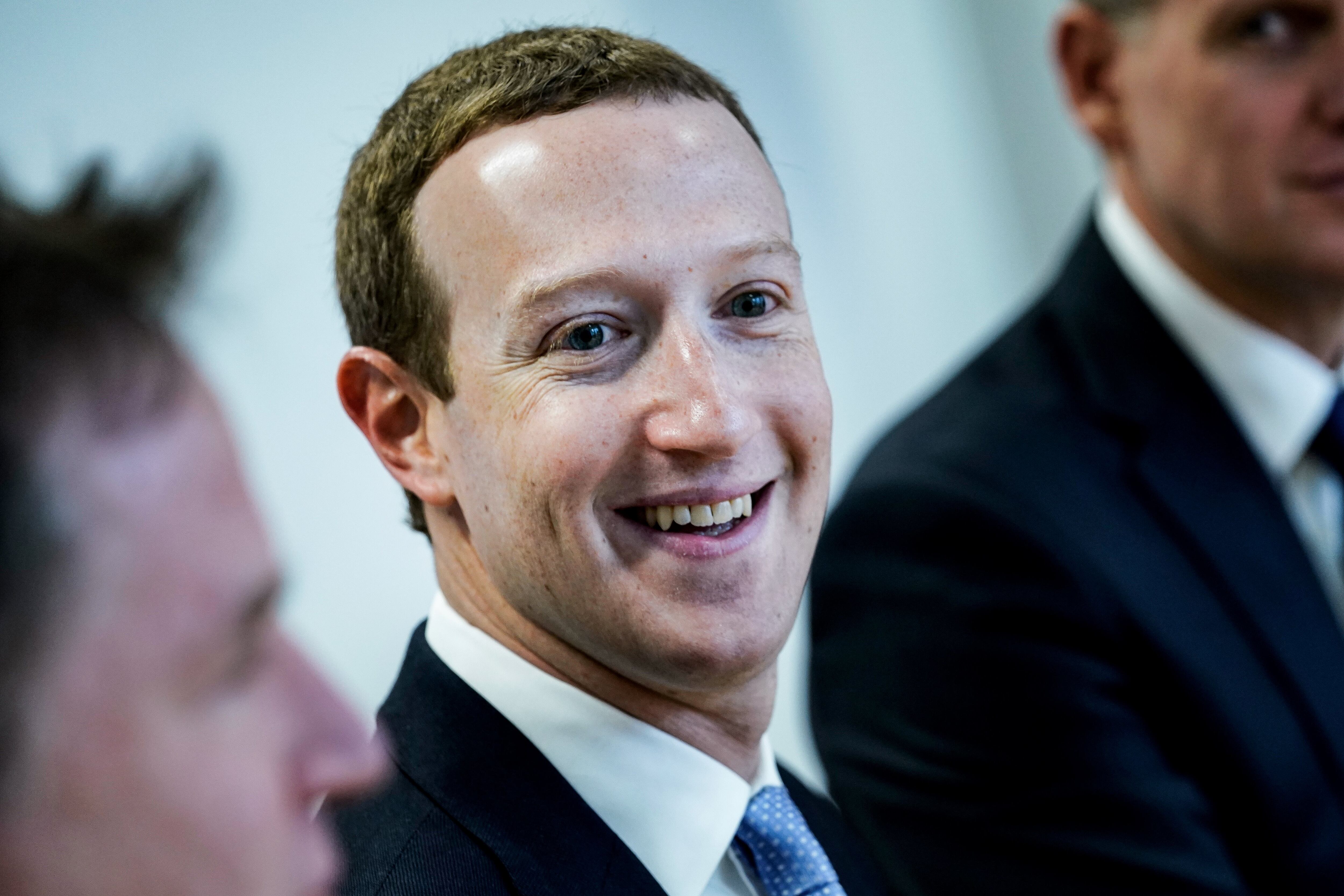
Founder and CEO of US online social media and social networking service Facebook Mark Zuckerberg. Photo by KENZO TRIBOUILLARD/AFP via Getty Images/FILE)
Mark Zuckerberg and his wife Priscilla Chan have donated $25 million through their foundation to a philanthropic effort organized by Bill Gates to explore new coronavirus treatments.
The Gates Foundation donated $50 million last week to what it’s calling the “COVID-19 Therapeutics Accelerator.” The initiative brings together life sciences companies to collaborate on the development of new vaccines, diagnostics, and treatments for COVID-19.
“The Therapeutics Accelerator will enable researchers to quickly determine whether or not existing drugs have a potential benefit against COVID-19,” Chan and Zuckerberg said in a press release. “We hope these coordinated efforts will help stop the spread of COVID-19 as well as provide shared, reusable strategies to respond to future pandemics.”
The two donations are the largest from tech billionaires since the coronavirus outbreak. Wellcome and Mastercard are supporting the effort as well.
The goal of the initiative is to either develop a new drug or adapt an existing treatment that it could help distribute alongside partnering pharmaceutical companies.
The 15 companies participating in the project kicked off the effort by sharing their proprietary libraries of molecular compounds that have some history of being tested with COVID-19.
The lineup includes big names in biotech such as Johnson & Johnson, Merck, Pfizer, Sanofi, and Bristol-Myers Squibb.
Consolidation has been transforming the industry for at least the past two years, but much of the activity was happening in the background. That all changed in the past month.
From Wall Street to Silicon Valley, these are the top stories that moved markets and had investors, business leaders, and entrepreneurs talking this week on Cheddar.
For Meta, the sell-off marks another failed attempt by the social media giant to reinvent its core business model. What it means for other stablecoin projects, however, is still an open question.
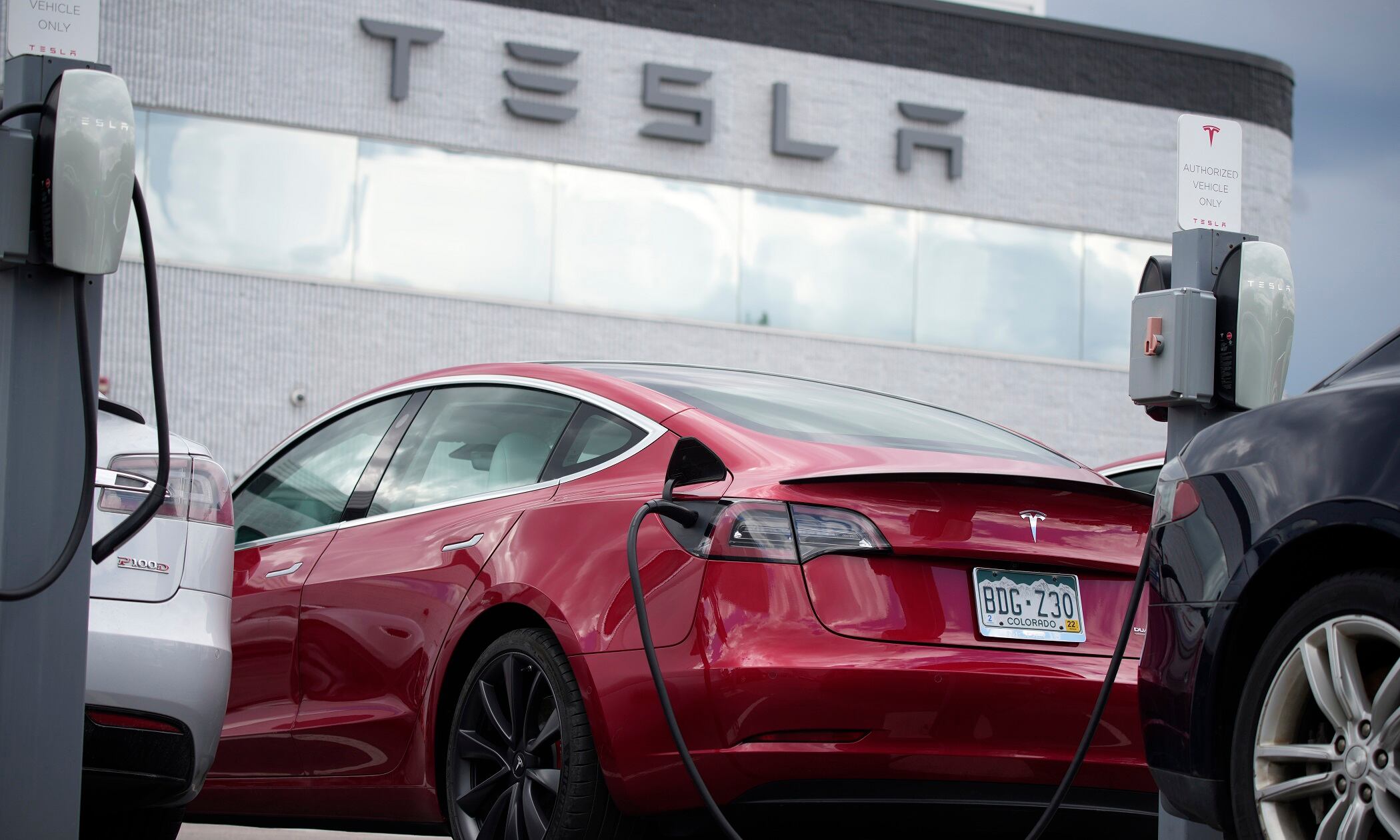
Tesla is recalling nearly 54,000 vehicles because their “Full Self-Driving” software lets them roll through stop signs without coming to a complete halt.
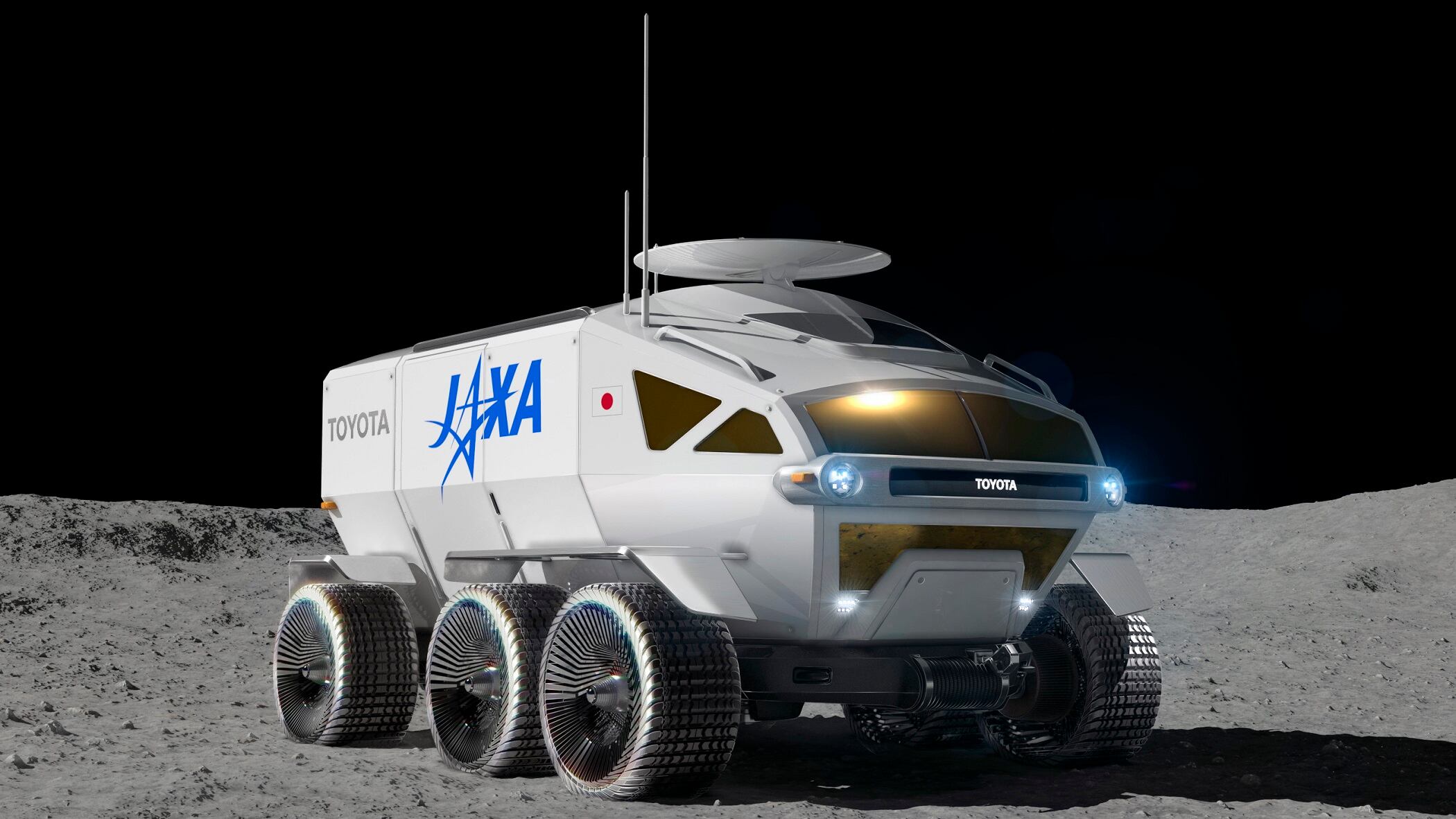
Toyota says it's working with Japan’s space agency on a vehicle to explore the lunar surface, with ambitions to help people live on the moon by 2040 and eventually live on Mars.
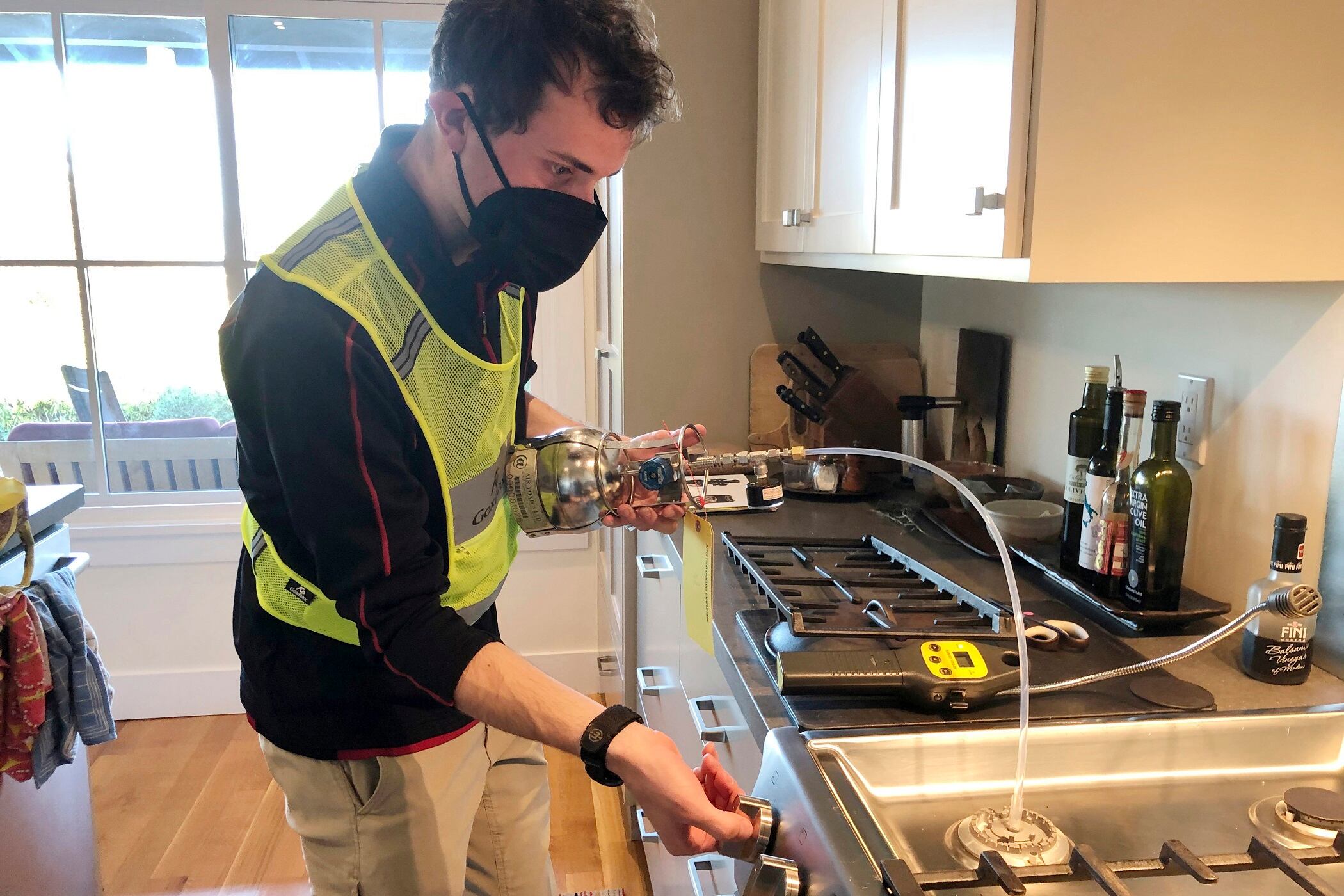
The study by California researchers that was published in Thursday’s journal Environmental Science & Technology found that more than 2.6 million tons of methane leaks into the air from gas stoves in the United States even when they aren't running.
Despite wild fluctuations and increasing competition from other canine-themed coins such as Shiba Inu and Dogelon Mars, Dogecoin has held onto the top spot of meme coins.