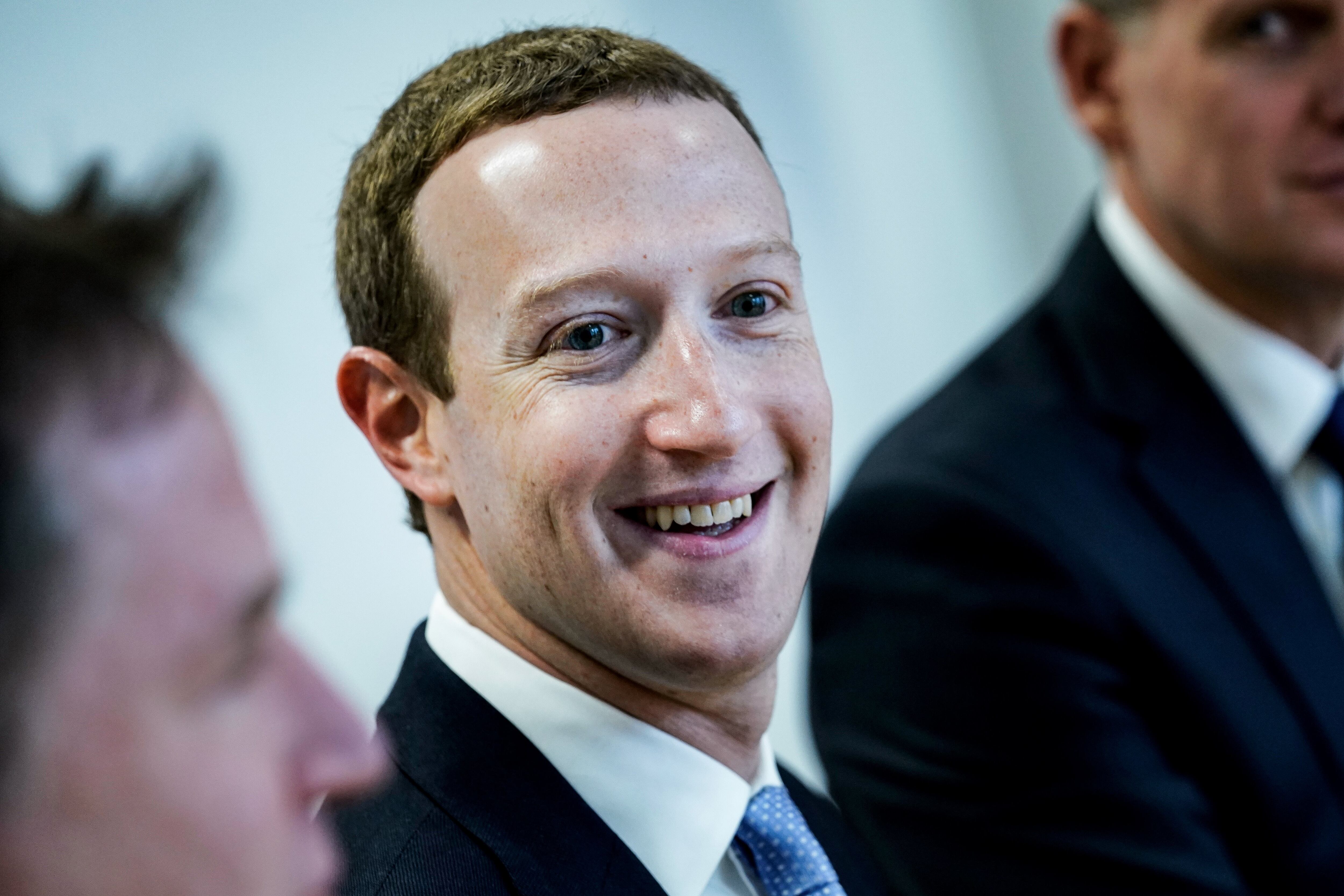
Mark Zuckerberg and his wife Priscilla Chan have donated $25 million through their foundation to a philanthropic effort organized by Bill Gates to explore new coronavirus treatments.
The Gates Foundation donated $50 million last week to what it’s calling the “COVID-19 Therapeutics Accelerator.” The initiative brings together life sciences companies to collaborate on the development of new vaccines, diagnostics, and treatments for COVID-19.
“The Therapeutics Accelerator will enable researchers to quickly determine whether or not existing drugs have a potential benefit against COVID-19,” Chan and Zuckerberg said in a press release. “We hope these coordinated efforts will help stop the spread of COVID-19 as well as provide shared, reusable strategies to respond to future pandemics.”
The two donations are the largest from tech billionaires since the coronavirus outbreak. Wellcome and Mastercard are supporting the effort as well.
The goal of the initiative is to either develop a new drug or adapt an existing treatment that it could help distribute alongside partnering pharmaceutical companies.
The 15 companies participating in the project kicked off the effort by sharing their proprietary libraries of molecular compounds that have some history of being tested with COVID-19.
The lineup includes big names in biotech such as Johnson & Johnson, Merck, Pfizer, Sanofi, and Bristol-Myers Squibb.
Google is moving forward with its previously-announced plan to delete inactive accounts and all associated data.
The network of nearly 4,800 fake accounts was attempting to build an audience when it was identified and eliminated by the tech company, which owns Facebook and Instagram.
Someone in China created thousands of fake social media accounts designed to appear to be from Americans and used them to spread polarizing political content in an apparent effort to divide the U.S. ahead of next year's elections, Meta said Thursday.
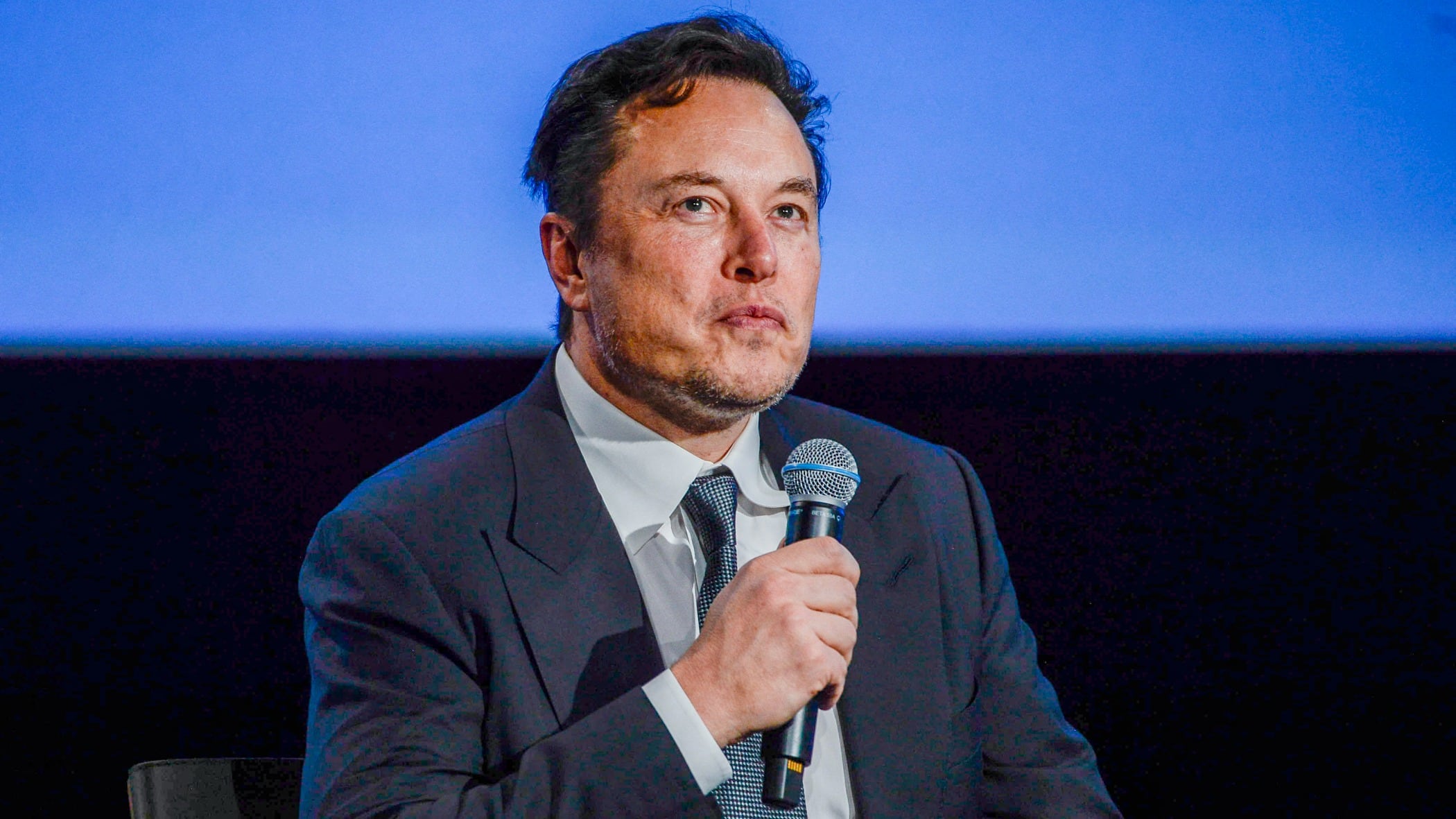
Elon Musk had some harsh words for advertisers who have left his platform X over rising hate and anti-Semitism on the platform, formerly known as Twitter.
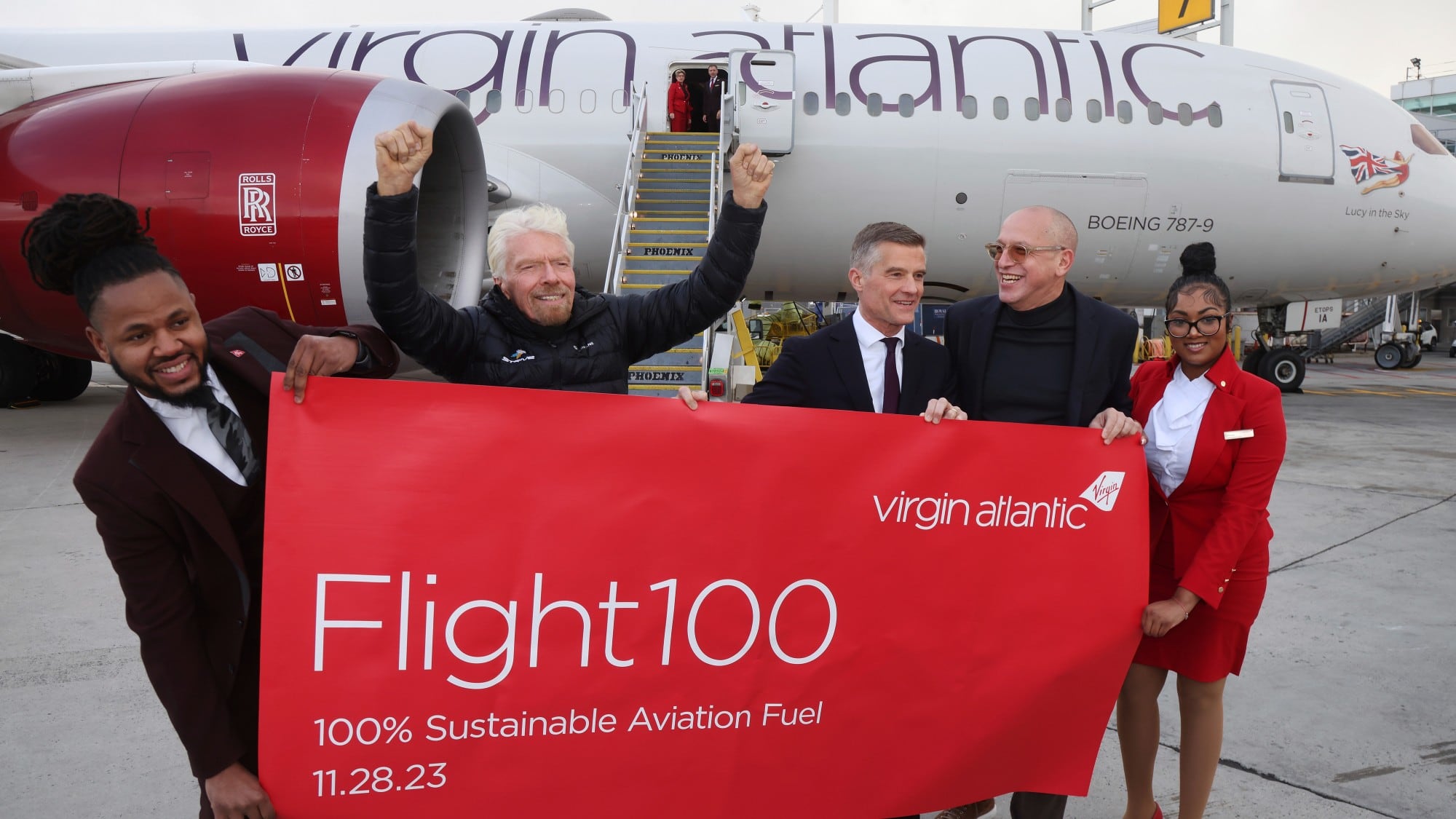
The first commercial airliner to cross the Atlantic on a purely high-fat, low-emissions fuel flew Tuesday from London to New York in a step toward achieving what supporters called “jet zero."
A new study examined the link between mental health and internet use and didn't find that it was consistently linked to negative psychological outcomes.
Amazon announced that it's launching 'Q,' a business ChatBot powered by generative AI tech similar to ChatGPT.
A ransomware attack has prompted a health care chain that operates 30 hospitals in six states to divert patients from at least some of its emergency rooms to other hospitals, while putting certain elective procedures on pause, the company announced.
Amazon rolled out its palm-based identity service for businesses.
North Korea claims that its first spy satellite was able to photograph images of the White House, the Pentagon and U.S. military bases.