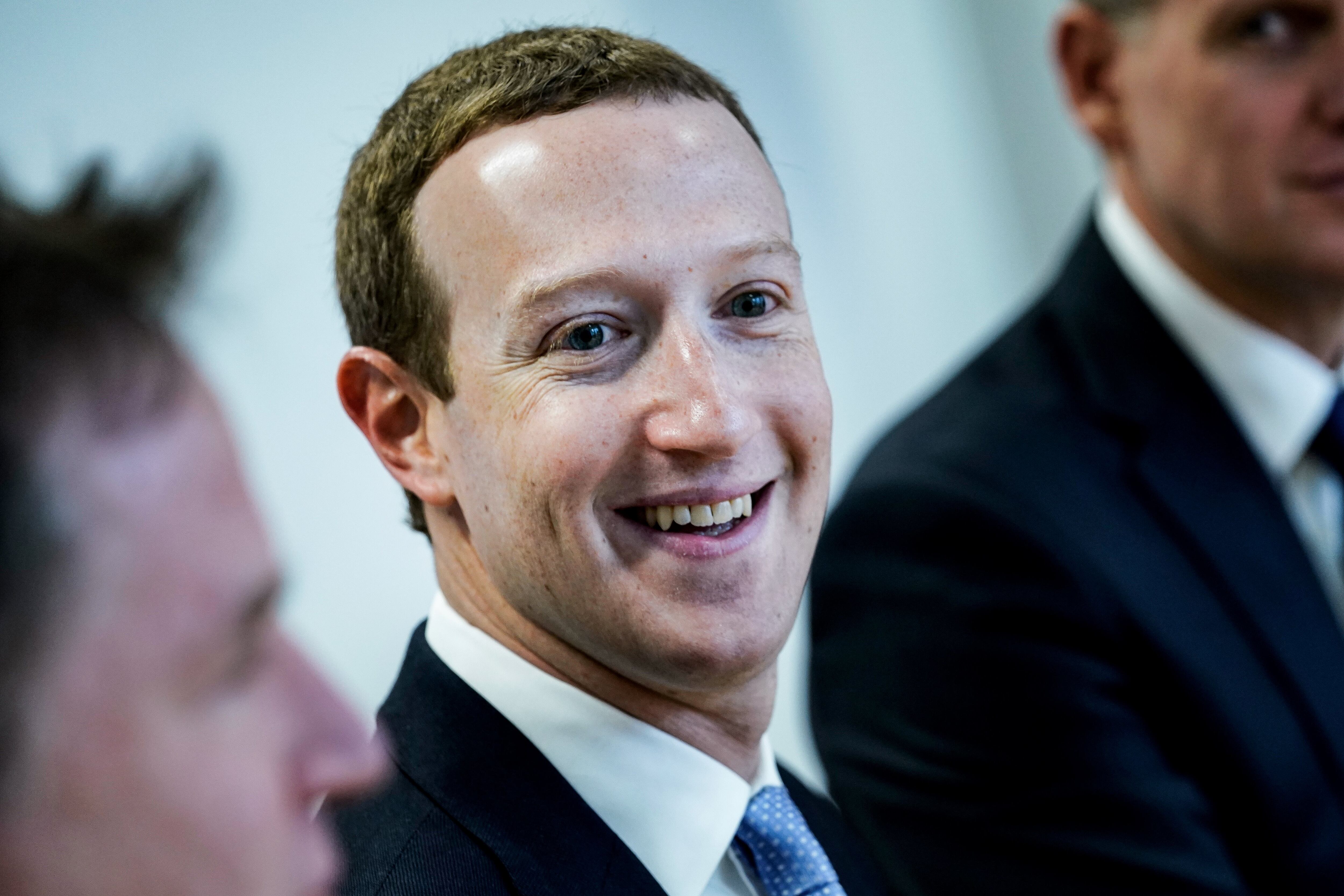
Founder and CEO of US online social media and social networking service Facebook Mark Zuckerberg. Photo by KENZO TRIBOUILLARD/AFP via Getty Images/FILE)
Mark Zuckerberg and his wife Priscilla Chan have donated $25 million through their foundation to a philanthropic effort organized by Bill Gates to explore new coronavirus treatments.
The Gates Foundation donated $50 million last week to what it’s calling the “COVID-19 Therapeutics Accelerator.” The initiative brings together life sciences companies to collaborate on the development of new vaccines, diagnostics, and treatments for COVID-19.
“The Therapeutics Accelerator will enable researchers to quickly determine whether or not existing drugs have a potential benefit against COVID-19,” Chan and Zuckerberg said in a press release. “We hope these coordinated efforts will help stop the spread of COVID-19 as well as provide shared, reusable strategies to respond to future pandemics.”
The two donations are the largest from tech billionaires since the coronavirus outbreak. Wellcome and Mastercard are supporting the effort as well.
The goal of the initiative is to either develop a new drug or adapt an existing treatment that it could help distribute alongside partnering pharmaceutical companies.
The 15 companies participating in the project kicked off the effort by sharing their proprietary libraries of molecular compounds that have some history of being tested with COVID-19.
The lineup includes big names in biotech such as Johnson & Johnson, Merck, Pfizer, Sanofi, and Bristol-Myers Squibb.
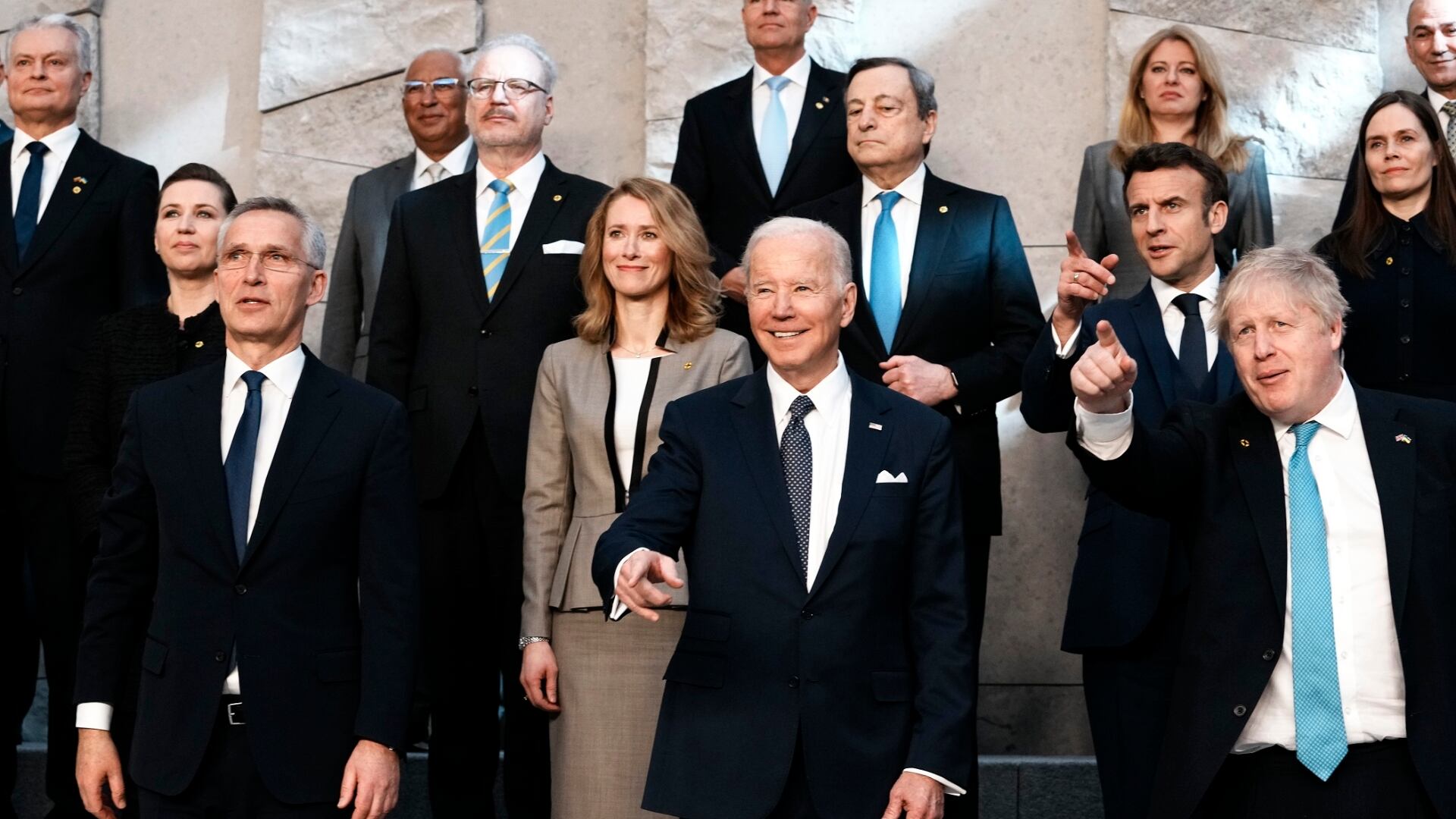
Catching you up on what you need to know Mar 24, 2022, with NATO meeting updates, Ukraine retaking suburbs around Kyiv, the spread of omicron subvariant BA.2 in China, Google Pay launching a third-party billing option, and a 16-year-old is suspected of being the Lapsus$ mastermind behind hacks of Microsoft and others.
Uber has reached a deal to include New York City taxi cabs on its app, a move that will help to boost driver availability for passengers and open up a new set of customers for cab drivers.
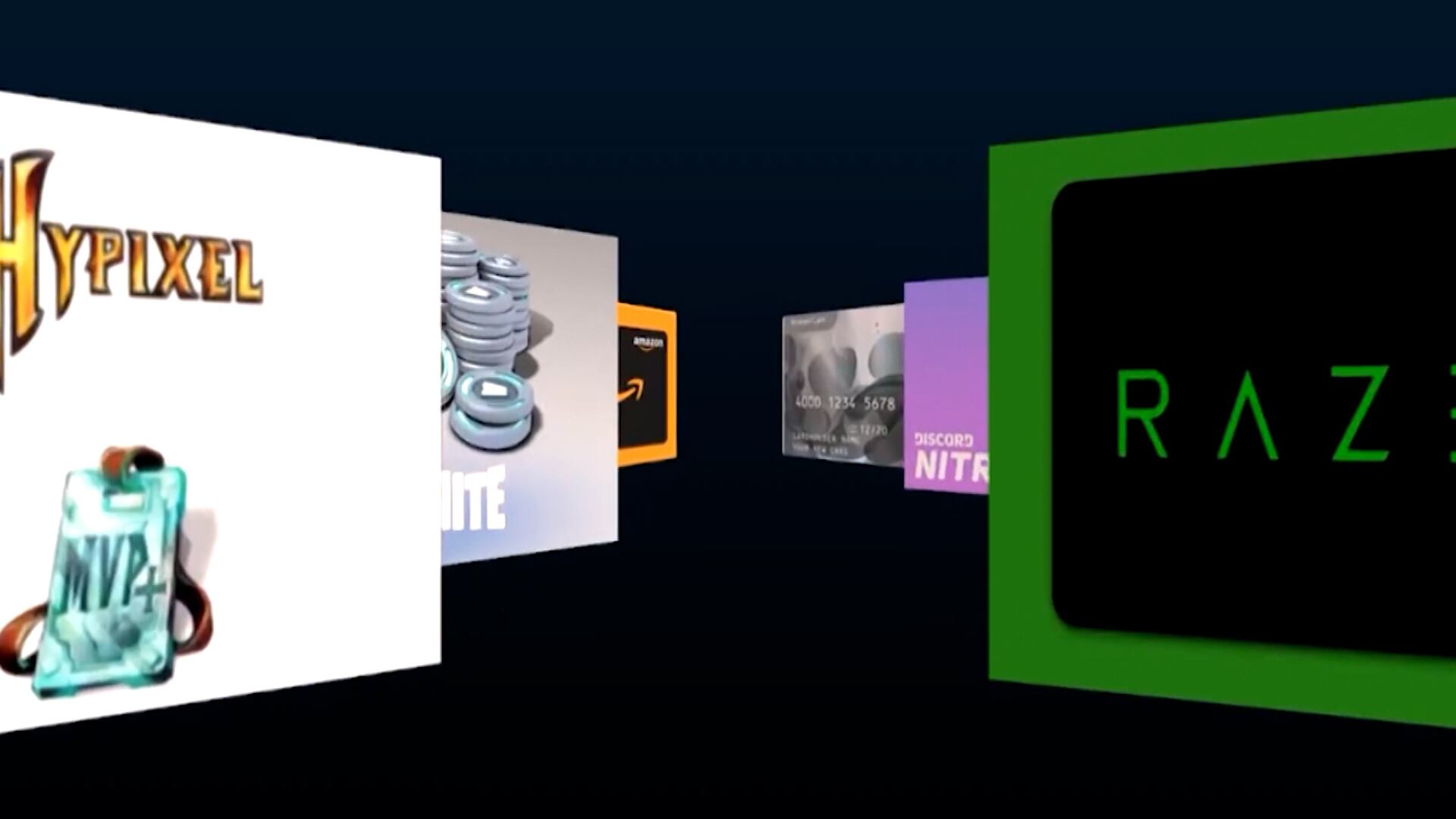
Computer-sharing network Salad is announcing a $17 million Series A round. Salad offers an open-source desktop application that invites gamers to share storage, bandwidth, and other resources from their idle PCs in exchange for rewards. Salad says users have earned what is equivalent to more than $5 million in rewards, and that its platform has quickly become the world's most distributed super-computer. Bob Miles, founder and CEO of Salad, joins Cheddar News' Closing Bell to discuss.
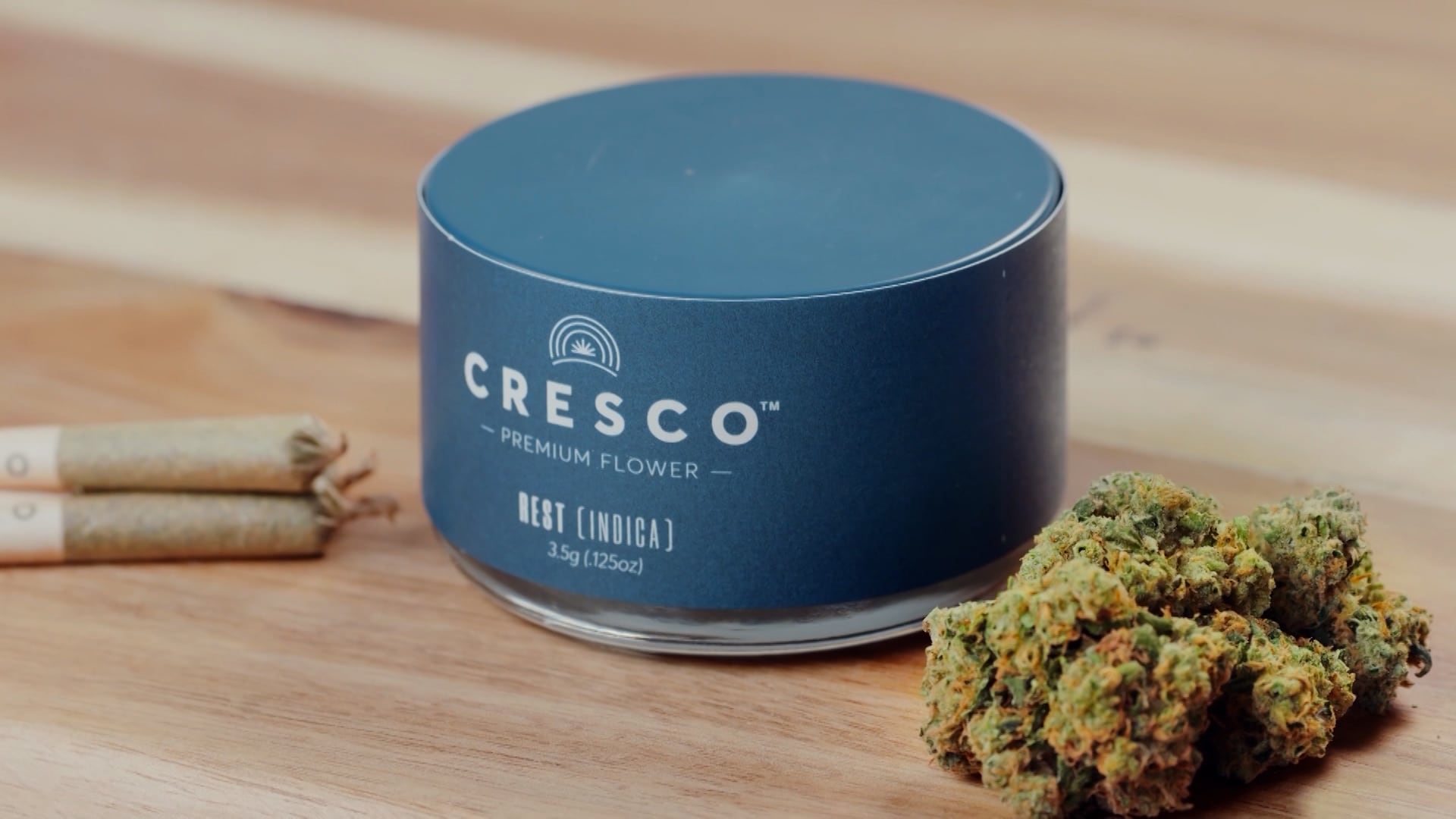
Cannabis producer Cresco Labs is acquiring rival Columbia Care in a $2 billion all-stock deal, creating the largest U.S. cannabis company by sales. The deal, which is expected to close in the fourth quarter of 2022, is one of the biggest in the industry's history and would make Cresco the dominant player in a market projected to reach $46 billion in revenue by 2026. Charlie Bachtell, CEO of Cresco Labs, joins Cheddar News' Closing Bell to discuss.
Sports betting has boomed over the past year; but at the same time, sports betting stocks have not been so hot. Now, some sports betting brands are starting to rethink how to spend their money, especially when it comes to ads. It will come after online sports betting brands spent more than $320 million on advertising in 2021, up 38% from 2020, per MediaRadar. Brendan Coffey, sports finance reporter for Sportico, joins Cheddar News' Closing Bell to discuss.
Rowing-machine maker, Hydrow, raised $55 million in Series D funding round, led by Constitution Capital. Hyrdow offers a connected rowing machine that costs $2,495. The company's funding round comes as the at-home fitness industry is facing some challenges, due to many consumers returning to gyms after working out at home during the pandemic. Bruce Smith, founder & CEO of Hydrow, joined Cheddar News' Closing Bell to discuss.