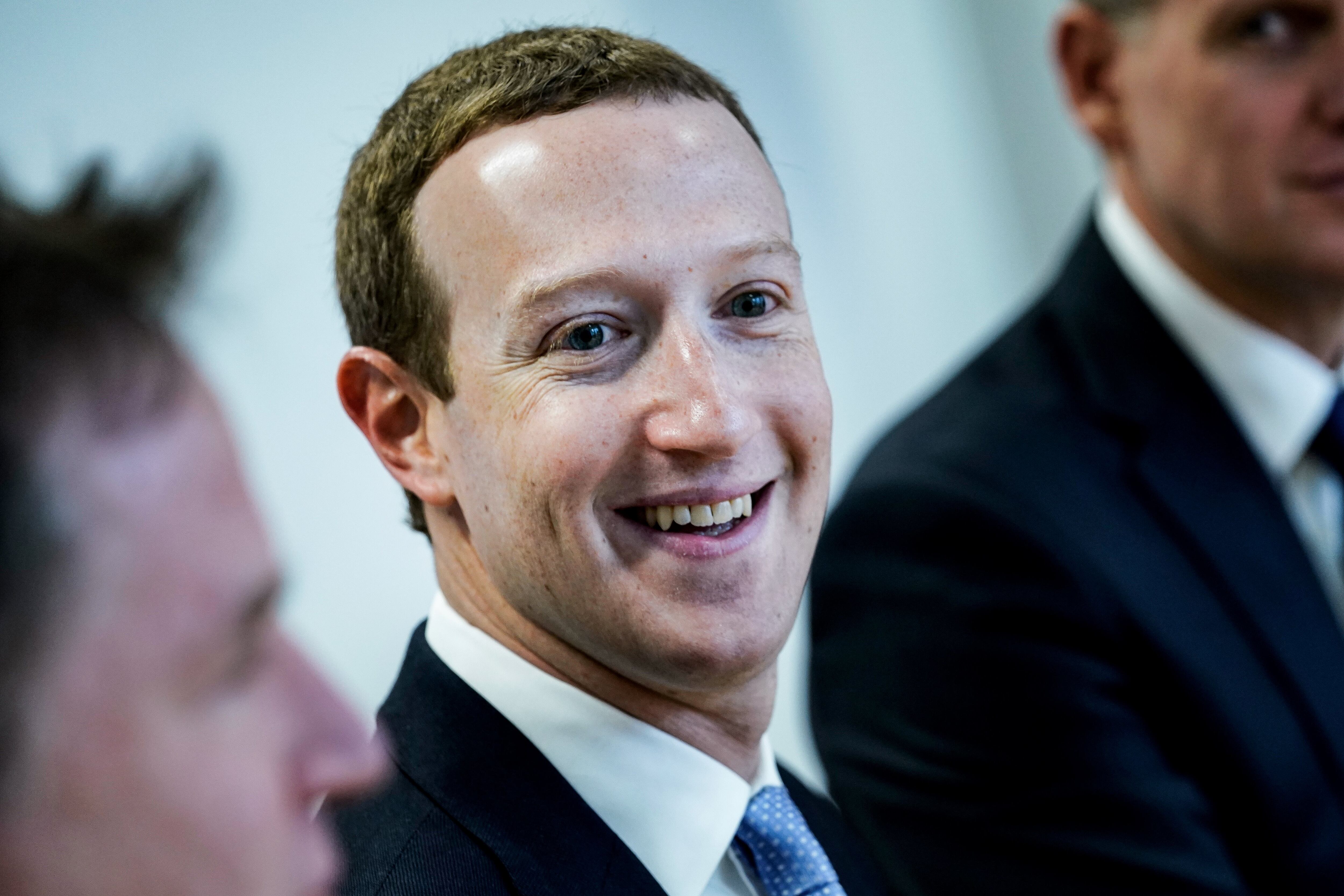
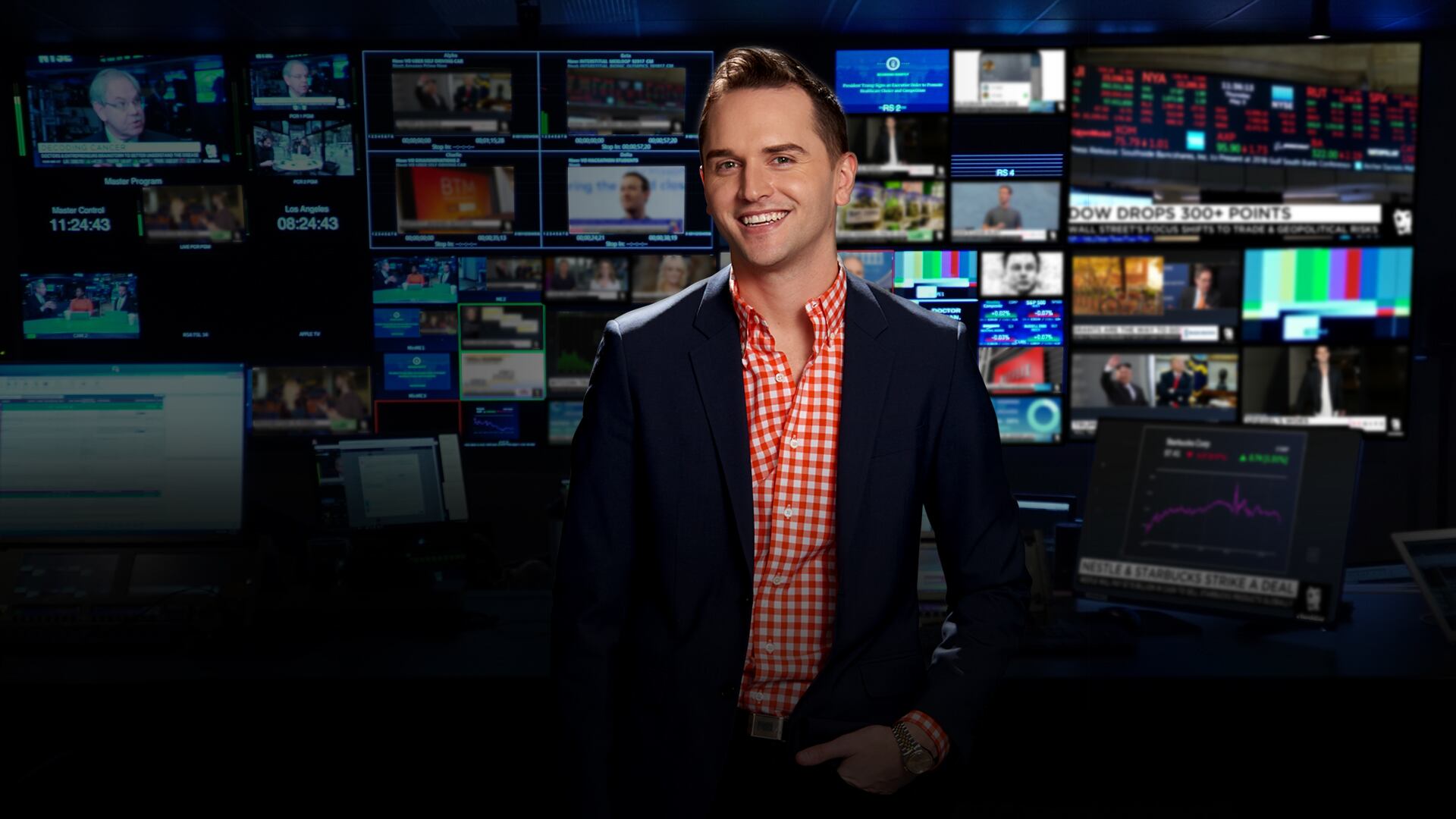
Founder and CEO of US online social media and social networking service Facebook Mark Zuckerberg. Photo by KENZO TRIBOUILLARD/AFP via Getty Images/FILE)
Mark Zuckerberg and his wife Priscilla Chan have donated $25 million through their foundation to a philanthropic effort organized by Bill Gates to explore new coronavirus treatments.
The Gates Foundation donated $50 million last week to what it’s calling the “COVID-19 Therapeutics Accelerator.” The initiative brings together life sciences companies to collaborate on the development of new vaccines, diagnostics, and treatments for COVID-19.
“The Therapeutics Accelerator will enable researchers to quickly determine whether or not existing drugs have a potential benefit against COVID-19,” Chan and Zuckerberg said in a press release. “We hope these coordinated efforts will help stop the spread of COVID-19 as well as provide shared, reusable strategies to respond to future pandemics.”
The two donations are the largest from tech billionaires since the coronavirus outbreak. Wellcome and Mastercard are supporting the effort as well.
The goal of the initiative is to either develop a new drug or adapt an existing treatment that it could help distribute alongside partnering pharmaceutical companies.
The 15 companies participating in the project kicked off the effort by sharing their proprietary libraries of molecular compounds that have some history of being tested with COVID-19.
The lineup includes big names in biotech such as Johnson & Johnson, Merck, Pfizer, Sanofi, and Bristol-Myers Squibb.
The $2 trillion crypto market will soon be subject to much greater governmental oversight. SEC Chair Gary Gensler announced this week that his agency plans to register and regulate digital currencies. He also revealed that the U.S. will focus on three different areas - crypto platforms, stablecoins, and crypto tokens. Jarrod Loadholt, partner at the law firm Ice Miller, LLP, joined Cheddar News' Closing Bell to discuss.
Blueprints and paper maps might soon be a thing of the past as more cities potentially turn to digital twin technology to create virtual models of urban environments. Michael Jansen, CEO of the digital twin platform CityZenith, broke down how this technology works, what it's being used for, and how it might be a game-changer for the future of urban planning.
"Our focus at CityZenith is on helping cities to decarbonize," Jansen said. "We joined the World Economic Forum recently to work in their net-zero carbon cities program. So what digital twins can do here with cities is aggregate all this complex data around that issue: transport, building emissions, etc., and scenario-ize how they interrelate and then how to optimize the entire process of decarbonizing, which is itself complex."
General Motors and Honda are teaming up to produce more affordable electric vehicles. The two carmaking giant are looking to hit a price point of less than $30,000, a much lower price when compared to most other electric vehicles priced toward luxury buyers..
Tensions from the Russia-Ukraine war have spilled into space. The head of Russia's space agency has threatened to pull the country out of the International Space Station if sanctions aren't lifted on the country — but that doesn't seem to be happening any time soon. What would it mean if Russia really did leave the ISS, who would it harm the most, and what would the consequences be both for the other ISS partners, and private space travel? Casey Dreier, Chief Advocate & Senior Space Policy Adviser at The Planetary Society, joins Closing Bell to discuss.
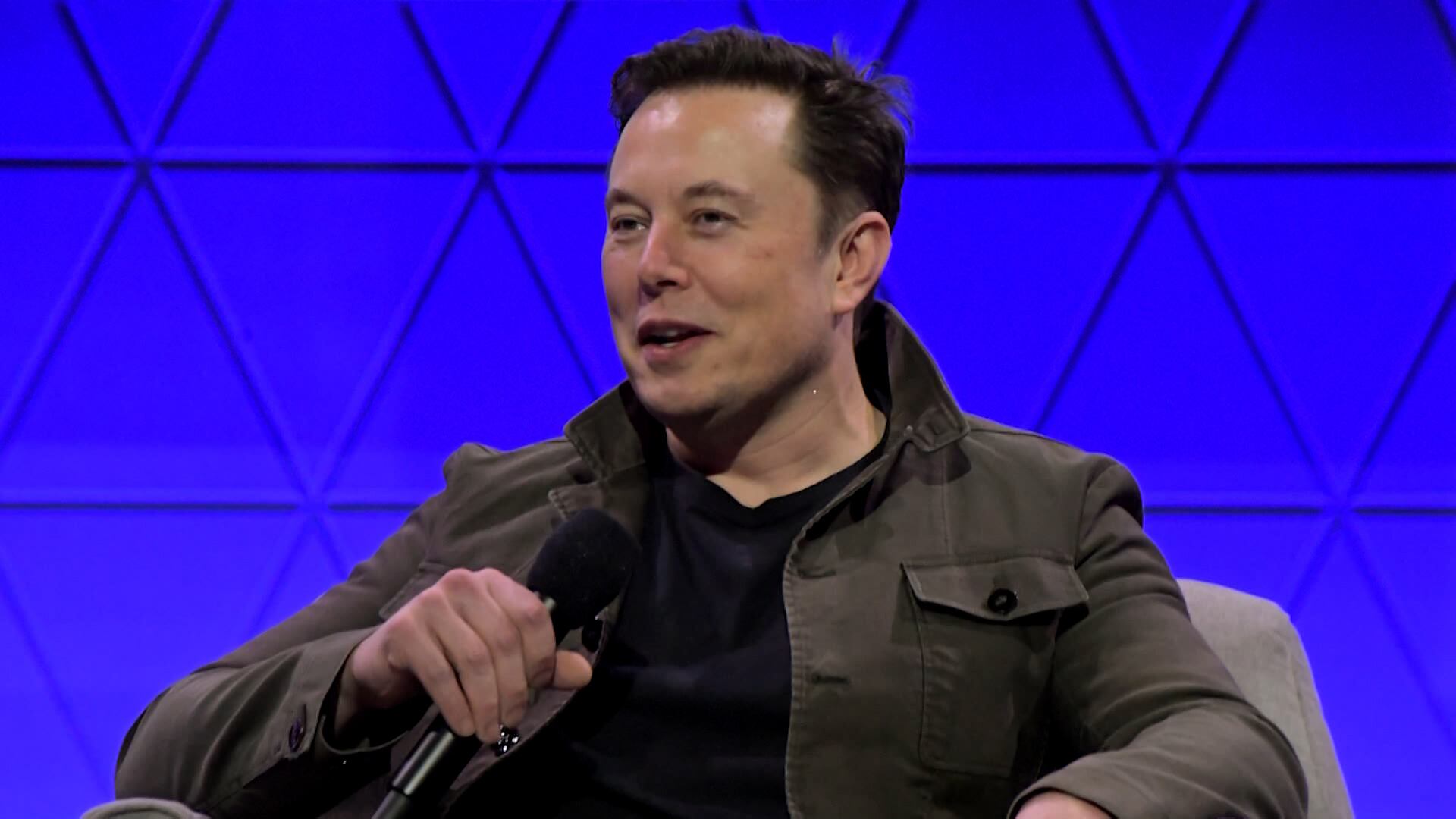
Elon Musk is set to join Twitter's board of directors. This comes shortly after the Tesla CEO purchased a 9.2% stake in Twitter, sending shares surging as much as 27% and making him the largest shareholder in the social media company. Angelo Zino, Senior Industry Analyst at CFRA Research, joined Cheddar's Opening Bell to gives his take on the social media saga.