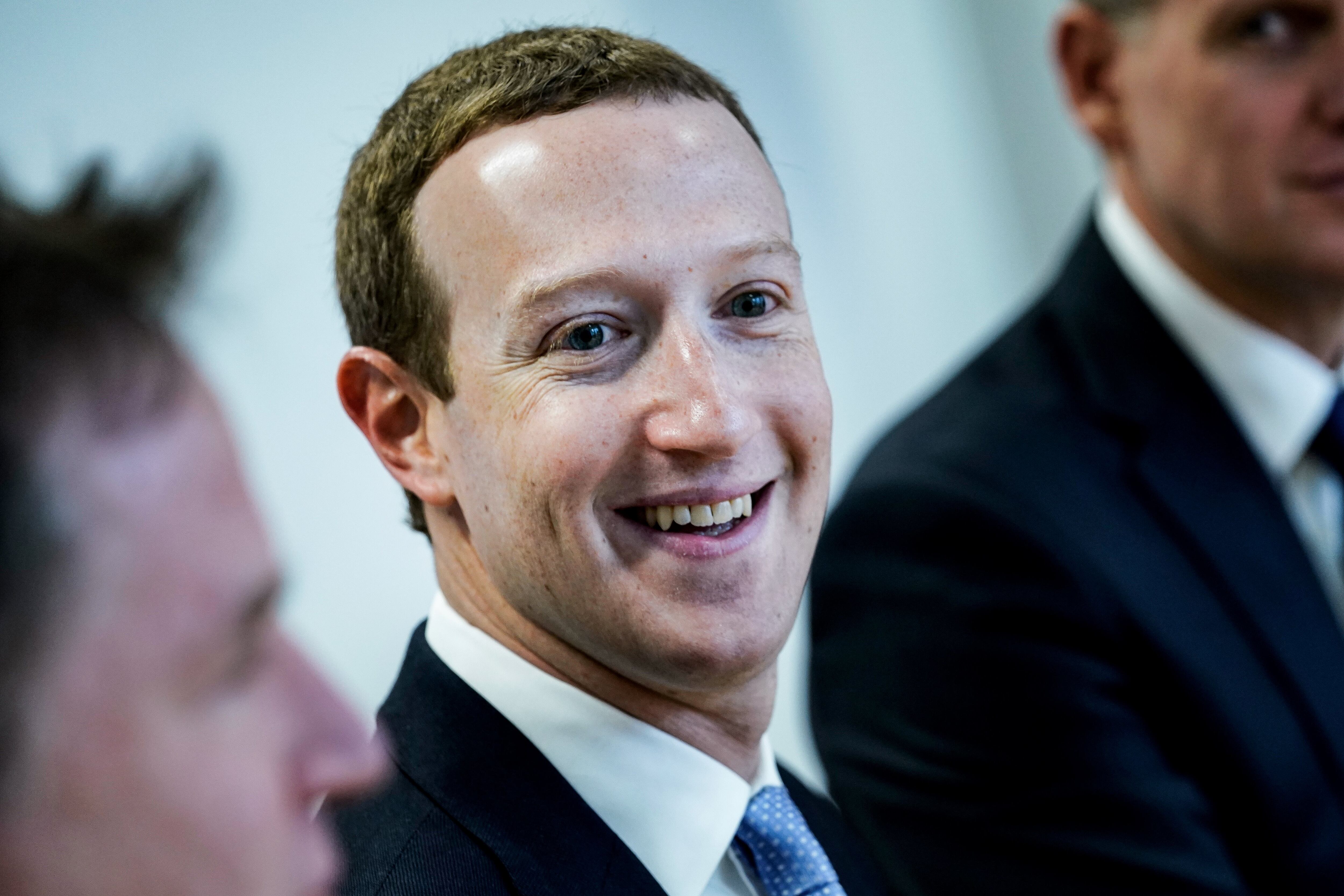
Founder and CEO of US online social media and social networking service Facebook Mark Zuckerberg. Photo by KENZO TRIBOUILLARD/AFP via Getty Images/FILE)
Mark Zuckerberg and his wife Priscilla Chan have donated $25 million through their foundation to a philanthropic effort organized by Bill Gates to explore new coronavirus treatments.
The Gates Foundation donated $50 million last week to what it’s calling the “COVID-19 Therapeutics Accelerator.” The initiative brings together life sciences companies to collaborate on the development of new vaccines, diagnostics, and treatments for COVID-19.
“The Therapeutics Accelerator will enable researchers to quickly determine whether or not existing drugs have a potential benefit against COVID-19,” Chan and Zuckerberg said in a press release. “We hope these coordinated efforts will help stop the spread of COVID-19 as well as provide shared, reusable strategies to respond to future pandemics.”
The two donations are the largest from tech billionaires since the coronavirus outbreak. Wellcome and Mastercard are supporting the effort as well.
The goal of the initiative is to either develop a new drug or adapt an existing treatment that it could help distribute alongside partnering pharmaceutical companies.
The 15 companies participating in the project kicked off the effort by sharing their proprietary libraries of molecular compounds that have some history of being tested with COVID-19.
The lineup includes big names in biotech such as Johnson & Johnson, Merck, Pfizer, Sanofi, and Bristol-Myers Squibb.
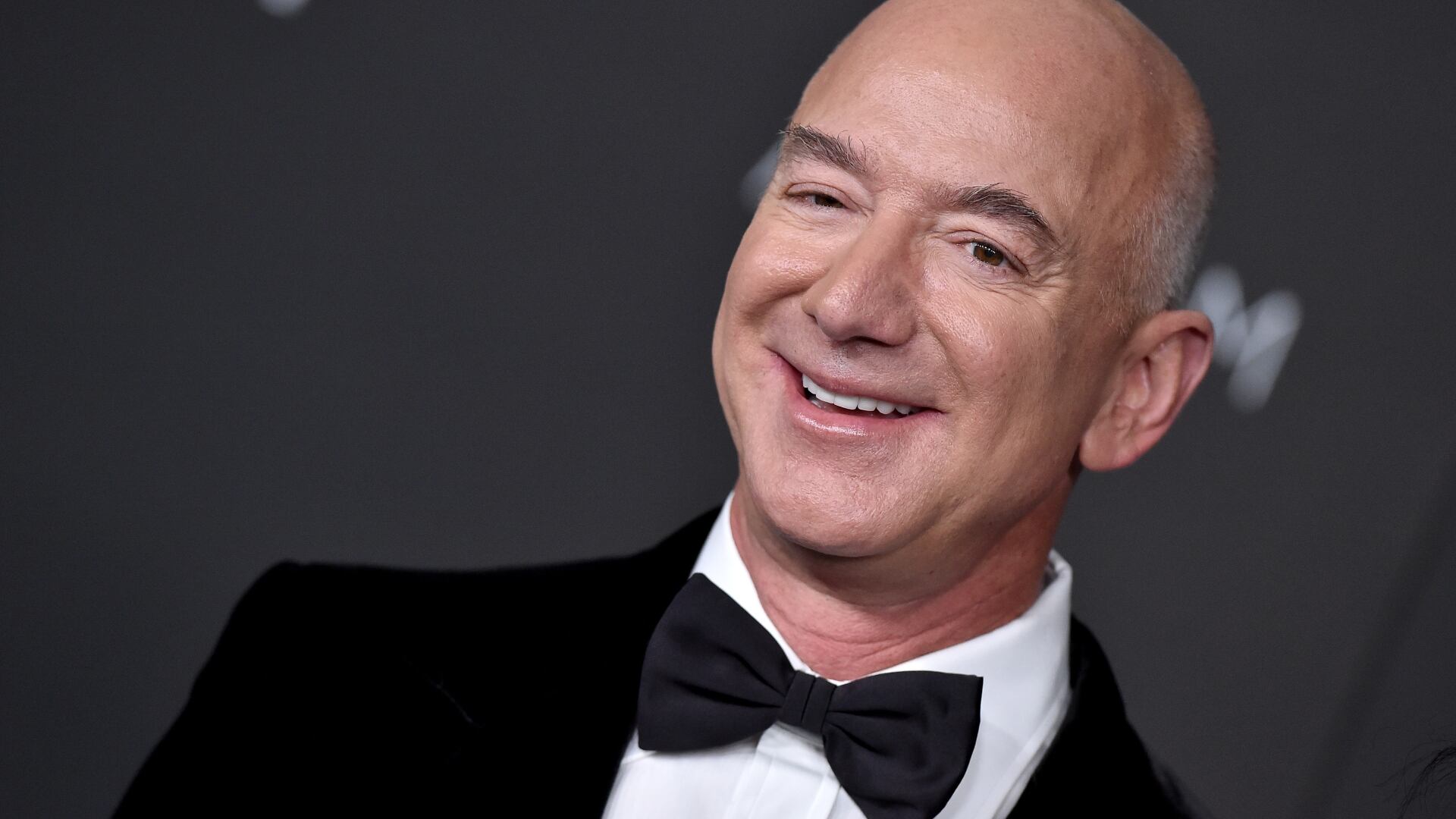
Amazon founder Jeffrey Bezos took to the stage at the U.N.'s COP26 Climate Summit to unveil a new plan to combat climate change, but some say it might do more harm than good. Justine Calma, Science Reporter at The Verge, joined Cheddar to discuss.
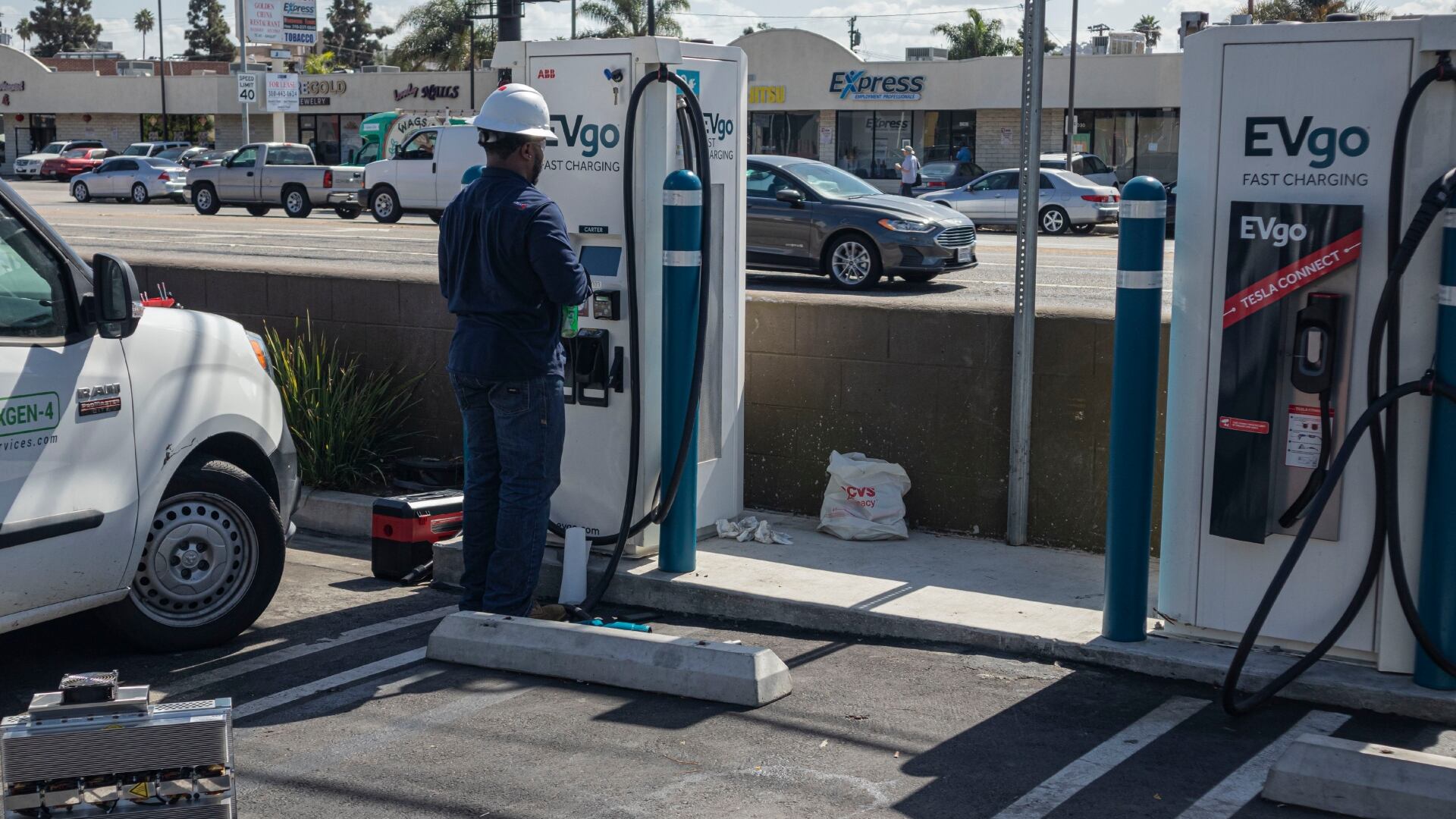
The electric vehicle space is about to see a whole new shift in its market particularly in Taxi Industry. Ride-Hailing apps like Uber and Lyft though could be left behind from this era since they cannot force their drivers to drive specific cars. Executive Analyst from ISeeCars.Com, joined Cheddar to discuss more.
a.k.a Brands, an accelerator for next-gen, direct-to-consumer fashion brands like Princess Polly, released its first earnings report as a publicly-traded company with strong results. CEO Jill Ramsey joined Cheddar's "Opening Bell" to discuss the company's recent quarter and how the company has grown since its IPO in September.
Rivian is set to makes its market debut as the biggest IPO since Facebook in 2021. The EV maker priced its stock above the expected range at $78 apiece, allowing it to raise a whopping $11.9 billion. Matt Toole, director of deals intelligence at Refinitiv, joined Cheddar to discuss Rivian's highly anticipated IPO and how it's sending the already booming IPO market even higher.
A judge shot down a request by Apple to hold off on changes to payment options in the app store that would allow companies like Epic Games to use external payment systems. Apple had sought a stay that could delay making changes for years but the judge ordered them to implement fixes by December. The tech giant plans to appeal.
Twitter has officially launched its paid subscription service, Twitter Blue, which provides subscribers with a number of new features, including the option to edit tweets, post 10-minute videos, and view ad-free news articles.
Wood modification technology company Kebony recently raised $34 million in its latest funding round. The company's patented technology transformed sustainable softwood using leftover materials and makes it into a product that behaves like premium hardwood. The process has the potential to transform the global construction industry, as it is cost-effective and eco-friendly. Kebony CEO Norman Willemsen joined Cheddar News' Closing Bell to discuss.