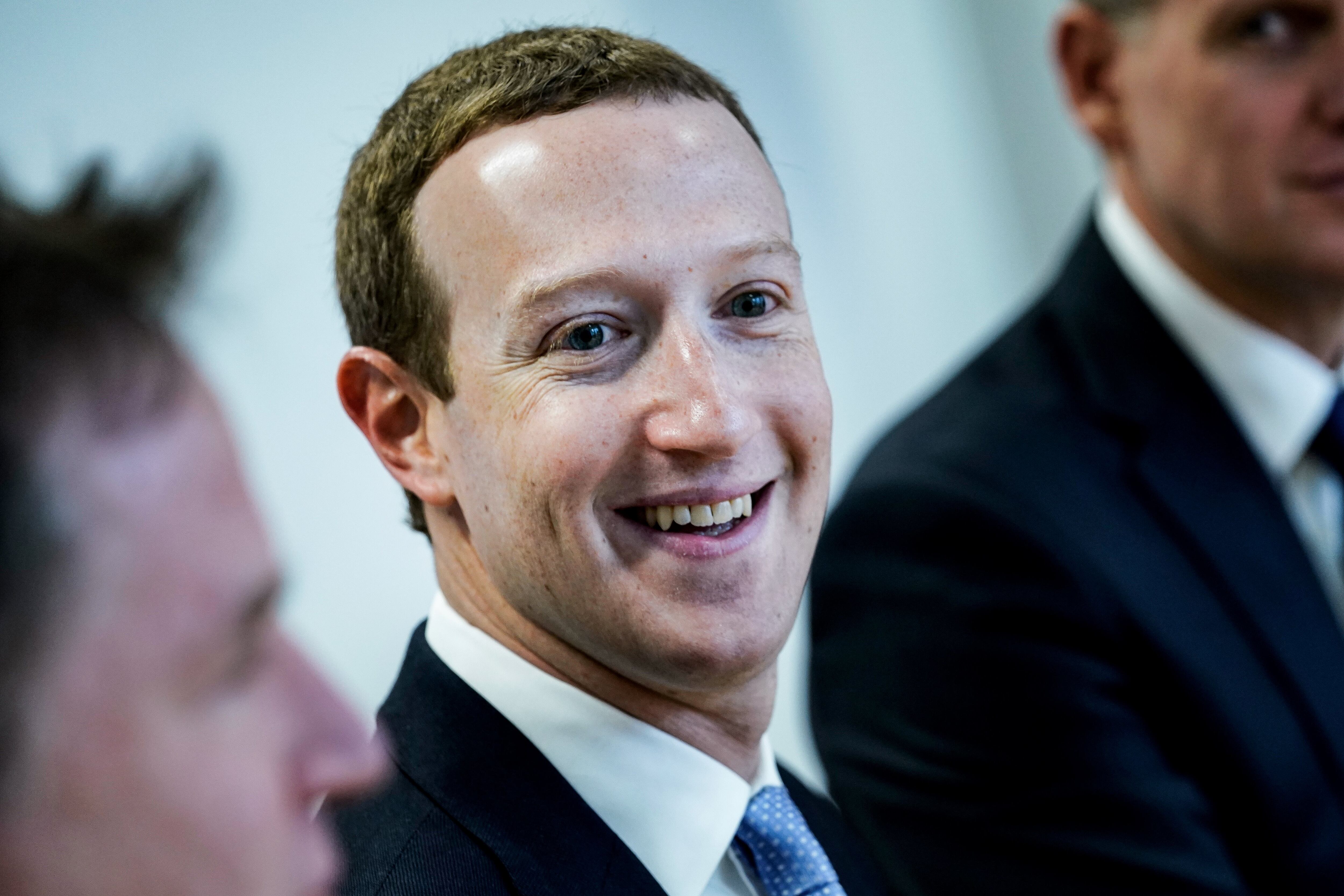
Founder and CEO of US online social media and social networking service Facebook Mark Zuckerberg. Photo by KENZO TRIBOUILLARD/AFP via Getty Images/FILE)
Mark Zuckerberg and his wife Priscilla Chan have donated $25 million through their foundation to a philanthropic effort organized by Bill Gates to explore new coronavirus treatments.
The Gates Foundation donated $50 million last week to what it’s calling the “COVID-19 Therapeutics Accelerator.” The initiative brings together life sciences companies to collaborate on the development of new vaccines, diagnostics, and treatments for COVID-19.
“The Therapeutics Accelerator will enable researchers to quickly determine whether or not existing drugs have a potential benefit against COVID-19,” Chan and Zuckerberg said in a press release. “We hope these coordinated efforts will help stop the spread of COVID-19 as well as provide shared, reusable strategies to respond to future pandemics.”
The two donations are the largest from tech billionaires since the coronavirus outbreak. Wellcome and Mastercard are supporting the effort as well.
The goal of the initiative is to either develop a new drug or adapt an existing treatment that it could help distribute alongside partnering pharmaceutical companies.
The 15 companies participating in the project kicked off the effort by sharing their proprietary libraries of molecular compounds that have some history of being tested with COVID-19.
The lineup includes big names in biotech such as Johnson & Johnson, Merck, Pfizer, Sanofi, and Bristol-Myers Squibb.
Despite challenges like inflation, labor and product shortages, and the Omicron variant, holiday sales saw record levels of growth this year, according to a new report from Mastercard SpendingPulse. The group reports on national retail sales across all payment types, finding that holiday sales rose at the fastest pace in 17 years this year. Mastercard senior advisor and former chariman and CEO of Saks Incorporated Steve Sadove joined Cheddar News' Closing Bell to discuss.
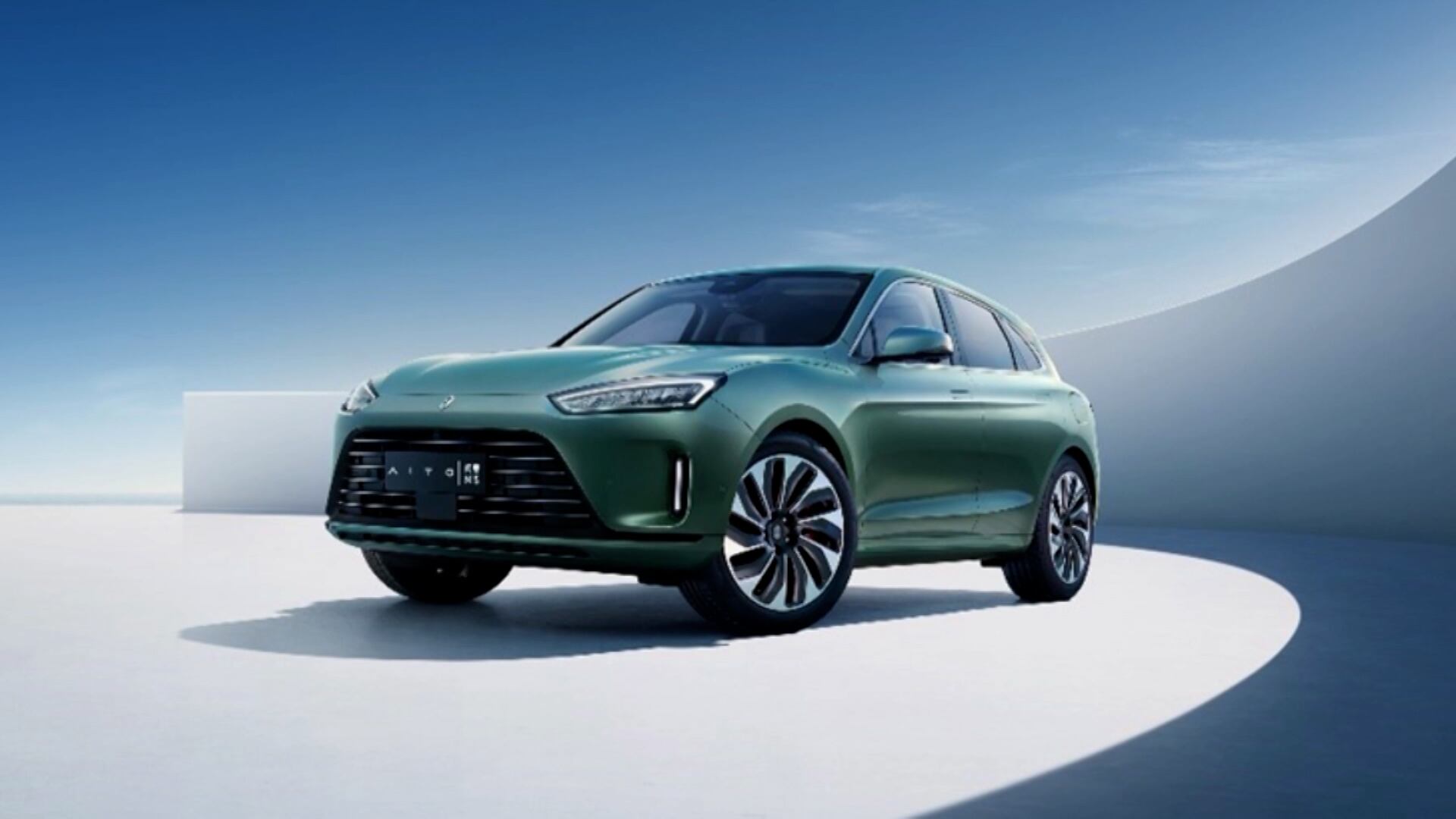
Keith Fitz-Gerald, chief investment officer at Fitz-Gerald Group, spoke to Cheddar about the growing competition for Tesla's electric cars in China as tech giant Huawei enters the race. "There's a lot of legacy worry, but that does not discount the possibility that Elon might have a contender on his hands," he said about the sometimes troubled telecom company. Fitz-Gerald also gave a nod to two other local rivals, Nio and XPeng, noting the latter as having something of an edge with its CEO He Xiopeng being lauded by Chinese state media.
2021 was a wild ride for the world of cryptos. Both Bitcoin and Etherum hit new all-time highs, as well as other coins like SHIB-INU. According to several experts, crypto is here to stay and is expected to blast off in the year 2022 as more and more people invest in the crypto world. The host of "The O Show" Wendy O, joined Cheddar to discuss more.
Over the past year, the new love for gaming has created a huge demand for the consumption of content on streaming platforms. All this has caused a rise in gaming influencers all over the world. Founder of Viral Nation Joe Gagliese and Digital Video Executive Andrew Wall, joined Cheddar to discuss more.
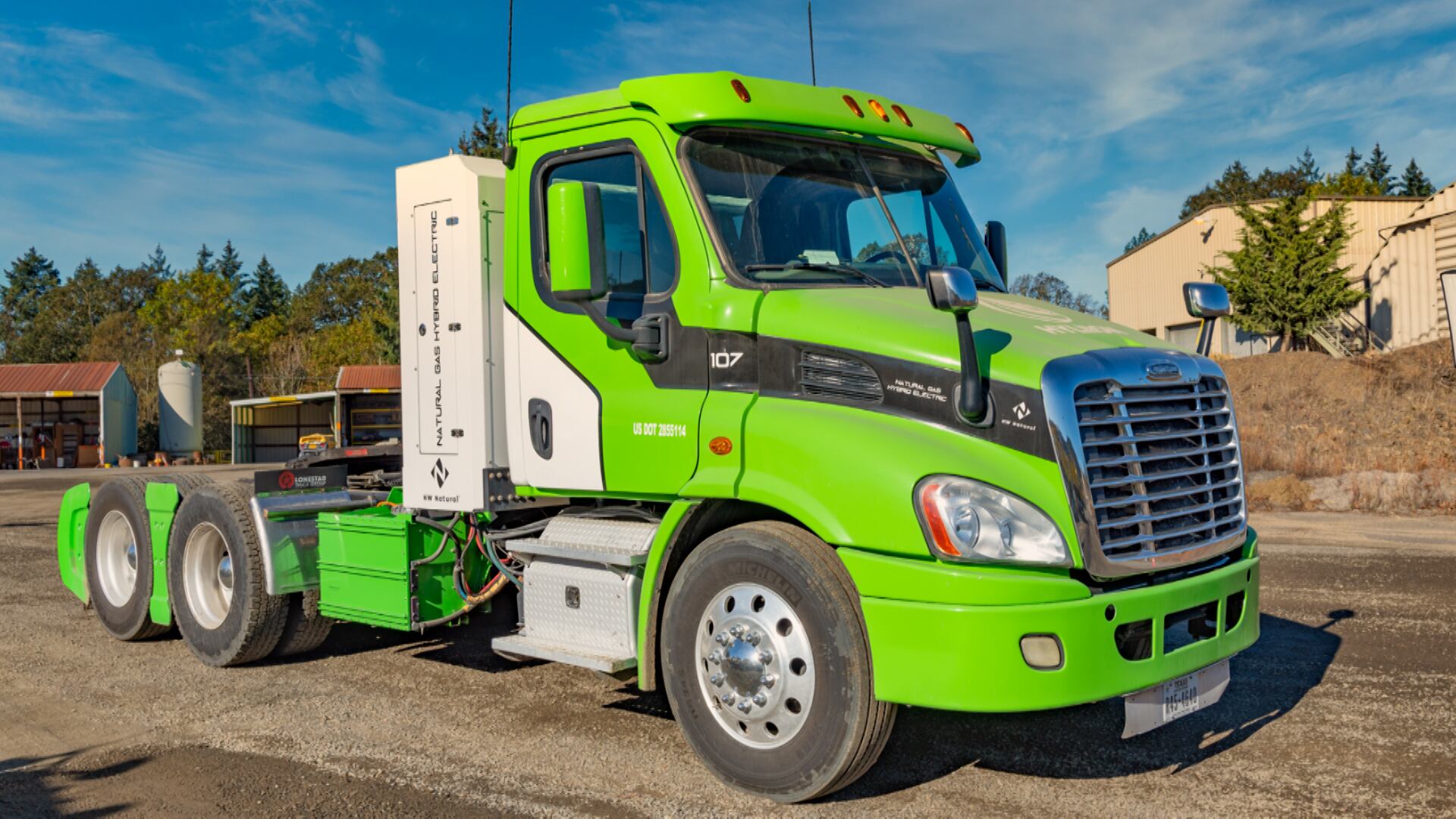
Nikola announced that it delivered its first electric semi trucks last week, sending the embattled EV company's stock soaring. There is a lot of competition in this space, though, said Lauren Fix, an automotive analyst with Car Coach Reports. While every country has companies racing to dominate the electric trucking industry, she explained, a shortage of graphite, used in batteries, and a dearth of convenient charging stations will still keep growth slow in 2022. "You really have to be very careful when you're investing in this marketplace," Fix said. "That's great that [Nikola was] able to deliver one, but can they deliver more?"
Carlo and Baker kick off the weirdest week of the year with all the news you missed over the holiday weekend, including calls for the CDC to shorten its isolation window as Omicron sweeps through the country.