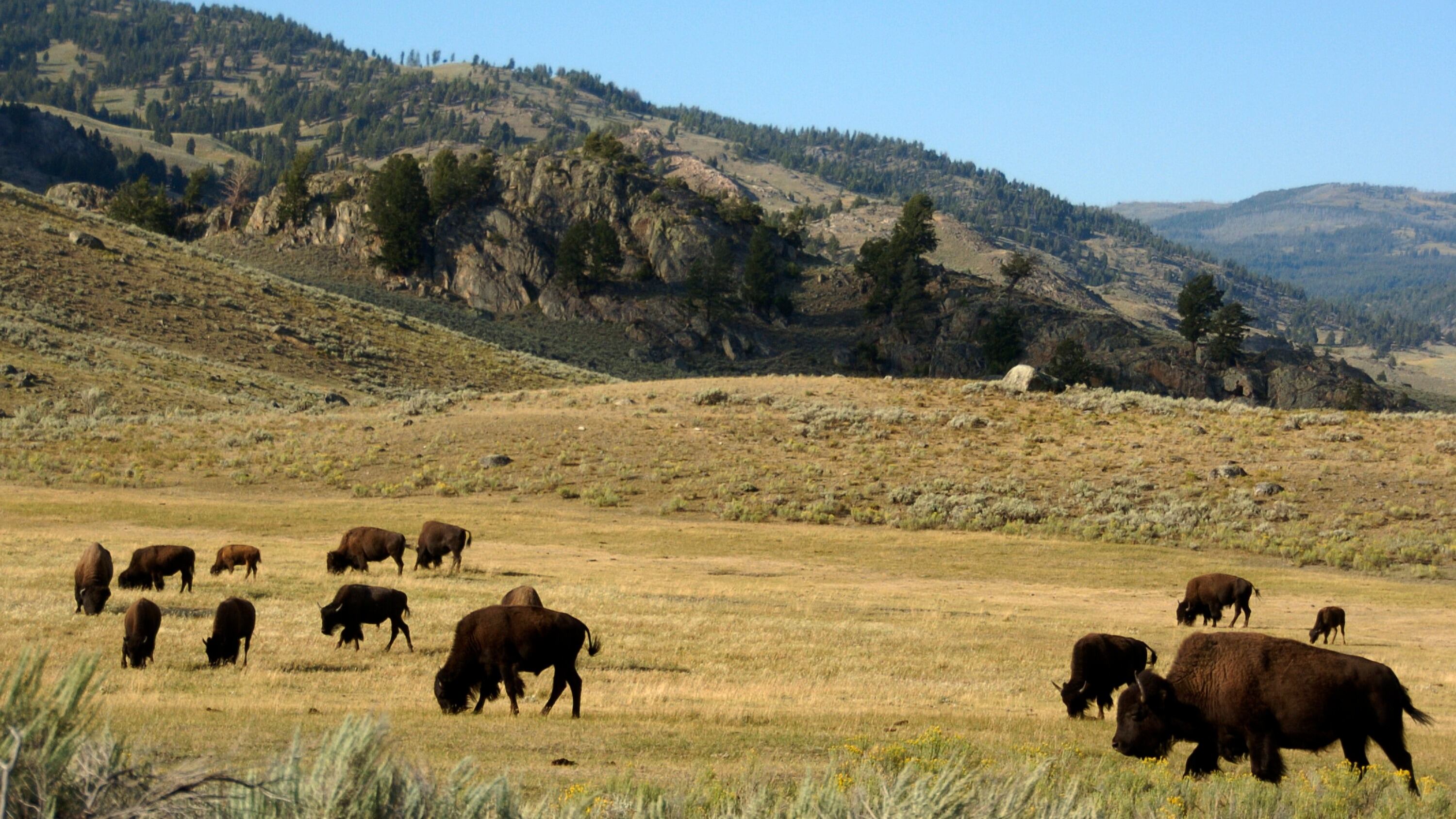
Yellowstone National Park officials killed a newborn bison because its herd wouldn’t take the animal back after a man picked it up.
The calf became separated from its mother when the herd crossed the Lamar River in northeastern Yellowstone on Saturday. The unidentified man pushed the struggling calf up from the river and onto a roadway, park officials said in a statement Tuesday.
Park rangers tried repeatedly to reunite the calf with the herd but were unsuccessful. Visitors saw the calf walking up to and following cars and people, creating a hazard, so park staff killed the animal, according to the statement.
It's the latest example of Yellowstone visitors getting in trouble or hurt after approaching bison. Park officials euthanized a newborn bison after a similar incident in 2016, when a Canadian man and his son put the calf in their SUV, thinking they could rescue it.
The man pleaded guilty. He was fined $235 and ordered to pay $500 to the Yellowstone Park Foundation Wildlife Protection Fund.
Bison have gored several people in Yellowstone in recent years, often after they got too close to the animals.
Many of Yellowstone’s larger animals — including bison, which can run up to 35 mph (55 kilometers per hour) and weigh up to 2,000 pounds (900 kilograms) — are deceptively dangerous, even when they’re just grazing or resting.
Park rules require visitors to keep at least 25 yards (23 meters) away from wildlife including bison, elk and deer, and at least 100 yards (91 meters) away from bears and wolves.
Park officials are investigating the bison calf incident. The suspect was a white male in his 40s or 50s who was wearing a blue shirt and black pants, the statement said.
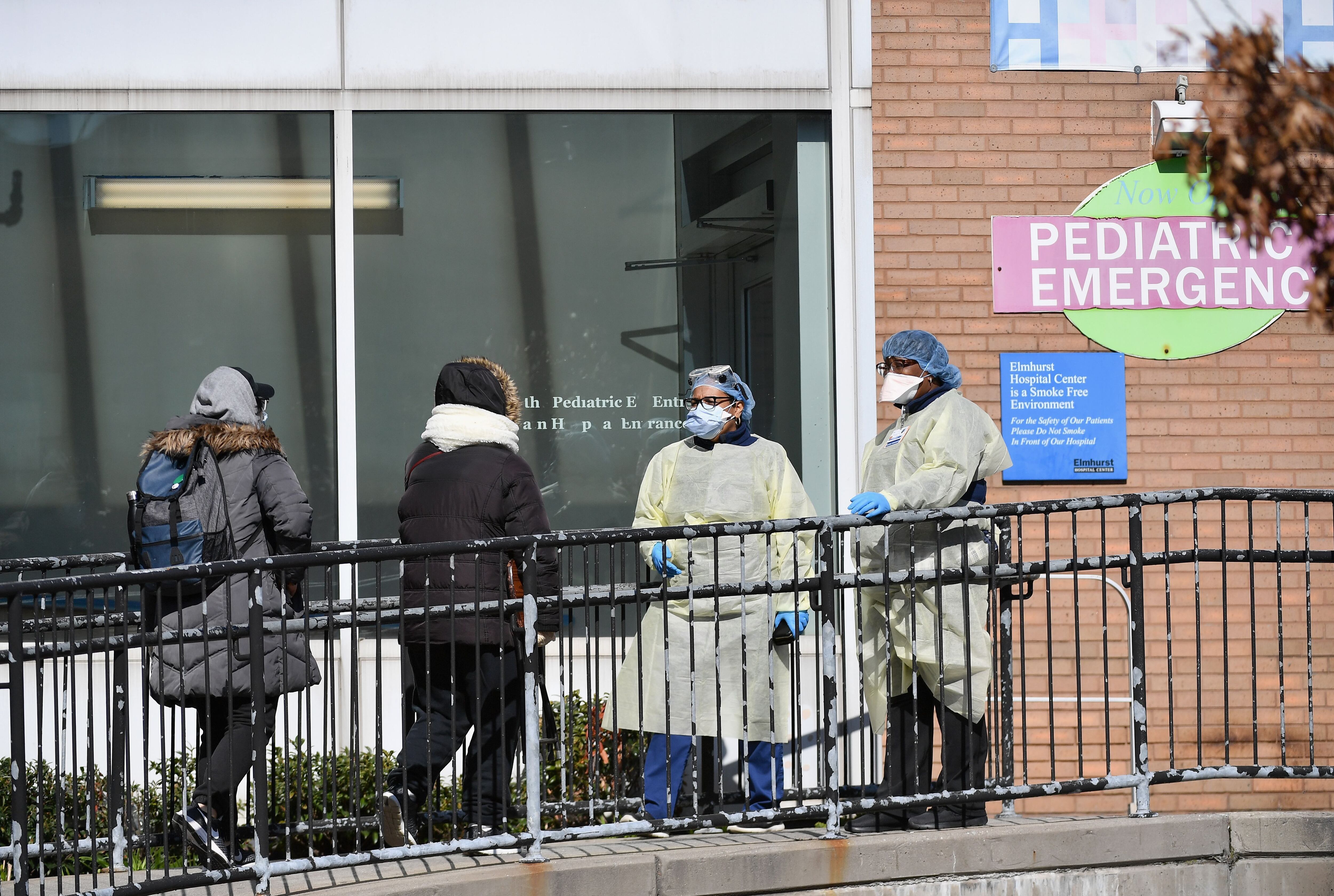
Healthcare workers have launched their own campaigns for gathering personal protective equipment as they fight the coronavirus on the frontlines, with #GetUsPPE trending across social media.
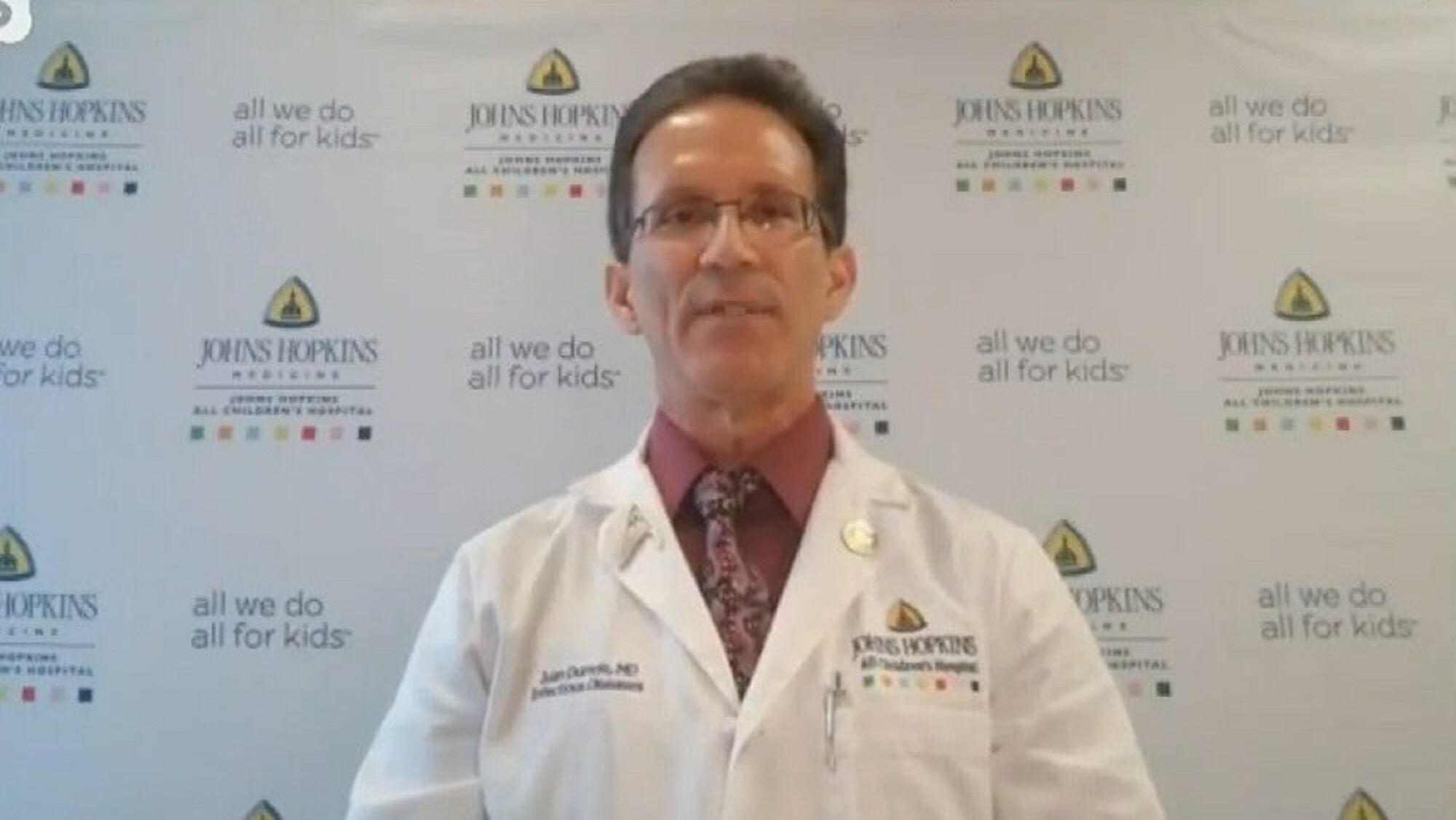
Despite President Donald Trump’s call to put the economy back to work by Easter, one Johns Hopkins physician says there may have to be “variability” in when states and cities restart their economies.
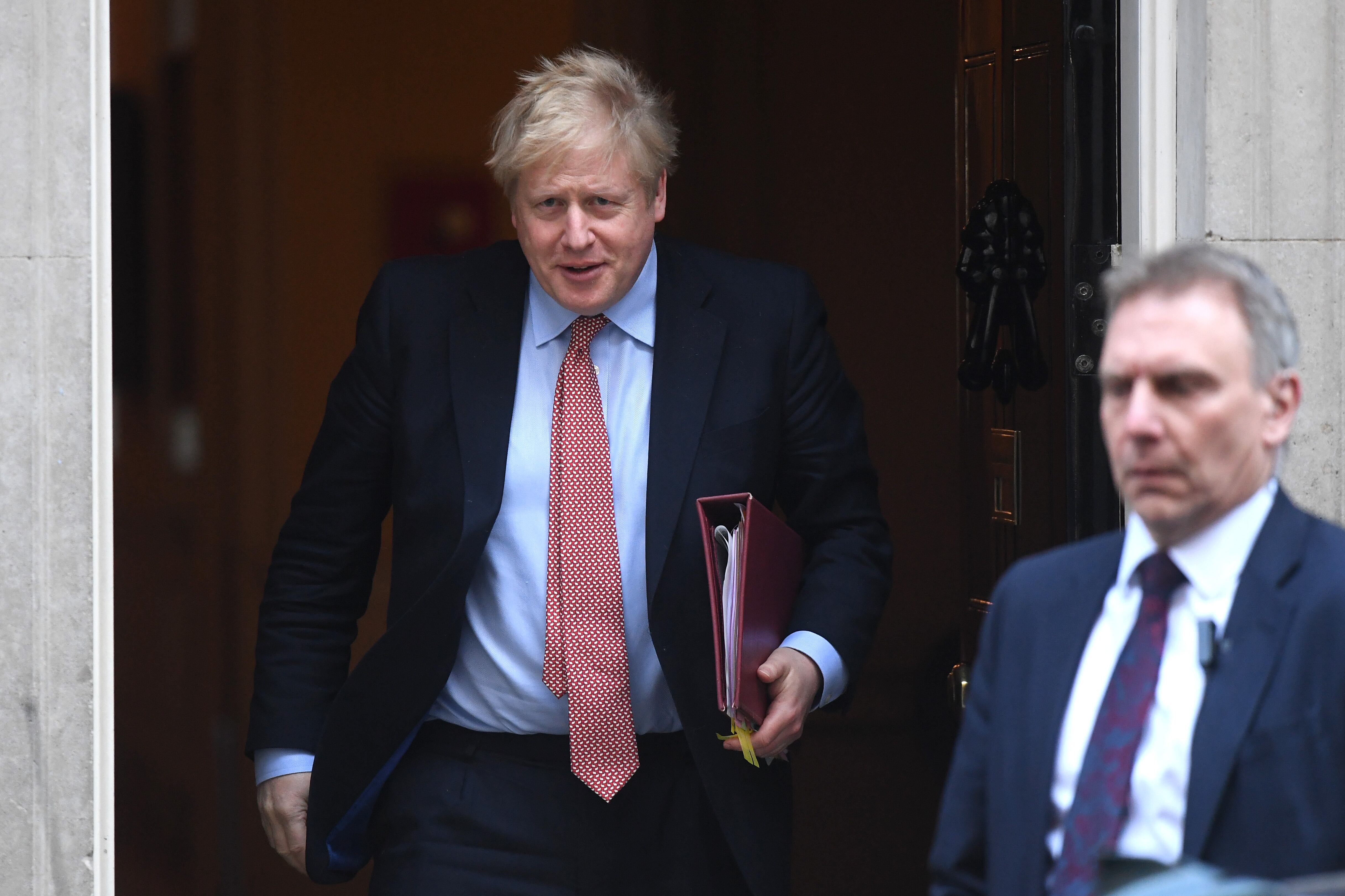
British Prime Minister Boris Johnson has tested positive for the new coronavirus, but remains in charge of the U.K.’s response to the outbreak.
Stocks are rising more than 3% early Thursday, putting the market on track for its first three-day rally in six weeks, even as the astonishing scale of the downturn slamming the economy because of the coronavirus becomes more apparent.
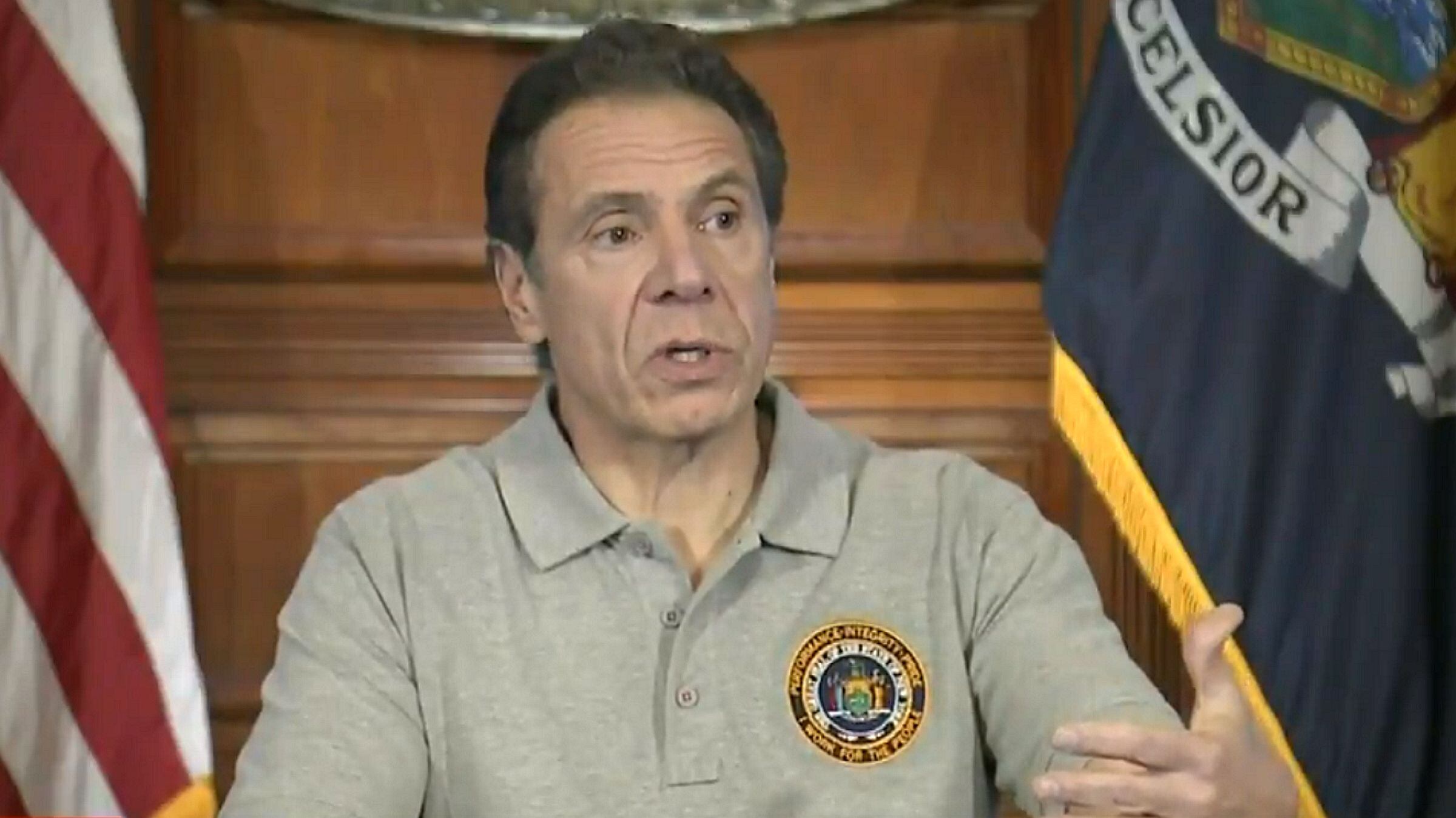
New York Governor Andrew Cuomo Wednesday afternoon said the greatest strain on the state’s health care system from the coronavirus could come in approximately 21 days, while also providing early indications about steps the state might eventually take to restart the economy.
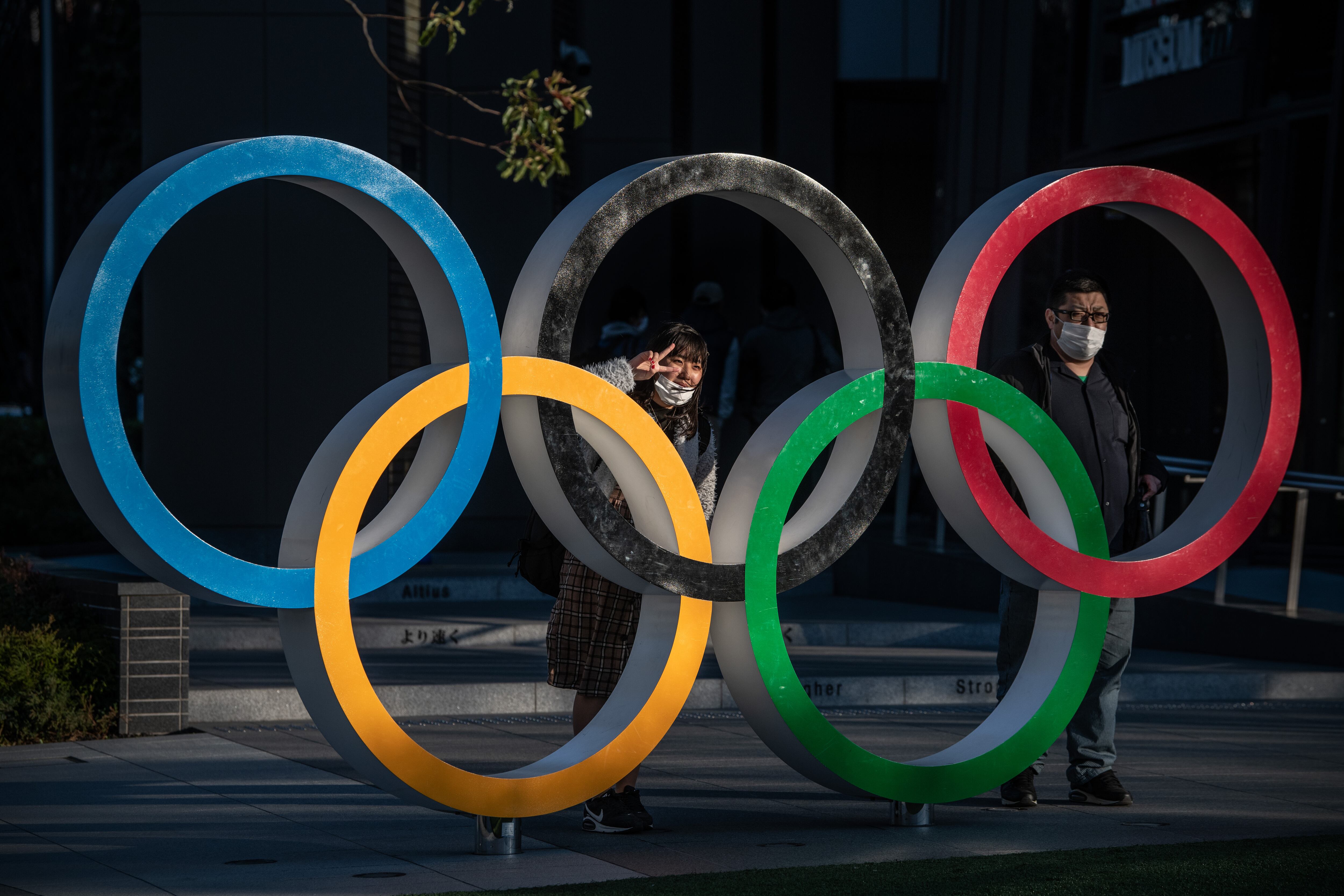
The IOC announced a first-of-its-kind postponement of the Summer Olympics on Tuesday, bowing to the realities of a coronavirus pandemic that is shutting down daily life around the globe and making planning for a massive worldwide gathering in July a virtual impossibility.
Despite localized reductions in emissions and pollution due to coronavirus-related shutdowns, it doesn't mean that the pandemic and ensuing economic crisis will somehow turbocharge the globe's glacial steps toward reducing humanity's impact on the environment.
In a news conference, NY Gov. Andrew Cuomo said he has ordered the state's hospitals to increase their capacity for intake at least by half, if not doubling it., and also revealed that New York had procured more medical supplies in the fight against the coronavirus pandemic.
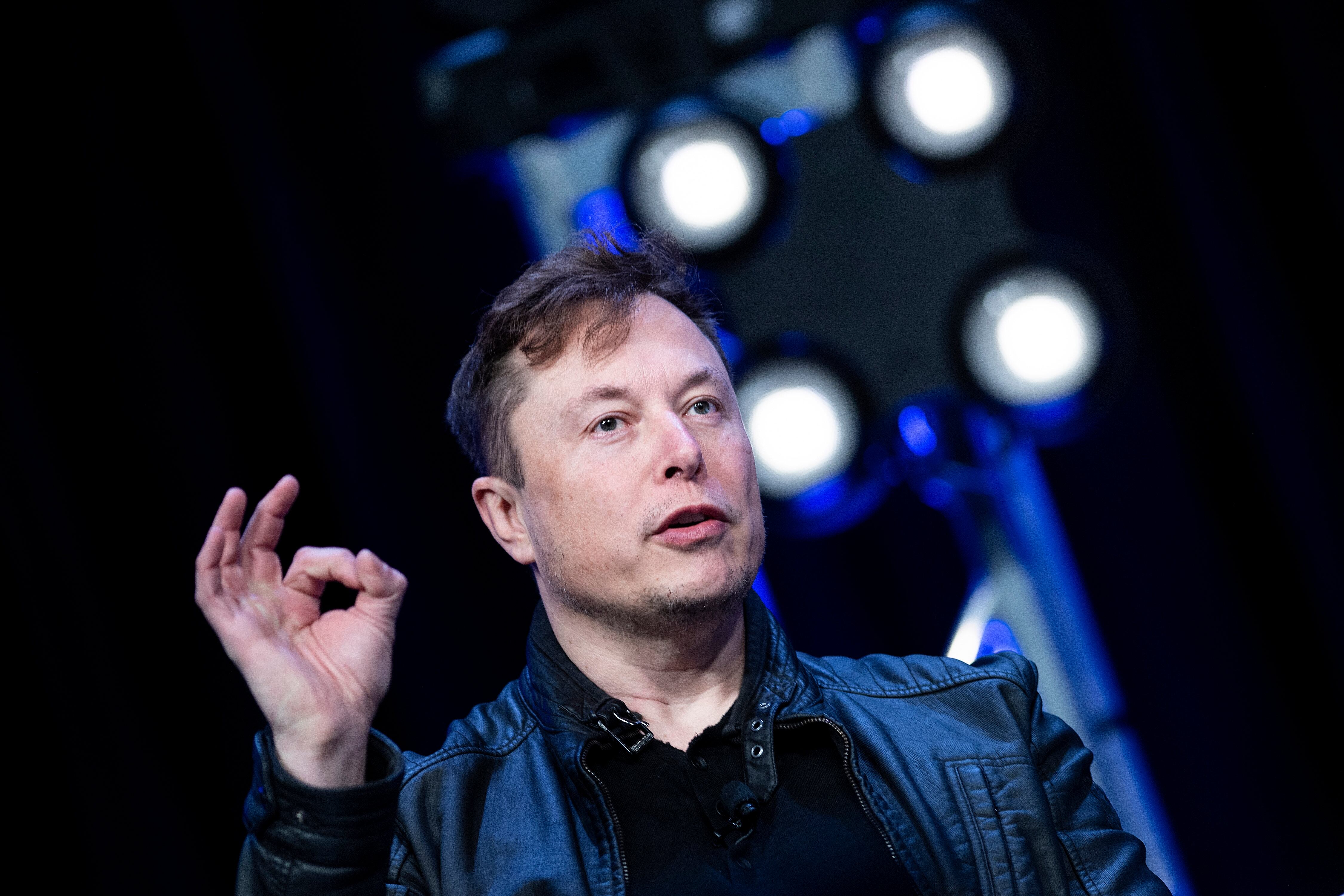
Tesla and SpaceX CEO Elon Musk on Sunday said that his companies are on track to build and ship approximately 1,200 direly-needed ventilators as soon as this week.
A lot of illnesses can present the same. So what symptoms indicate a possible novel coronavirus case versus the flu, a common cold or even seasonal allergies?