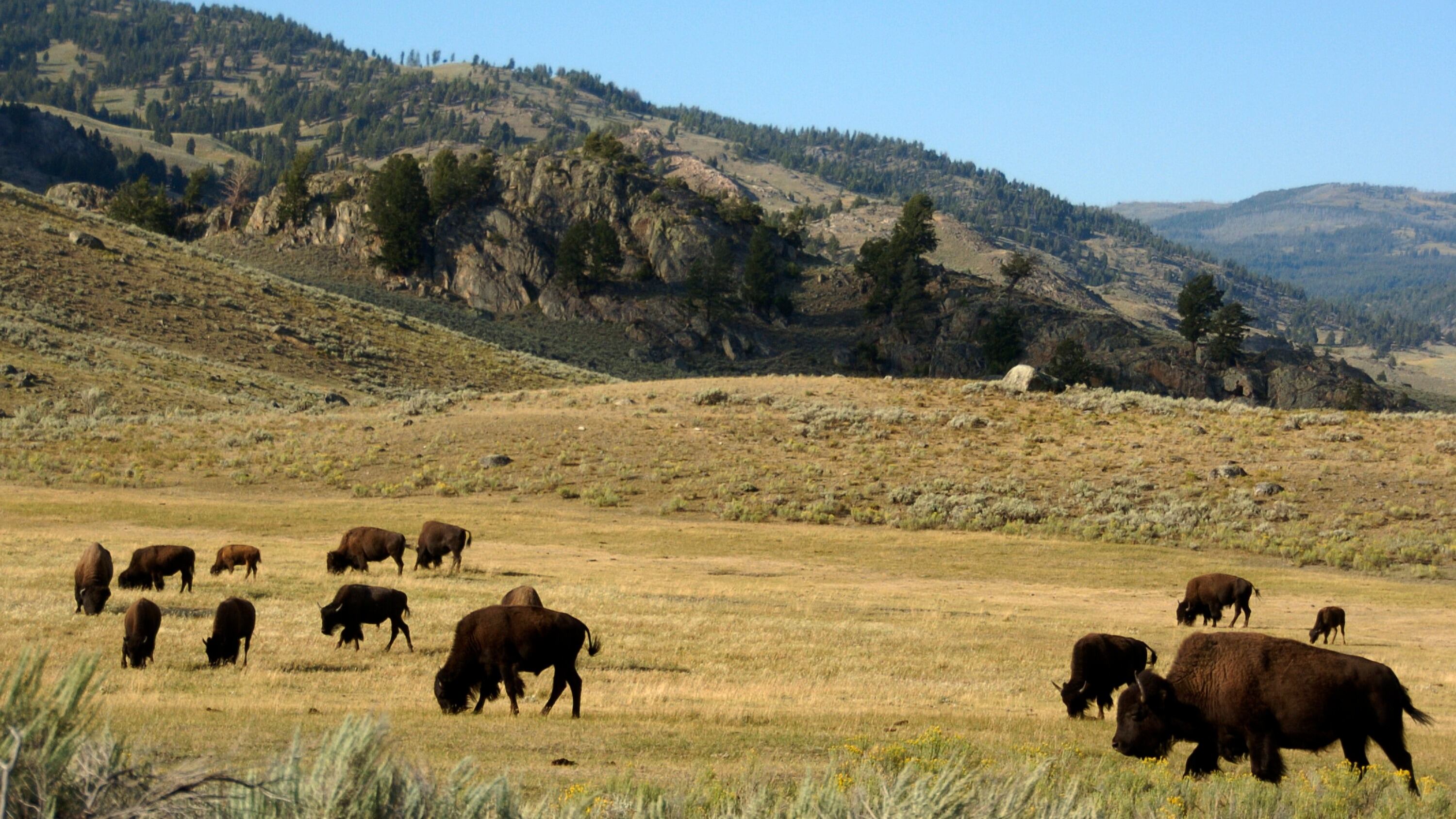
Yellowstone National Park officials killed a newborn bison because its herd wouldn’t take the animal back after a man picked it up.
The calf became separated from its mother when the herd crossed the Lamar River in northeastern Yellowstone on Saturday. The unidentified man pushed the struggling calf up from the river and onto a roadway, park officials said in a statement Tuesday.
Park rangers tried repeatedly to reunite the calf with the herd but were unsuccessful. Visitors saw the calf walking up to and following cars and people, creating a hazard, so park staff killed the animal, according to the statement.
It's the latest example of Yellowstone visitors getting in trouble or hurt after approaching bison. Park officials euthanized a newborn bison after a similar incident in 2016, when a Canadian man and his son put the calf in their SUV, thinking they could rescue it.
The man pleaded guilty. He was fined $235 and ordered to pay $500 to the Yellowstone Park Foundation Wildlife Protection Fund.
Bison have gored several people in Yellowstone in recent years, often after they got too close to the animals.
Many of Yellowstone’s larger animals — including bison, which can run up to 35 mph (55 kilometers per hour) and weigh up to 2,000 pounds (900 kilograms) — are deceptively dangerous, even when they’re just grazing or resting.
Park rules require visitors to keep at least 25 yards (23 meters) away from wildlife including bison, elk and deer, and at least 100 yards (91 meters) away from bears and wolves.
Park officials are investigating the bison calf incident. The suspect was a white male in his 40s or 50s who was wearing a blue shirt and black pants, the statement said.
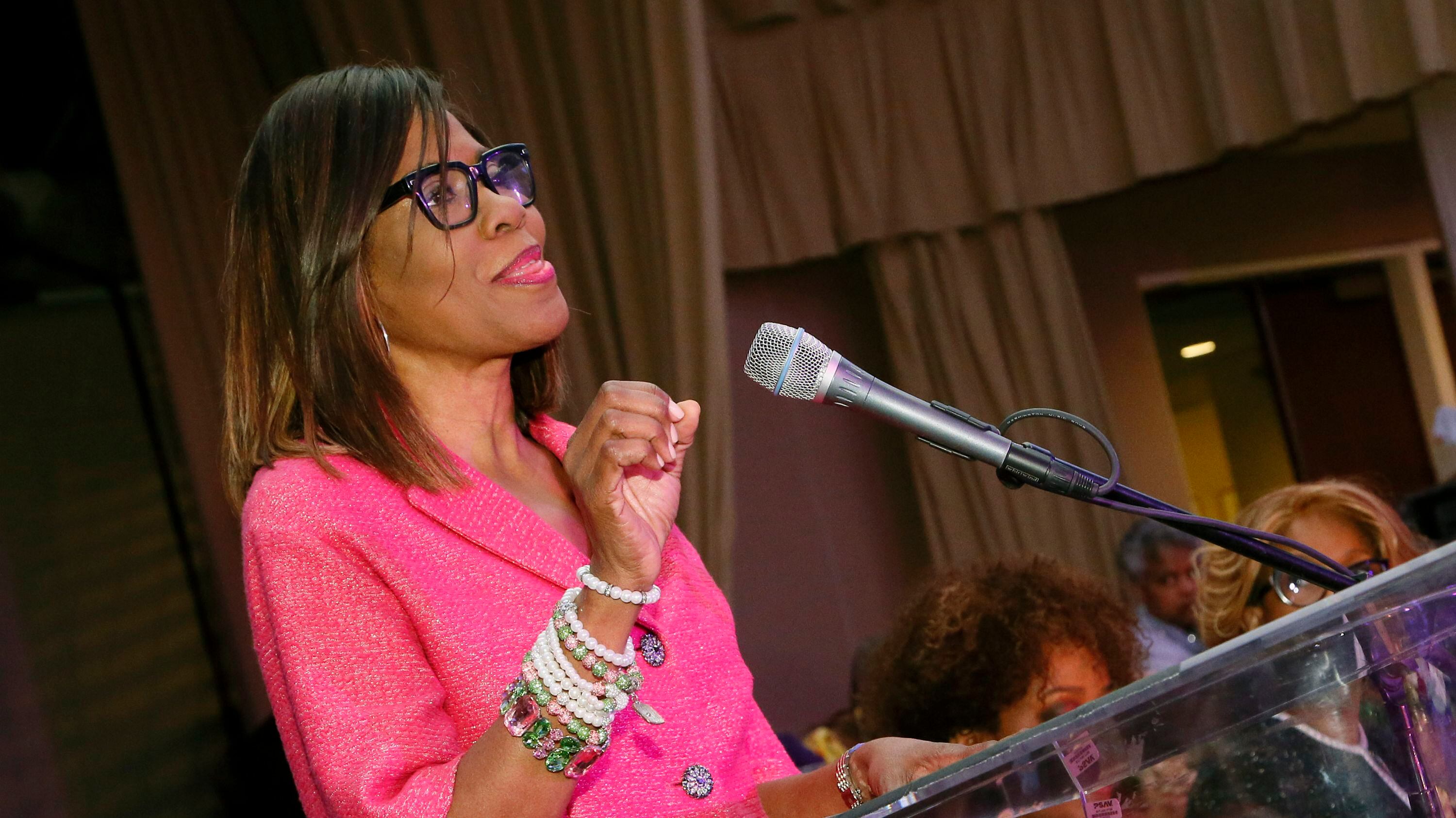
Dr. Patrice Harris, speaking to Cheddar the day after her tenure at the American Medical Association ended, leaves the nation’s largest association of physicians at a time of remarkable upheaval for the medical community.
New Zealand appears to have eradicated the coronavirus for now after health officials said the last known infected person has recovered.
Federal health authorities have received reports of nearly 26,000 nursing home residents dying from COVID-19, according to materials prepared for the nation's governors. That number is partial and likely to go higher.
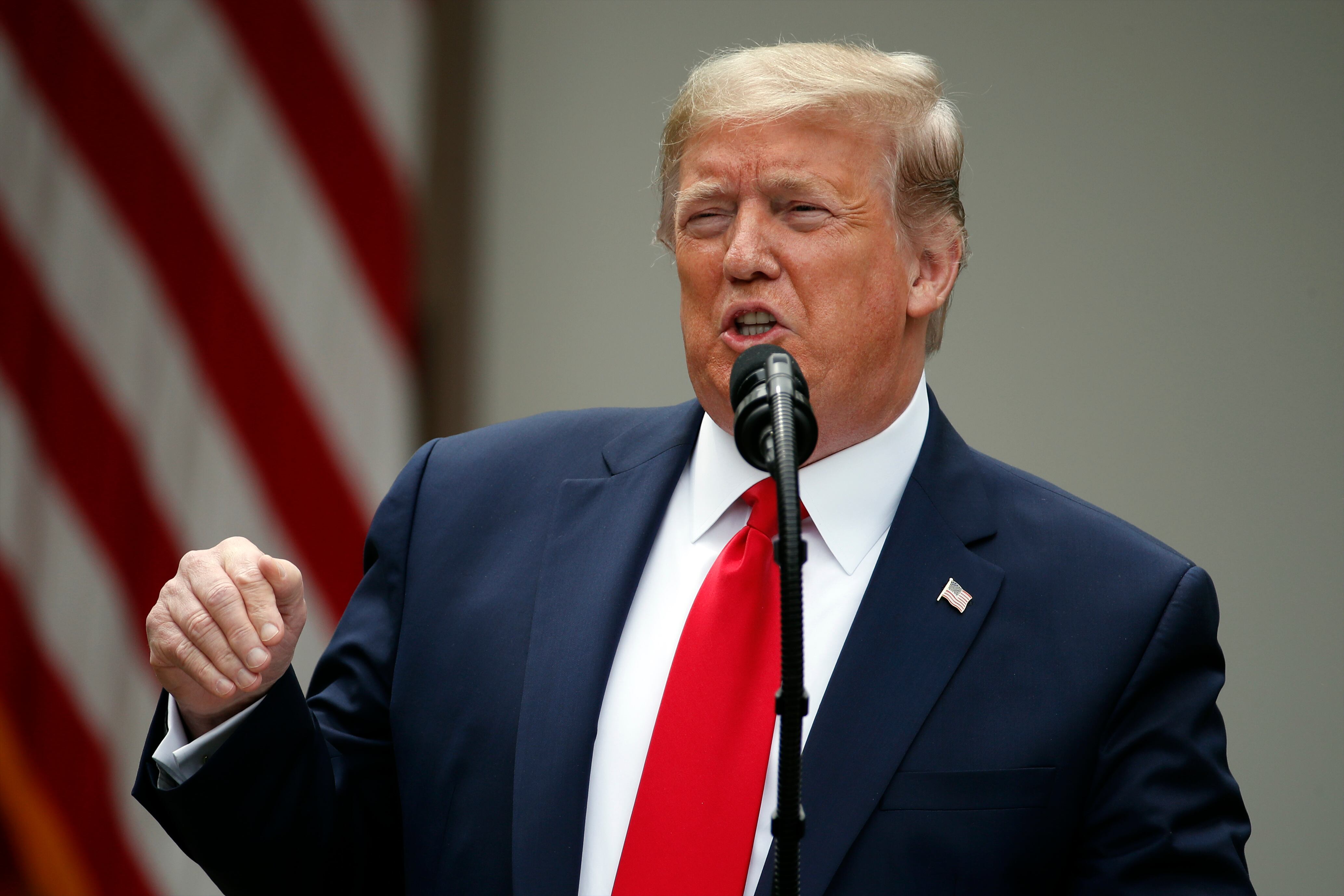
President Donald Trump has announced that the U.S. will be terminating its relationship with the World Health Organization.
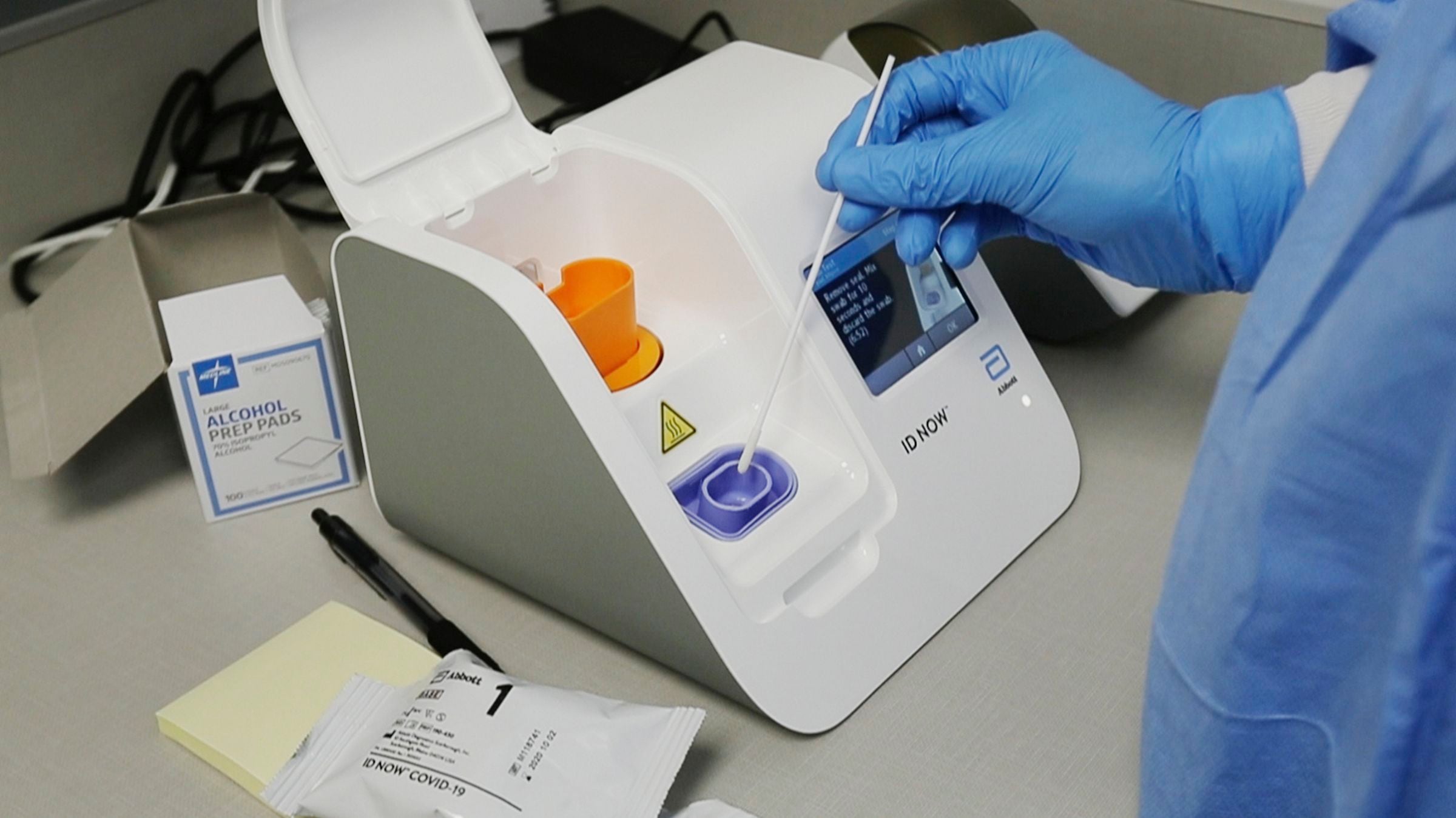
Phil Ginsburg, Abbott's Head of Infectious Disease, told Cheddar that new data shows the ID Now quick-results test for coronavirus is accurate if used as intended.
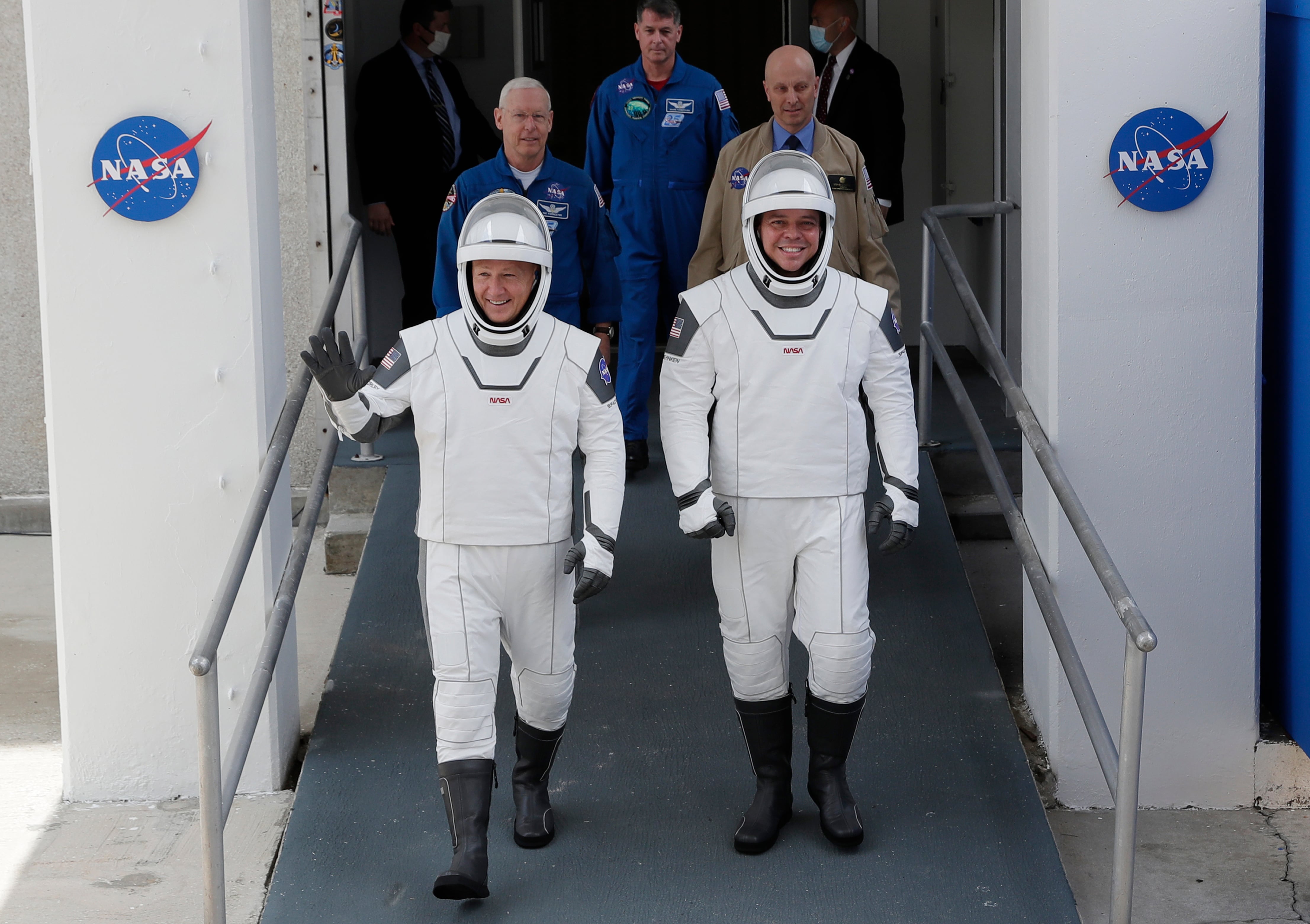
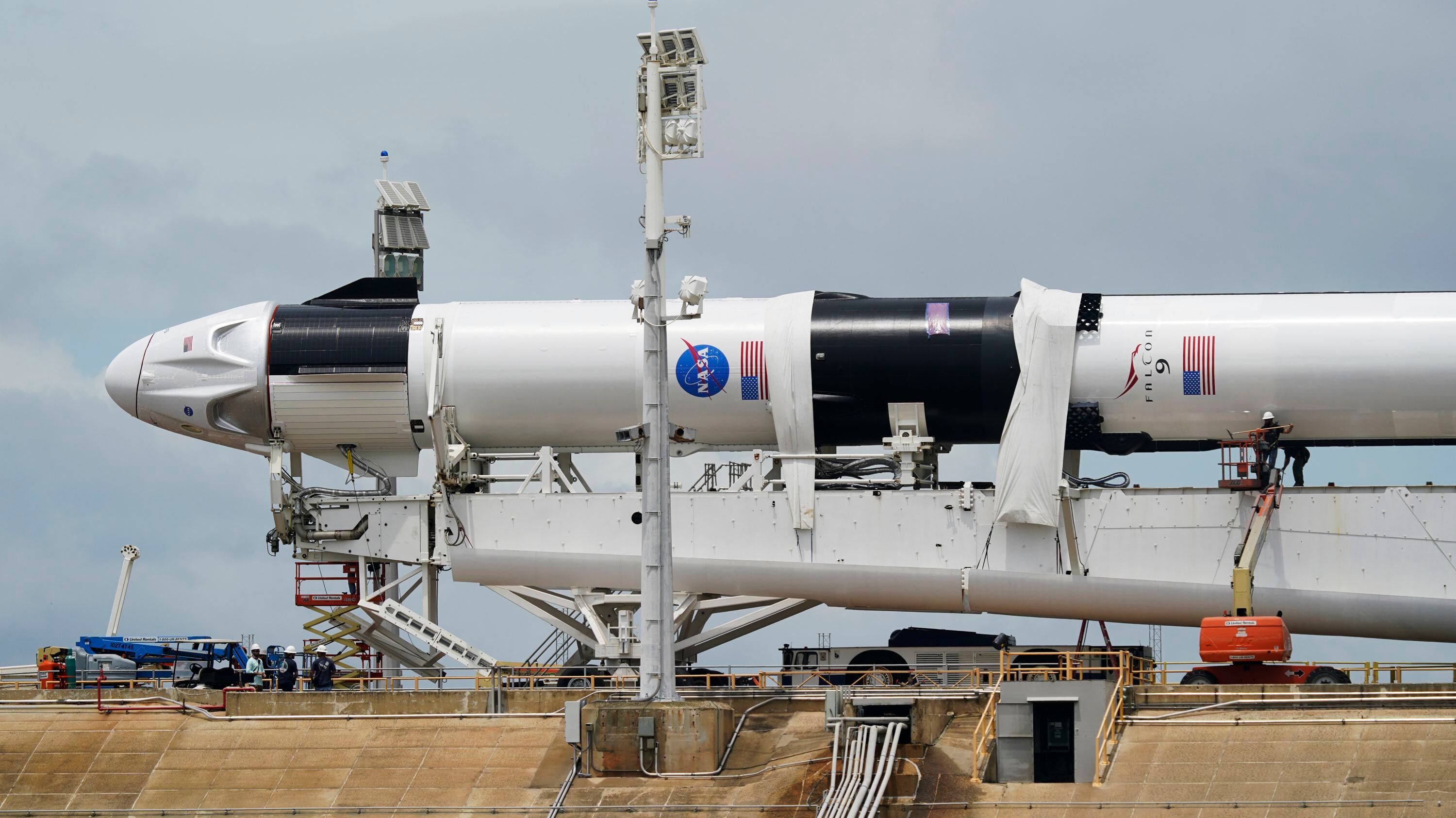
The launch of a SpaceX rocket ship with two NASA astronauts on a history-making flight into orbit has been called off with 16 minutes to go in the countdown because of the danger of lightning.
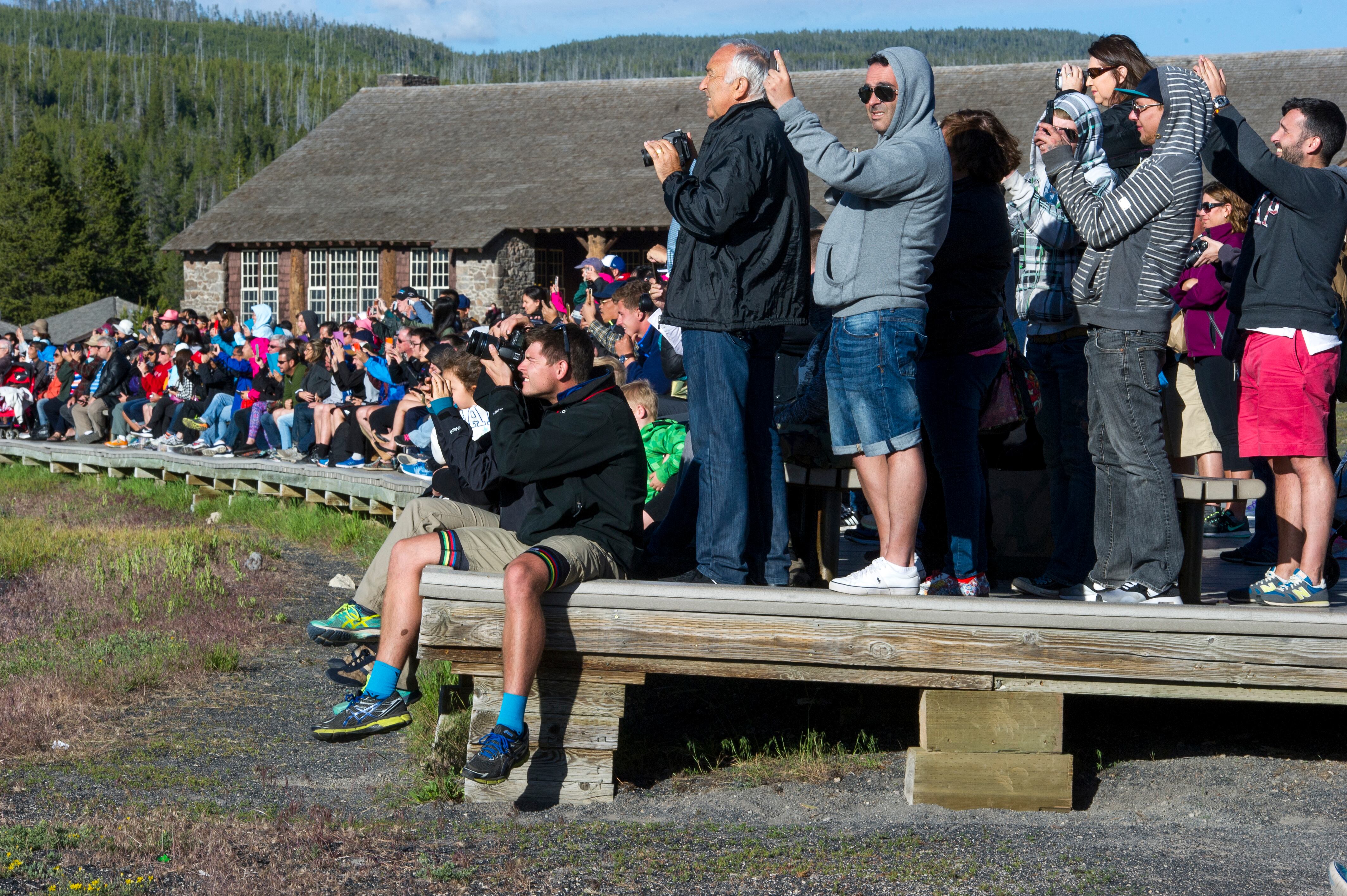
Visitation to National Park Service sites has seen a boom in recent years. For five years in a row, the park service has tallied over 300 million visitors per year. It’s an unprecedented spike, and the reason why this is happening now goes deeper than social media alone. While the threat of COVID-19 will likely change those numbers this year, the park service is still figuring out how to regain the balance between preservation and visitation. Cheddar explains the history of crowding in America’s national parks, and the impacts we are seeing from that today.
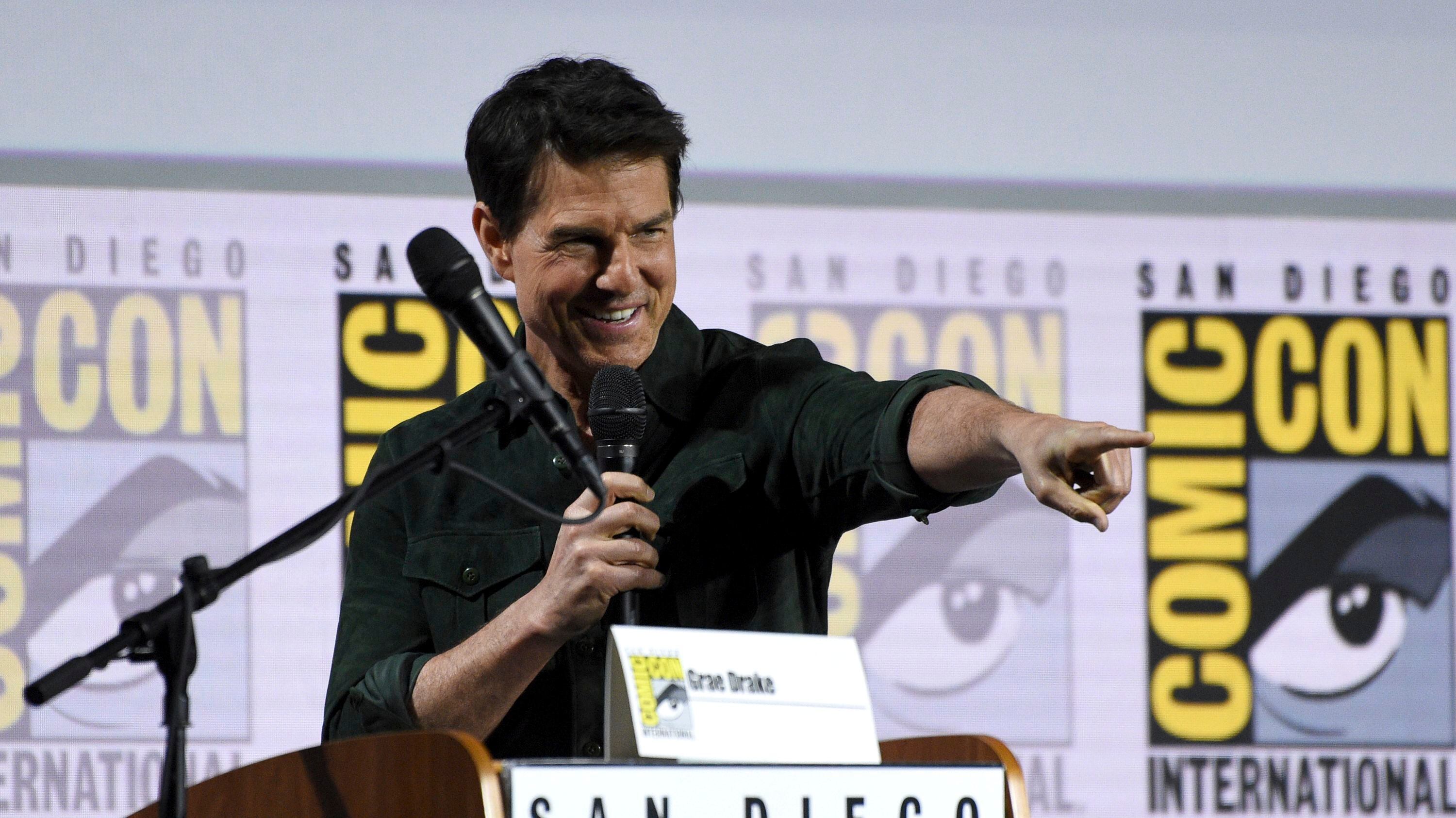
NASA is rolling out the International Space Station's red carpet for Tom Cruise.
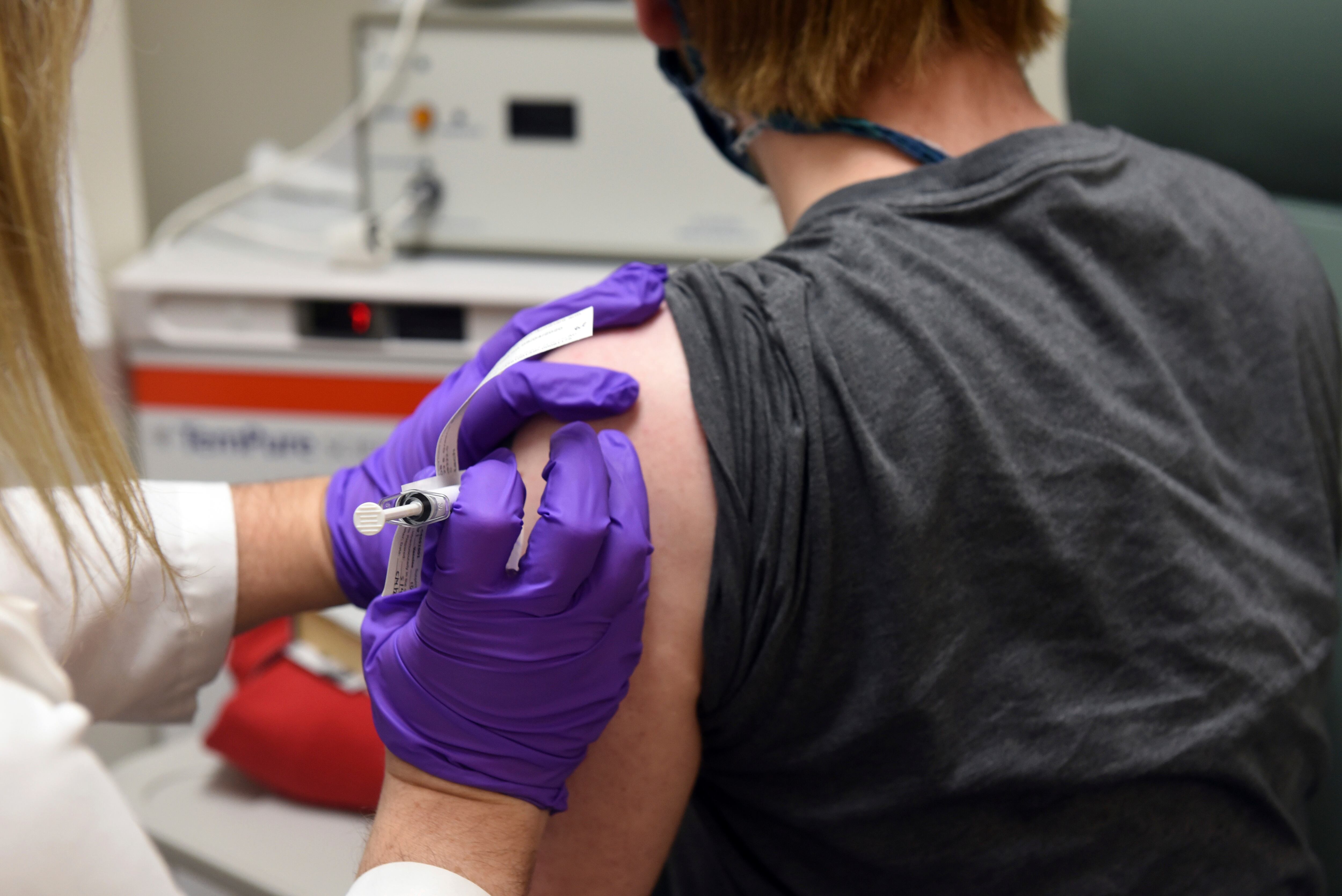
Only about half of Americans say they would get a COVID-19 vaccine if the scientists working furiously to create one succeed.
Forecasters say the odds of acceptable conditions have improved to 60% for Wednesday's planned launch of a SpaceX Falcon rocket with two NASA astronauts.