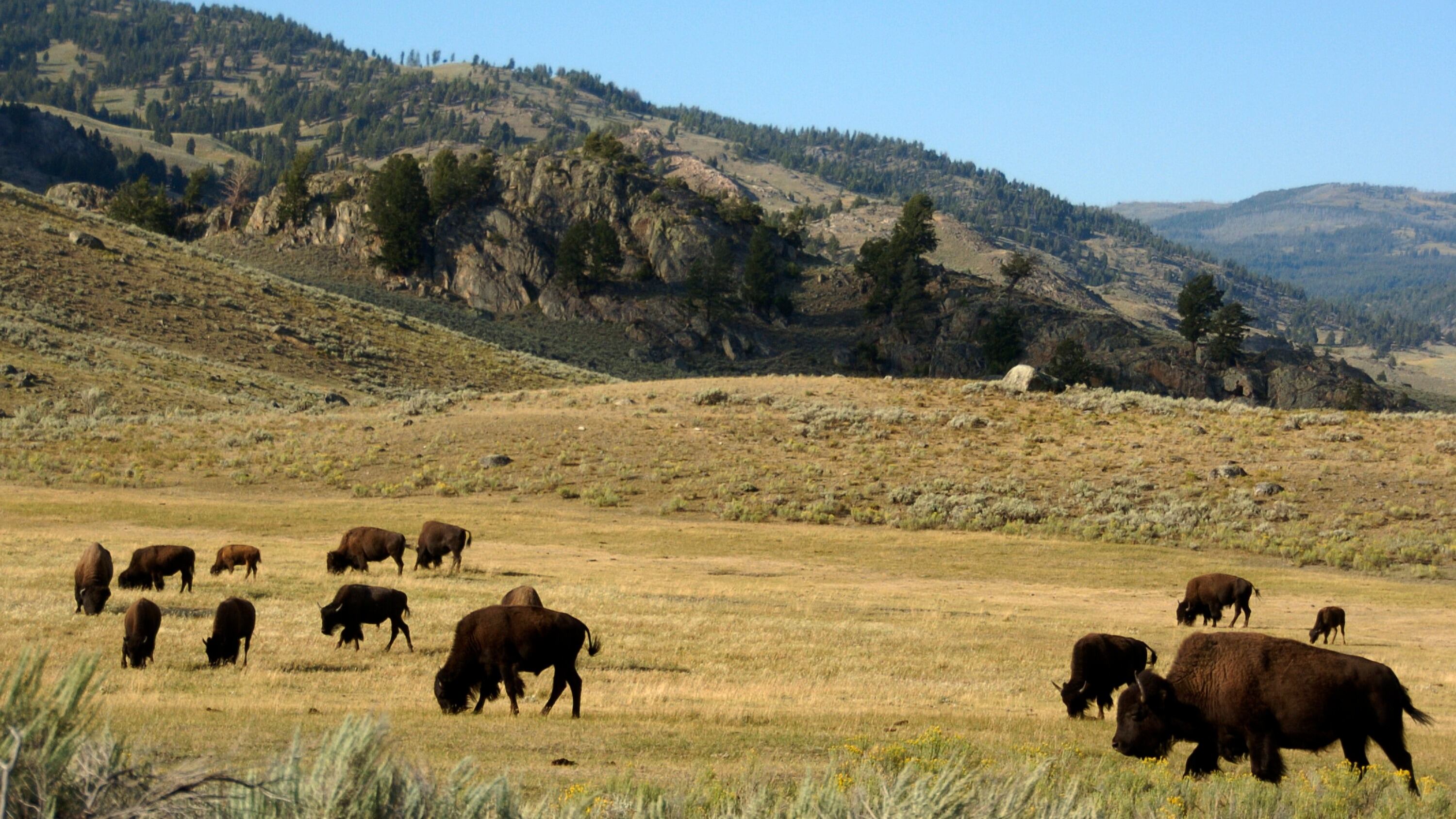
Yellowstone National Park officials killed a newborn bison because its herd wouldn’t take the animal back after a man picked it up.
The calf became separated from its mother when the herd crossed the Lamar River in northeastern Yellowstone on Saturday. The unidentified man pushed the struggling calf up from the river and onto a roadway, park officials said in a statement Tuesday.
Park rangers tried repeatedly to reunite the calf with the herd but were unsuccessful. Visitors saw the calf walking up to and following cars and people, creating a hazard, so park staff killed the animal, according to the statement.
It's the latest example of Yellowstone visitors getting in trouble or hurt after approaching bison. Park officials euthanized a newborn bison after a similar incident in 2016, when a Canadian man and his son put the calf in their SUV, thinking they could rescue it.
The man pleaded guilty. He was fined $235 and ordered to pay $500 to the Yellowstone Park Foundation Wildlife Protection Fund.
Bison have gored several people in Yellowstone in recent years, often after they got too close to the animals.
Many of Yellowstone’s larger animals — including bison, which can run up to 35 mph (55 kilometers per hour) and weigh up to 2,000 pounds (900 kilograms) — are deceptively dangerous, even when they’re just grazing or resting.
Park rules require visitors to keep at least 25 yards (23 meters) away from wildlife including bison, elk and deer, and at least 100 yards (91 meters) away from bears and wolves.
Park officials are investigating the bison calf incident. The suspect was a white male in his 40s or 50s who was wearing a blue shirt and black pants, the statement said.
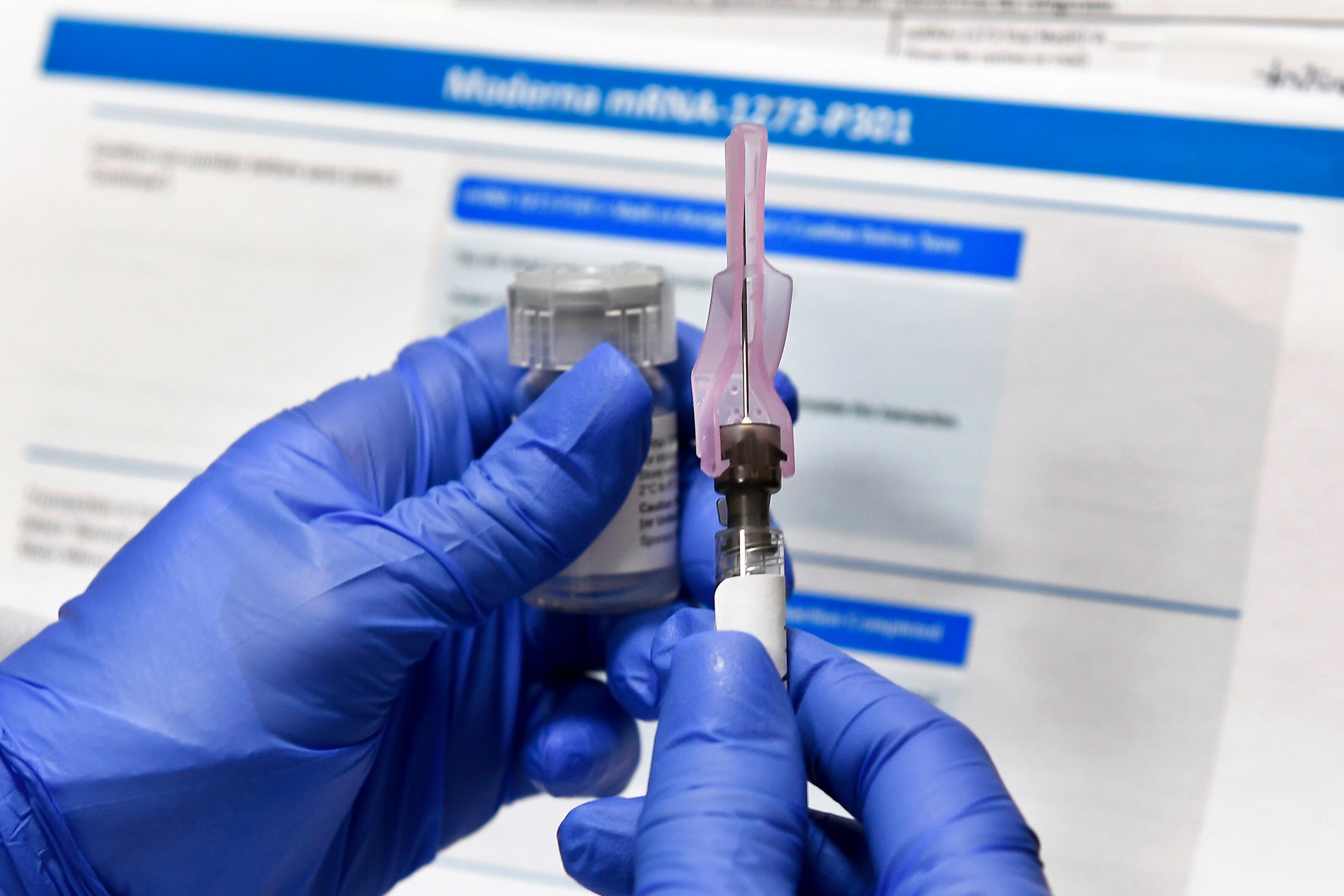
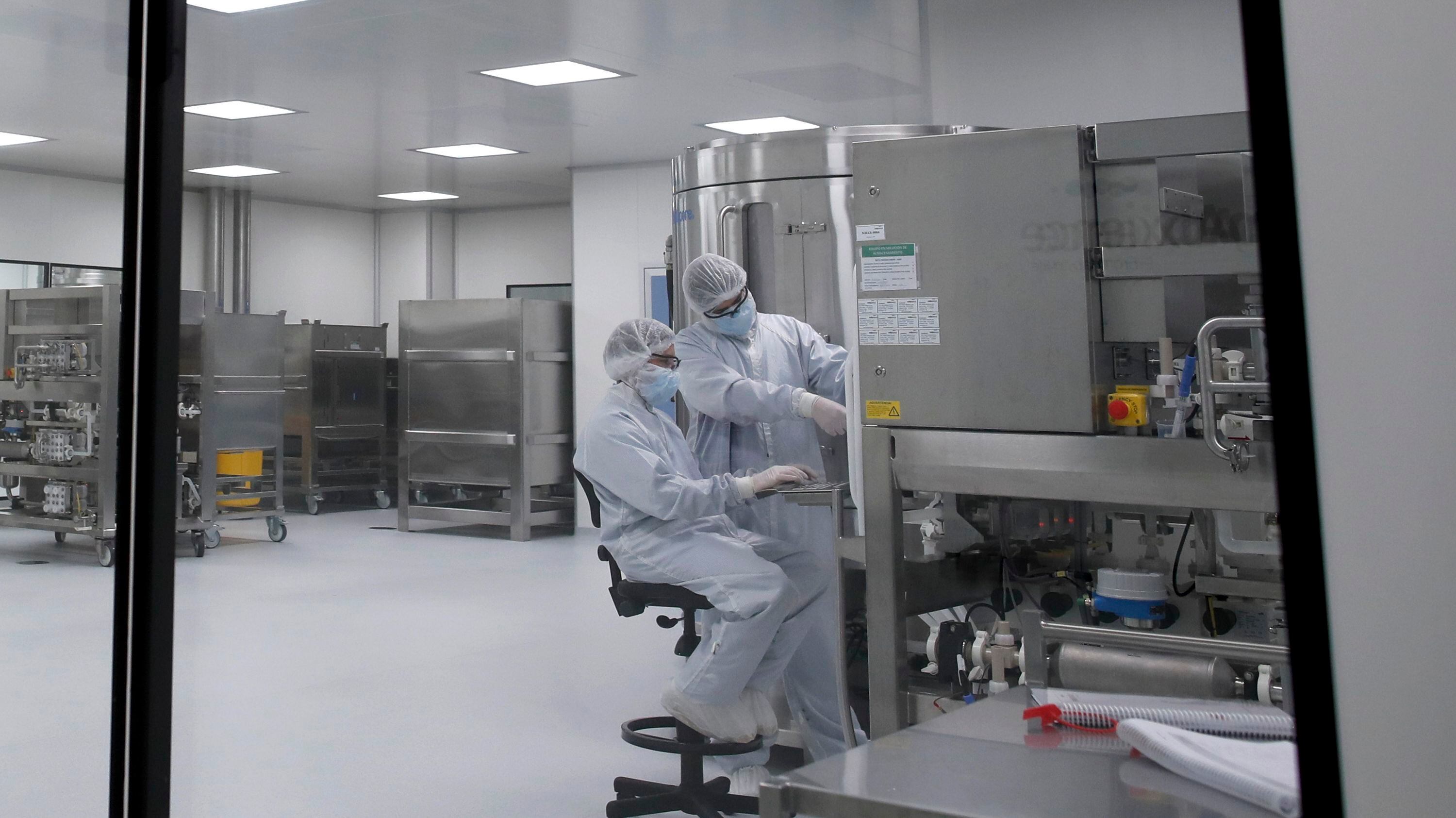
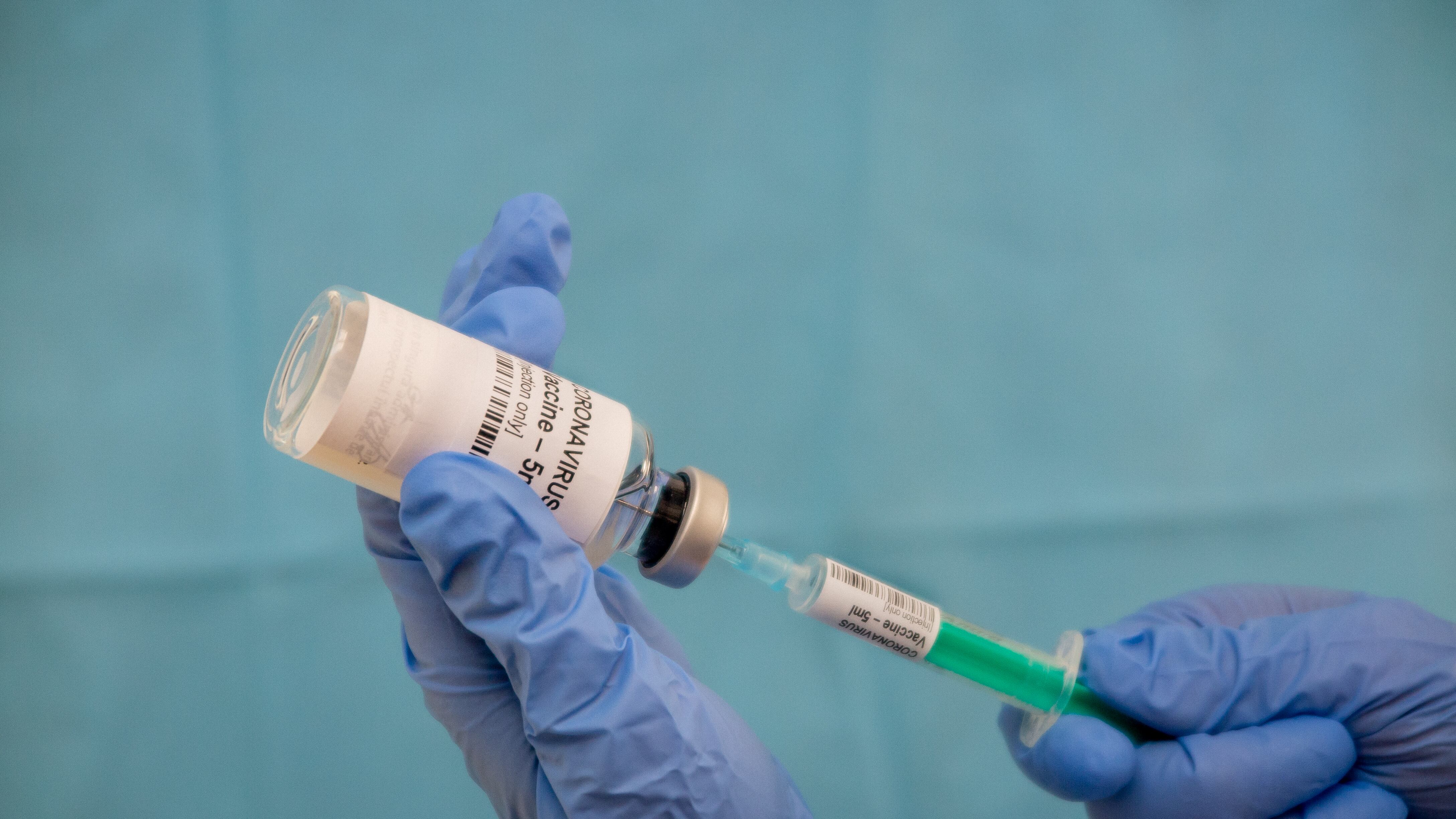
Top executives of nine drugmakers likely to produce the first vaccines against the new coronavirus are taking the extraordinary step of promising they'll be safe and effective.
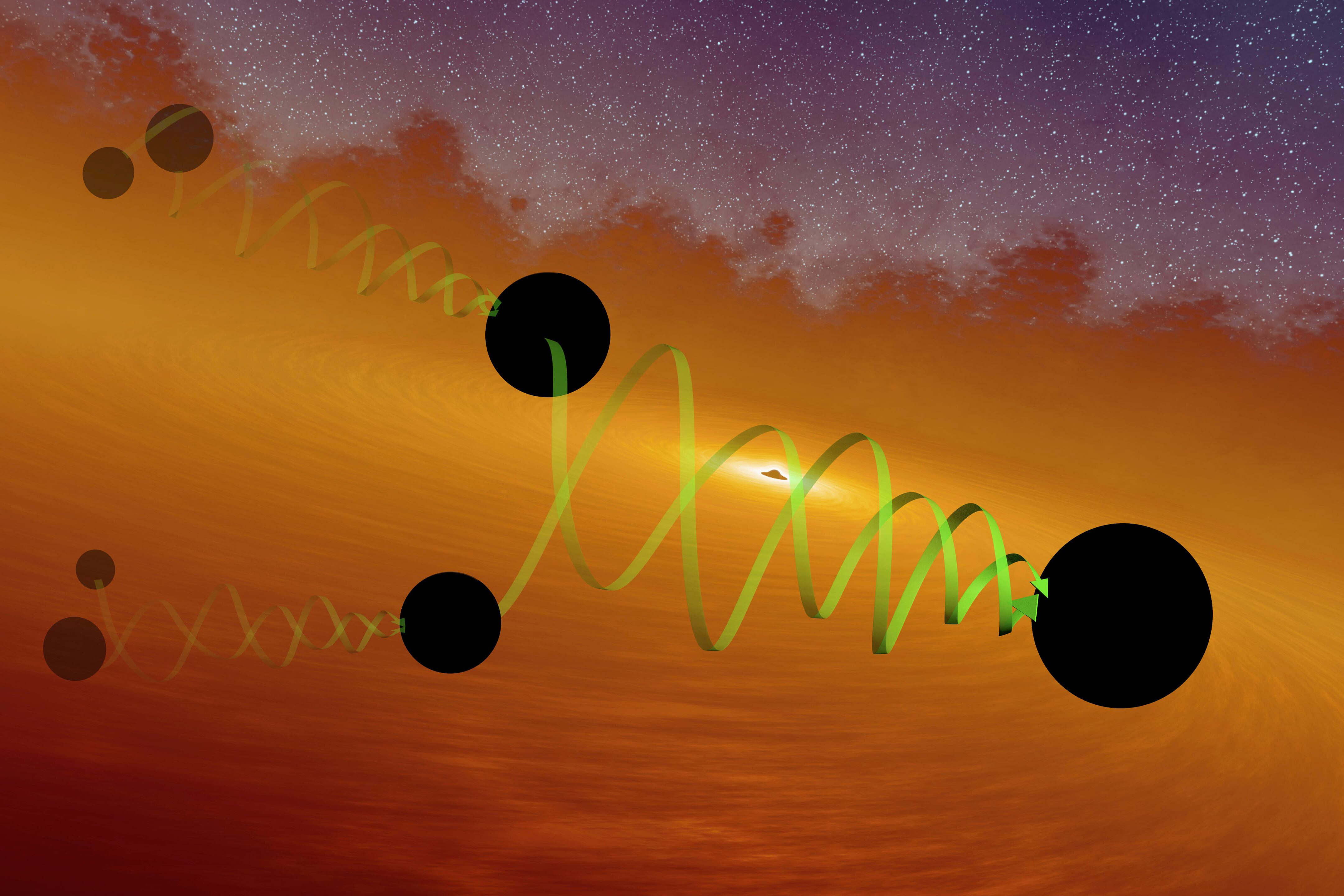
Astrophysicists detected the signal from a long ago violent collision of two black holes that created a new one of a size that had never been seen before.
The timeline raised concern among public health experts about an “October surprise" — a vaccine approval driven by political considerations ahead of a presidential election, rather than science.
Thailand’s prime minister is congratulating the nation for having achieved 100 days without a confirmed locally transmitted case of the coronavirus.
A third leading candidate COVID-19 vaccine has entered a final stage of human testing in the United States.
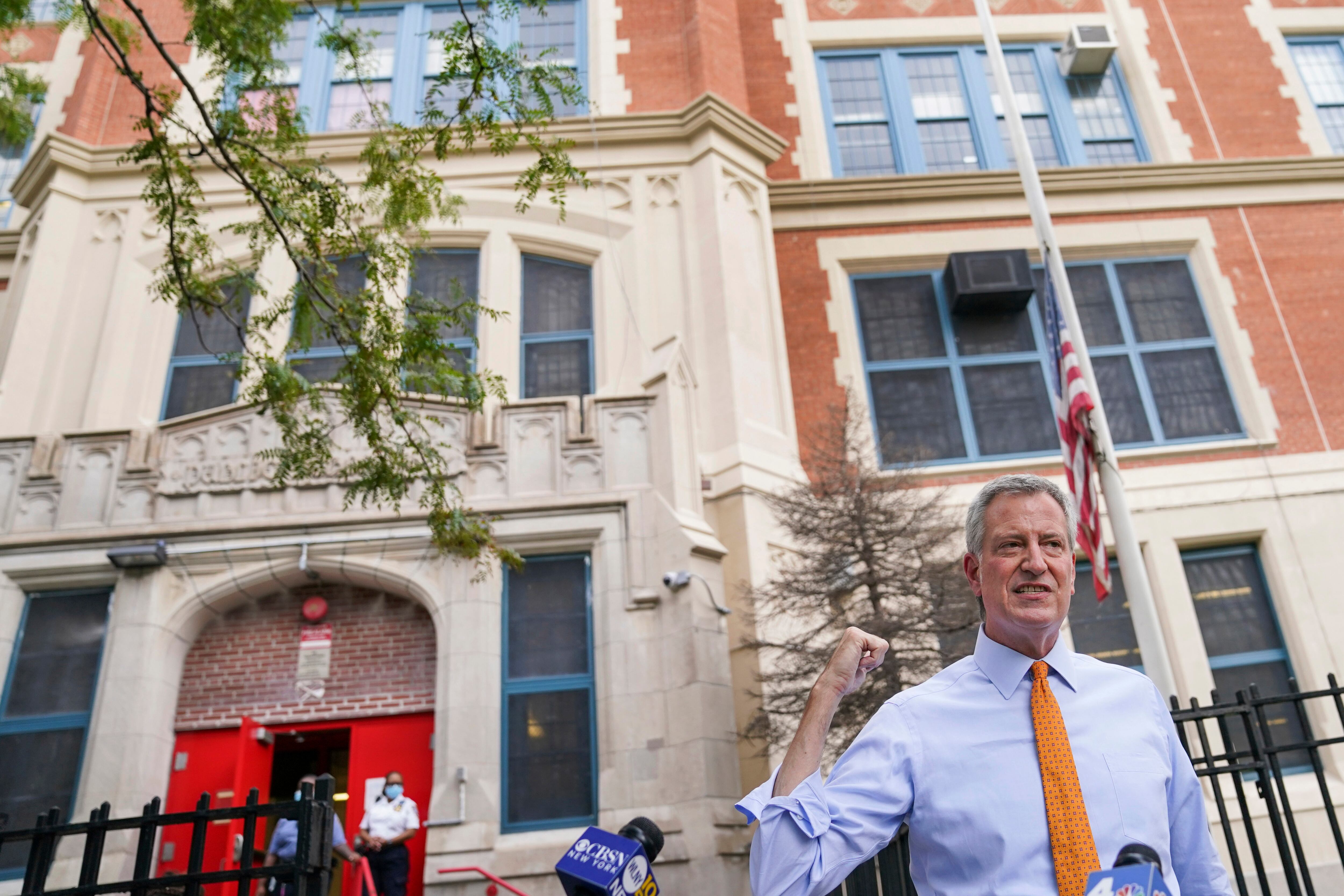
Mayor Bill de Blasio says New York City is delaying sending students back to classrooms in the nation’s largest public school system.
West Virginia University has developed technology that can predict coronavirus outbreaks with 90 percent accuracy. Dr. Ali Rezai, executive chair of WVU's Rockefeller Neuroscience Institute, joined Cheddar to discuss the technology and protocols the university will implement to mitigate the spread of COVID-19.
How and whether companies participate in COVID-19 vaccination programs could mean the difference between a successful roll-out, and one fraught with suspicion and misunderstanding.
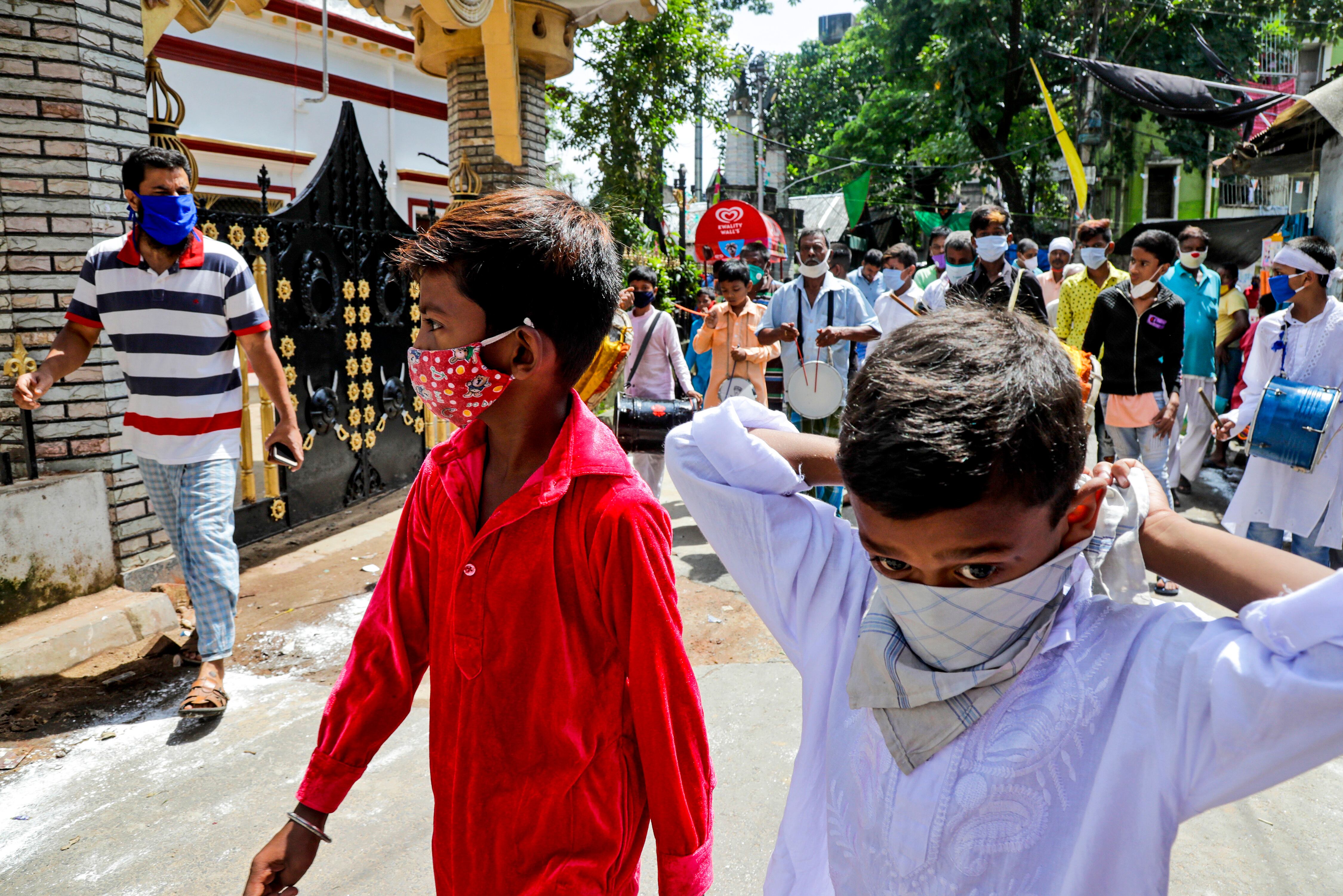
India has registered 78,761 new coronavirus cases, the biggest single-day spike in the world since the pandemic began, just as the government began easing restrictions to help the battered economy.
From Wall Street to Silicon Valley, these are the top stories that moved markets and had investors, business leaders, and entrepreneurs talking this week on Cheddar.