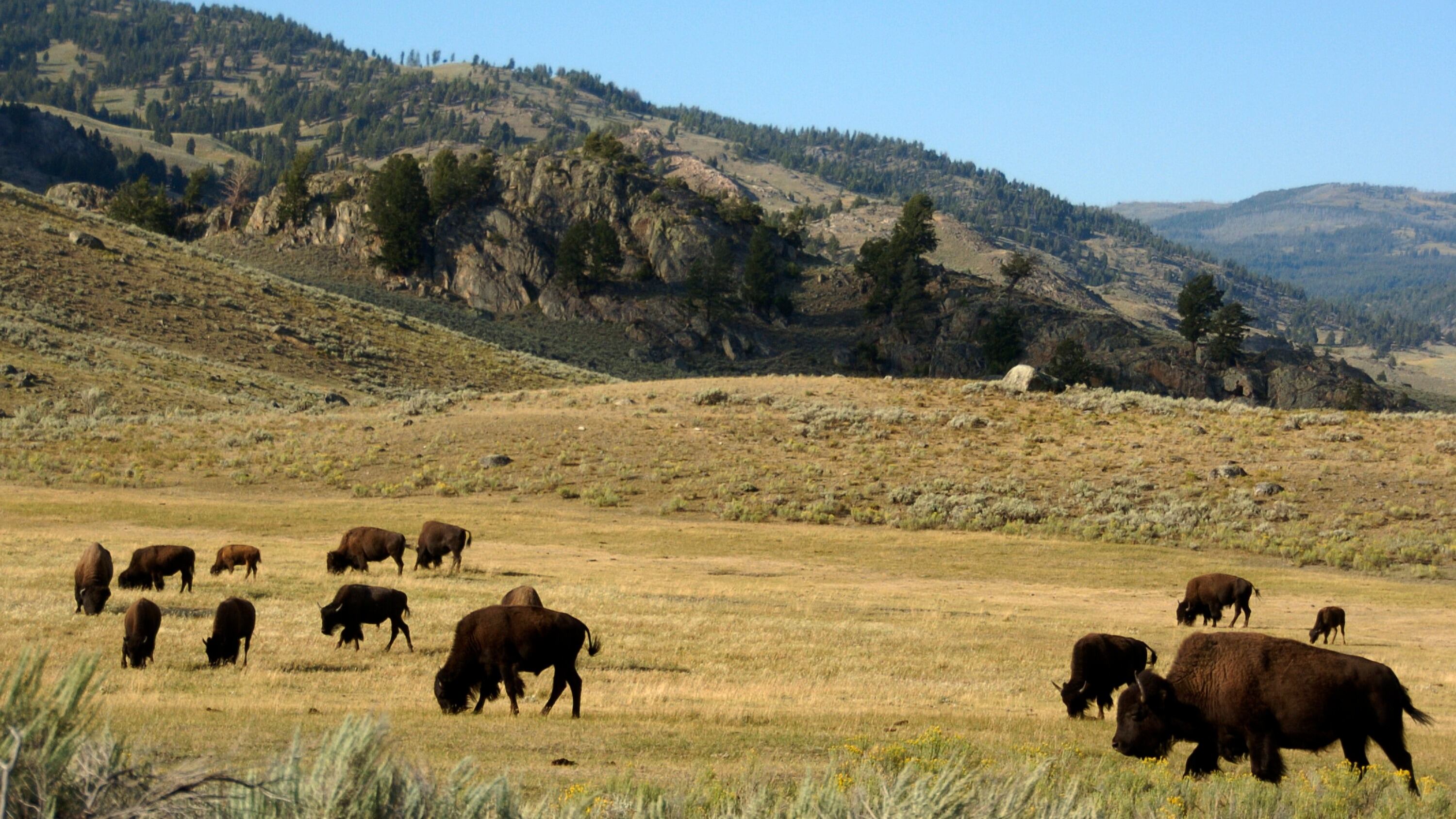
Yellowstone National Park officials killed a newborn bison because its herd wouldn’t take the animal back after a man picked it up.
The calf became separated from its mother when the herd crossed the Lamar River in northeastern Yellowstone on Saturday. The unidentified man pushed the struggling calf up from the river and onto a roadway, park officials said in a statement Tuesday.
Park rangers tried repeatedly to reunite the calf with the herd but were unsuccessful. Visitors saw the calf walking up to and following cars and people, creating a hazard, so park staff killed the animal, according to the statement.
It's the latest example of Yellowstone visitors getting in trouble or hurt after approaching bison. Park officials euthanized a newborn bison after a similar incident in 2016, when a Canadian man and his son put the calf in their SUV, thinking they could rescue it.
The man pleaded guilty. He was fined $235 and ordered to pay $500 to the Yellowstone Park Foundation Wildlife Protection Fund.
Bison have gored several people in Yellowstone in recent years, often after they got too close to the animals.
Many of Yellowstone’s larger animals — including bison, which can run up to 35 mph (55 kilometers per hour) and weigh up to 2,000 pounds (900 kilograms) — are deceptively dangerous, even when they’re just grazing or resting.
Park rules require visitors to keep at least 25 yards (23 meters) away from wildlife including bison, elk and deer, and at least 100 yards (91 meters) away from bears and wolves.
Park officials are investigating the bison calf incident. The suspect was a white male in his 40s or 50s who was wearing a blue shirt and black pants, the statement said.
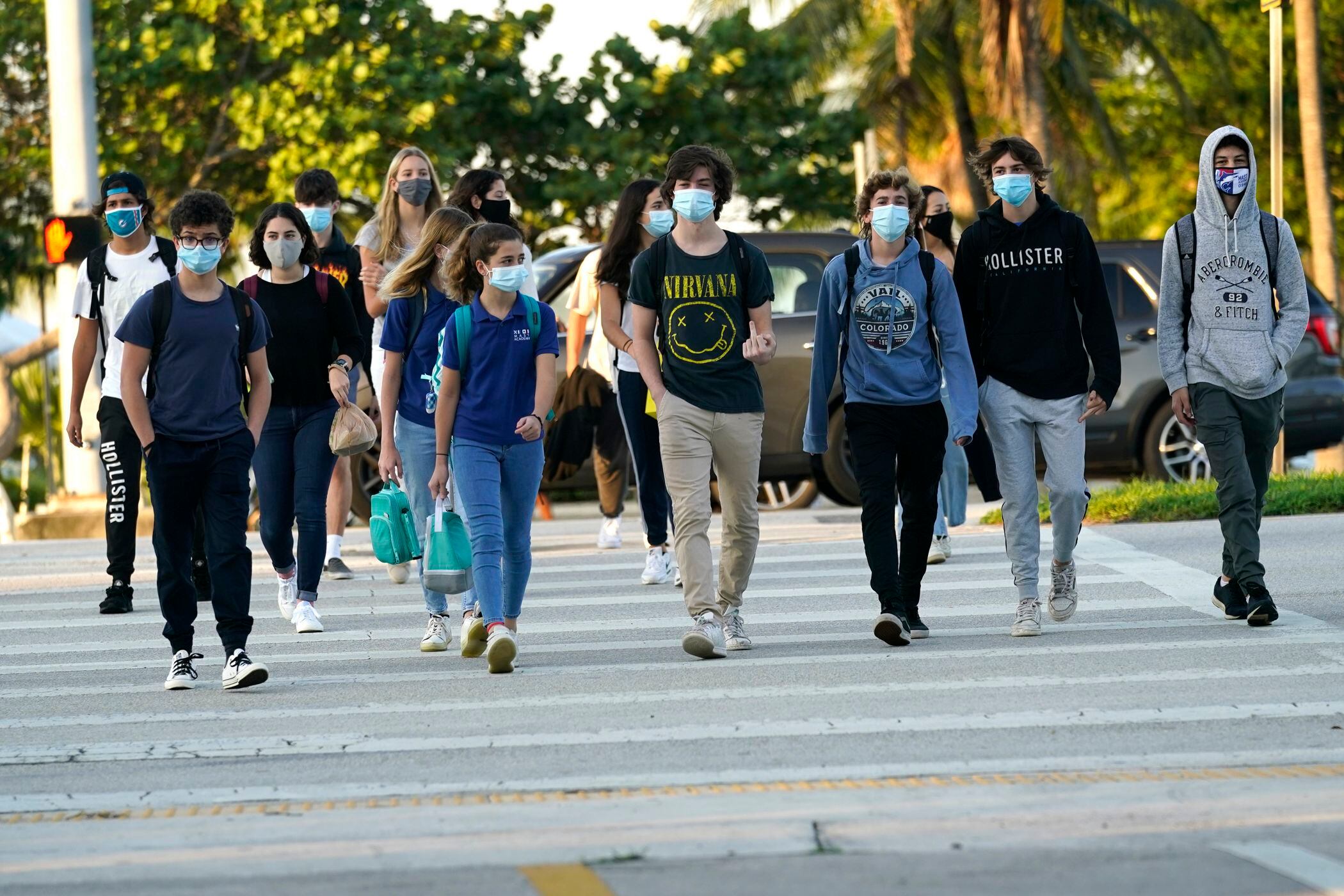
A trio of scientists is championing a controversial alternative to coronavirus lockdowns in a 500-word document called the Great Barrington Declaration, which is stirring up significant backlash from other public health experts.
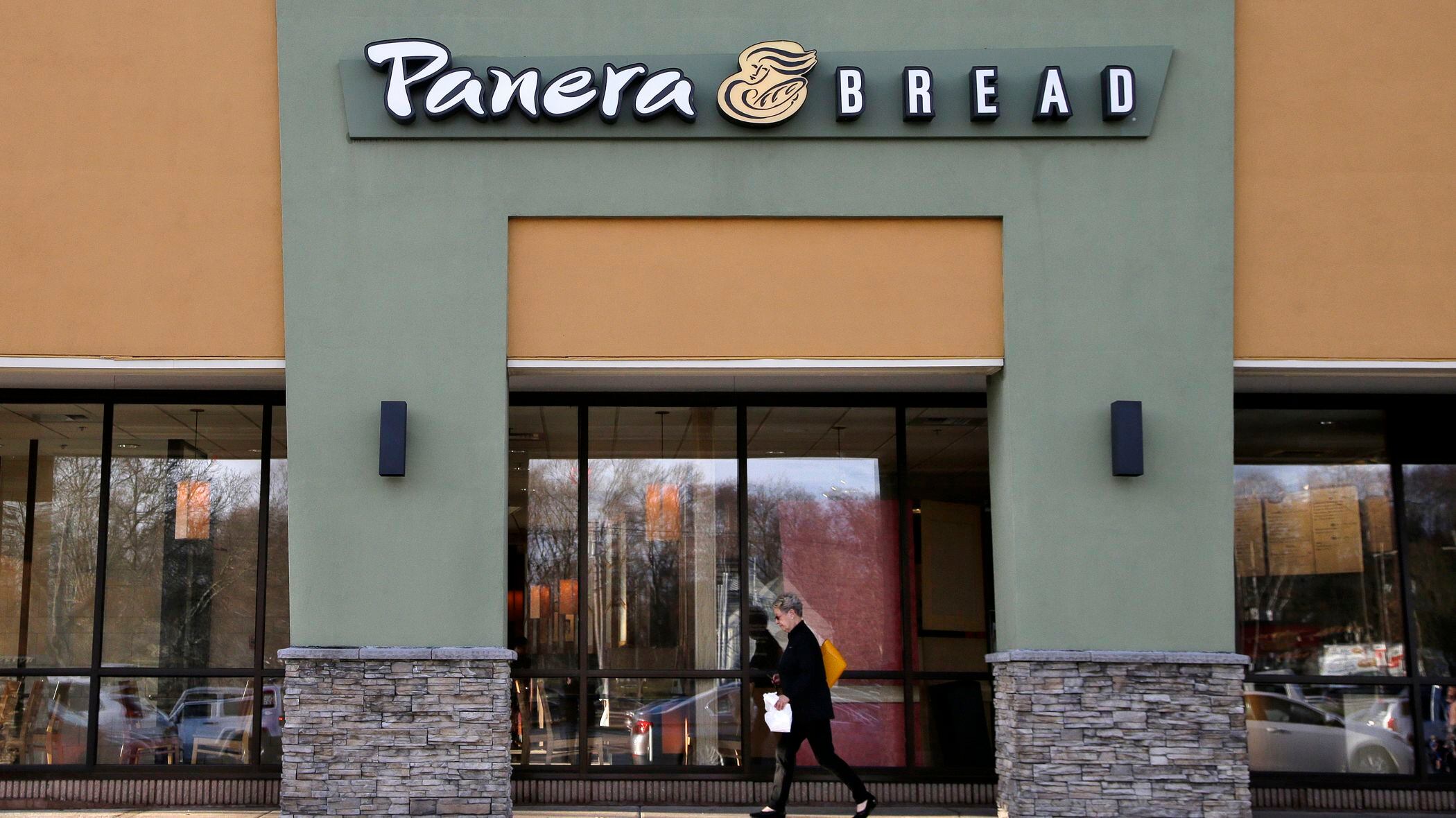
Panera is doing its part to go green, upgrading its menu options to include the carbon footprint of each item. CEO Niren Chaudhary joined Cheddar to break down food production's link to climate change.
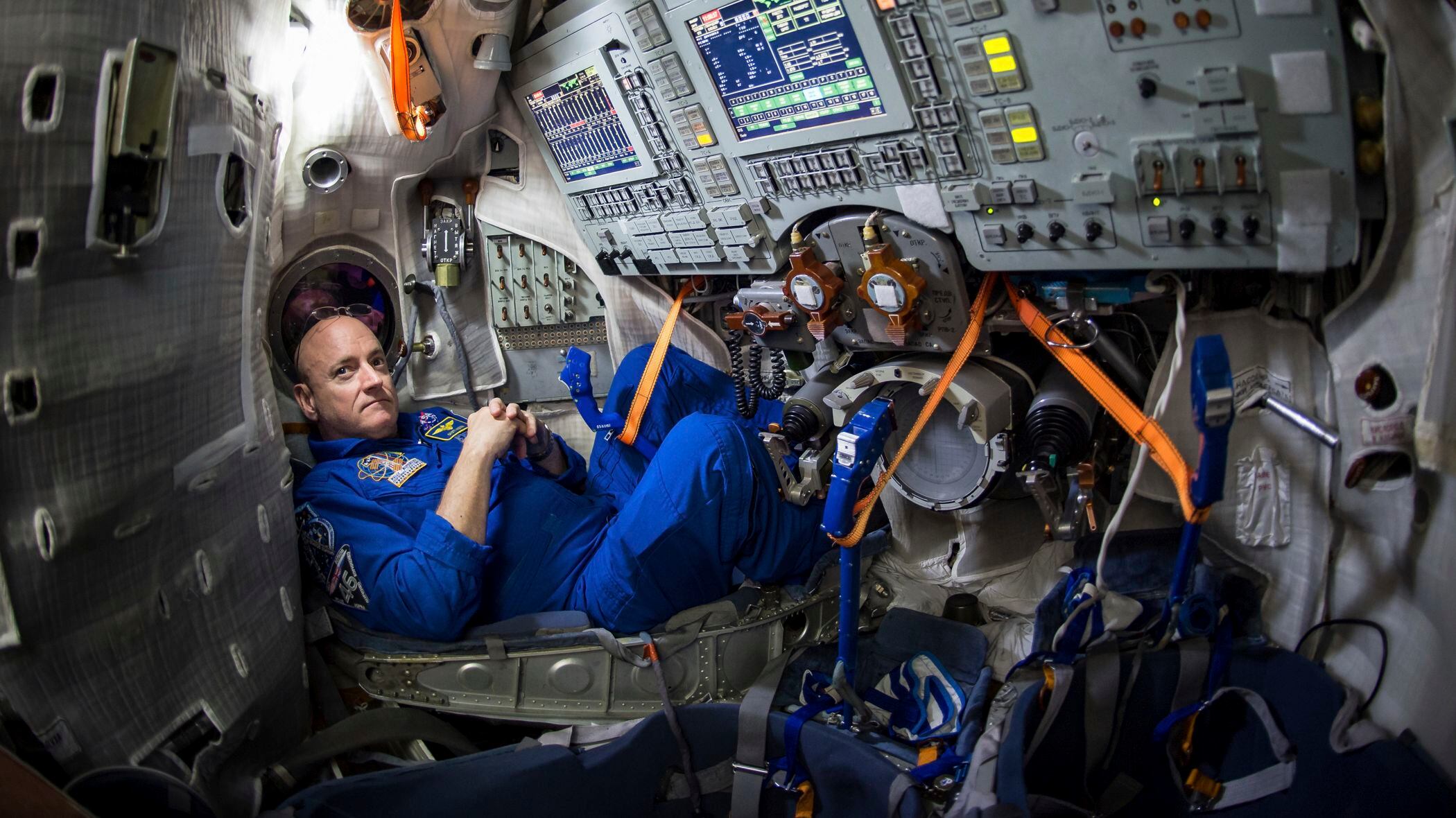
Former NASA astronaut, Scott Kelly provides some insight into the impacts of being isolated, particularly as people around the world experience it amid the coronavirus pandemic.
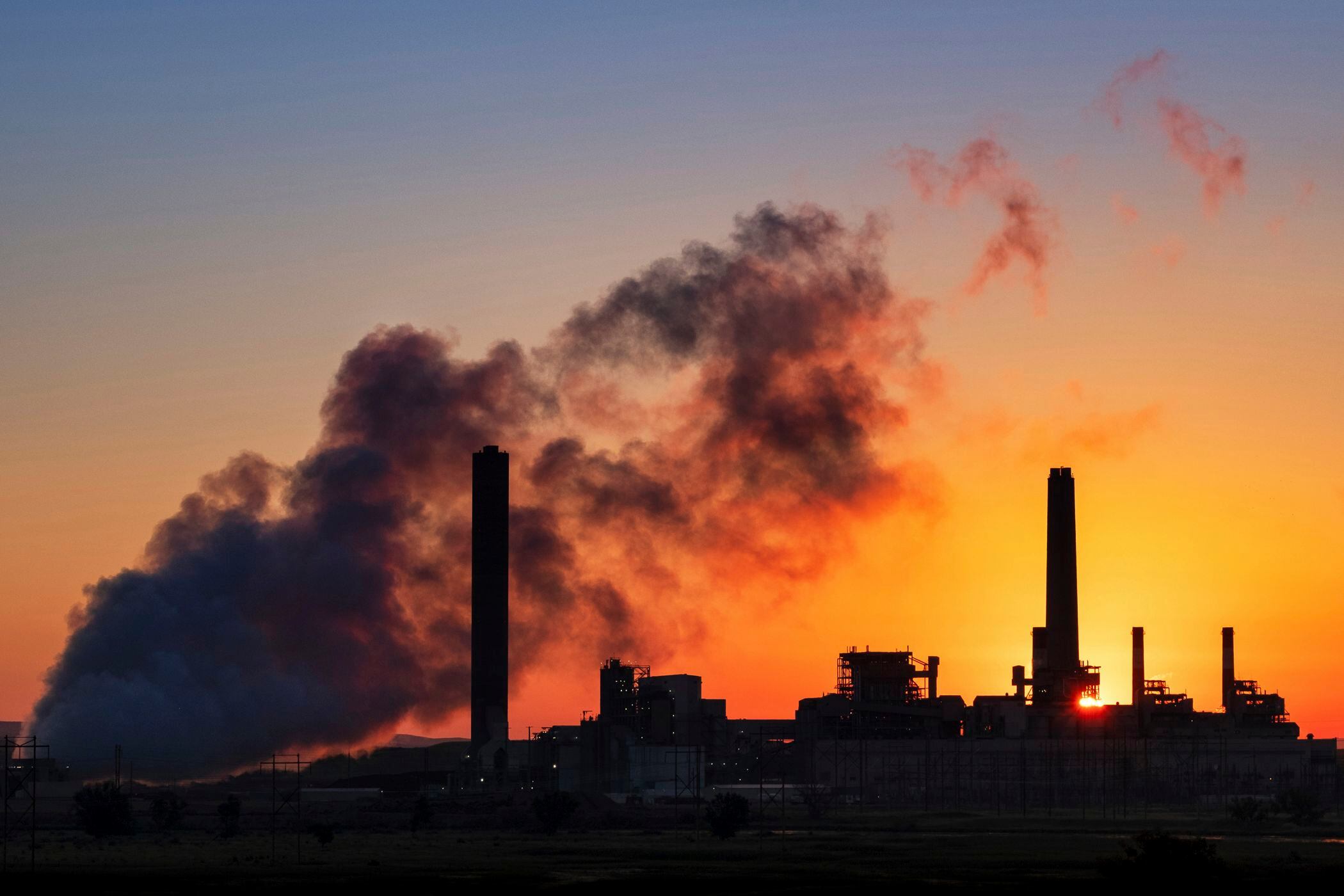
US Scientists calculate that Earth hit its warmest September on record last month. The National Oceanic and Atmospheric Administration Wednesday said there's nearly a two-to-one chance that 2020 will end up as the hottest year on record.
Facing public skepticism about rushed COVID-19 vaccines, U.S. health officials are planning an extra layer of safety scrutiny for the first people vaccinated when shots become available.
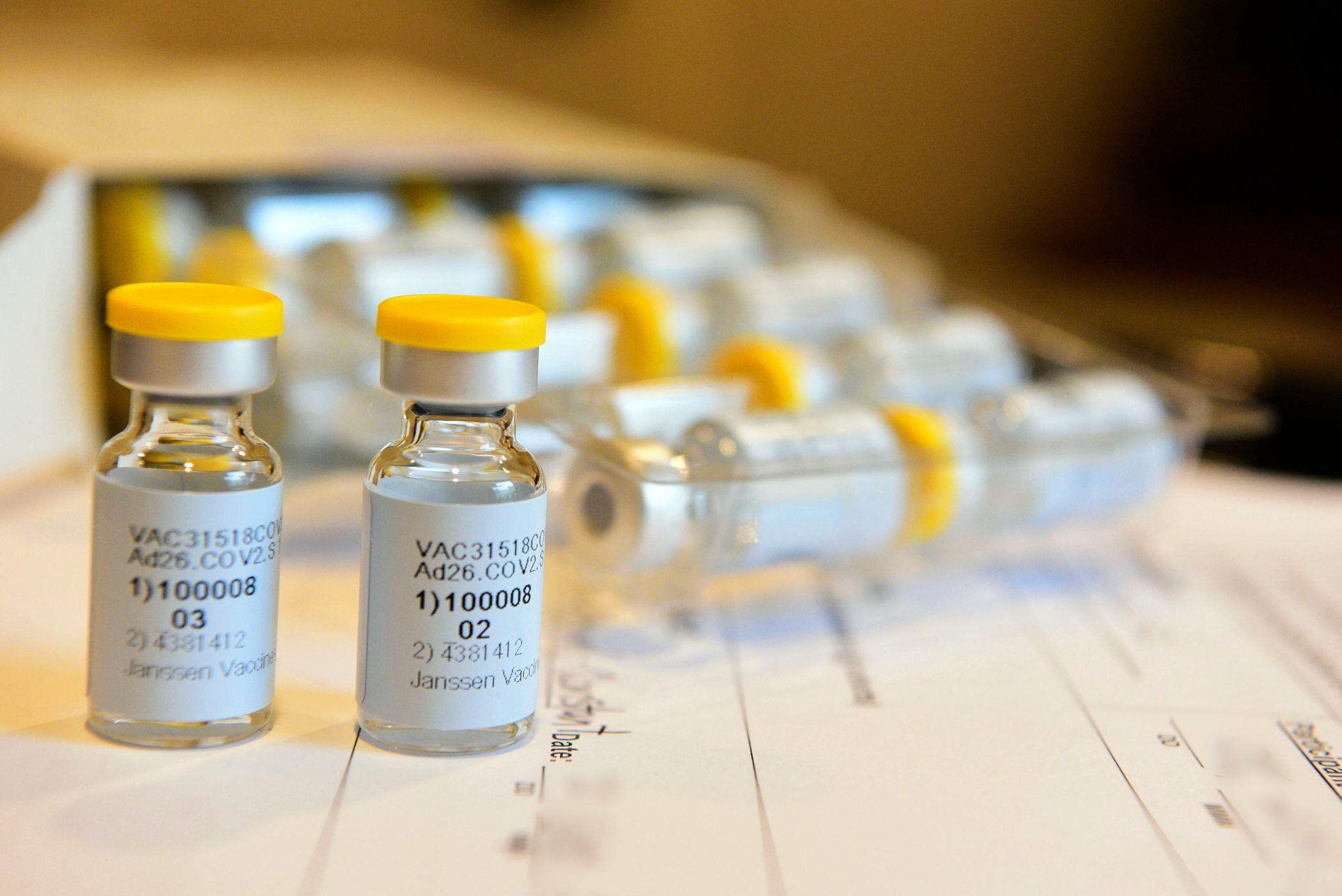
A late-stage study of Johnson & Johnson’s COVID-19 vaccine candidate has been paused while the company investigates whether a study participant’s “unexplained illness” is related to the shot.
At least 2 percent of American children are being raised by their grandparents, an arrangement that already has unique challenges for such families, but the COVID-19 pandemic is adding even more obstacles to contend with.
From Wall Street to Silicon Valley, these are the top stories that moved markets and had investors, business leaders, and entrepreneurs talking this week on Cheddar.
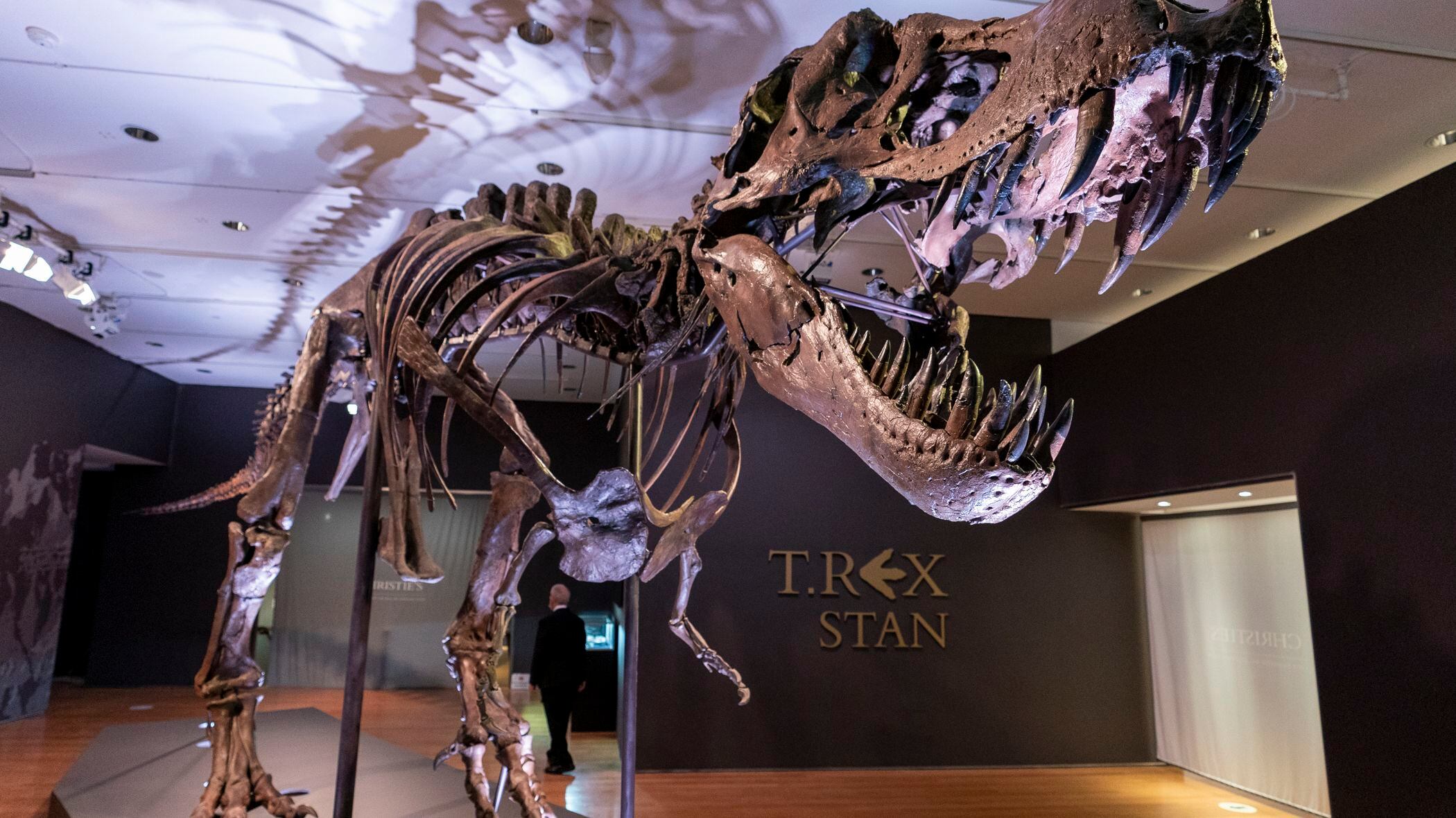
A 67 million-year-old Tyrannosaurus rex skeleton sold at Christie's Auction House for a record-shattering $31.8 million. Cheddar's Chloe Aiello takes a look into the sale of the massive complete fossil and Christie's virtual auction process.
Democratic lawmakers are speaking out against a proposed Labor Department rule that they argue would make it harder for retirement funds to consider important environmental factors when making investment decisions.