Women-owned businesses grew 21 percent in five years and firms owned by women of color grew by double that rate in the same period, but National Women's Business Council member Shelonda Stokes said those numbers are just the beginning of the story.
Though the number of women-owned businesses and the share of those businesses operated by women of color is on a "positive trajectory," numbers alone don't solve problems, said Stokes. These leaders need to have the means to succeed once they get their businesses going.
"We need to make sure once we get there we have access to capital, we have mentors, we have resources and all of those things available to help us take it to that next level," she told Cheddar.
In order to make progress toward equality in the workplace, Stokes said there needs to be a combination of changes. "Some things absolutely require regulation, some things we can control. Some things, as you've seen in the past, take business and culture change to happen within," she said.
Stokes and NWBC are focused on helping move regulation forward. NWBC gives advice and counsel to the president, Congress, and the U.S. Small Business Administration, a government agency focusing on supporting entrepreneurs and small businesses.
Stokes, herself president and CEO of content company greiBO, as well as a member of the council, said before publishing this year's annual report last week that members traveled the nation "looking at issues that affect women," and she has been focusing specifically on African American women in STEM industries.
"While you see the playing field is getting a lot more level, we've got a long way to go," she added.
Stokes said the president's administration takes the council's advice and uses its annual report as a guide because members have done their homework by going to see how businesses are doing around the country. "They're listening," she said.
As commercial options tighten, more travelers are turning to private aviation. Wheels Up CEO George Mattson breaks down capacity and demand challenges.
Layoffs, hiring slowdowns, and shifting skill demands dominate this year’s job talk. LinkedIn’s Kory Kantenga explains what workers should watch for next.
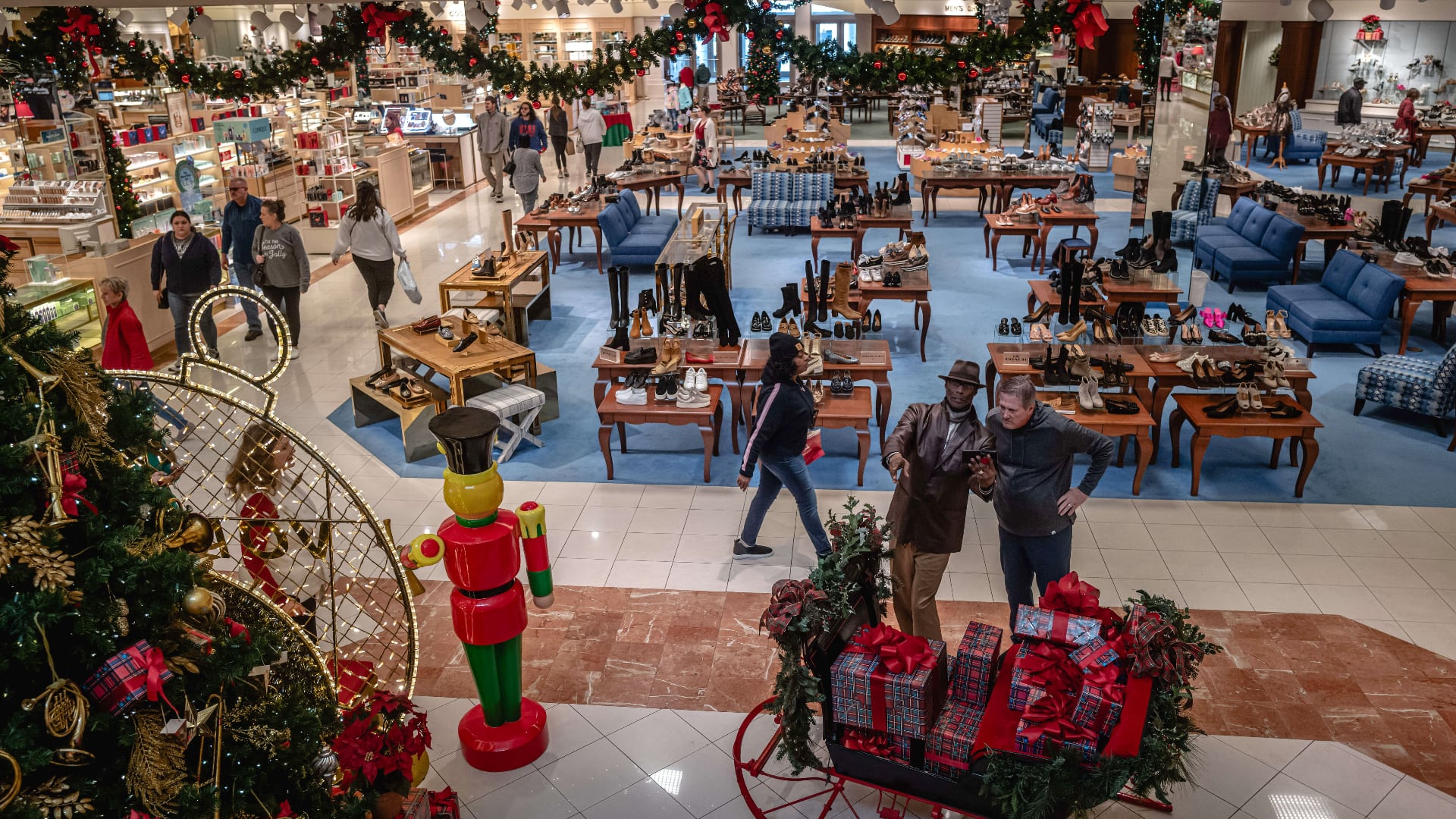
Retailers face tariffs and cost challenges this holiday season. Wells Fargo's Lauren Murphy shares insights on pricing, promotions, and shopping trends.
Dateability, founded by sisters Jacqueline and Alexa Child, is the only dating app for disabled and chronically ill communities, fostering love without limits.
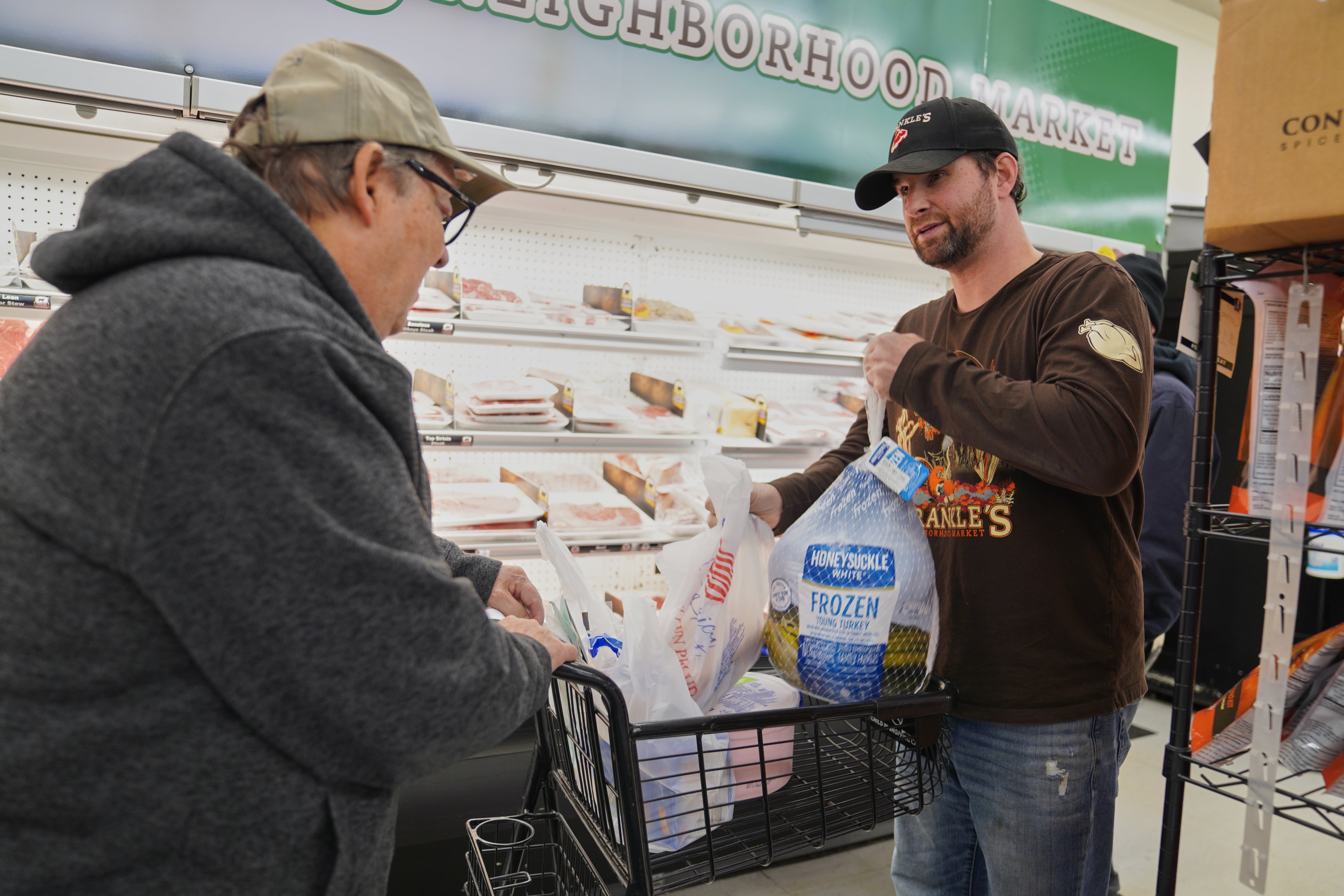
Some small grocery stores and neighborhood convenience stores are eager for the U.S. government shutdown to end and for their customers to start receiving federal food aid again. Late last month, the Trump administration froze funding for the SNAP benefits that about 42 million Americans use to buy groceries. The U.S. Department of Agriculture says about 74% of the assistance was spent last year at superstores like Walmart and supermarkets like Kroger. Around 14% went to smaller stores that are more accessible to SNAP beneficiaries. A former director of the United Nations World Food Program says SNAP is not only a social safety net for families but a local economic engine that supports neighborhood businesses.
Andy Baehr, Head of Product at CoinDesk Indices, breaks down crypto’s Black Friday crash, Bitcoin dipping under $100K, and what’s driving the market rout.