Women-owned businesses grew 21 percent in five years and firms owned by women of color grew by double that rate in the same period, but National Women's Business Council member Shelonda Stokes said those numbers are just the beginning of the story.
Though the number of women-owned businesses and the share of those businesses operated by women of color is on a "positive trajectory," numbers alone don't solve problems, said Stokes. These leaders need to have the means to succeed once they get their businesses going.
"We need to make sure once we get there we have access to capital, we have mentors, we have resources and all of those things available to help us take it to that next level," she told Cheddar.
In order to make progress toward equality in the workplace, Stokes said there needs to be a combination of changes. "Some things absolutely require regulation, some things we can control. Some things, as you've seen in the past, take business and culture change to happen within," she said.
Stokes and NWBC are focused on helping move regulation forward. NWBC gives advice and counsel to the president, Congress, and the U.S. Small Business Administration, a government agency focusing on supporting entrepreneurs and small businesses.
Stokes, herself president and CEO of content company greiBO, as well as a member of the council, said before publishing this year's annual report last week that members traveled the nation "looking at issues that affect women," and she has been focusing specifically on African American women in STEM industries.
"While you see the playing field is getting a lot more level, we've got a long way to go," she added.
Stokes said the president's administration takes the council's advice and uses its annual report as a guide because members have done their homework by going to see how businesses are doing around the country. "They're listening," she said.
U.S. sports betting is booming as NFL and college football fuel massive activity. BetMGM CEO Adam Greenblatt breaks down trends, growth, and what’s next.
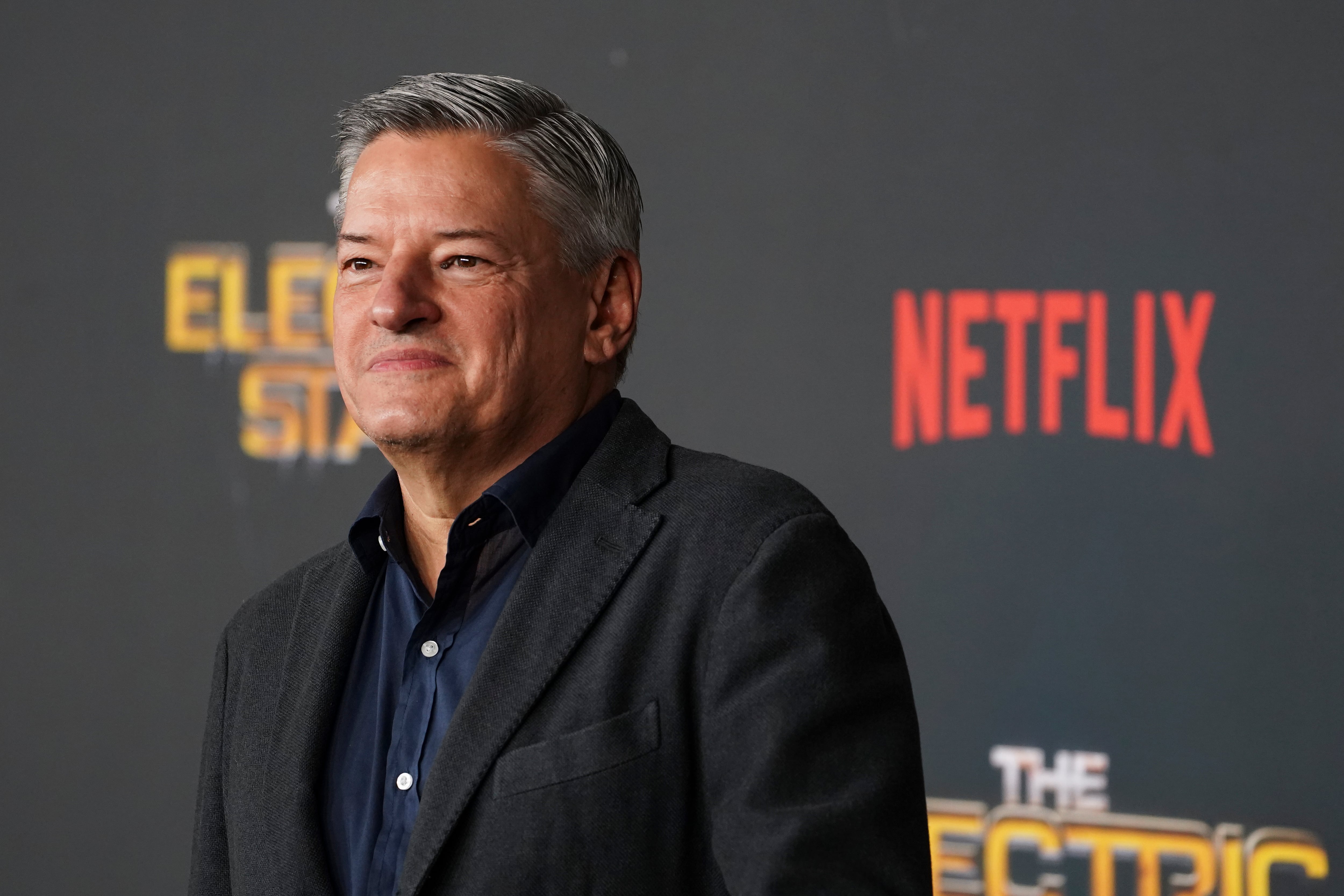
President Donald Trump says a deal struck by Netflix last week to buy Warner Bros. Discovery “could be a problem” because of the size of the combined market share. The Republican president says he will be involved in the decision about whether federal regulators should approve the deal. Trump commented Sunday when he was asked about the deal as he walked the red carpet at the Kennedy Center Honors. The $72 billion deal would bring together two of the biggest players in television and film and potentially reshape the entertainment industry.
Disney's changes to a program for disabled visitors are facing challenges in federal court and through a shareholder proposal. The Disability Access Service program, which allows disabled visitors to skip long lines, was overhauled last year. Disney now mostly limits the program to those with developmental disabilities like autism who have difficulty waiting in lines. The changes have sparked criticism from some disability advocates. A shareholder proposal submitted by disability advocates calls for an independent review of Disney's disability policies. Disney plans to block this proposal, claiming it's misleading. It's the latest struggle by Disney to accommodate disabled visitors while stopping past abuses by some theme park guests.
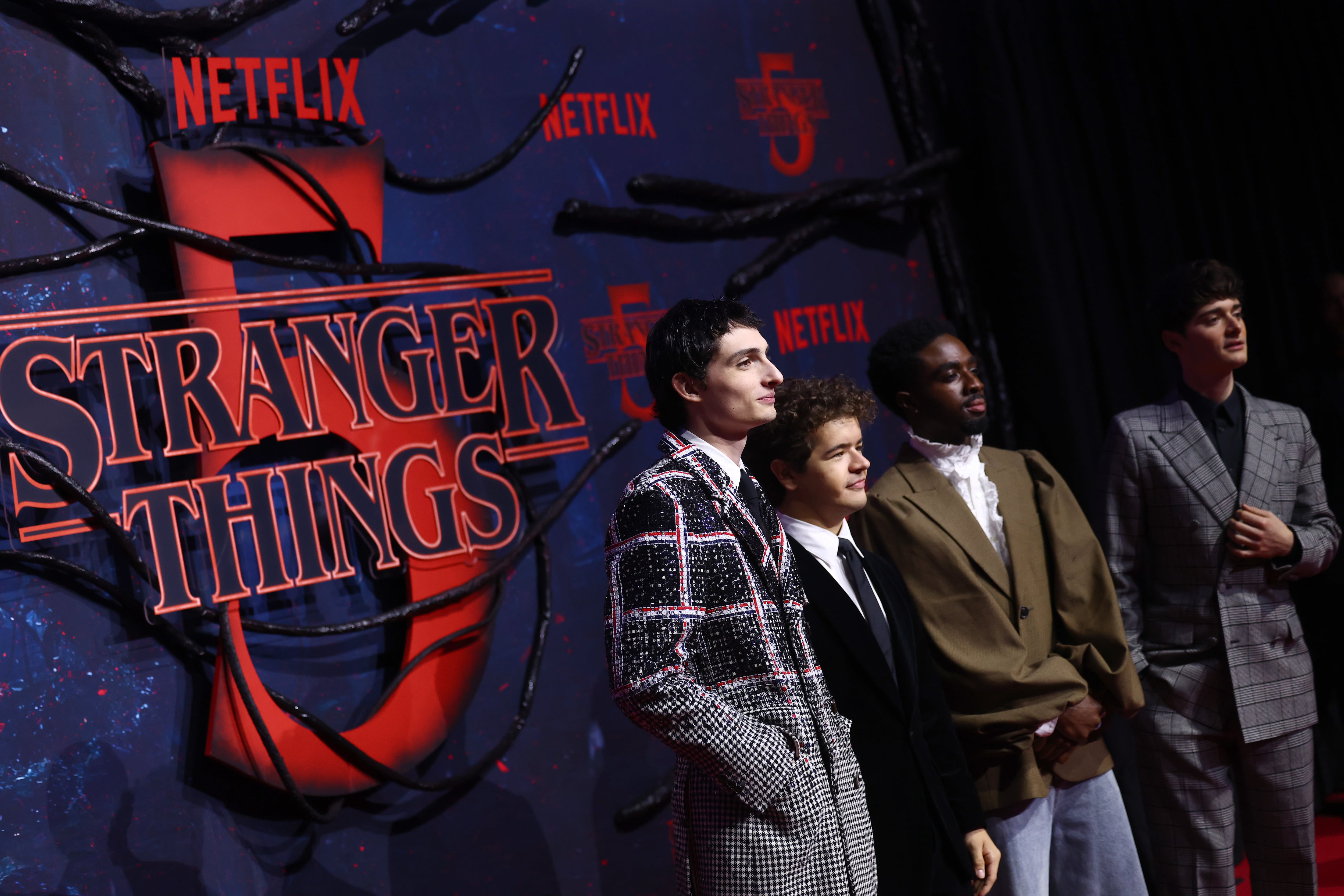
With a merger this big, creators, studios, and theaters all face uncertain futures. Here’s what experts are worried about and what good could come from it.
With disengagement rising and hybrid work shifting, 'Everybody Matters' author Bob Chapman explains why treating people well could define the future of work.
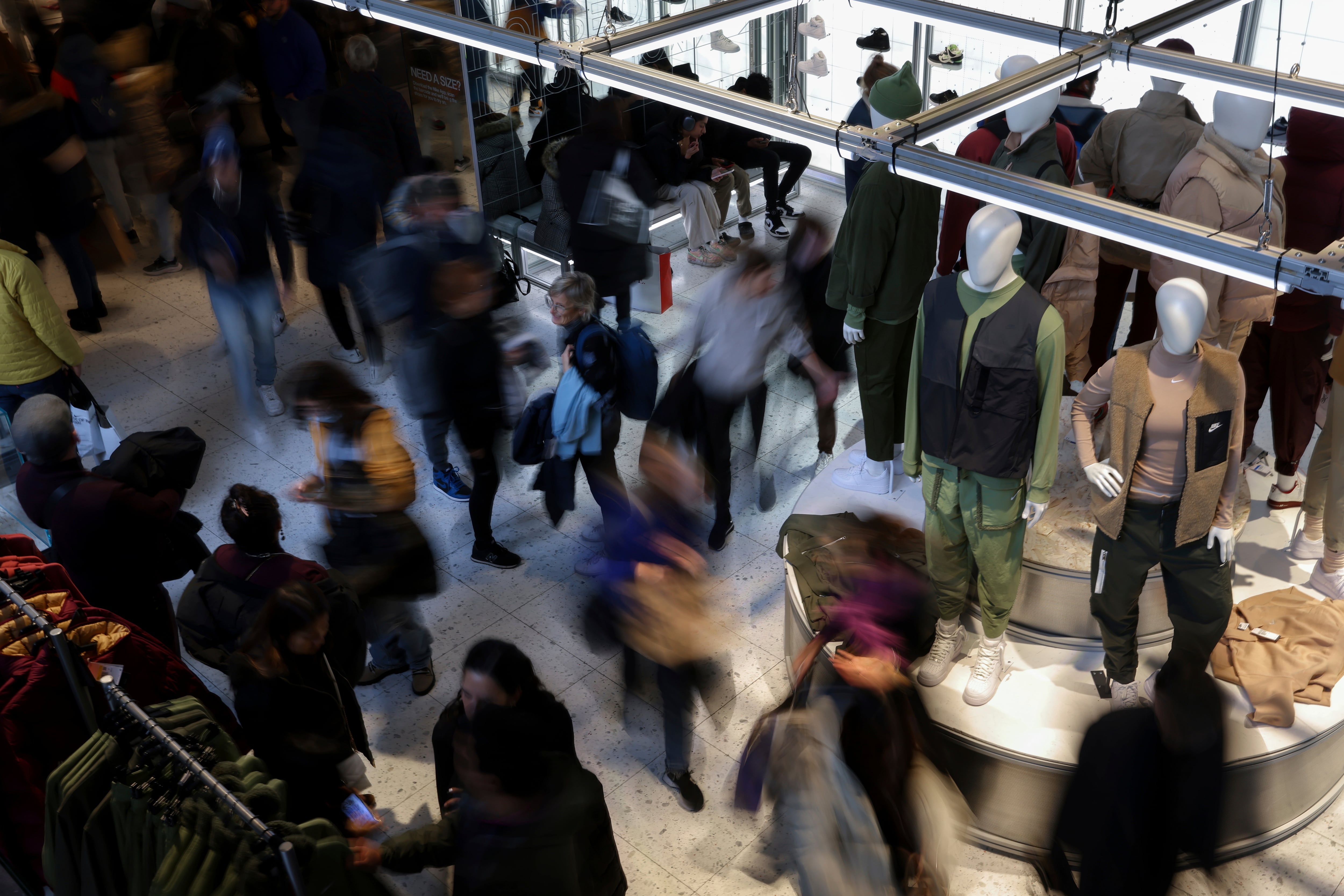
We sat down with Ali Furman, U.S. Consumer Markets Industry Leader at consulting firm PwC to ask what trends she garnered from the initial data this year.
Seth Schachner breaks down Zootopia 2’s record-smashing debut, holiday box office trends, early 2026 Oscar contenders, and what’s next for Netflix and WBD.