By María Teresa Hernández
Ana Martínez is eager to welcome her deceased loved ones back home.
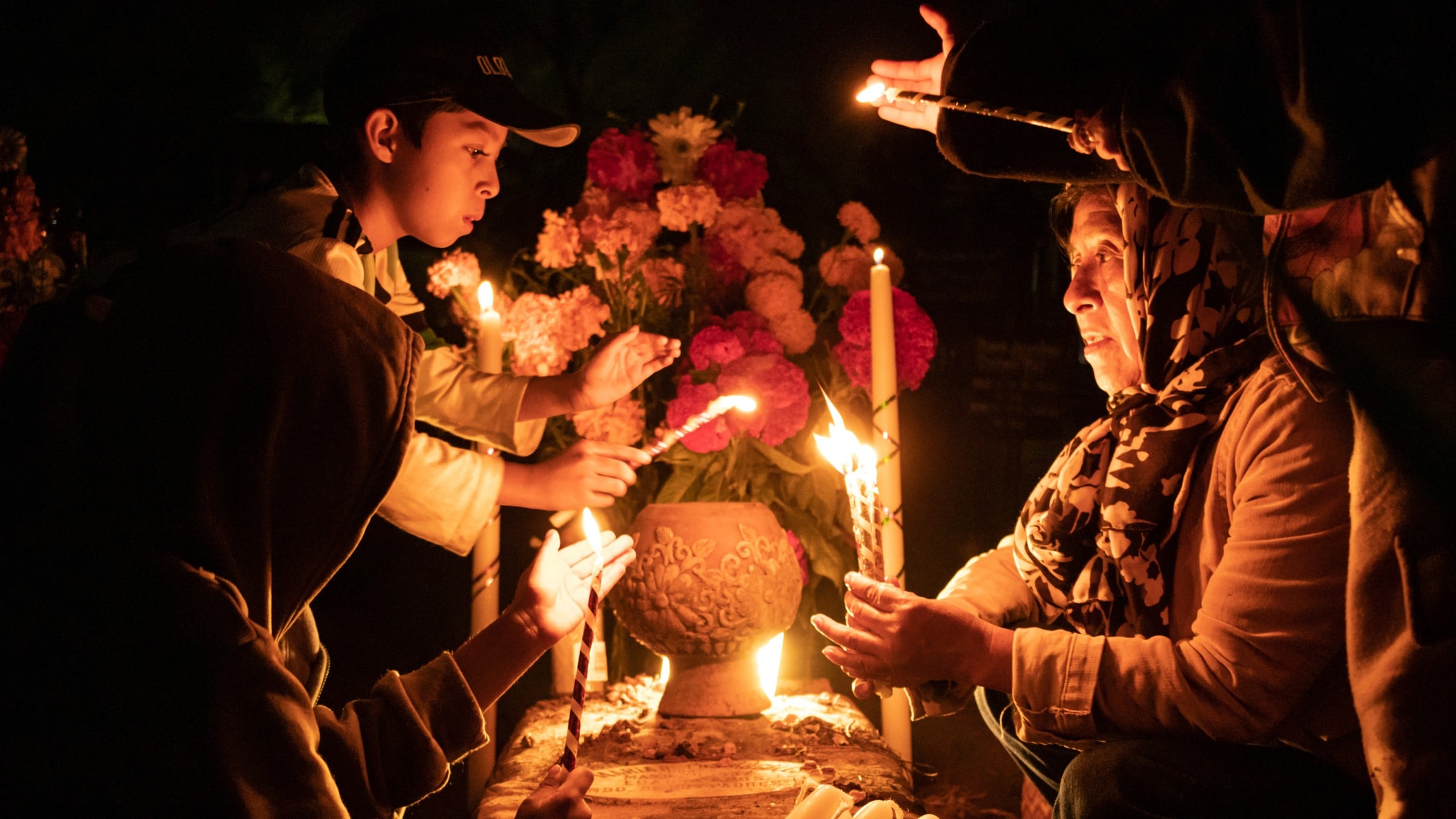
Martínez and others in southern Mexico's Oaxaca state wait with anticipation for Day of the Dead celebrations every Nov. 1, when families place homemade altars to honor their dearly departed and spend the night at the cemetery, lighting candles in the hope of illuminating their paths.
“We preserve the culture of our ancestors, and that is why we make our altars,” said Martínez, 41, who lives in the town of Santa María Atzompa.
Each Oct. 31, Martínez builds a three-level altar on her terrace. First come the flowers, a type of marigold known as cempasúchil. Martínez ties them in an arch over the altar.
“For us, that arch is a portal so that they (the deceased) can reach our house,” she said. “We also create a path of flowers to the door as a welcoming sign.”
Next, she lights copal, an incense which is believed to guide the souls, and places foods such as apples, peanuts and bread. Chocolates are for her grandma, she said.
“She was like my mother, so everything I’m going to offer is with the hope that she can be here," Martínez said.
On this date, Oaxacans don’t honor death but rather their ancestors, said the local secretary of culture, Victor Cata. “It’s a celebration of those with whom we shared a time and a roof, who were flesh and blood like us.”
Santa María Atzompa traditions are embraced from childhood and passed from parents to children. Martínez’s 8-year-old daughter asked if she could help arrange the fruit on the altar, and her mother assigned an additional task: Make sure the candles stay lit in the afternoon so that our deceased don’t lose their way.
As soon as the sun sets, locals gather at the cemetery to light candles over their family tombs and start a vigil known as “vela."
María Martínez, 58, paid a visit to her late husband by noon. “I do feel that they are returning today but I also think they are with us daily, not just on this date,” she said.
Oaxacan traditions vary among the 16 indigenous groups and the Afro-descendant community, but according to Cata, there’s a shared ancient knowledge that relates to the land.
“October and November are the dry season, when the land languishes,” Cata said. “But it is reborn, so there is this thought that the dead return to enjoy what they loved in life.”
Felipe Juárez, 67, offered mezcal and beer for one of his brothers. For other family members, his wife cooked Oaxacan delicacies such as mole, a traditional sauce.
It will be a long night, Juárez said, until they go home at 6 a.m., but these are joyful times.
“On the day we die, we will meet them again,” Juárez said. “We will reach that place where they have come to rest.”
Associated Press religion coverage receives support through the AP’s collaboration with The Conversation US, with funding from Lilly Endowment Inc. The AP is solely responsible for this content.
These are the headlines you Need 2 Know for Wednesday, Dec. 26, 2018.
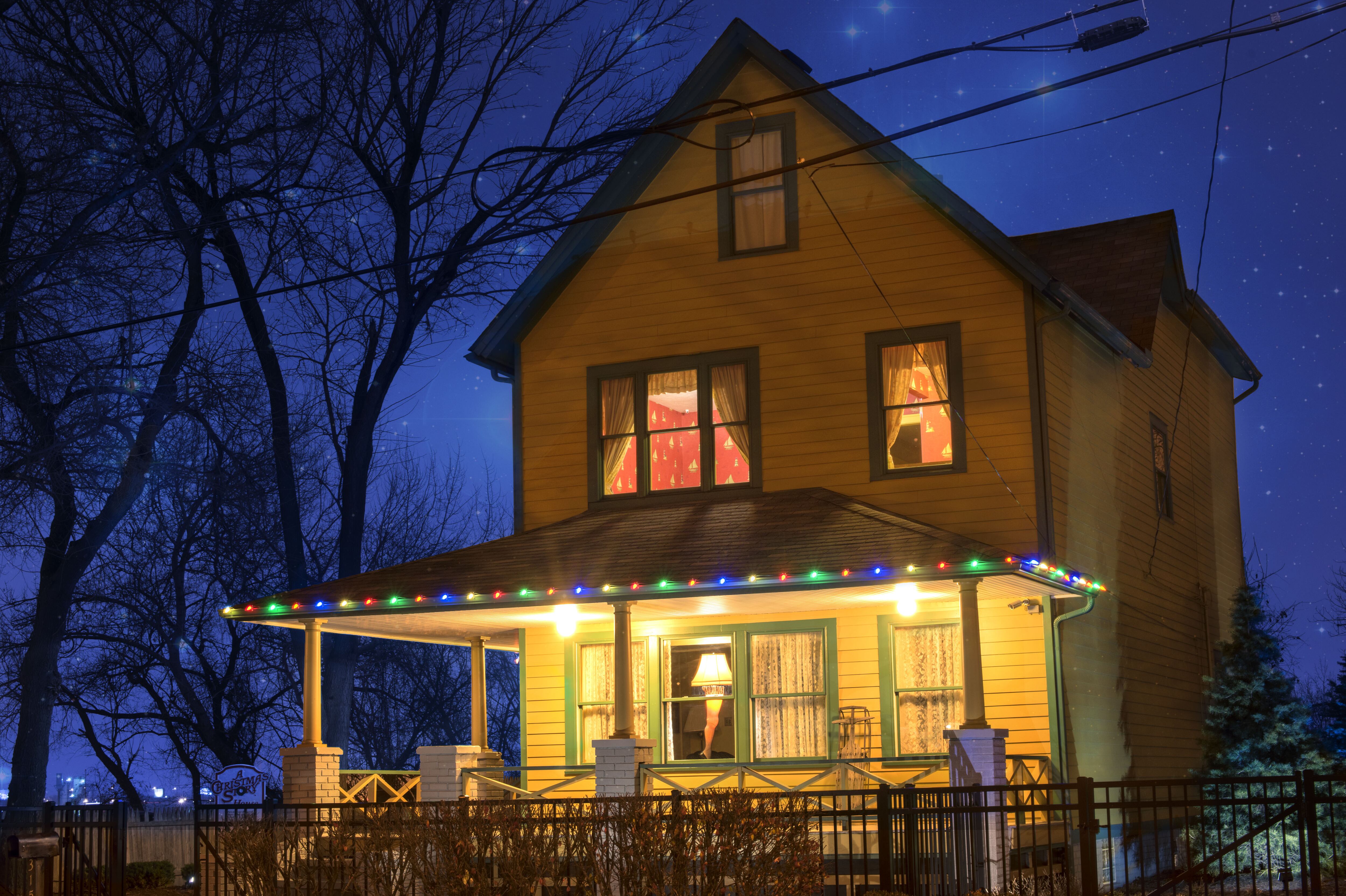
Since 2017, the third floor of the iconic Cleveland, Ohio, house that was the fictional home to the bespectacled hero of "A Christmas Story" has been rentable to fans of the classic movie. And this year, the neighboring "Bumpus" house is also available to the more cantankerous among us for overnight stays.
Caliva, a Silicon Valley-based marijuana company, is waging an extensive recruitment campaign to hire drivers from popular ride-hailing and delivery companies, including Uber, Lyft, and DoorDash. "What we've found is that a lot of the drivers who normally drive for Uber, Lyft, or DoorDash are really looking to have not just a full-time or part-time job with benefits, but they're looking to be part of something," said Caliva CEO Dennis O'Malley in an interview on Cheddar Monday.
In 2019, 10 minutes out of every hour of media engagement will be spent streaming video on mobile, app market data provider App Annie told Cheddar. In 2018, app downloads hit 113 billion, Levitas said, while spending on Google ($GOOGL) Play and the Apple ($AAPL) app store hit $76 billion. On average, Americans spent three hours per day on apps.
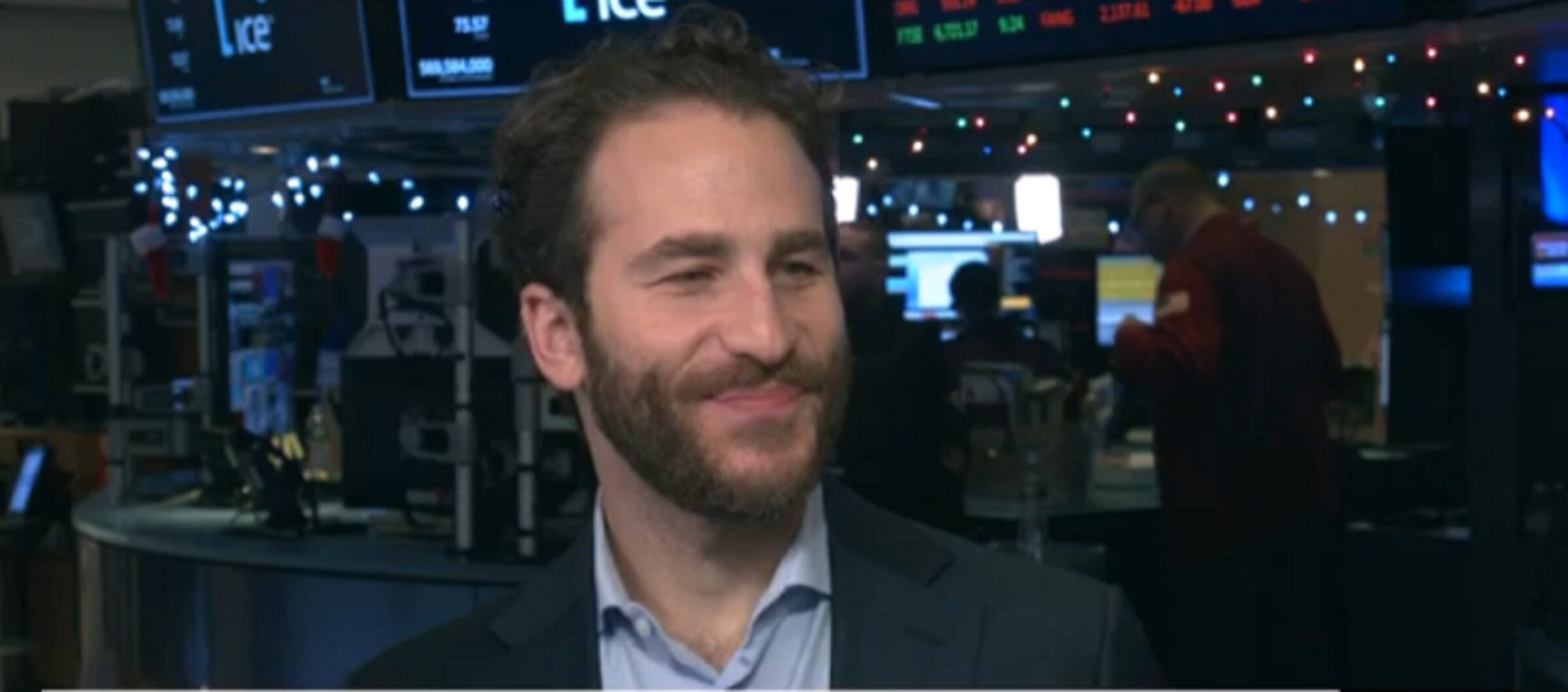
New video-sharing platform Portal wants to help online video creators cash in on their content, says company founder Jonathan Swerdlin. "Portal is the first video sharing platform that everyone can use that completely skips the ad model and introduces really easy ways for users to pay each other," Swerdlin said in an interview on Cheddar. "Everyone can be their own mini HBO."
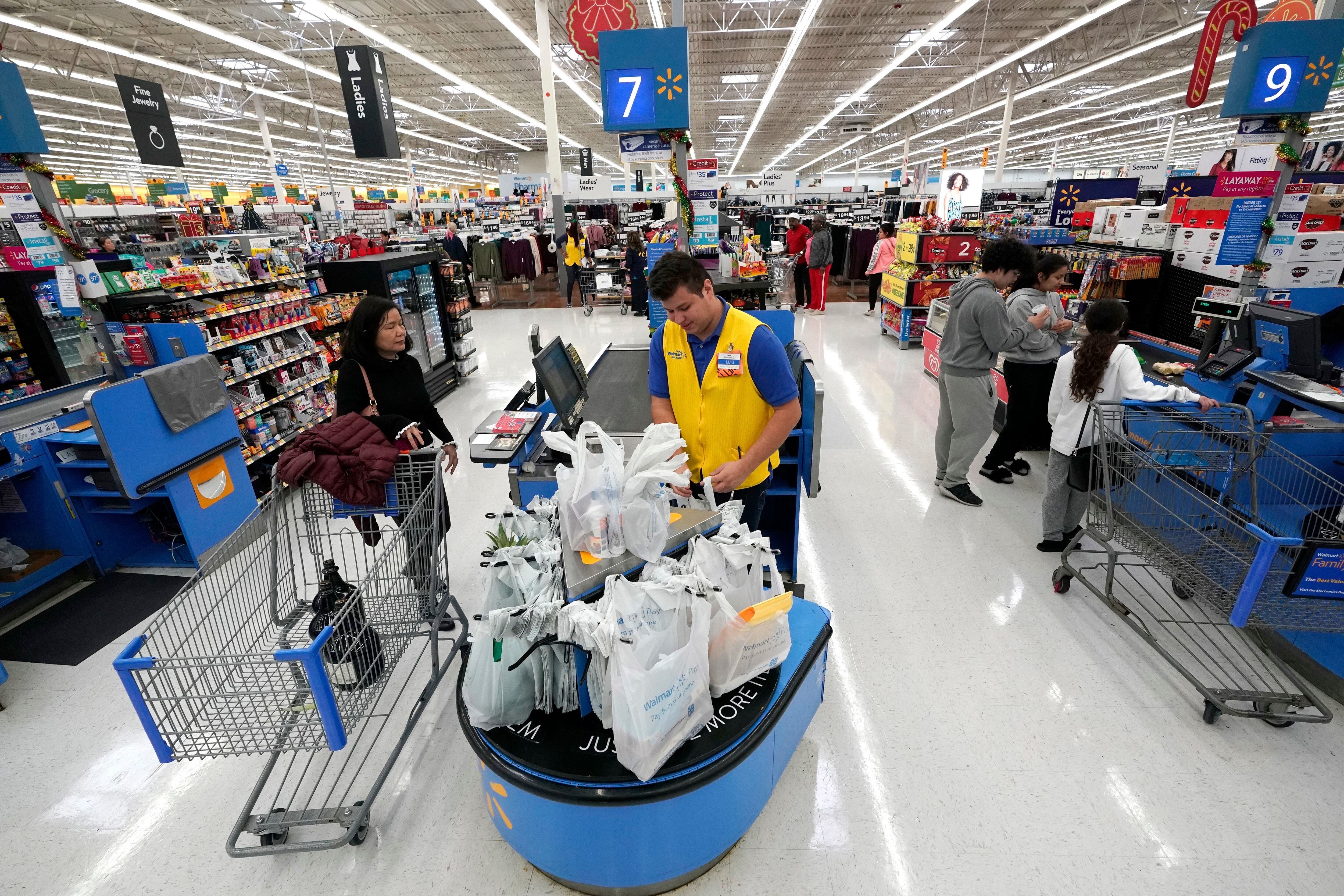
Christmas is on Tuesday, which means Panic Saturday is upon us. Dec. 22 is expected to be the second-busiest shopping day at stores this year, falling short in foot traffic only to Black Friday. Bill Simon, the former CEO of Walmart U.S., told Cheddar Friday that brick-and-mortar retailers are about to have their moment, since "the online guys are done, they can't get it there in time now."
Fair Financial is riding high on its recent $385 million round of funding. Founder and CEO Scott Painter is even willing to bet the used-car-subscription startup will go public down the line. "In most cases, I think it is really foolish to set a target that says, 'we are going to be a public company,' but in Fair's case, there is quite literally just so much money involved," Painter told Cheddar on Friday. "It will have to be a public company sooner than later."
With just a few days left in the year, Cheddar decided to take a look at the best and worst of what 2018 had to offer in entertainment.
Rather than flee to Neverland, Peter Pan might have enrolled in "adulting" school. And so too can stunted millennials ー daunted by bill-paying, cooking, cleaning, and the like ー if they take a class in adult skills at a new institution in Portland, Maine.
Sixty percent of millennials would have to beg, borrow, or steal if confronted with a mere $1,000 in emergency expenses, according to a new survey from LendingTree, which defines the generation as those between 22 and 37 in age. Brian Karimzad, vice president of research at LendingTree, told Cheddar that millennials were least prepared in part due to the combined $1.5 trillion in student loan debt they are carrying.