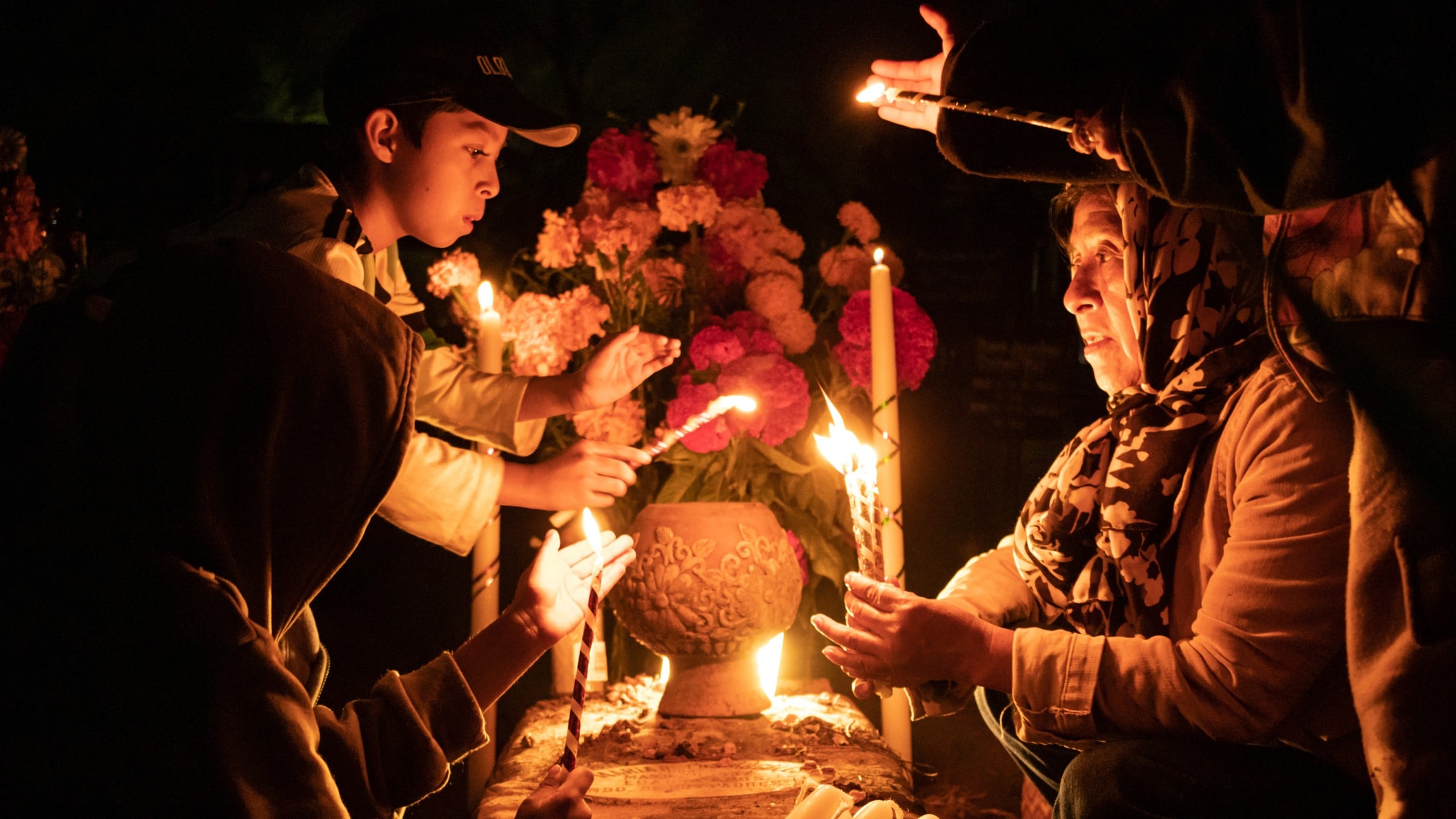
People hold candles over a tomb decorated with flowers at a cemetery in Atzompa, Mexico, late Tuesday, Oct. 31, 2023. In a tradition that coincides with All Saints Day on Nov. 1 and All Souls Day on Nov. 2, families decorate graves with flowers and candles and spend the night in the cemetery, eating and drinking as they keep company with their dearly departed. (AP Photo/Maria Alferez)
By María Teresa Hernández
Ana Martínez is eager to welcome her deceased loved ones back home.
Martínez and others in southern Mexico's Oaxaca state wait with anticipation for Day of the Dead celebrations every Nov. 1, when families place homemade altars to honor their dearly departed and spend the night at the cemetery, lighting candles in the hope of illuminating their paths.
“We preserve the culture of our ancestors, and that is why we make our altars,” said Martínez, 41, who lives in the town of Santa María Atzompa.
Each Oct. 31, Martínez builds a three-level altar on her terrace. First come the flowers, a type of marigold known as cempasúchil. Martínez ties them in an arch over the altar.
“For us, that arch is a portal so that they (the deceased) can reach our house,” she said. “We also create a path of flowers to the door as a welcoming sign.”
Next, she lights copal, an incense which is believed to guide the souls, and places foods such as apples, peanuts and bread. Chocolates are for her grandma, she said.
“She was like my mother, so everything I’m going to offer is with the hope that she can be here," Martínez said.
On this date, Oaxacans don’t honor death but rather their ancestors, said the local secretary of culture, Victor Cata. “It’s a celebration of those with whom we shared a time and a roof, who were flesh and blood like us.”
Santa María Atzompa traditions are embraced from childhood and passed from parents to children. Martínez’s 8-year-old daughter asked if she could help arrange the fruit on the altar, and her mother assigned an additional task: Make sure the candles stay lit in the afternoon so that our deceased don’t lose their way.
As soon as the sun sets, locals gather at the cemetery to light candles over their family tombs and start a vigil known as “vela."
María Martínez, 58, paid a visit to her late husband by noon. “I do feel that they are returning today but I also think they are with us daily, not just on this date,” she said.
Oaxacan traditions vary among the 16 indigenous groups and the Afro-descendant community, but according to Cata, there’s a shared ancient knowledge that relates to the land.
“October and November are the dry season, when the land languishes,” Cata said. “But it is reborn, so there is this thought that the dead return to enjoy what they loved in life.”
Felipe Juárez, 67, offered mezcal and beer for one of his brothers. For other family members, his wife cooked Oaxacan delicacies such as mole, a traditional sauce.
It will be a long night, Juárez said, until they go home at 6 a.m., but these are joyful times.
“On the day we die, we will meet them again,” Juárez said. “We will reach that place where they have come to rest.”
Associated Press religion coverage receives support through the AP’s collaboration with The Conversation US, with funding from Lilly Endowment Inc. The AP is solely responsible for this content.
In the past few years, Betthany Frankel has made a major name for herself as a philanthropist after founding the
BStrong initiative, which has provided relief to people impacted by natural disasters as well as the COVID-19 pandemic. Now, BStrong is shifting its focus to Ukraine, raising millions of dollars in donations for those impacted by Russia's invasion. Bethenny Frankel, the founder of BStrong, joins Cheddar News' Closing Bell to discuss.
Ari Redbord, Head of Legal and Government Affairs at TRM Labs, discusses how Binance, Coinbase and Kraken's decision to not unilaterally ban all Russian users from their platforms could put a dent in the West's plan to economically punish Russia.
One of Europe's leading micromobility providers, TIER mobility, is expanding into North America after acquiring the micromobility operator, Spin. Ford Motor Company previously owned Spin but is now selling the company to TIER Mobility, which says the deal will make it the largest multimodal micromobility operator in the world in terms of the number of cities it operates in and the number of vehicles in its fleet. Lawrence Leuschner, CEO of TIER Mobility, and Ben Bear, CEO of Spin, join Cheddar News' Closing Bell to discuss.
World Central Kitchen is Ukraine helping to feed people remaining in the country or fleeing from the Russian forces. Nate Mook, CEO for the non-profit, joined Cheddar New to discuss the efforts being made to help those in need in a very tenuous situation and how the invasion disrupted the lives of Ukrainian people."We met a young woman from Kyiv who had crossed into Poland, she had a great job, she just moved into a new apartment. She was really excited about decorating her apartment. You know, things that we all do on a day-to-day basis, and she had to just abandon her life," he said.
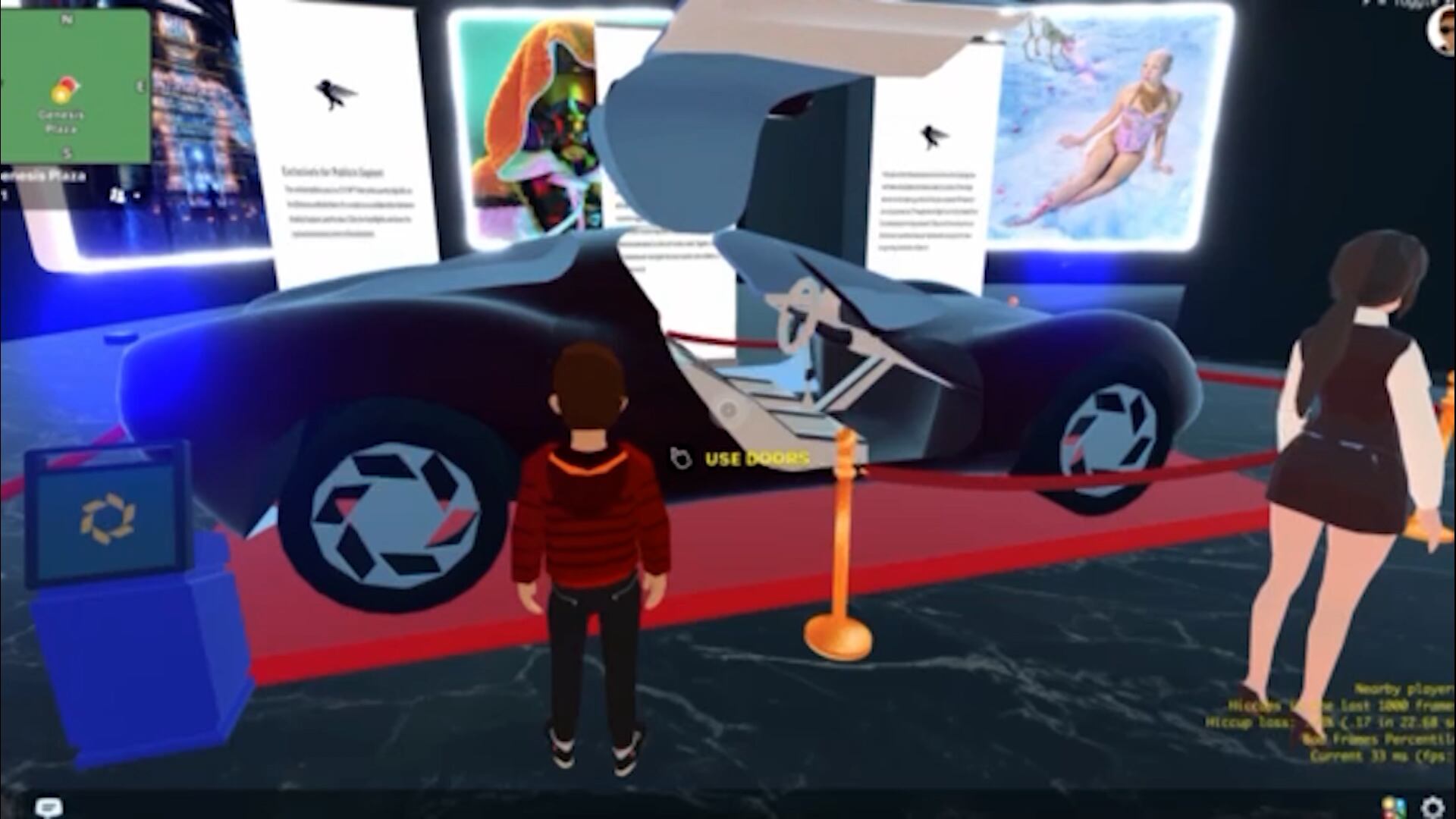
Digital consulting company Publicis Sapient has its sights set on the Metaverse. The subsidiary of the French advertising giant Publicis Group is announcing a new partnership with NFT auction house Portion in an effor to help brands deliver experiences in the metaverse, including the sales of products. Publicis Sapient CEO Nigel Vaz joined Cheddar News' Closing Bell to discuss. "In the context of our collaboration with Portion, the first experience that we created was with Decentraland, which is a virtual world," he said. "And car manufacturers in this metaverse, in terms of their buyers, can interact with a virtual person, (and) they can view quality NFTs. They can examine a virtual vehicle, be inside the car, rev an engine, open doors, all without leaving their homes."
National Eating Disorder Awareness Week is a campaign to educate the public about the harsh realities of eating disorders, but also to provide support and visibility to individuals and families affected by an eating disorder. Sarah Adler, clinical associate professor of psychiatry and behavioral sciences at Stanford University, joins Cheddar News to discuss.
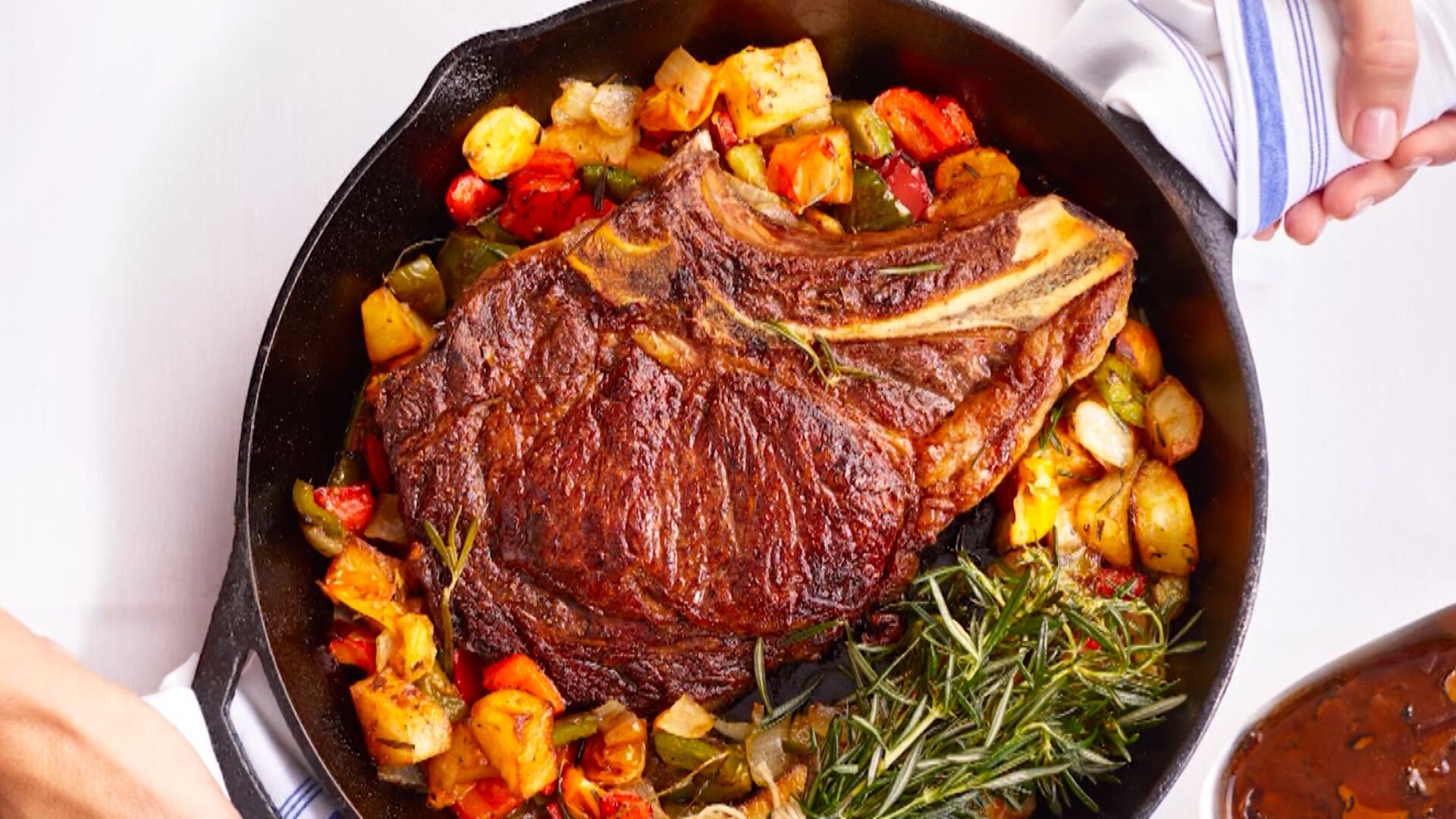
Vittorio Assaf, co-founder of Serafina, joins Cheddar News to discuss two new concepts from Serafina Restaurants in NYC: Cafe Serafina and Serafina To-Go. Assaf also talks about the company's new cookbook.
Maude Okrah, co-founder of Black Beauty Roster, joins Cheddar News to discuss how her company is working with WarnerMedia to provide diverse makeup and hair stylists for actors of color on set.