Women's Health Magazine is making a move to showcase more diverse body types in its pages. Starting this month, the magazine will permanently replace fitness models with physically fit readers of all types and sizes in its popular "15-Minute Workout" column. Site Director Robin Hilmantel joins us with more on the change.
Hilmantel says the magazine noticed most mainstream workout videos and print layouts are populated by the stereotypical "fit" woman: slender, toned but not too cut, and without a pinch of fat.
Women's Health tapped experts to explain, in technical terms, what makes someone physiologically fit. Included on the list of metabolic metrics are resting heart rate, VO2 max, and body composition. Weight was not on the list.
Hilmantel points to the rise of fitness icons, such as ballerina Misty Copeland and yogi Jessamyn Stanley as examples of healthy diversity.
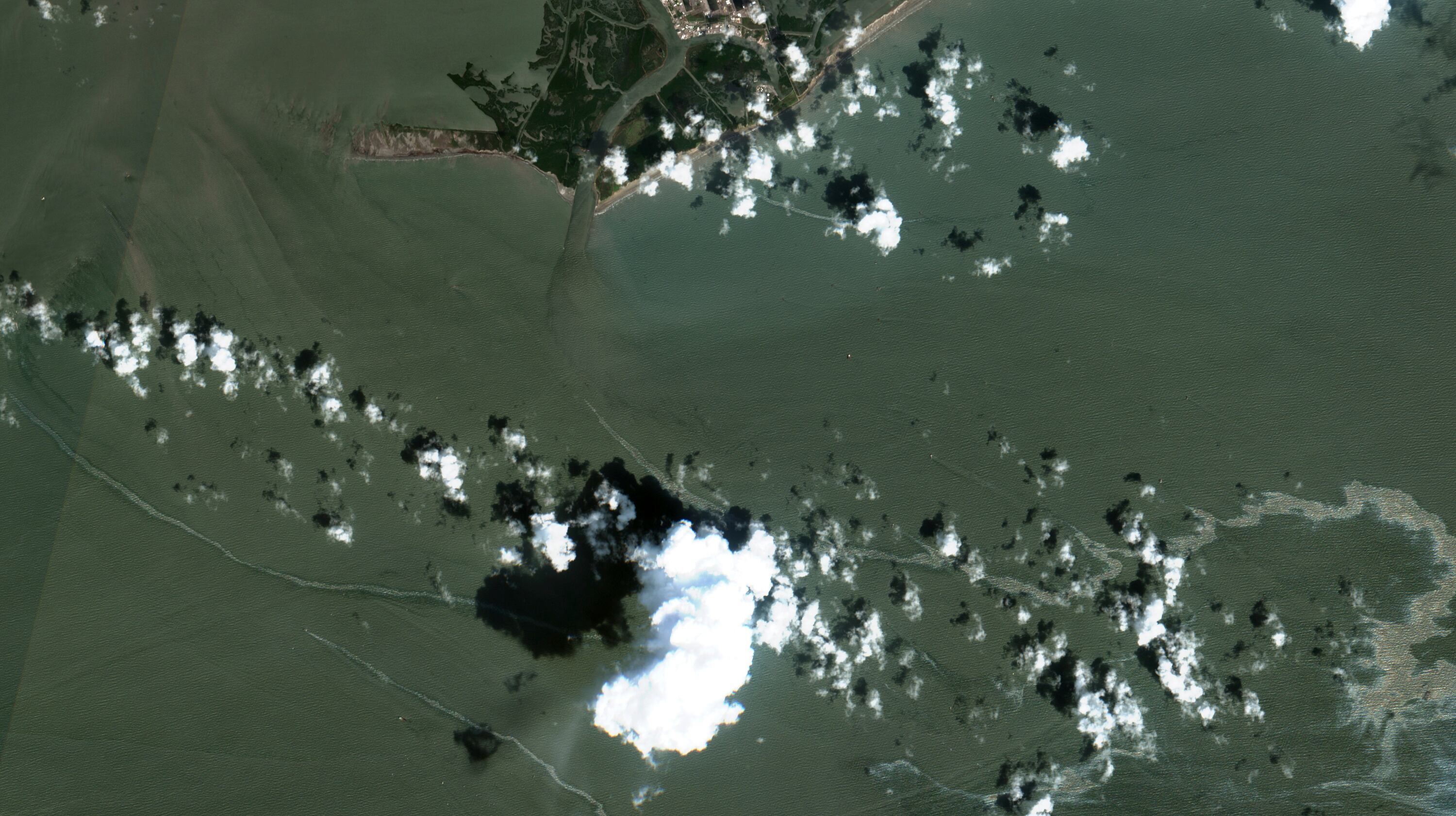
The company overseeing the response to a large oil spill spurred by Hurricane Ida said Tuesday that a containment dome has been placed over a broken undersea pipeline, stemming the flow into the Gulf of Mexico.
Gain-of-Function, Mexico Abortion Stunner & Album Wars
Cheddar asked its Gen Z and Millennial-aged Facebook and Instagram users about several topics including how they use social media, buying cryptocurrency, and the future job market.
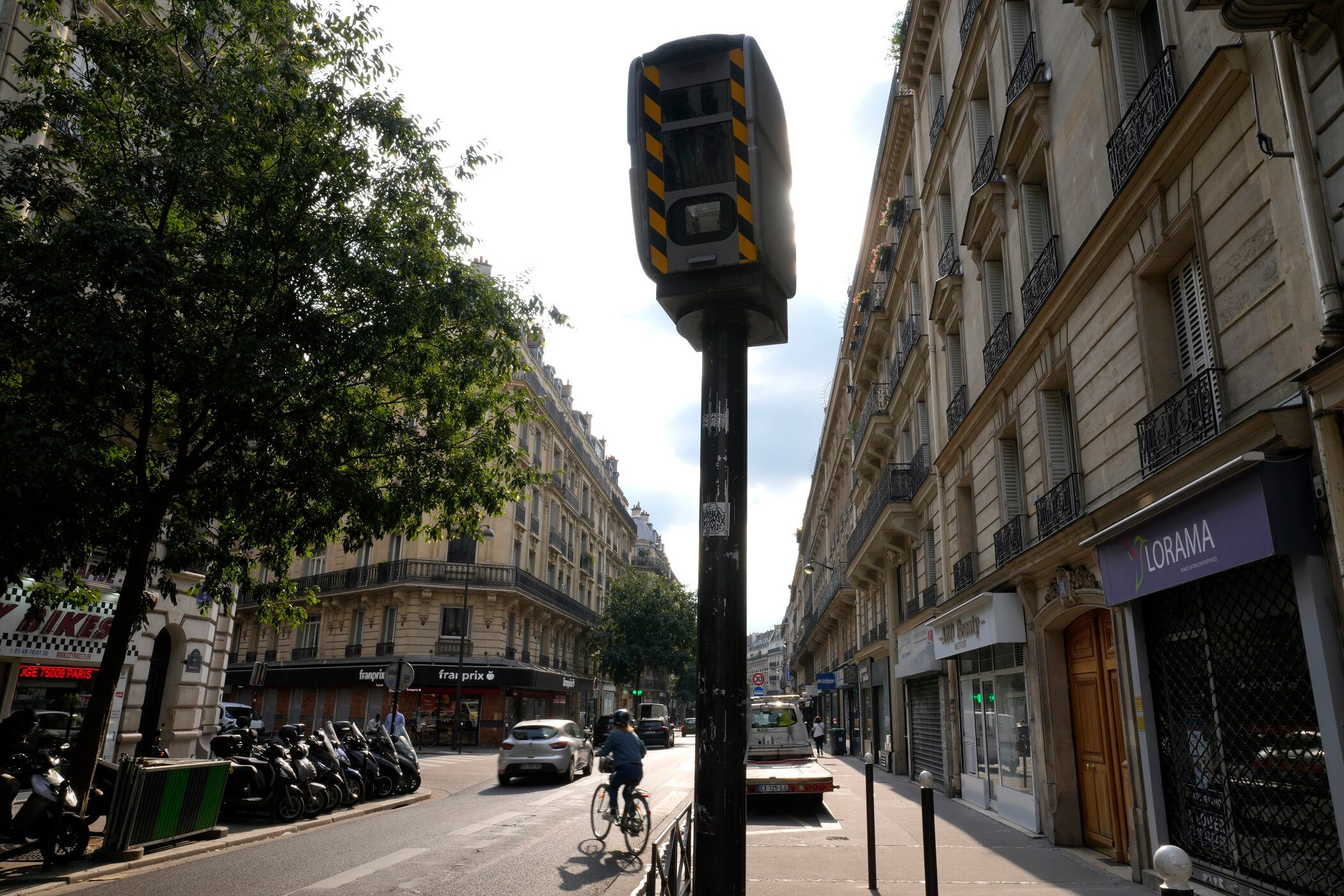
The speed limit for most of Paris is now 30 kilometers per hour (less than 19 miles per hour). The new rule takes effect Monday almost everywhere in the city except for a few wide avenues like the Champs-Elysees and the bypass circling the capital.
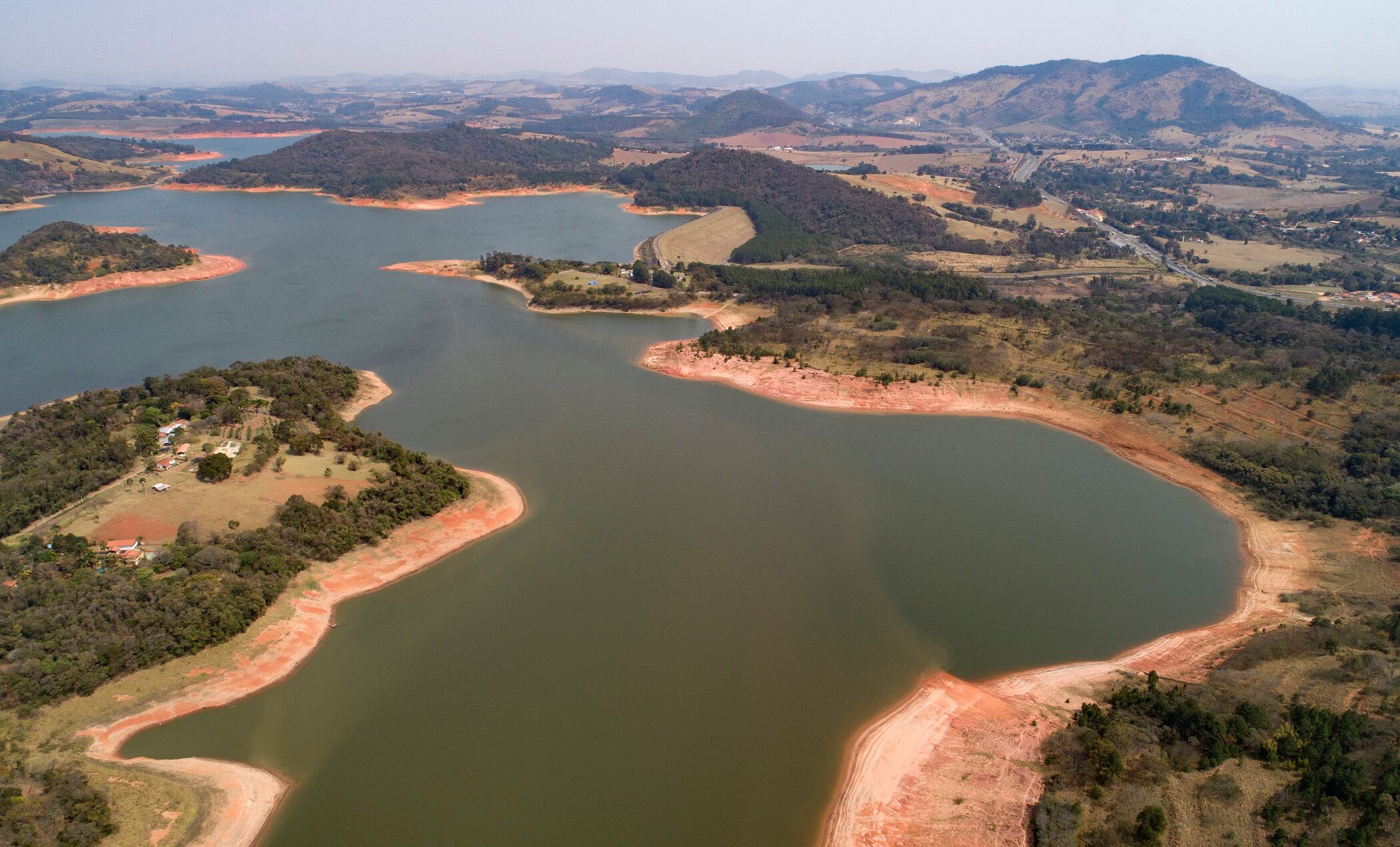
Brazil, the country with the most freshwater resources in the world, has lost 15% of its surface water over the last three decades.
A SpaceX shipment of ants, avocados, and a human-sized robotic arm is on its way to the International Space Station.
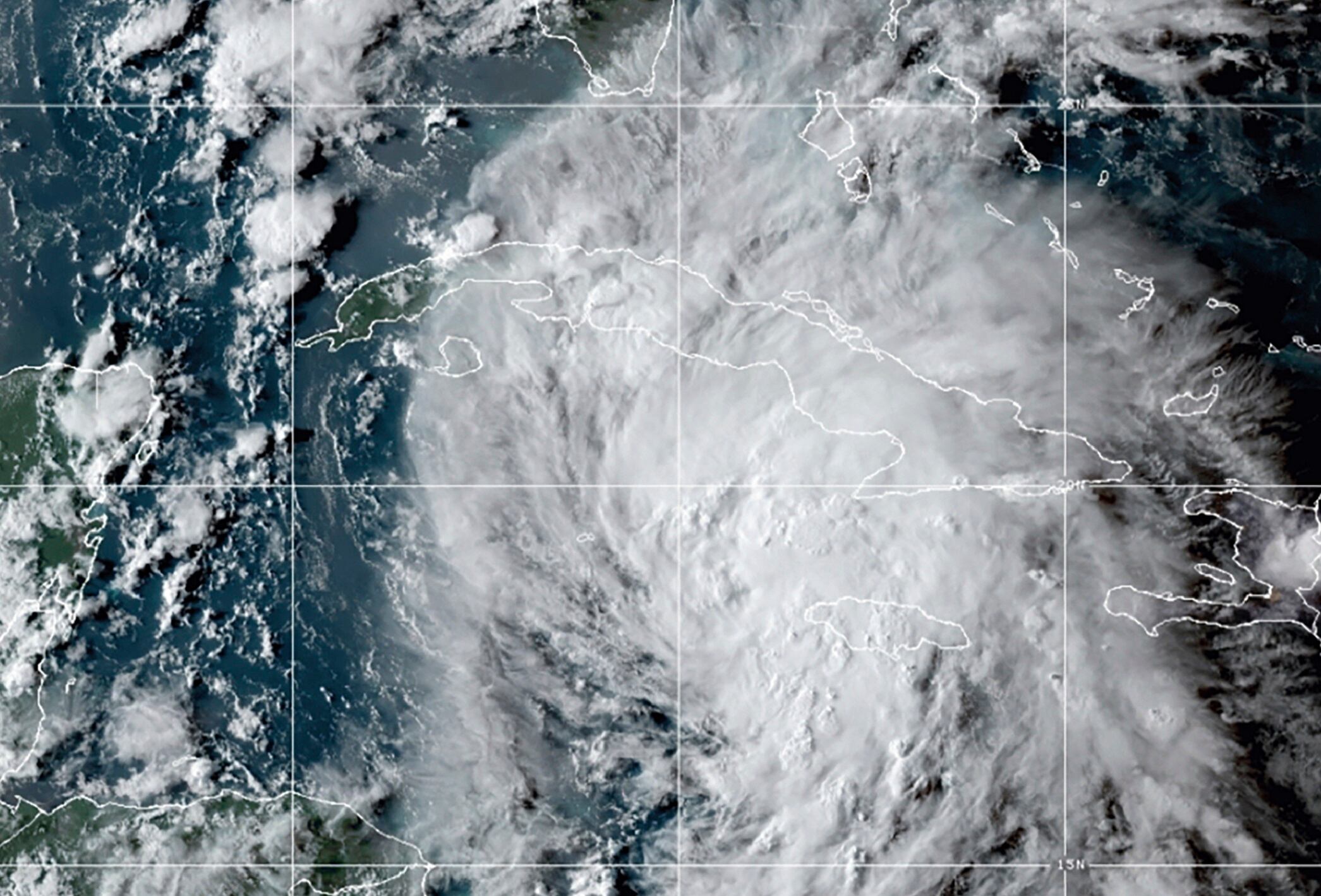
A fearsome Hurricane Ida has left scores of coastal Louisiana residents trapped by floodwaters and pleading to be rescued, while making a shambles of the electrical grid across a wide swath of the state in the sweltering, late-summer heat.
New Orleans Mayor Latoya Cantrell has ordered people outside the city’s levee protection system to evacuate. Forecasters say Ida made landfall in Cuba as a hurricane and could grow to an extremely dangerous Category 4 storm with top winds of 140 mph when it nears the U.S. coast.
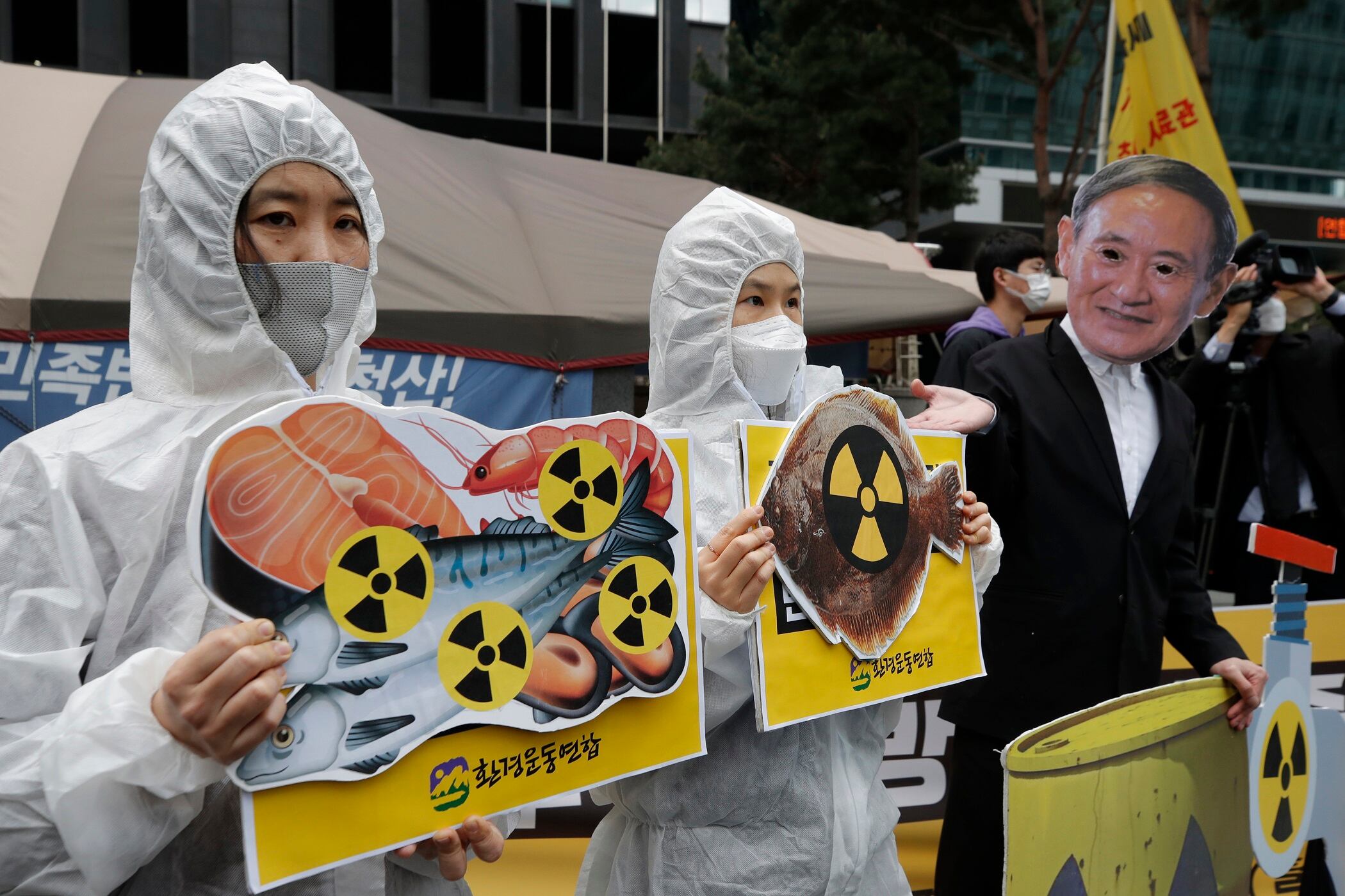
The operator of the wrecked Fukushima nuclear power plant says it plans to build an undersea tunnel so that massive amounts of treated but still radioactive water can be released into the ocean about 1 kilometer (0.6 mile) away from the plant to avoid interference with local fishing.
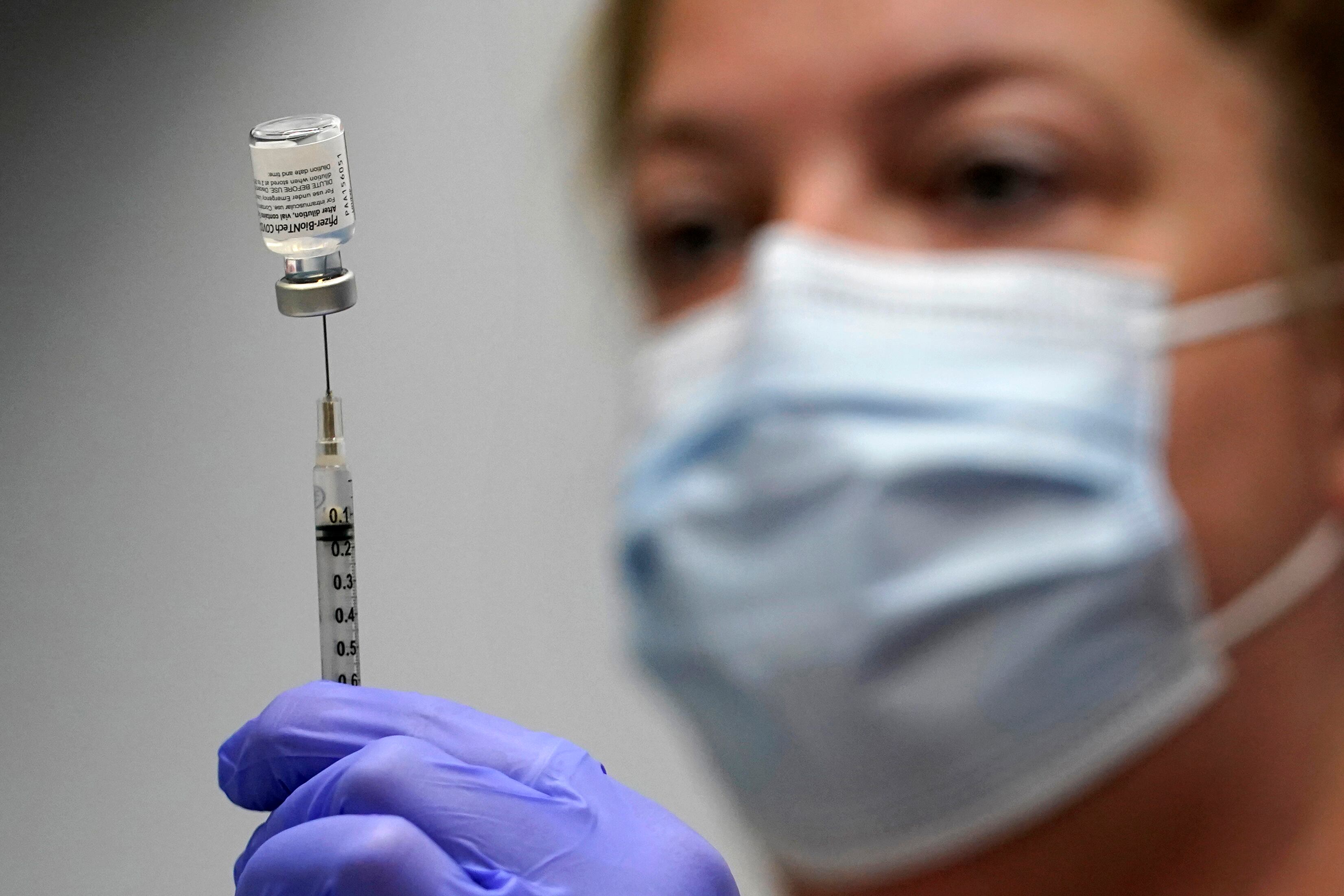
The U.S. gave full approval to Pfizer's COVID-19 vaccine on Monday, a milestone that may help lift public confidence in the shots as the nation battles the most contagious coronavirus mutant yet.