Is Detroit still the auto capital of the U.S.? That is the question, as Silicon Valley-based companies such as Tesla and Google have ramped up the focus on electric and driverless vehicle technology.
But Scott Evans, Editor at Motor Trend, argues that Detroit automakers are staking their own claim on the region.
“Once they realized that software was going to be the future of automobiles, they all opened up R&D shops in Silicon Valley,” he said. “They’ve got all sorts of tech centers. They’ve got thousands of people employed out there, working closely with all the tech companies to figure out how they can get the latest tech into vehicles faster than ever before.”
Many major car manufacturers are showing off that hot new tech this week at the Detroit Auto Show. But one company is noticeably absent: Tesla. Evans says the electric automaker, known for its cash-intensive business model, would rather allocate its resources elsewhere.
“Rather than renting space at a major auto show like this, which can be pretty expensive, they’re going with stick to word-of-mouth,” he said. “Everyone knows Tesla. Tesla is in the news all the time, they don’t feel like they need to advertise much at all. You never see Tesla TV commercials because they’re a household name already.”
For full interview [click here](https://cheddar.com/videos/the-detroit-auto-show-revs-up).
Ron Hammond, Sr. Director of Government Relations at the Blockchain Association, breaks down Trump’s plan to strengthen U.S. leadership in financial technology.
BiggerPockets Money podcast is now available on Cheddar Wednesdays at 10am ET! Mindy Jensen shares how her podcast is helping people gain financial freedom.
The social video platform's future remains in doubt, as players scramble to profit from the chaos. Plus: Big oil gets bigger, DOGE downsizes, and tariffs!
Ty Young, CEO of Ty J. Young Wealth Management, joins Cheddar to discuss Trump's moves as he returns to Washington D.C. and how it may affect the U.S. economy.
Starbucks’ decision to restrict its restrooms to paying customers has flushed out a wider problem: a patchwork of restroom use policies that varies by state and city. Starbucks announced last week a new code of conduct that says people need to make a purchase if they want to hang out or use the restroom. The coffee chain's policy change for bathroom privileges has left Americans confused and divided over who gets to go and when. The American Restroom Association, a public toilet advocacy group, was among the critics. Rules about restroom access in restaurants vary by state, city and county. The National Retail Federation says private businesses have a right to limit restroom use.
President Donald Trump is talking up a joint venture investing up to $500 billion for infrastructure tied to artificial intelligence by a new partnership formed by OpenAI, Oracle and SoftBank. The new entity, Stargate, will start building out data centers and the electricity generation needed for the further development of the fast-evolving AI in Texas, according to the White House. The initial investment is expected to be $100 billion and could reach five times that sum. While Trump has seized on similar announcements to show that his presidency is boosting the economy, there were already expectations of a massive buildout of data centers and electricity plants needed for the development of AI.
Chris Ruder, Spikeball Founder and CEO, explains how he and his friends put roundnet on the global map, plus, how Spikeball helps people "find their circle."
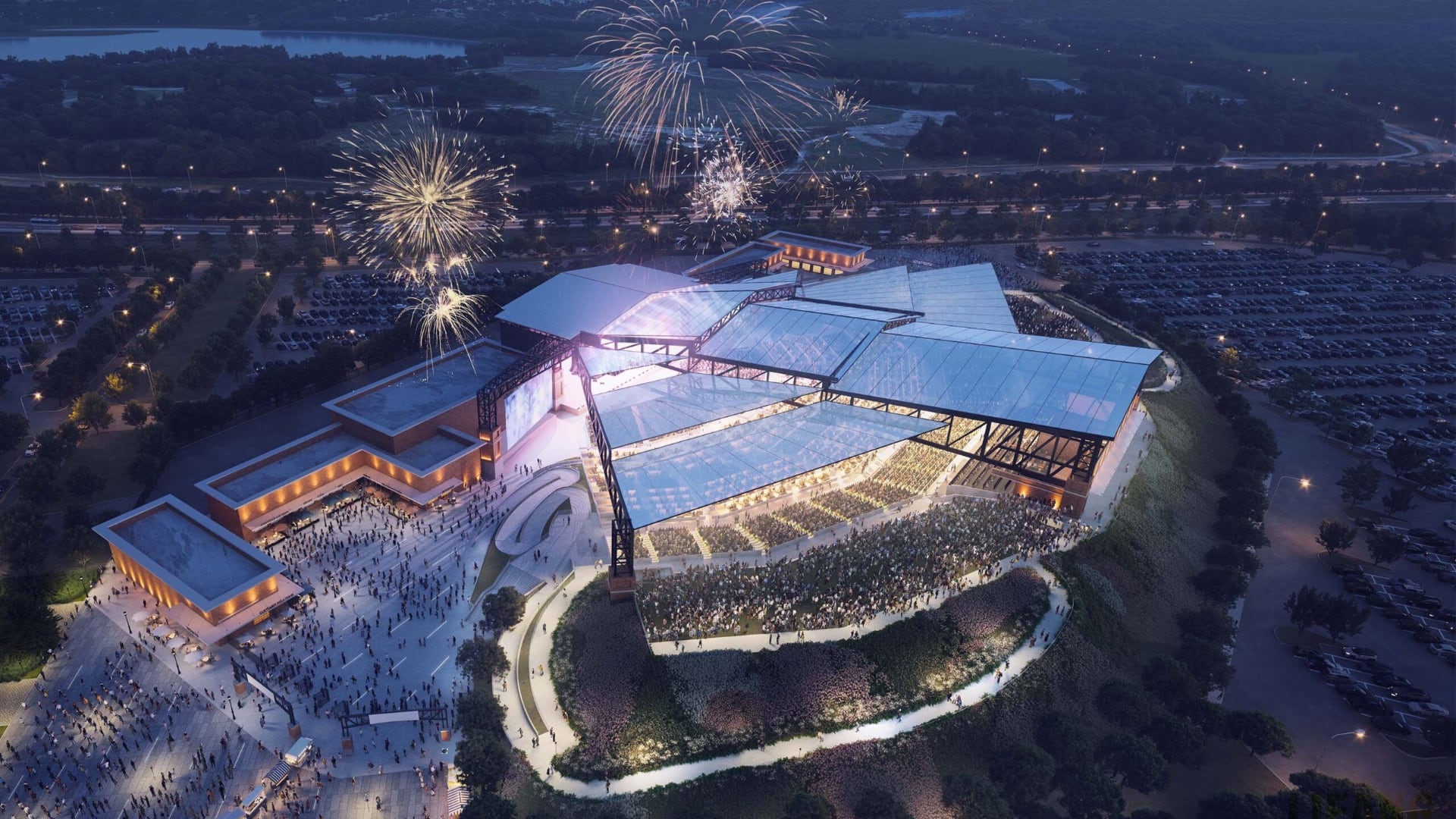
J.W. Roth, CEO of Venu Holding Corporation, discusses the company's IPO and plans to redefine live music entertainment with their fan founded, fan-owned model.