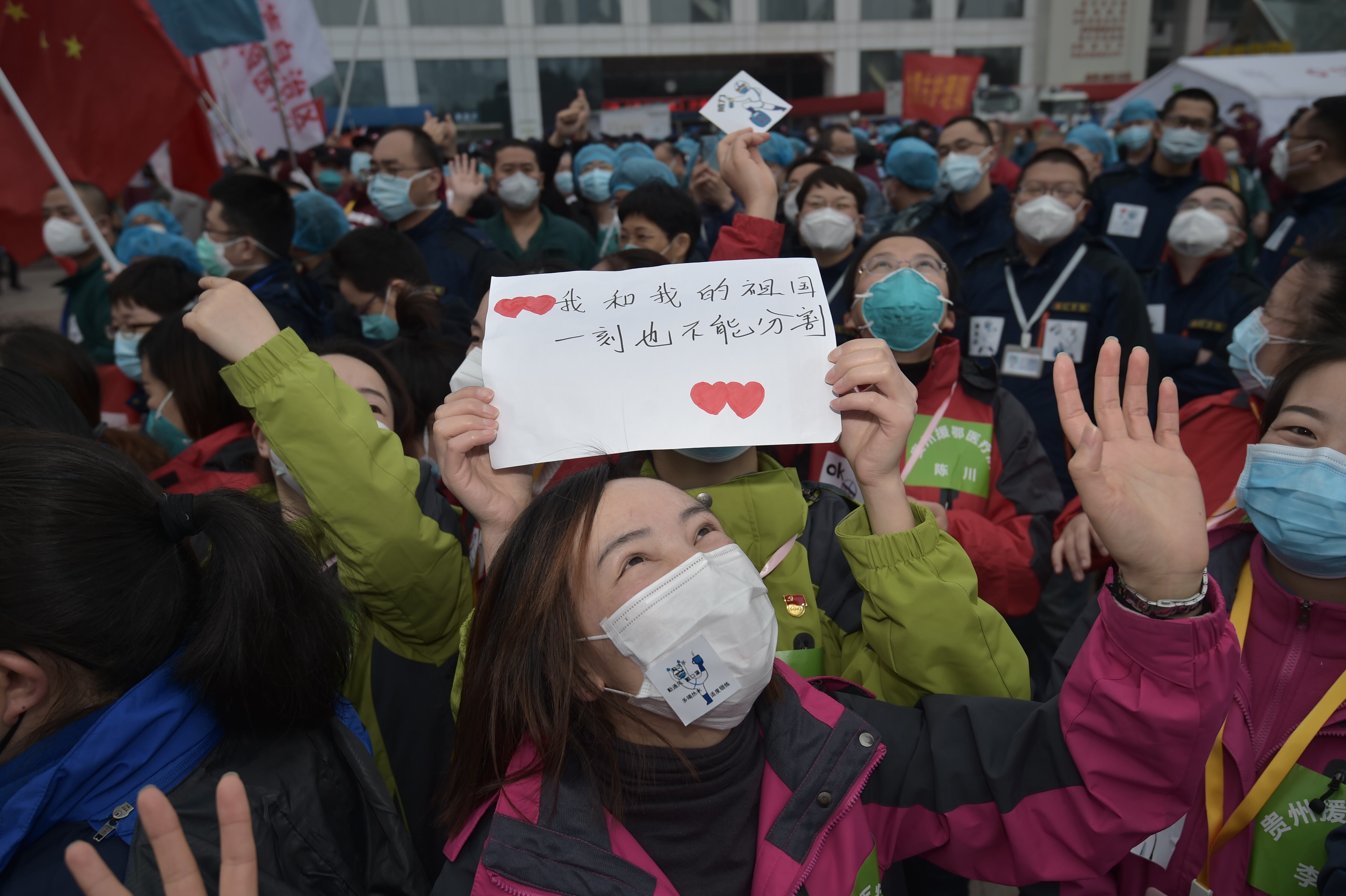
Officials at the World Health Organization said Monday that of about 80,000 people who have been sickened by COVID-19 in China, more than 70 percent have recovered and been discharged from hospitals.
Patients are typically released when they test negative twice for the virus within 24 hours, meaning they’re no longer carrying the virus, although some countries may be using a slightly different definition, which may include when people have no more respiratory symptoms or a clear CT scan.
The World Health Organization said it could take considerably longer for people to be “recovered,” depending on the severity of the disease.
Dr. Mike Ryan, the World Health Organization's emergencies chief, said it can take up to six weeks for people to fully recover from COVID-19 infections, which could include pneumonia and other respiratory problems in serious cases. He said the numbers of reported patients have not always been systematically provided to World Health Organization although the U.N. health agency is asking every country with cases for further information.
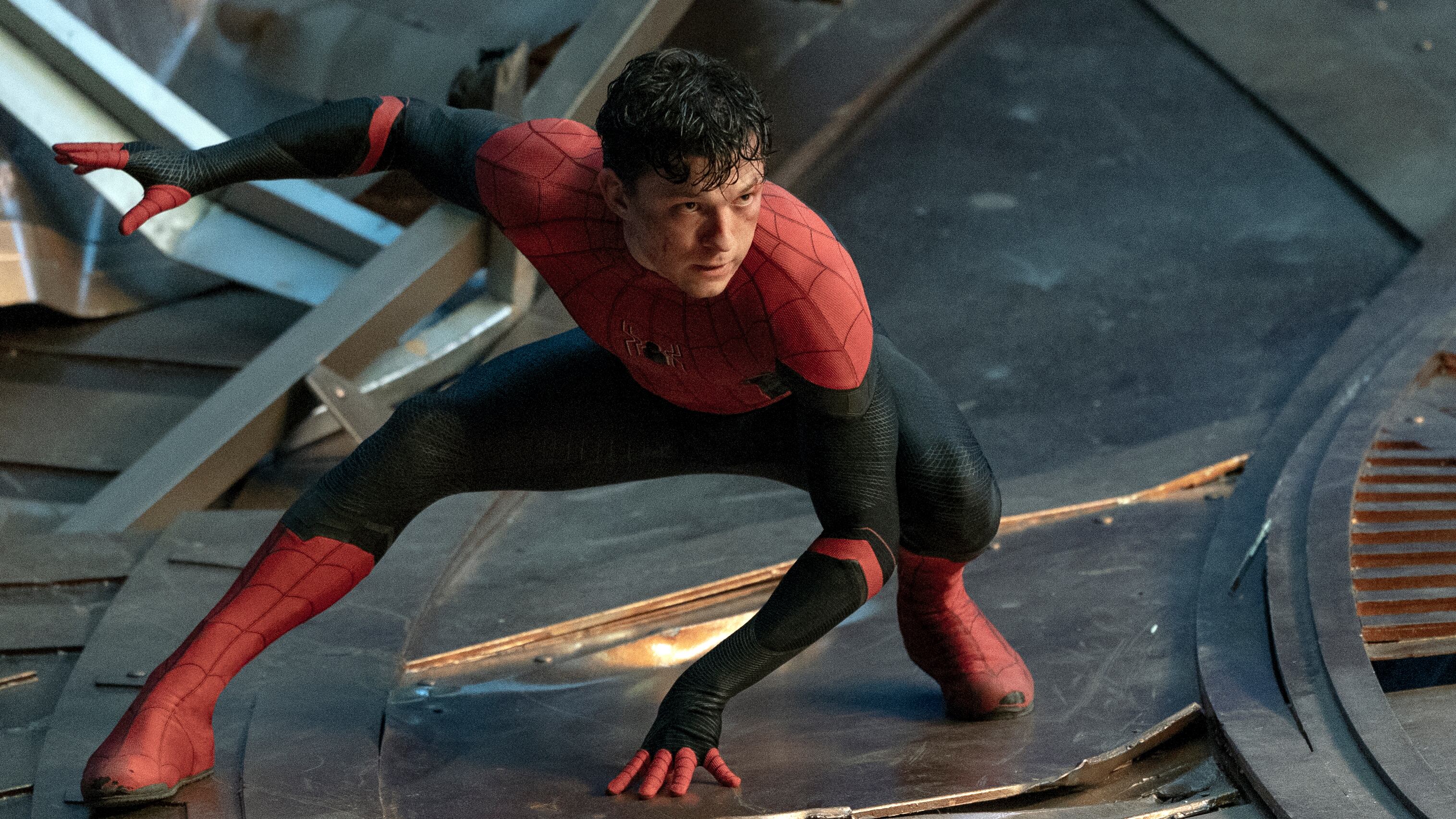
Never underestimate your friendly neighborhood Spider-Man, even with a mutating virus afoot. Despite rising concerns over the omicron variant, “Spider-Man: No Way Home” not only shattered pandemic-era box office records; it became the third best opening of all time behind “Avengers: Endgame” ($357.1 million) and “Avengers: Infinity War" ($257.7 million).
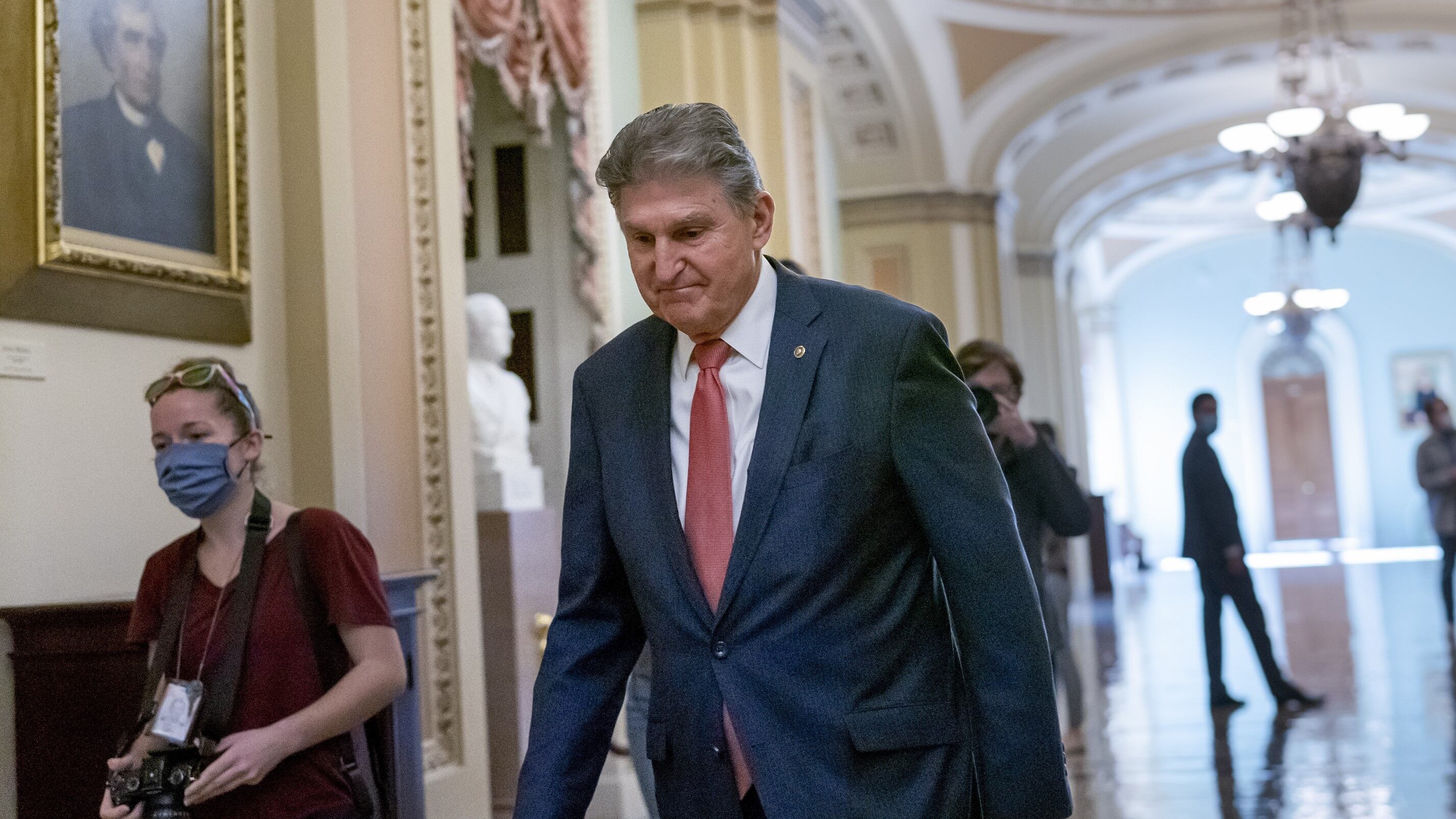
Carlo's joined by a quarantining Baker to discuss the headlines from the weekend as Omicron spreads like wildfire, Manchin kills Biden's signature bill and Spider-Man throws a lifeline to the box office.
Cheddar has been covering the biggest news of the week with some of the biggest names in the biz. In case you missed it, we've pulled together some of the highlights that will keep you informed as we get ready for the week ahead.
Educators have announced plans to increase security in response to TikTok posts warning of shooting and bomb threats at schools around the country Friday as officials assured parents the viral posts were not considered credible.
Carlo Versano and Baker Machado wrap up another week discussing the latest explosion in new Covid cases in the Northeast, President Biden's stalled agenda and more. Plus, Love, Hate, Ate featuring the question: why did movie dialogue get so hard to understand?
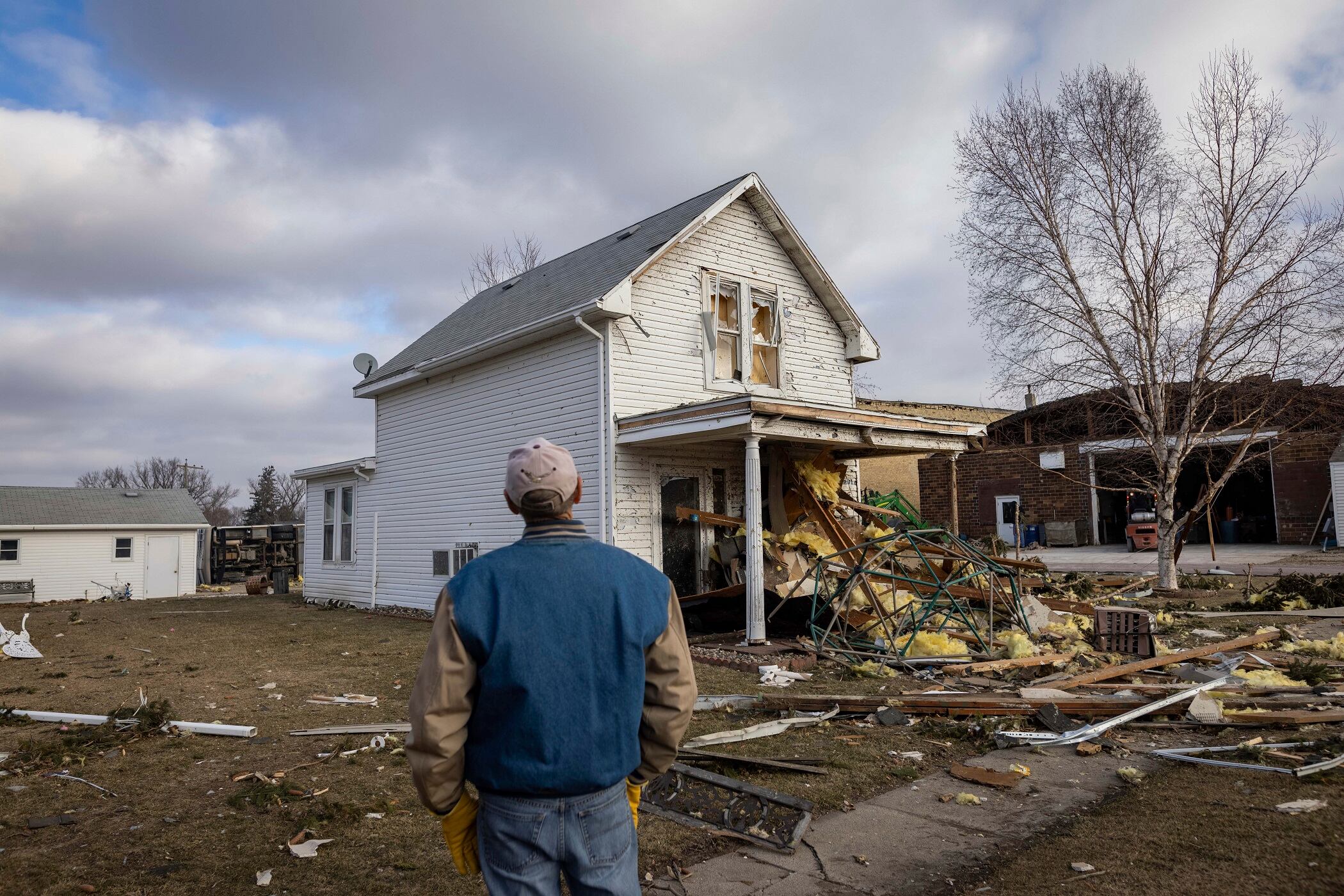
Authorities say at least five people died when a powerful storm system swept across the Great Plains and Midwest, spawning hurricane-force winds and likely tornadoes in Nebraska, Iowa and Minnesota.
Cheddar recommends "The Witcher," every Spider-Man feature film, "Selling Tampa," "This Christmas," and "A Christmas Carol" (1984).
The Fed decision, Omicron spread, NFTs and more. All the news you Need2Know for Thursday, December 16, 2021.
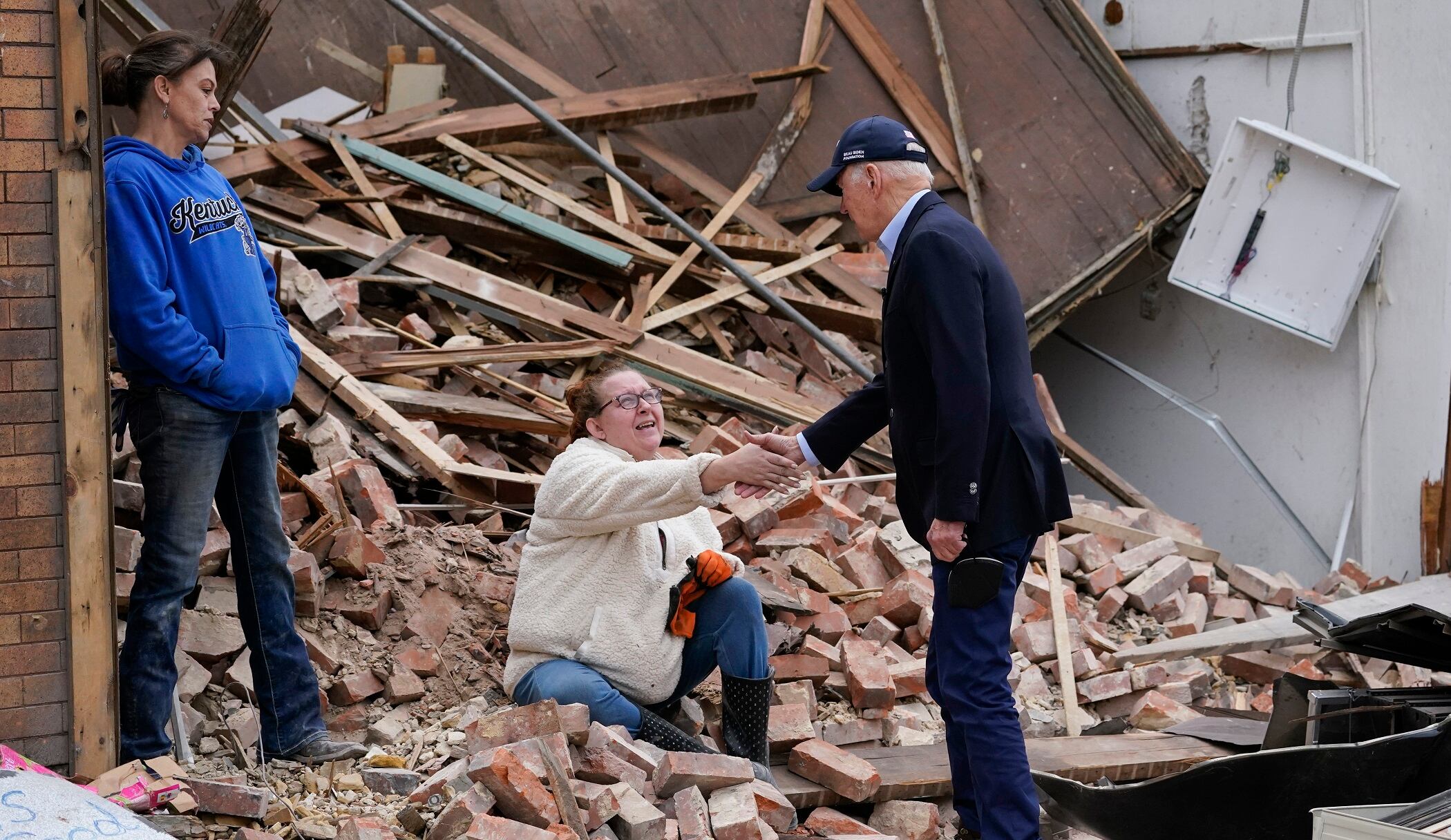
President Joe Biden is pledging to do “whatever it takes, as long as it takes” to help Kentucky and other states recover and rebuild after a series of deadly tornadoes that he says left a trail of unimaginable devastation.
As humans, we share this beautiful planet with more than eight million other species. In this episode of "The Deep End," we are looking at a few that we interact with most intimately. They provide us comfort, do our yard work, and one even predates us by 66 million years.