By Zeke Miller, Lolita C. Baldor, and Aamer Madhani
U.S. officials said Monday that improvements ordered by President Joe Biden to strengthen defenses against Chinese espionage helped to identify last week’s spy balloon — and to determine that similar flights were conducted at multiple points during the Trump administration.
White House National Security Adviser Jake Sullivan said that after Biden took office, the U.S. “enhanced our surveillance of our territorial airspace, we enhanced our capacity to be able to detect things that the Trump administration was unable to detect.”
Biden, in turn, has been faulted by some Republicans for not ordering the balloon shot down before it made its way across the U.S. Officials have said there was concern about damage to people on the ground, and Biden addressed the issue on Monday.
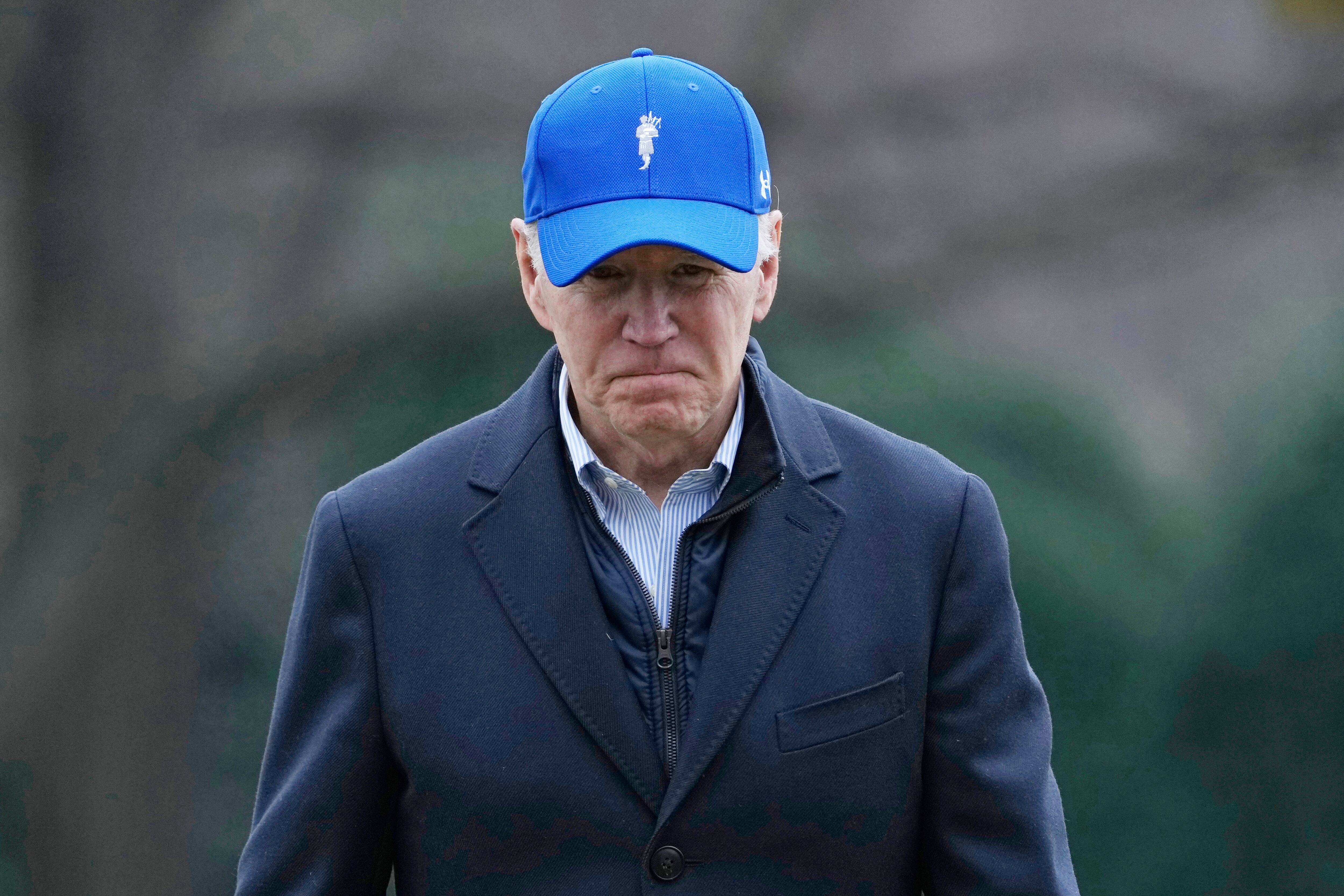
“Once it came over to the United States, from Canada, I told the Defense Department I wanted to shoot it down as soon as it was appropriate,” Biden said. The military concluded "we should not shoot it down over land, it was not a serious threat.”
In a brief exchange with reporters, Biden expressed his continued displeasure with Beijing. Asked why China launched the balloon over the U.S., he replied simply, “Because they’re the Chinese.”
Biden administration officials have planned a classified briefing for all senators on Thursday to discuss the spy balloon situation, according to Senate Majority Leader Chuck Schumer's office.
Sullivan, speaking at an event hosted by the U.S. Global Leadership Coalition, said as part of the surveillance improvements since Biden took office, “we were able to go back and look at the historical patterns" and uncover "multiple instances” during the Trump administration in which Chinese surveillance balloons traversed American airspace and territory.
Several Trump administration officials have have said they didn't learn of Chinese spy balloons during their tenures.
Before Monday, U.S. officials had said that at least three times during the Trump administration and at least one other time during Biden’s time as president balloons have crossed American airspace, but not for this long. In those instances, the United States determined the balloons belonged to China only after they had left U.S. airspace, said Gen. Glen VanHerck, head of U.S. Northern Command.
“I will tell you that we did not detect those threats,” VanHerck said of his military command. “And that’s a domain awareness gap that we have to figure out.” He added that the U.S. intelligence community “after the fact” informed his command about the balloons.
Sullivan did not explain what specifically allowed the U.S. to detect and track the latest balloon where the previous administration might not have. Officials have said, without elaborating, that China has flown similar balloons over parts of five continents in recent years.
Sullivan defended Biden's decision to wait until the balloon was off the Carolina coastline before shooting it down, saying military advisers assessed that downing it over water “created a greater possibility that we could effectively exploit the wreckage than if it were shot down over land.” That was in addition to the warnings from the Pentagon of a potential risk to Americans on the ground.
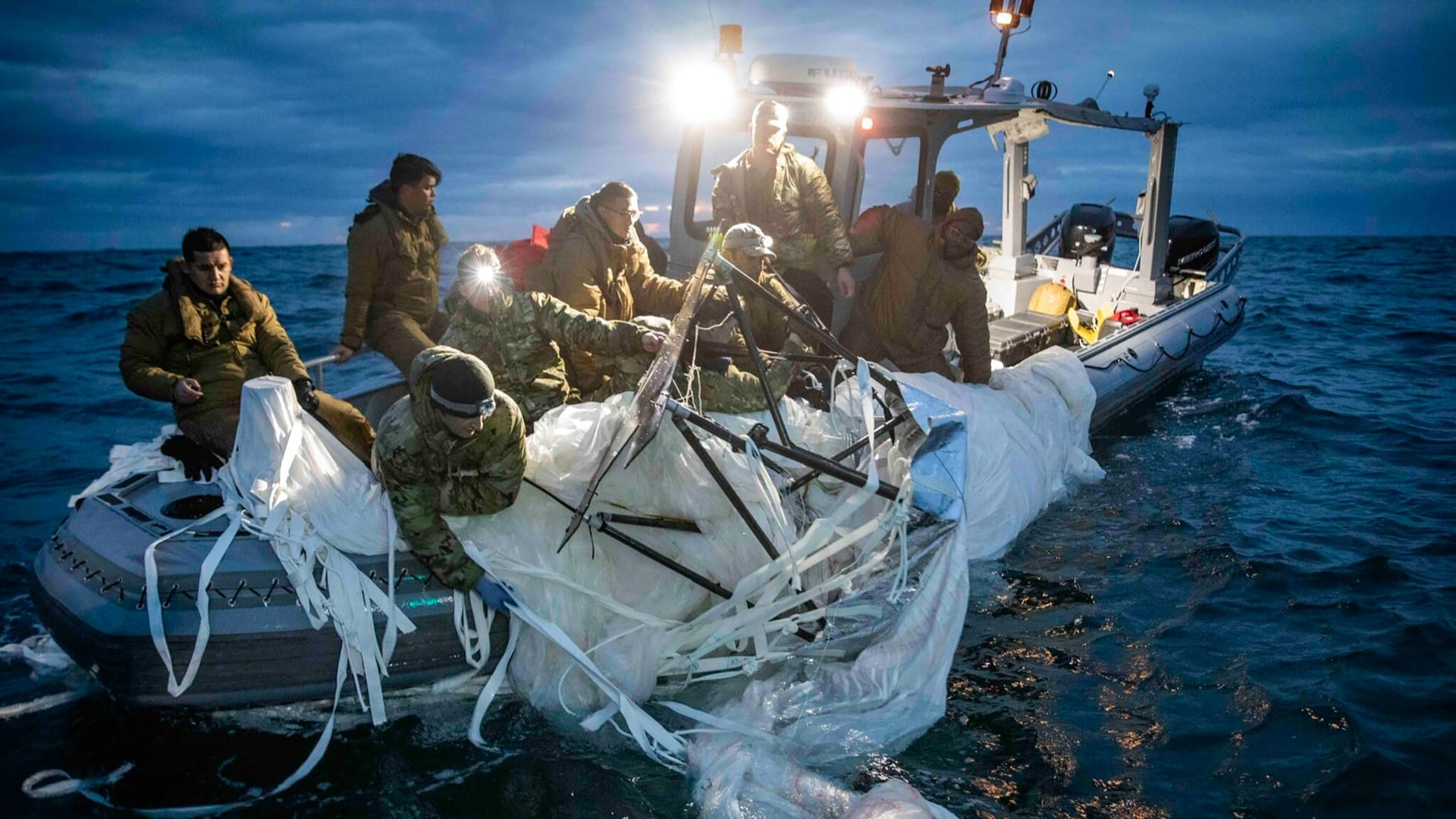
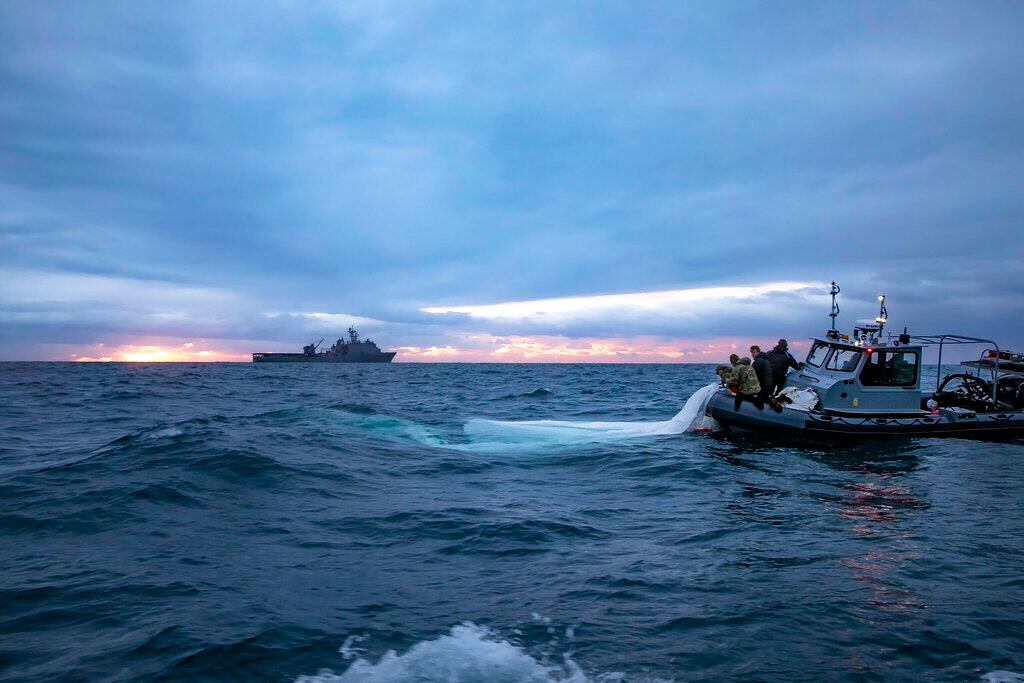
VanHerck described the debris spreading on the waters over “15 football fields by 15 football fields square.”
“The payload itself, I would categorize that as a jet airliner type of size, maybe a regional jet. ... Probably weighed in excess of a couple thousand pounds,” he said.
Sullivan said the U.S. was "still piecing through” which Chinese officials knew what about the balloon and would not speak publicly yet about U.S. assessments about China's intentions flying it over the U.S.
The Biden administration had previously raised concerns about China's use of surveillance balloons with Congress, including during briefings last August, according to White House press secretary Karine Jean-Pierre.
White House National Security Council spokesman John Kirby told reporters on Monday that the U.S. military had begun collecting debris from the balloon. He also confirmed that the White House has offered to brief key officials from the Trump administration, but said briefings had yet to take place.
Kirby firmly rejected Beijing's claim that the U.S. violated international law by shooting down the balloon.
“The United States, under President Biden’s authority and orders acted in accordance with international law and in defense of our homeland and our sovereign airspace,” Kirby said. "We were absolutely within our rights to bring down that balloon.”
Kirby also dismissed China’s contention that the balloon was for meteorological purposes, saying “it strains credulity ... that this was some kind of weather balloon that was floating on the winds.”
VanHerck, commander of U.S. Northern Command, said the U.S. “took maximum precautions” to prevent the balloon from collecting information as it crossed the nation. He declined to provide any details on how that was done, including by the military’s U.S. Strategic Command. The Navy is taking protective measures during recovery operations, in case there were explosives on the balloon, he said.
He said some debris may float ashore, and he warned the public not to try to collect it.
The decision to strike the balloon when it was six miles off the coast was made after consultations with NASA, which had estimated the potential debris field due to the balloon’s altitude, VanHerck said.
The Navy is also using an underwater unmanned vehicle to photograph and track debris. Monday was the first day it could be used due to rough seas, according to White House and Pentagon officials.
The White House said the balloon was a setback to already tense relations with Beijing. Secretary of State Antony Blinken was supposed to visit China but the trip was put on hold because of the incident.
Still, White House officials said America's China relationship is perhaps the most consequential for the United States and that communication between the two countries continues. Jean-Pierre said the incident hasn't changed Biden's focus on establishing guardrails in the often tense relationship and acting cooperatively on some issues of mutual concern.
“It’s up to China to figure out what kind of relationship that they want,” she said.
___
Associated Press writers Tara Copp and Colleen Long contributed reporting