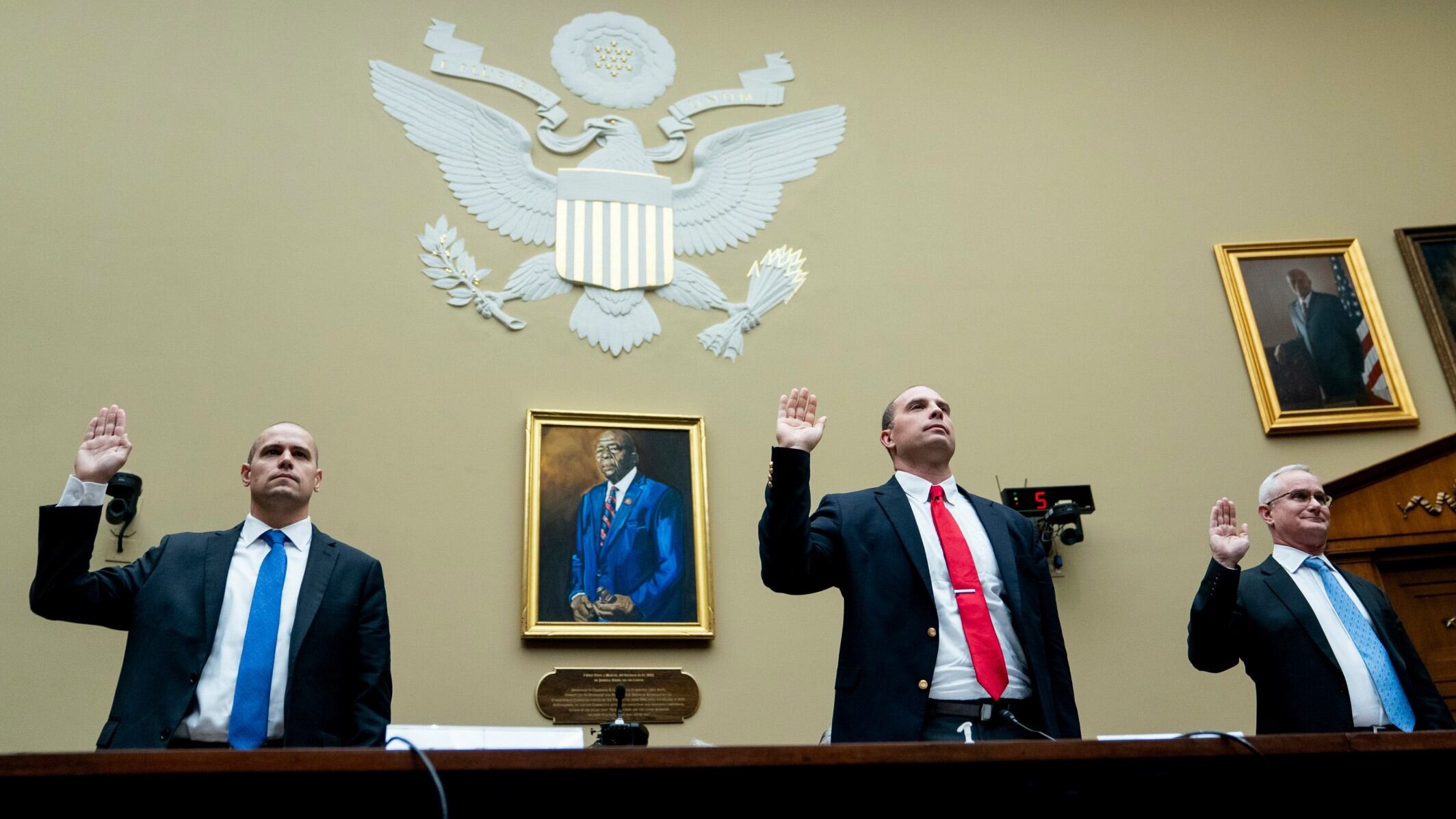
Ryan Graves, Americans for Safe Aerospace Executive Director, from left, U.S. Air Force (Ret.) Maj. David Grusch, and U.S. Navy (Ret.) Cmdr. David Fravor, are sworn in during a House Oversight and Accountability subcommittee hearing on UFOs, Wednesday, July 26, 2023, on Capitol Hill in Washington. (AP Photo/Nathan Howard)
By Nomaan Merchant
The U.S. is concealing a longstanding program that retrieves and reverse engineers unidentified flying objects, a former Air Force intelligence officer testified Wednesday to Congress. The Pentagon has denied his claims.
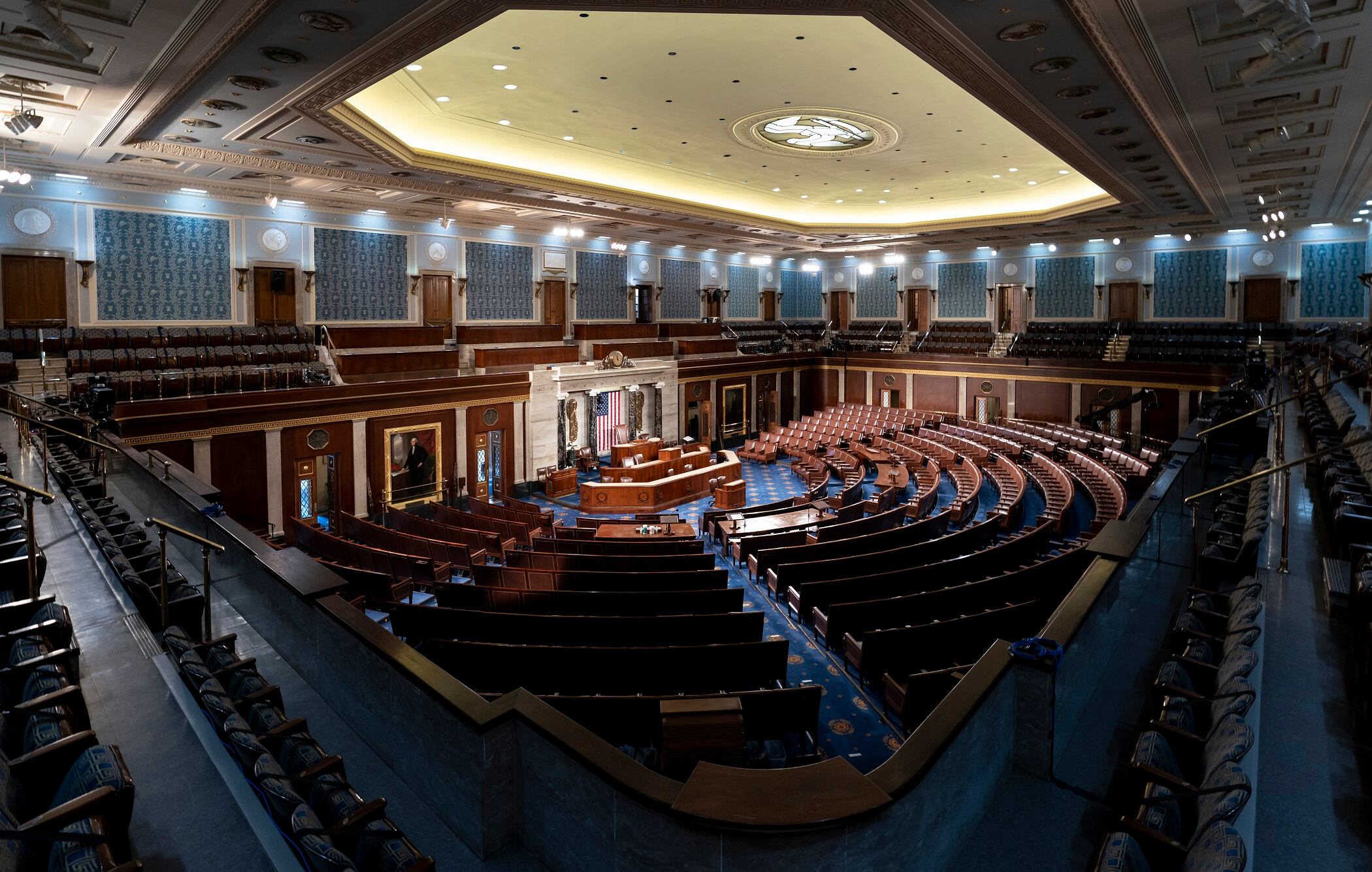
Retired Maj. David Grusch's highly anticipated testimony before a House Oversight subcommittee was Congress' latest foray into the world of UAPs — or “unidentified aerial phenomena," which is the official term the U.S. government uses instead of UFOs. While the study of mysterious aircraft or objects often evokes talk of aliens and “little green men,” Democrats and Republicans in recent years have pushed for more research as a national security matter due to concerns that sightings observed by pilots may be tied to U.S. adversaries.
Grusch said he was asked in 2019 by the head of a government task force on UAPs to identify all highly classified programs relating to the task force's mission. At the time, Grusch was detailed to the National Reconnaissance Office, the agency that operates U.S. spy satellites.
“I was informed in the course of my official duties of a multi-decade UAP crash retrieval and reverse engineering program to which I was denied access,” he said.
Asked whether the U.S. government had information about extraterrestrial life, Grusch said the U.S. likely has been aware of “non-human” activity since the 1930s.
The Pentagon has denied Grusch's claims of a coverup. In a statement, Defense Department spokeswoman Sue Gough said investigators have not discovered “any verifiable information to substantiate claims that any programs regarding the possession or reverse-engineering of extraterrestrial materials have existed in the past or exist currently.” The statement did not address UFOs that are not suspected of being extraterrestrial objects.
Grusch says he became a government whistleblower after his discovery and has faced retaliation for coming forward. He declined to be more specific about the retaliatory tactics, citing an ongoing investigation.
“It was very brutal and very unfortunate, some of the tactics they used to hurt me both professionally and personally,” he said.
Rep. Glenn Grothman, R-Wis., chaired the panel's hearing and joked to a packed audience, “Welcome to the most exciting subcommittee in Congress this week.”
There was bipartisan interest in Grusch’s claims and a more sober tone than other recent hearings featuring whistleblowers celebrated by Republicans and criticized by Democrats. Lawmakers in both parties asked Grusch about his study of UFOs and the consequences he faced and how they could find out more about the government’s UAP programs.
“I take it that you’re arguing what we need is real transparency and reporting systems so we can get some clarity on what’s going on out there,” said Rep. Jamie Raskin, D-Md.
Some lawmakers criticized the Pentagon for not providing more details in a classified briefing or releasing images that could be shown to the public. In previous hearings, Pentagon officials showed a video taken from an F-18 military plane that showed an image of one balloon-like shape.
Pentagon officials in December said they had received “several hundreds” of new reports since launching a renewed effort to investigate reports of UFOs.
At that point, “we have not seen anything, and we’re still very early on, that would lead us to believe that any of the objects that we have seen are of alien origin,” said Ronald Moultrie, the undersecretary of defense for intelligence and security. “Any unauthorized system in our airspace we deem as a threat to safety.”
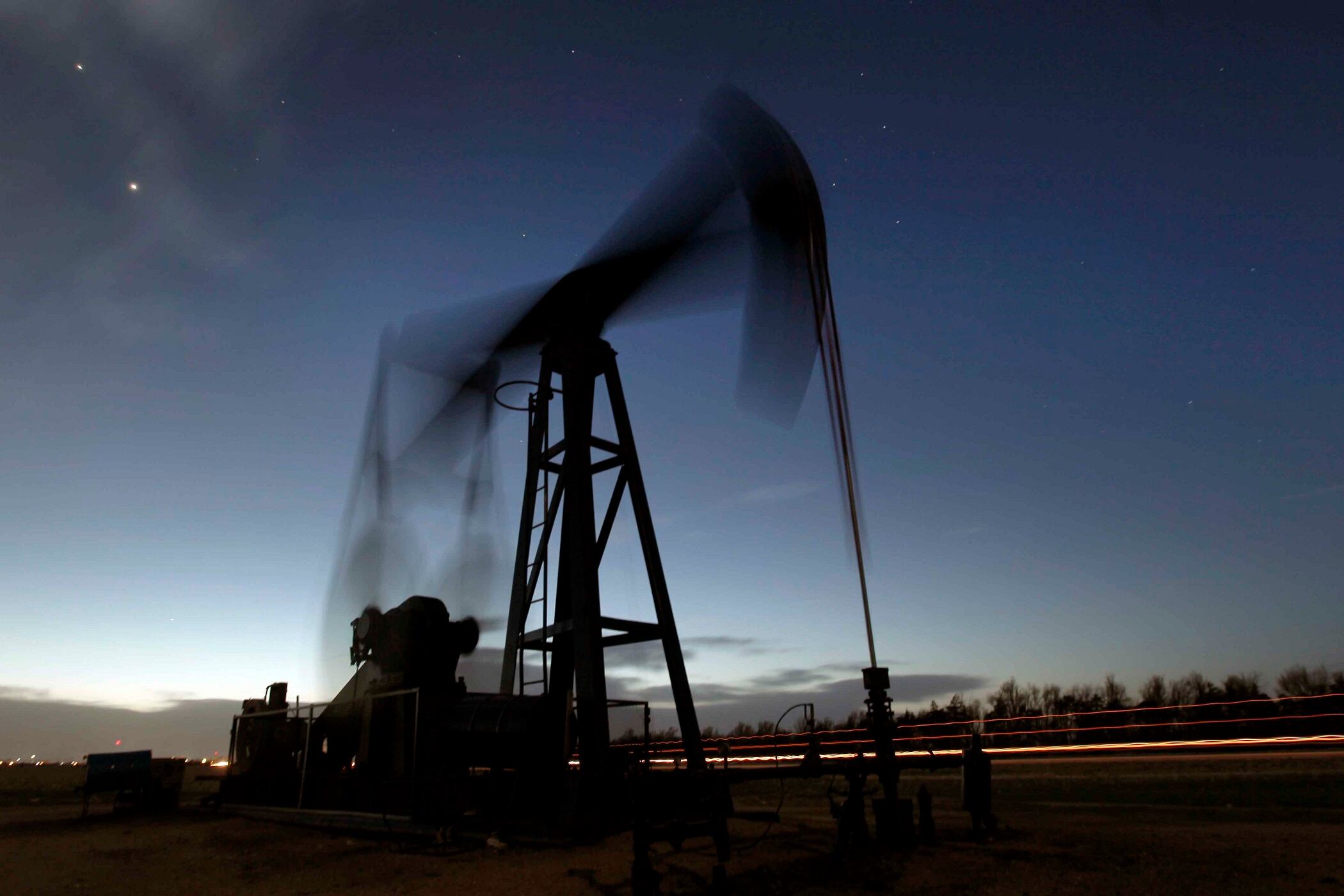
Prices at the pump have escalated severely during the Russian invasion of Ukraine. Paul Christopher, head of global market strategy, Wells Fargo Investment Institute, joined Cheddar News to explain how he sees the gas prices continuing to spiral despite the International Energy Agency announcing the release of 60 million barrels of oil from the strategic reserves of 31 countries. "We think you could see oil and gas prices continue to rise. Oil prices maybe could hit $140 a barrel. That's possible. And that would add another 50-60 cents on top of the gasoline prices you already have," he said.
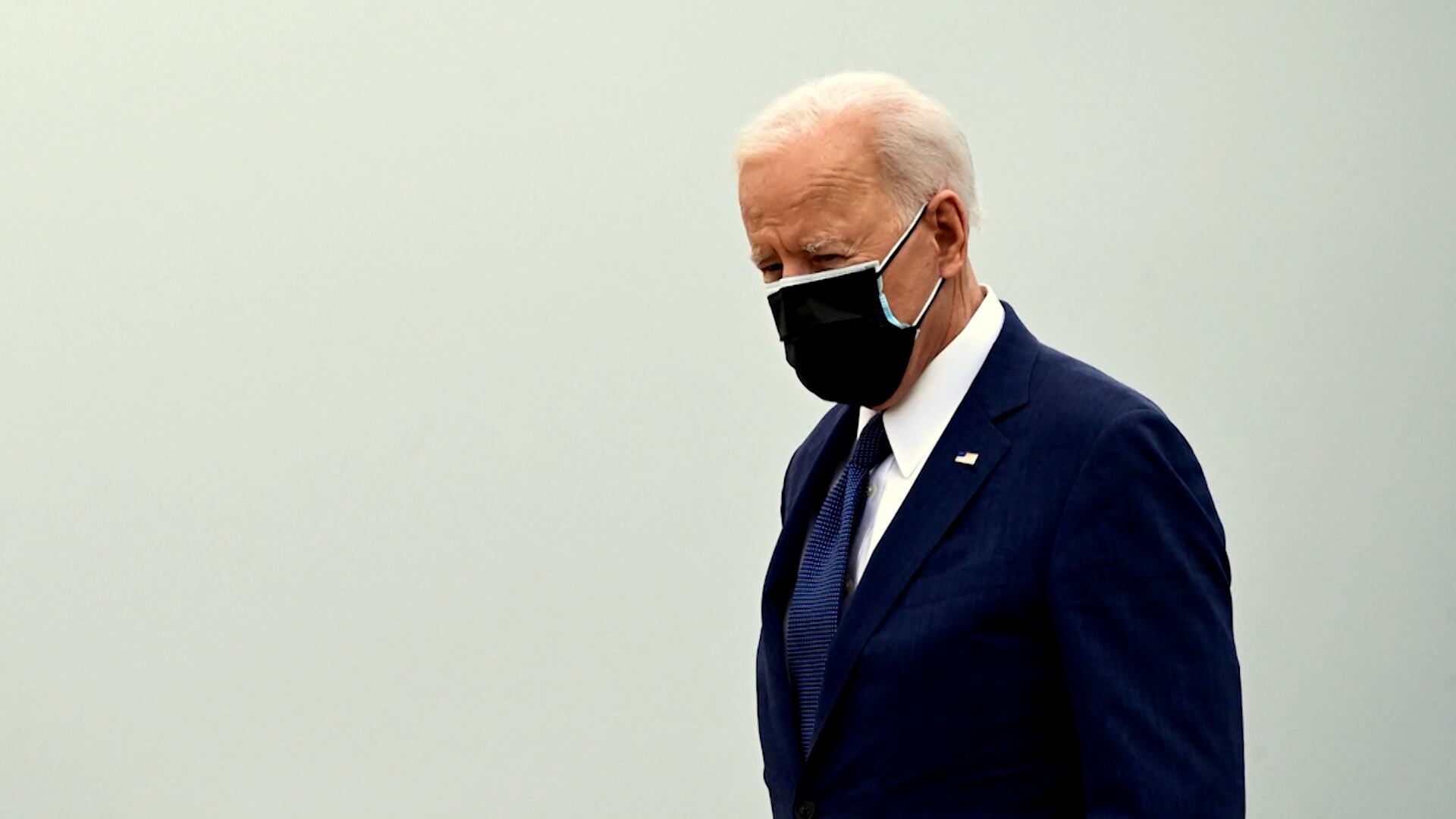
President Joe Biden is set to give his first State of the Union address amid both international and domestic crises: the Russia-Ukraine conflict and continued rising inflation and economic worries at home. He's expected to focus on a four-point plan to reduce everyday costs, and promote economic competition, among other key tenets. But will it be enough to persuade Americans that his administration will be able to get rising prices and foreign policy moves under control? Eugene Scott, national politics reporter at The Washington Post, joins Closing Bell to discuss Biden's expected focus, how he will aim to ease Americans' concerns, and more.
Dr. Daniel Bober, psychiatrist and certified addiction medicine physician, joins Cheddar News to offer tips on how parents and guardians can talk to their children about what's happening in Ukraine.
While crypto exchanges have been used to aid Ukraine amid the Russian invasion, critics point to possible sanction evasion on the Russian side using the same technology. Cheddar's Alex Vuocolo takes a closer look.
Airbnb.org has announced that it will provide up to 100,000 Ukrainian refugees with free housing. Airbnb.org is the philanthropic branch of Airbnb that provides free housing for those affected by disasters. Joe Gebbia, co-founder and chairman of Airbnb.org, joined Cheddar News to talk about how the company has helped thousands find shelter in times of crisis. "A lot of people are saying this conflict is likely to be the largest humanitarian crisis since World War II, and I believe Airbnb believes that companies have a responsibility to step up and to help out in times like these," he said.
The International Energy Agency’s 31 member countries have agreed to release 60 million barrels of oil from their strategic reserves “to send a strong message to oil markets” that supplies won’t fall short after the Russian invasion of Ukraine.
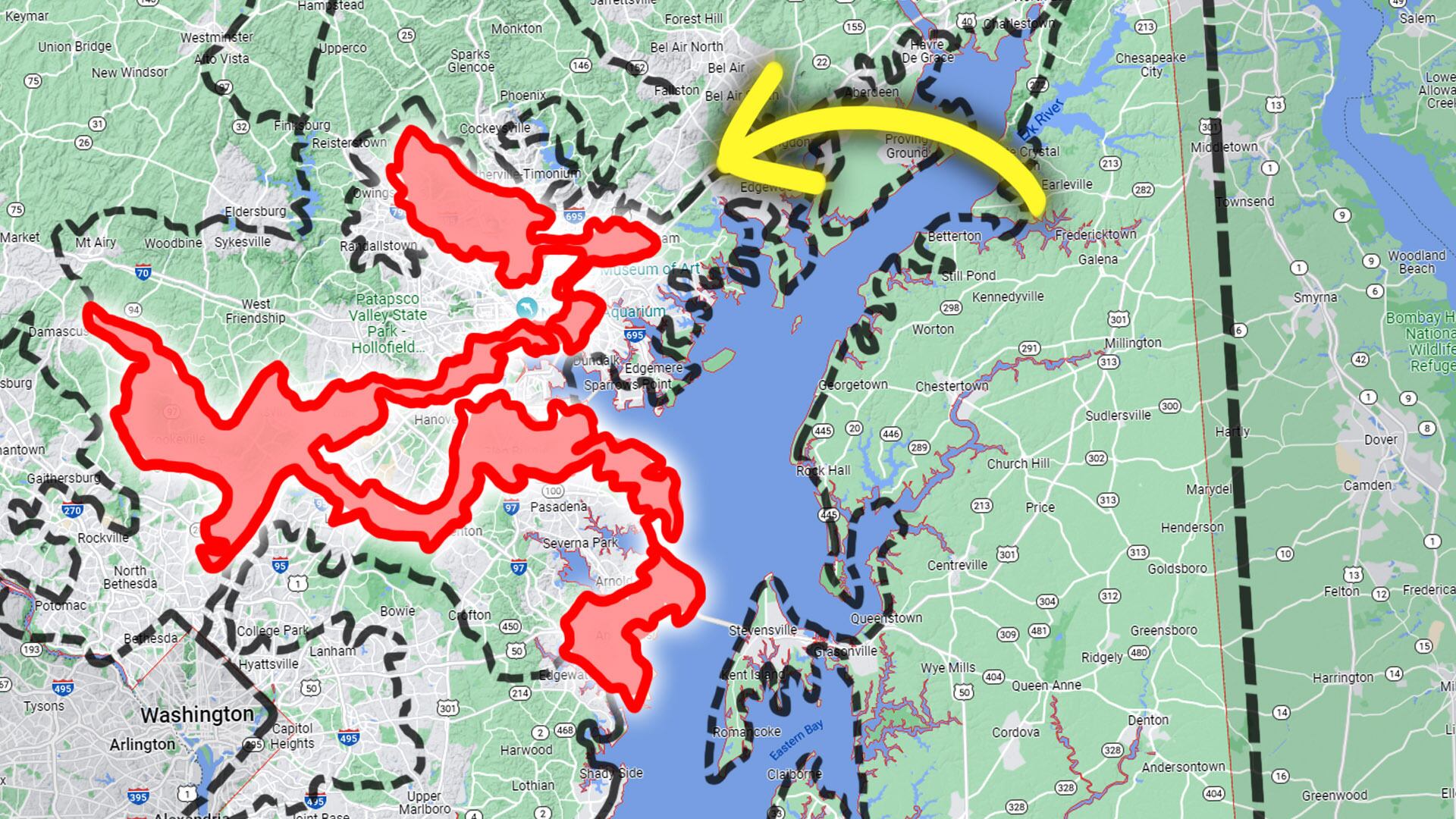
Every ten years, there’s a census. That decennial count is long and tedious and arduous…and important. Because it confirms who lives where so the Federal Government properly allocates resources, so services go to the places that need them most and - yes - so states gain or lose seats in congress and have the opportunity to redraw all their state and Congressional lines.
That means, every 10 years, states start what has famously been one of the most partisan and divisive processes in politics. Because one strategic line can mean the difference in party control in not just the state legislatures but also in congress.
Cheddar explains how gerrymandering works and why it exists.
The COVID-19 pandemic disrupted blood donations leading to severe shortages throughout the country. Chloe Aiello reports on the desperate need for new donors.
Russian forces escalated their attacks on populated urban areas Tuesday, bombarding the central square in Ukraine’s second-largest city and Kyiv’s main TV tower.