What the Trading Bots Got Wrong About the Fed Minutes
Despite an initial surge, the Dow closed down 167 points after the Federal Reserve released January minutes Wednesday afternoon. William De Lucy, Managing Director at Amplify Trading, was with us to break down why robots may have misunderstood the overall message delivered by the Fed.
He said the initial push higher was because algorithms were looking at the headlines, which were more dovish than the overall statement was meant to be. De Lucy said there are automatic word recognition programs that pick up words such as "gradual", which was connected to the pace of interest rate hikes. He said it seems like the algorithms got it wrong, and the A.I. was not intelligent enough.
Goldman Sachs came out with a report Thursday that revealed it expects 5 rate hikes. De Lucy said no one is expecting just three anymore. He added that one big deterrent for the Fed is that more rate hikes will cause equities to correct. Since President Trump has been putting such a focus on the strong stock market, Du Lucy expects we will see more inflation before we see rates go up.
As commercial options tighten, more travelers are turning to private aviation. Wheels Up CEO George Mattson breaks down capacity and demand challenges.
Layoffs, hiring slowdowns, and shifting skill demands dominate this year’s job talk. LinkedIn’s Kory Kantenga explains what workers should watch for next.
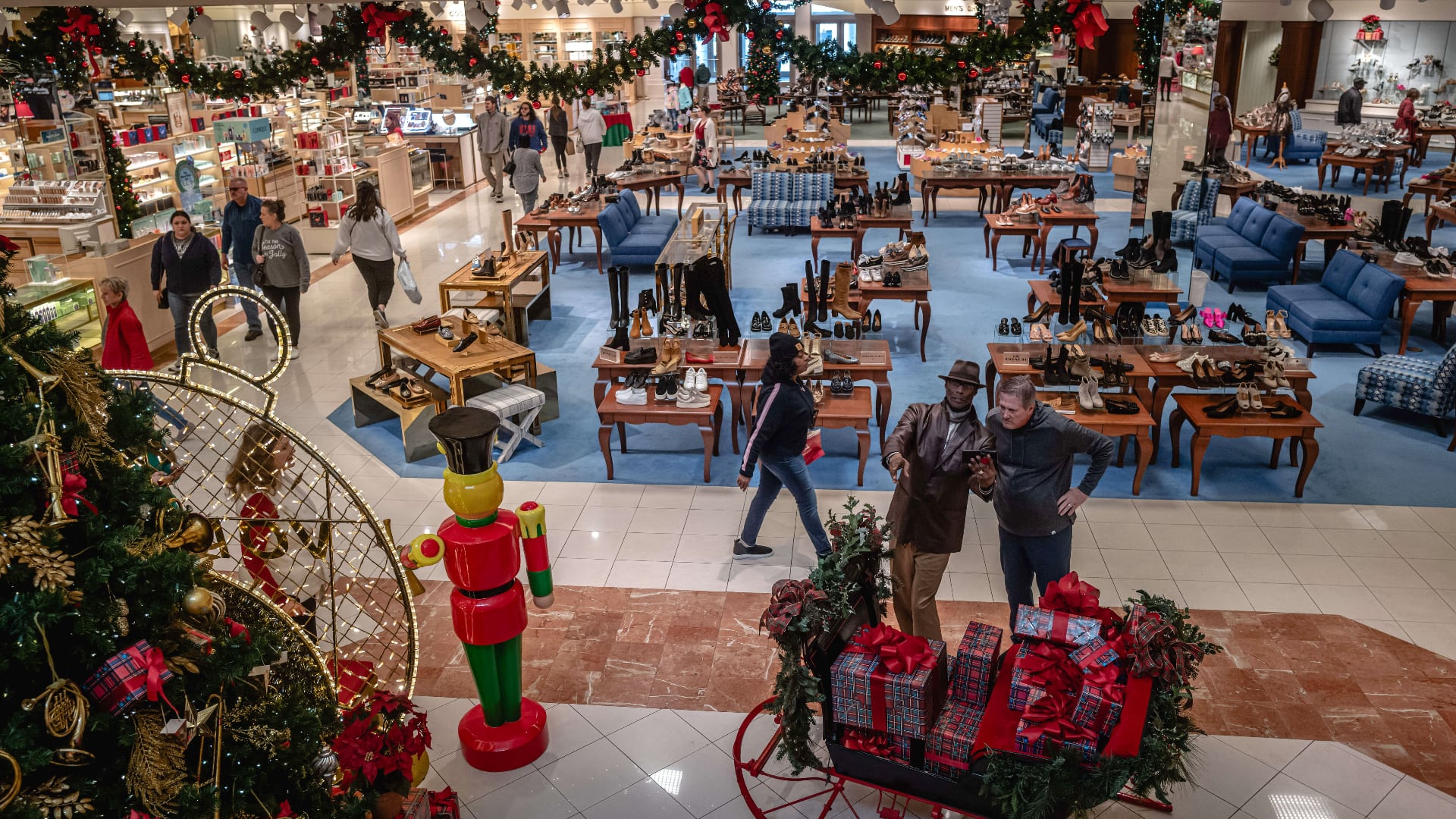
Retailers face tariffs and cost challenges this holiday season. Wells Fargo's Lauren Murphy shares insights on pricing, promotions, and shopping trends.
Dateability, founded by sisters Jacqueline and Alexa Child, is the only dating app for disabled and chronically ill communities, fostering love without limits.
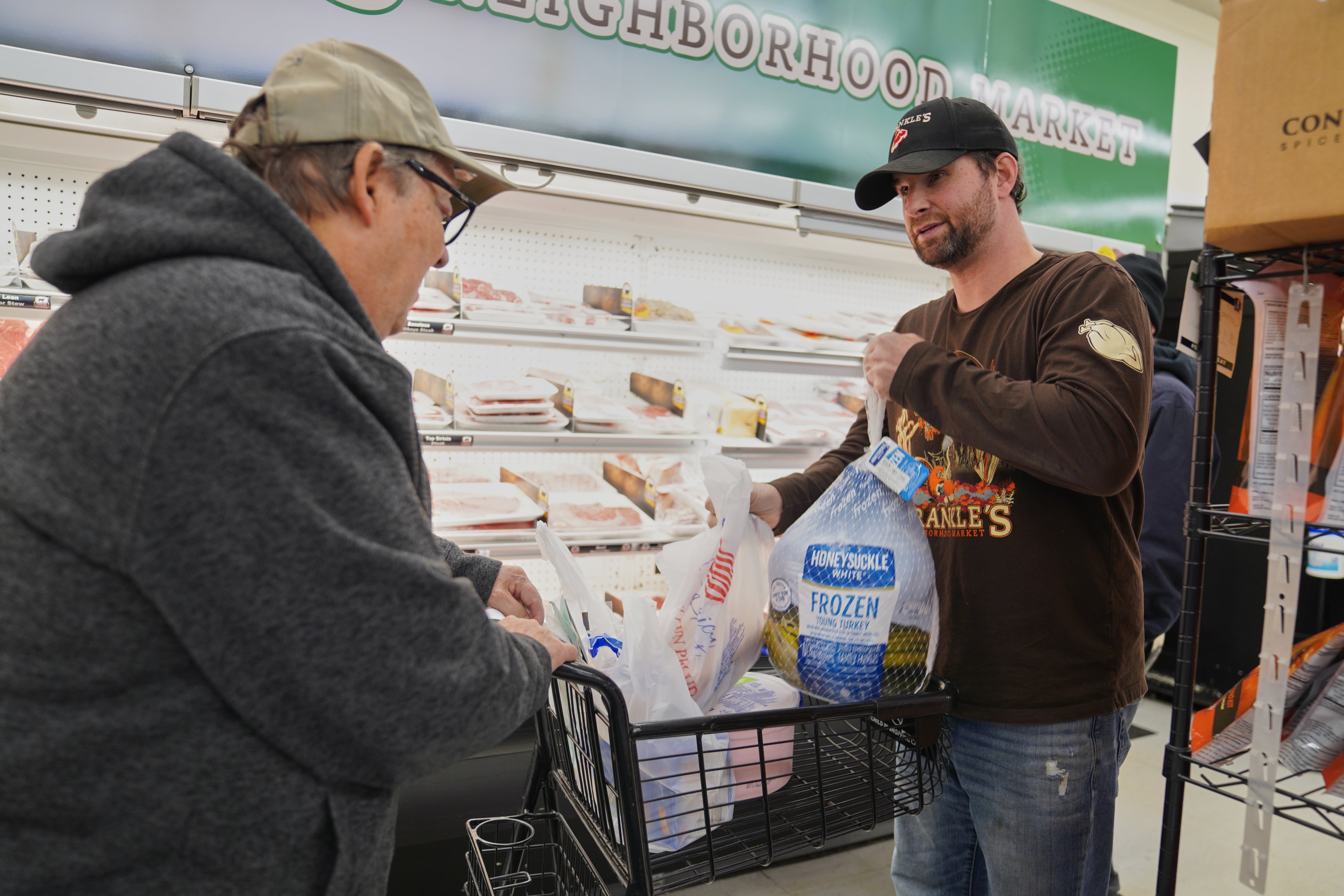
Some small grocery stores and neighborhood convenience stores are eager for the U.S. government shutdown to end and for their customers to start receiving federal food aid again. Late last month, the Trump administration froze funding for the SNAP benefits that about 42 million Americans use to buy groceries. The U.S. Department of Agriculture says about 74% of the assistance was spent last year at superstores like Walmart and supermarkets like Kroger. Around 14% went to smaller stores that are more accessible to SNAP beneficiaries. A former director of the United Nations World Food Program says SNAP is not only a social safety net for families but a local economic engine that supports neighborhood businesses.
Andy Baehr, Head of Product at CoinDesk Indices, breaks down crypto’s Black Friday crash, Bitcoin dipping under $100K, and what’s driving the market rout.