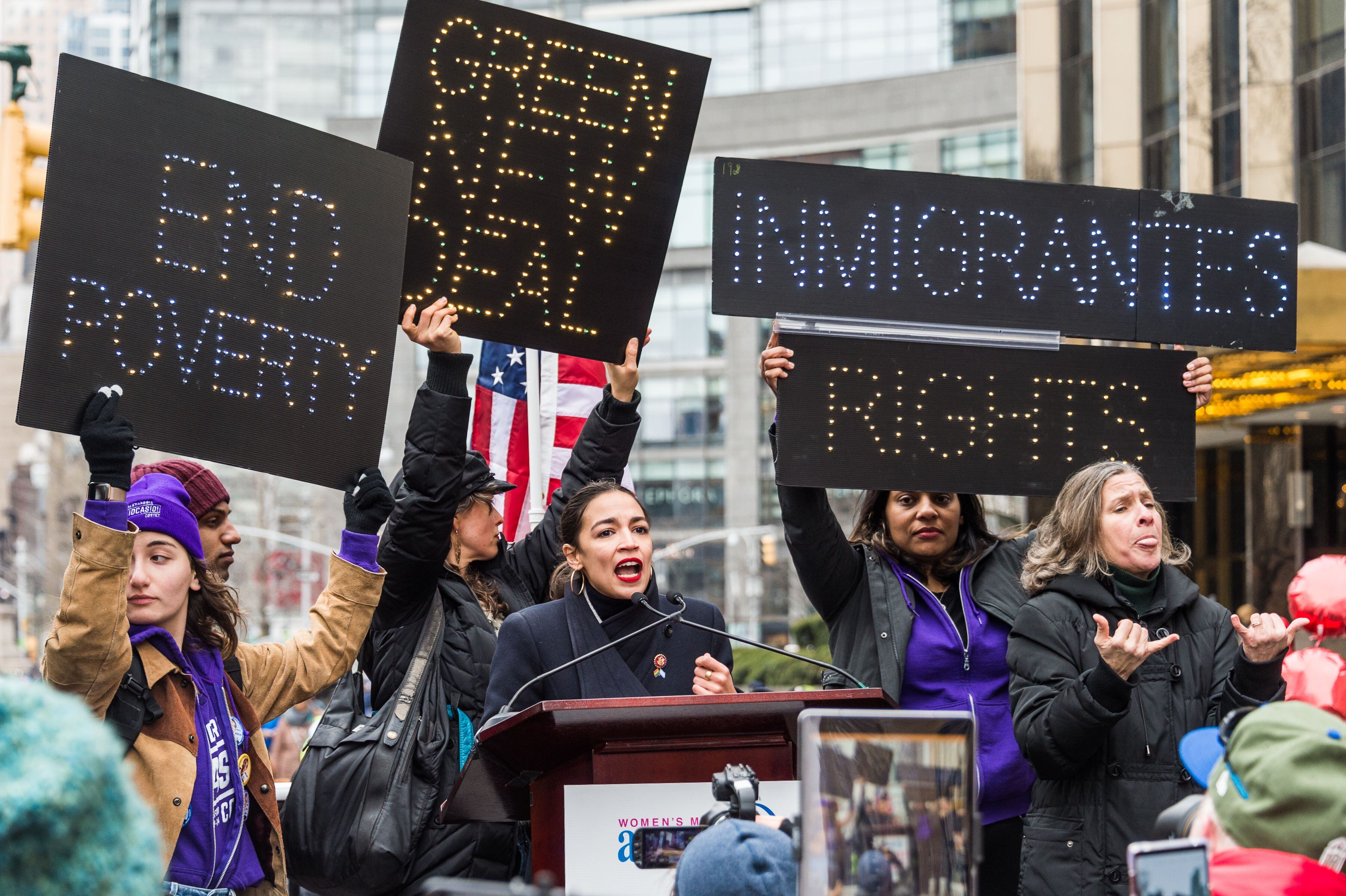
More than a decade after the term was coined by columnist Thomas Friedman in the New York Times, there is a Green New Deal proposal in Congress.
Rep. Alexandria Ocasio-Cortez (D-NY) and Sen. Ed Markey (D-MA) have proposed a formal resolution that would frame climate change, economic sustainability and social justice together under a unifying theme, calling for a Depression-era national mobilization similar to FDR's New Deal, and serving as a litmus test for Democratic presidential candidates going forward.
History of the Green New Deal
A Green New Deal has long been an amorphous idea kicking around progressive circles. President Obama attempted to make it part of his platform in the form of a cap-and-trade bill that died in the Senate early in his presidency. His other climate policies were largely undone by President Trump.
It wasn't under Rep. Ocasio-Cortez made it a tentpole of her insurgent 2018 congressional campaign that it began to coalesce into an actual set of policies and a major piece of the Democratic agenda. AOC's platform called for “transitioning the United States to a carbon-free, 100-percent renewable energy system, and a fully modernized electrical grid by 2035.”
What Does it Do?
The Green New Deal attempts to tie that goal to broader issues of inequality, infrastructure modernization and access to healthcare. The plan calls for a 10-year national mobilization to aggressively curb greenhouse gas emissions, including neutralizing human-caused greenhouse emissions entirely by 2050 and a goal of increasing U.S. renewable energy production to near 100 percent within a decade.
The GND proposal goes on to tie the need for a massive national infrastructure overhaul to climate change and the effects of worsening natural disasters. It also proposes that every existing building in the country be retrofitted to more efficiently use energy and water.
What Comes Next?
As a non-binding resolution, the proposal would not change any laws even if it were to pass. Instead, it's meant as a stake in the ground around which Democrats can rally their base, and as a framework for candidates running for office to endorse. So far, every major Democrat running for president in 2020 has endorsed a Green New Deal in concept. Thursday's resolution would add specific policy goals for candidates to either endorse or refute.
The sweeping resolution goes beyond climate change proposals to include other pieces of a progressive platform, like a call for a federal jobs guarantee, universal basic income and universal healthcare. By framing those items as part and parcel of environmental policy, supporters hope to galvanize voters around a holistic "big idea," the way FDR garnered support for the New Deal during the Depression.
Markets opened slightly higher to kick off the final trading week of the year as investors continue to watch the Omicron variant in the U.S. Sean O'Hara, President, Pacer ETFs joined Cheddar's Opening Bell to discuss what drove early market activity.
Carlo and Baker kick off the weirdest week of the year with all the news you missed over the holiday weekend, including calls for the CDC to shorten its isolation window as Omicron sweeps through the country.
Former professional tennis player Patrick McEnroe joined Cheddar to discuss the troubling issues surrounding player Peng Shuai who appeared potentially to have been silenced following her social media post accusing former Vice-Premier Zhang Gaoli of sexual assault. Shuai's subsequent disappearance, reappearance, and apparent retraction of the accusation in an interview only added to worries. "When this happened, all of us in the tennis community were very concerned. And, by the way, another thing Peng said in this interview was that she doesn't speak very good English," McEnroe noted. "Well I can assure you, she speaks darn good English, 'cause I spoke to her on many occasions over the last 15 years."
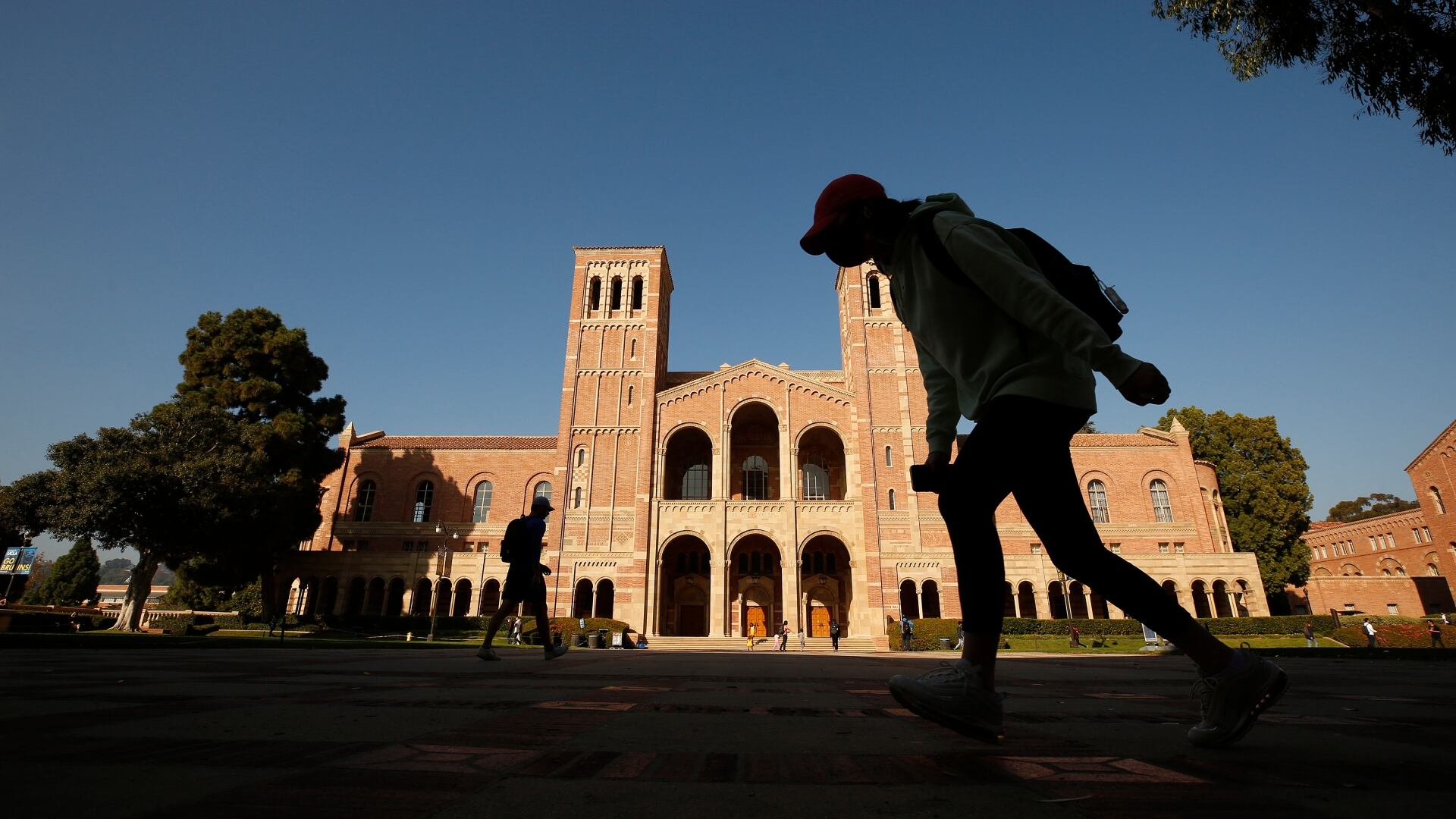
Universities like UCLA, Yale, and Duke have announced they're implementing remote learning amid the COVID omicron variant surge, despite President Biden recommending that K-12 schools should continue in-person education. Jared C. Bass, senior director for Higher Education at American Progress, joined Cheddar to break down what institutions of higher education might be considering differently. "I think some universities are allowing periods of a bit of a respite to allow students to get testing and make sure when they do return back to campus that they're healthy," he noted.
The S&P closed at a record at the major markets ended Thursday's session higher for a third straight day. Adam Coons, Portfolio Manager at Winthrop Capital Management, joins Cheddar News' Closing Bell, where he discusses what has investors feeling jolly before Christmas, and gifts investors with winning buying opportunities entering 2022.
The Supreme Court will hear arguments on President Joe Biden's vaccine mandates for large companies and health care workers on January 7, 2022. The mandates will remain in place until then.
Carlo and Baker cover the heartening news on the Covid front ahead of the holiday, plus President Biden punting student loan repayments again, a new space telescope and Love, Hate, Ate: Christmas Eve Eve Edition!
This year's worldwide semiconductor shortage limited the supply of everything from new cars to smartphones; and now, many in the chip industry expect the shortage to continue deep into 2022, and maybe even 2023. Semiconductor senior research analyst for Robert W. Baird & Co., Tristan Gerra, joins Cheddar News' Closing Bell to discuss.