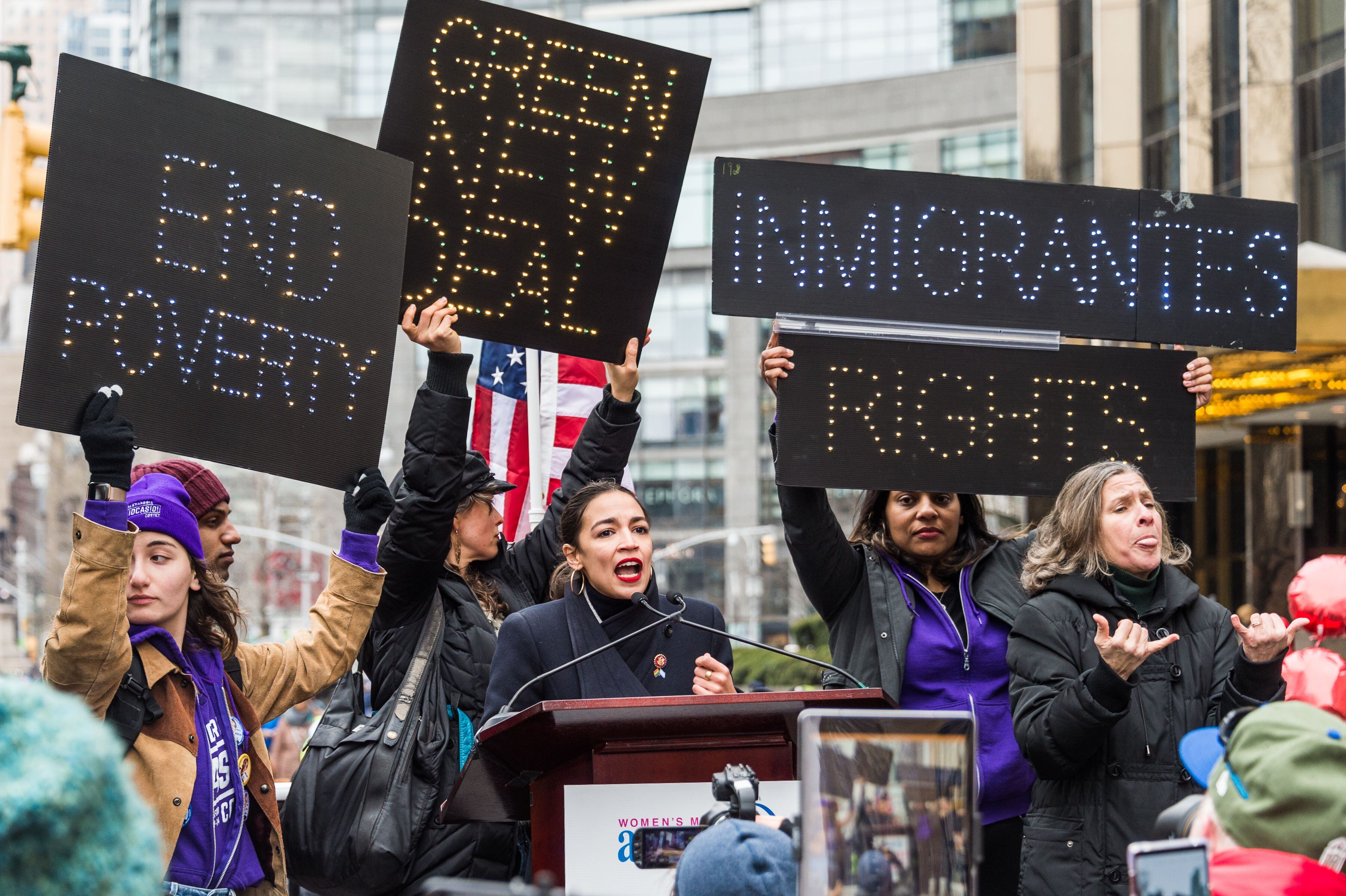
More than a decade after the term was coined by columnist Thomas Friedman in the New York Times, there is a Green New Deal proposal in Congress.
Rep. Alexandria Ocasio-Cortez (D-NY) and Sen. Ed Markey (D-MA) have proposed a formal resolution that would frame climate change, economic sustainability and social justice together under a unifying theme, calling for a Depression-era national mobilization similar to FDR's New Deal, and serving as a litmus test for Democratic presidential candidates going forward.
History of the Green New Deal
A Green New Deal has long been an amorphous idea kicking around progressive circles. President Obama attempted to make it part of his platform in the form of a cap-and-trade bill that died in the Senate early in his presidency. His other climate policies were largely undone by President Trump.
It wasn't under Rep. Ocasio-Cortez made it a tentpole of her insurgent 2018 congressional campaign that it began to coalesce into an actual set of policies and a major piece of the Democratic agenda. AOC's platform called for “transitioning the United States to a carbon-free, 100-percent renewable energy system, and a fully modernized electrical grid by 2035.”
What Does it Do?
The Green New Deal attempts to tie that goal to broader issues of inequality, infrastructure modernization and access to healthcare. The plan calls for a 10-year national mobilization to aggressively curb greenhouse gas emissions, including neutralizing human-caused greenhouse emissions entirely by 2050 and a goal of increasing U.S. renewable energy production to near 100 percent within a decade.
The GND proposal goes on to tie the need for a massive national infrastructure overhaul to climate change and the effects of worsening natural disasters. It also proposes that every existing building in the country be retrofitted to more efficiently use energy and water.
What Comes Next?
As a non-binding resolution, the proposal would not change any laws even if it were to pass. Instead, it's meant as a stake in the ground around which Democrats can rally their base, and as a framework for candidates running for office to endorse. So far, every major Democrat running for president in 2020 has endorsed a Green New Deal in concept. Thursday's resolution would add specific policy goals for candidates to either endorse or refute.
The sweeping resolution goes beyond climate change proposals to include other pieces of a progressive platform, like a call for a federal jobs guarantee, universal basic income and universal healthcare. By framing those items as part and parcel of environmental policy, supporters hope to galvanize voters around a holistic "big idea," the way FDR garnered support for the New Deal during the Depression.
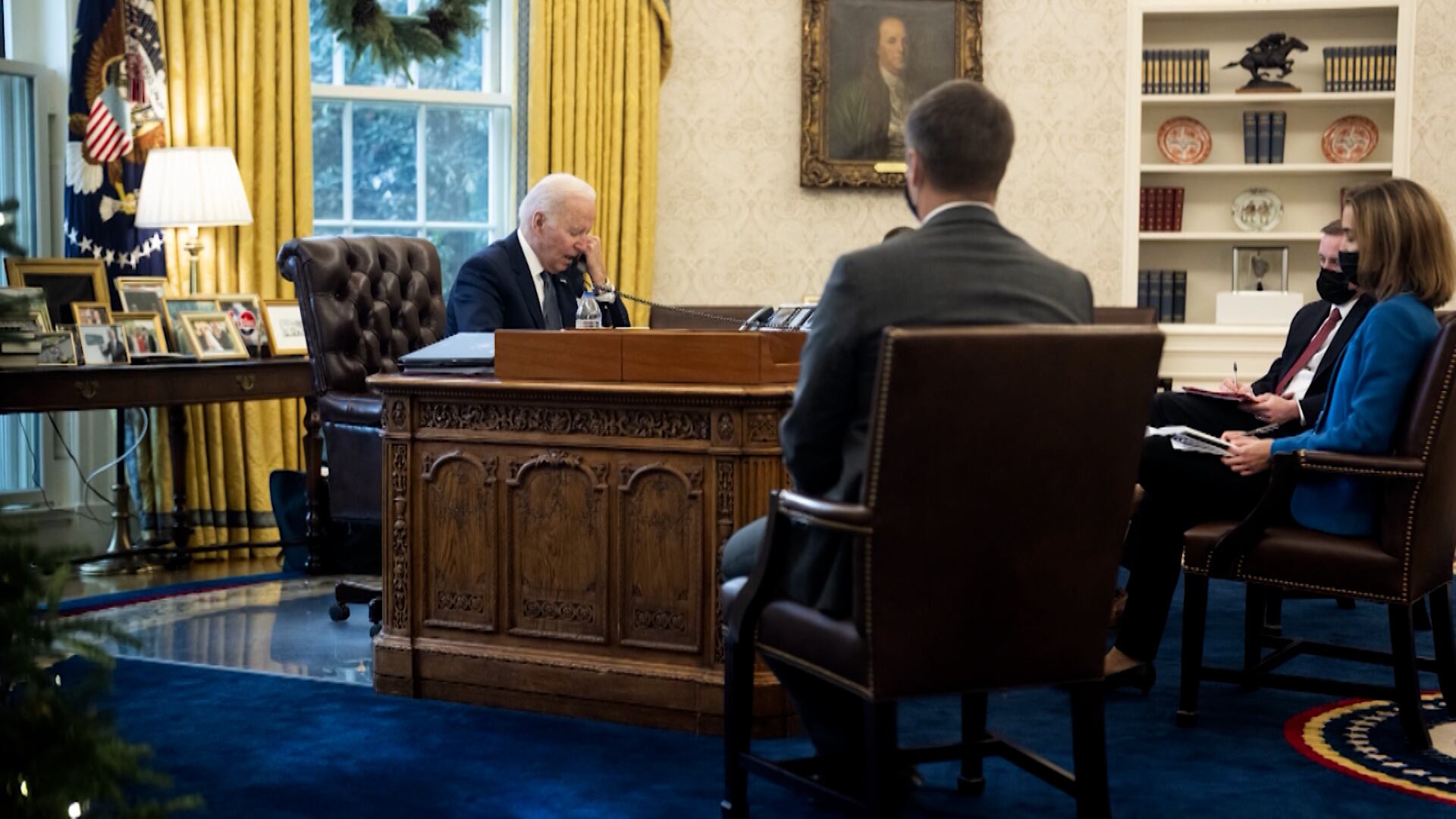
As the standoff between the U.S. and its allies continues with Russia over its possible designs to invade Ukraine, President Biden held a video conference call with European leadership and had 8,500 American troops put on high alert. Jamil Jaffer, a former associate White House counsel for the Bush Administration, joined Cheddar to discuss his views on the escalating crisis in Eastern Europe.
As controversy dogs the run-up to the 2022 Beijing Winter Olympics, China is hiring TikTokers and other social media influencers to promote the nation's history, culture, diplomatic efforts, and current trends.
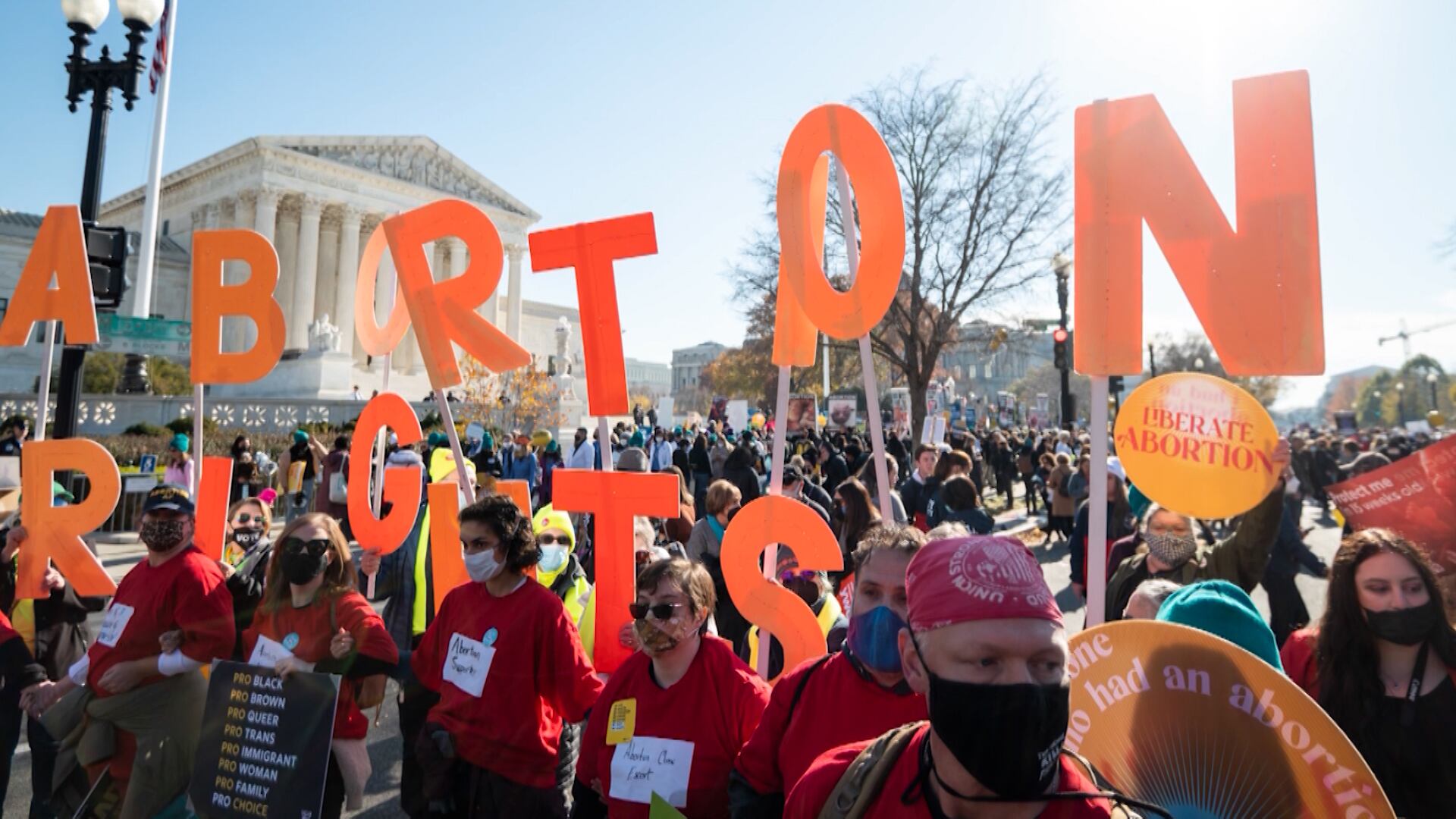
The Supreme Court has rejected another request to block Texas' strict abortion law. This marks the third time the high court has declined to intervene in challenges to the law that bans abortions after six weeks, well before many women even know they're pregnant. Aziza Ahmed, professor of law at the University of California, Irvine, joined Cheddar News to discuss the impact of the law so far on women seeking abortion services in Texas.
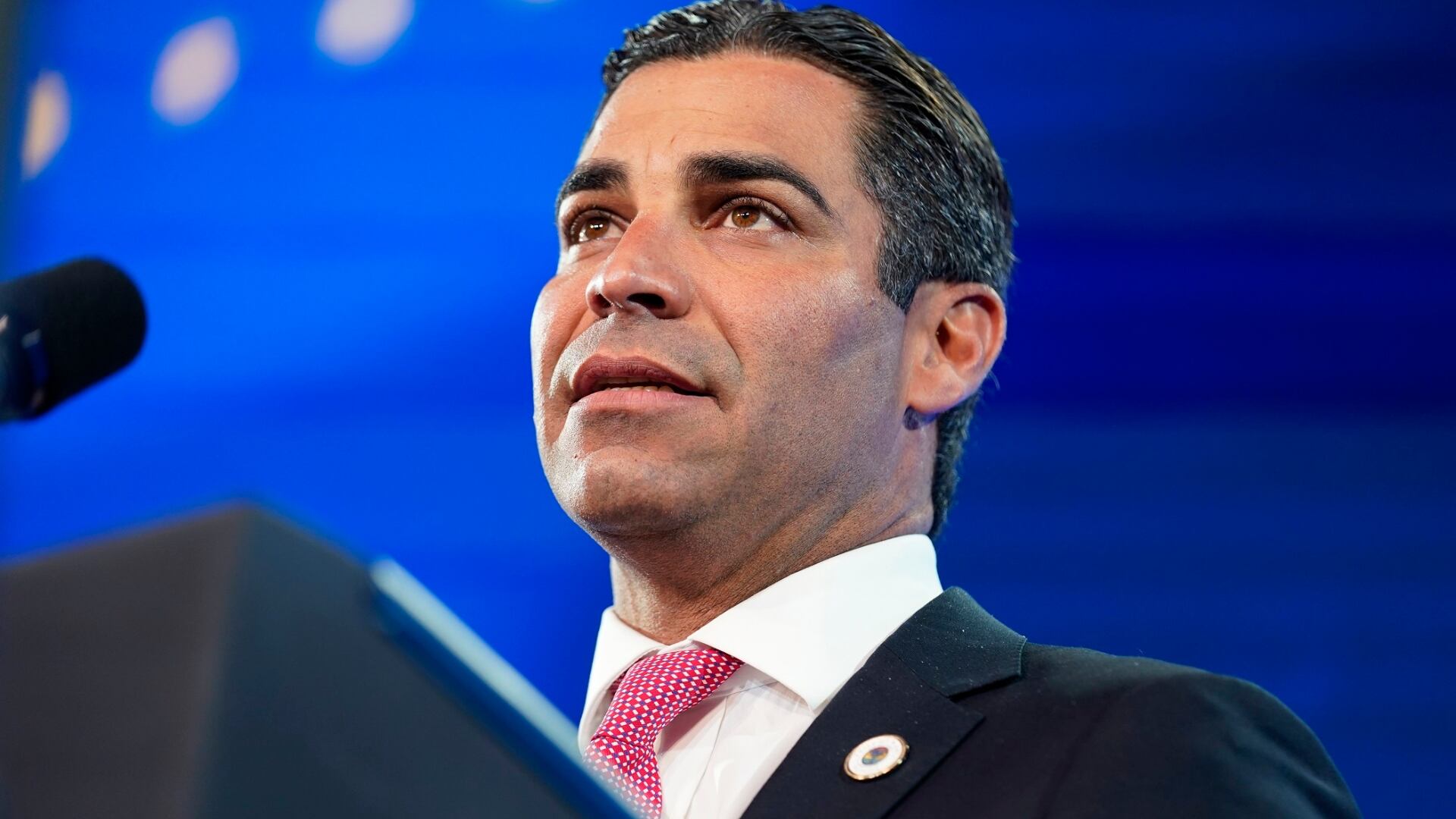
Mayors in cities like Miami and New York City are considering introducing cryptocurrencies as a way to reduce economic inequality. Miami Mayor Francis X. Suarez has even pushed for distributing Bitcoin dividends to the city's inhabitants.
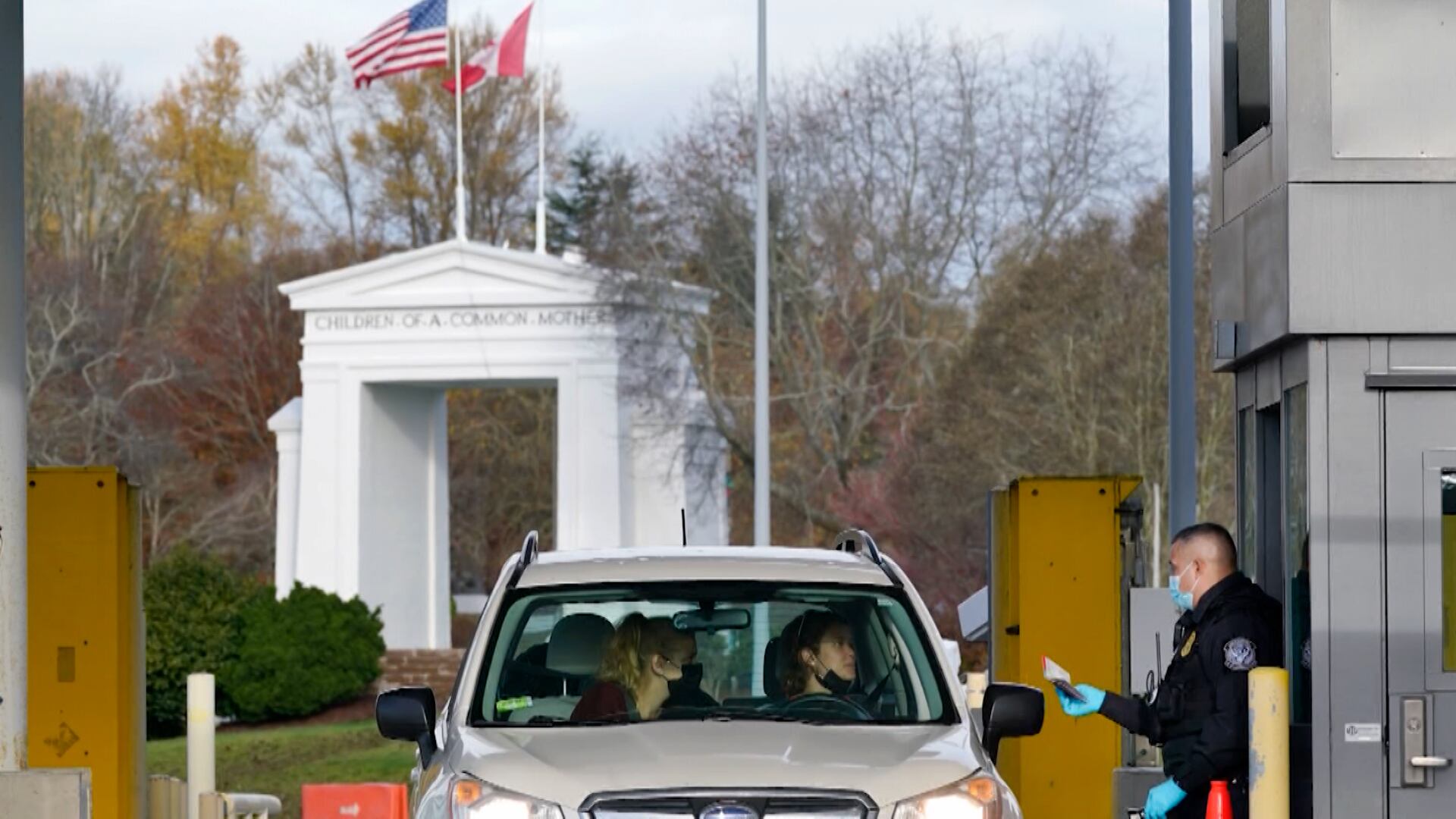
The U.S. will be implementing a vaccine mandate for all people entering through its land borders, removing exemptions for "essential" travelers such as truckers, students, and business people. While the Canadian Trucking Alliance argues that the new, stricter rule might exacerbate ongoing auto supply chain issues, some health experts see the potential for helping curb the ongoing pandemic. Anthony Santella, a professor of health administration at the University of New Haven, joined Cheddar to give his take on the updated border crossing restriction. "We can't just focus on one type of travel. We need to ensure that it's clear and consistent across all types of travel," Santella said.
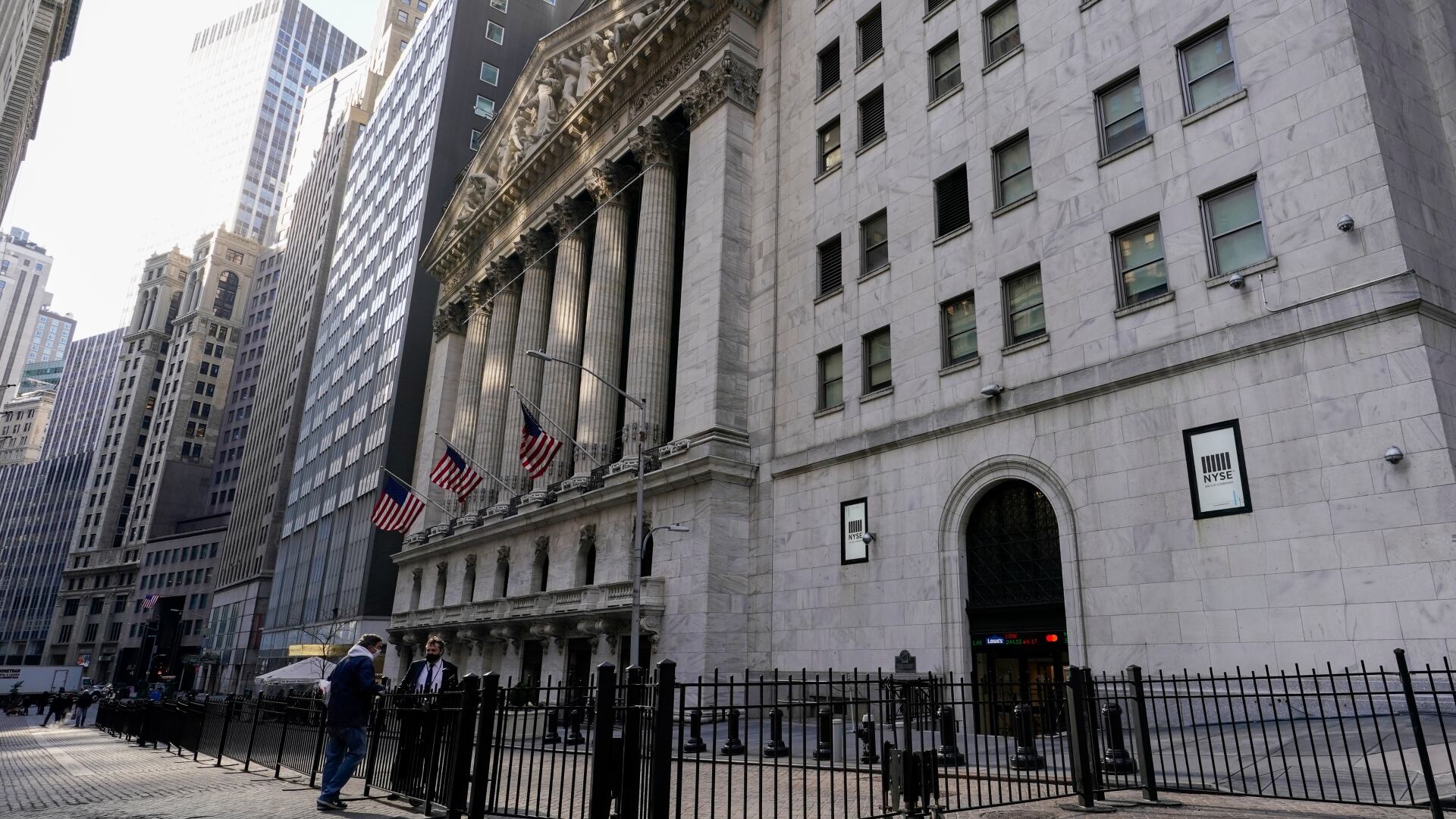
Will Rhind, CEO of GraniteShares, joins Cheddar News' Closing Bell, where he says he believes the Fed's plans of increasing rates is taking its toll on some of the more speculative stocks and the technology market.
Mona Zhang, states cannabis policy reporter at POLITICO Pro joins Cheddar News to discuss major factors that caused Canada's retail marijuana sales to drop last year.
The January 6 committee has asked Ivanka Trump to give voluntary testimony, saying there's evidence she was in "direct contact" with her father on the day of the capitol insurrection. I's unclear whether she will comply with the invitation, but it marks the first time the House committee has sought testimony from a member of the former president's family. Bradley Moss, national security attorney, joined Cheddar News to discuss what the committee hopes to learn from Ivanka and what the Supreme Court's decision on Trump's Jan. 6 materials means for the investigation.