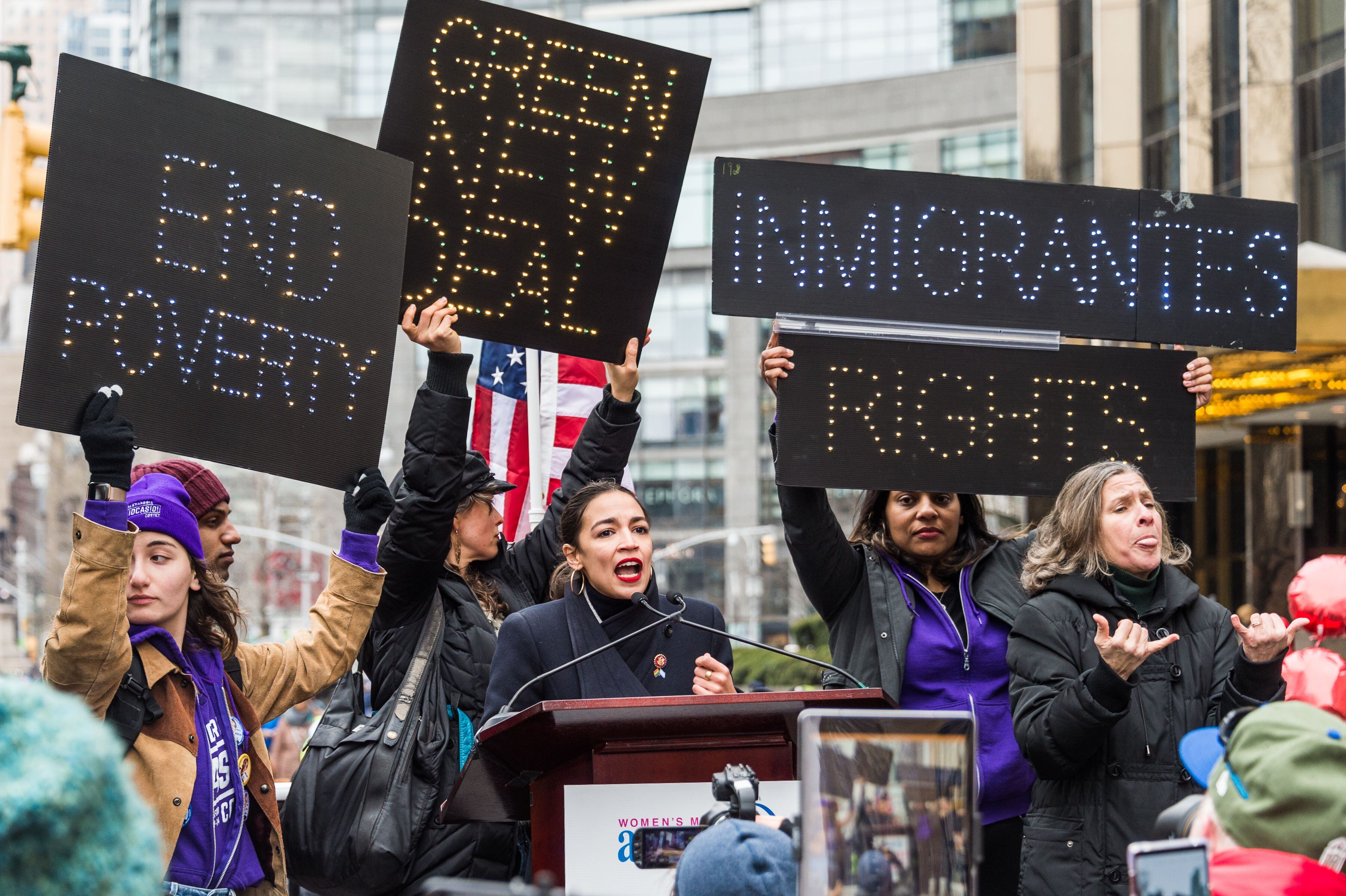
More than a decade after the term was coined by columnist Thomas Friedman in the New York Times, there is a Green New Deal proposal in Congress.
Rep. Alexandria Ocasio-Cortez (D-NY) and Sen. Ed Markey (D-MA) have proposed a formal resolution that would frame climate change, economic sustainability and social justice together under a unifying theme, calling for a Depression-era national mobilization similar to FDR's New Deal, and serving as a litmus test for Democratic presidential candidates going forward.
History of the Green New Deal
A Green New Deal has long been an amorphous idea kicking around progressive circles. President Obama attempted to make it part of his platform in the form of a cap-and-trade bill that died in the Senate early in his presidency. His other climate policies were largely undone by President Trump.
It wasn't under Rep. Ocasio-Cortez made it a tentpole of her insurgent 2018 congressional campaign that it began to coalesce into an actual set of policies and a major piece of the Democratic agenda. AOC's platform called for “transitioning the United States to a carbon-free, 100-percent renewable energy system, and a fully modernized electrical grid by 2035.”
What Does it Do?
The Green New Deal attempts to tie that goal to broader issues of inequality, infrastructure modernization and access to healthcare. The plan calls for a 10-year national mobilization to aggressively curb greenhouse gas emissions, including neutralizing human-caused greenhouse emissions entirely by 2050 and a goal of increasing U.S. renewable energy production to near 100 percent within a decade.
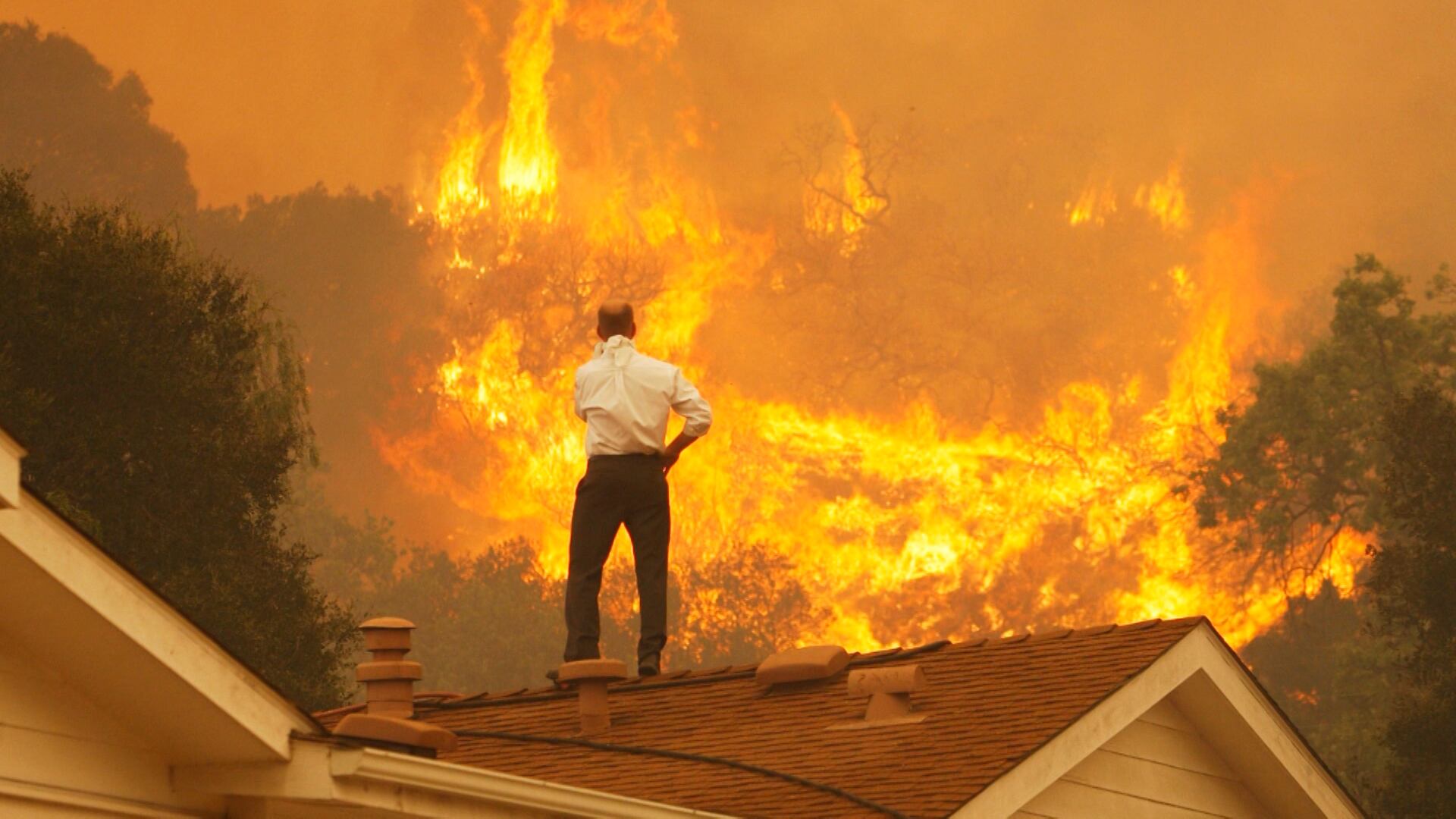
The GND proposal goes on to tie the need for a massive national infrastructure overhaul to climate change and the effects of worsening natural disasters. It also proposes that every existing building in the country be retrofitted to more efficiently use energy and water.
What Comes Next?
As a non-binding resolution, the proposal would not change any laws even if it were to pass. Instead, it's meant as a stake in the ground around which Democrats can rally their base, and as a framework for candidates running for office to endorse. So far, every major Democrat running for president in 2020 has endorsed a Green New Deal in concept. Thursday's resolution would add specific policy goals for candidates to either endorse or refute.
The sweeping resolution goes beyond climate change proposals to include other pieces of a progressive platform, like a call for a federal jobs guarantee, universal basic income and universal healthcare. By framing those items as part and parcel of environmental policy, supporters hope to galvanize voters around a holistic "big idea," the way FDR garnered support for the New Deal during the Depression.
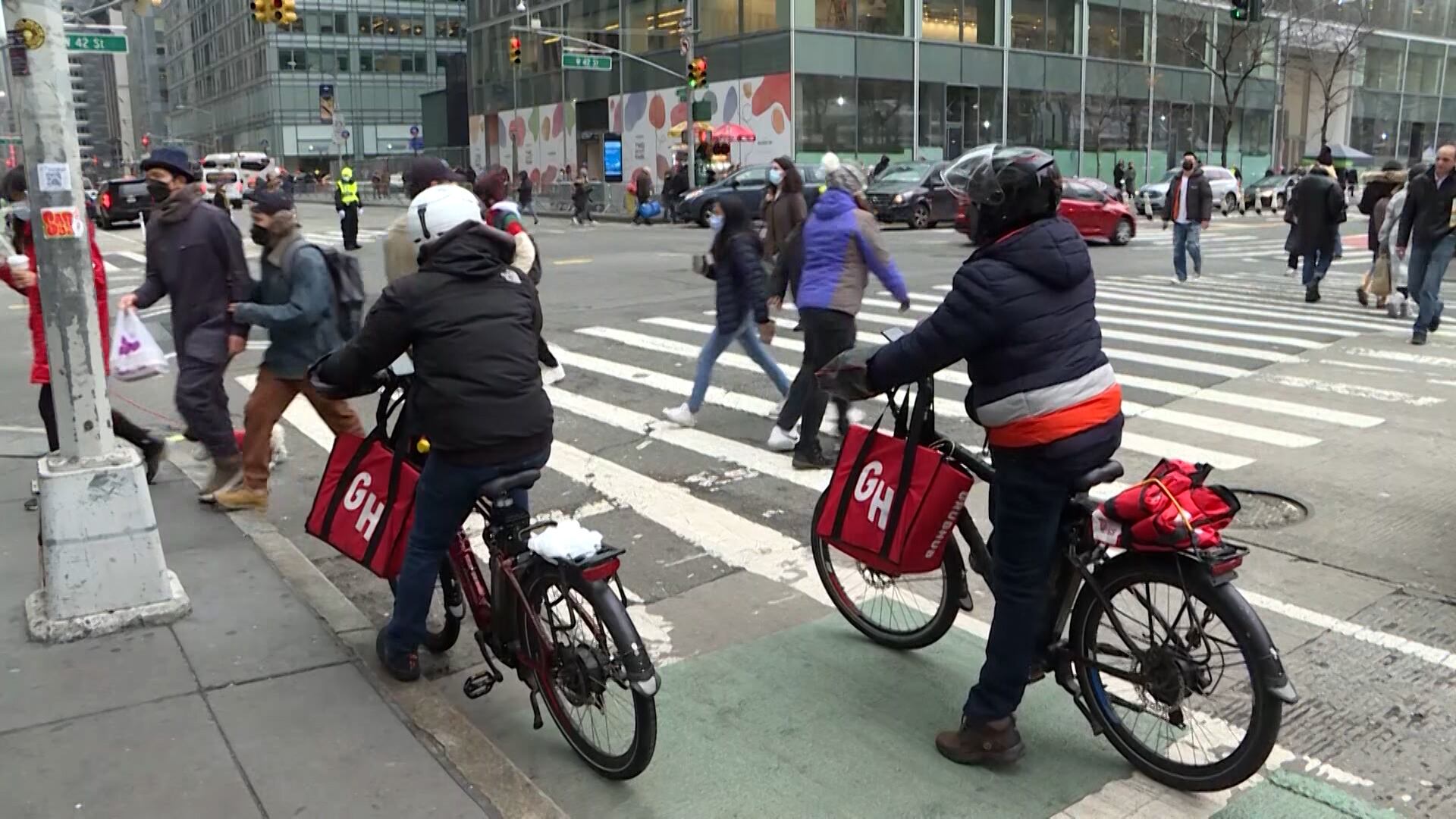
Big Apple workers who deliver for food apps like Doordash and Grubhub will now receive a number of legal protections provided through a package of new regulations that have started going into effect. These updated rules include more control over their deliveries, pay and tip transparency, a higher minimum pay rate, and access to restaurant bathrooms during the workday. New York City Comptroller Brad Lander joined Cheddar to elaborate on the regulations and how the platform holders reacted. "I have to say it's a mixed bag," he said. "Grubhub actually welcomed the legislation and said they recognize they need to do better by their deliveristas, but DoorDash, unfortunately, has actually been pushing back against the legislation."
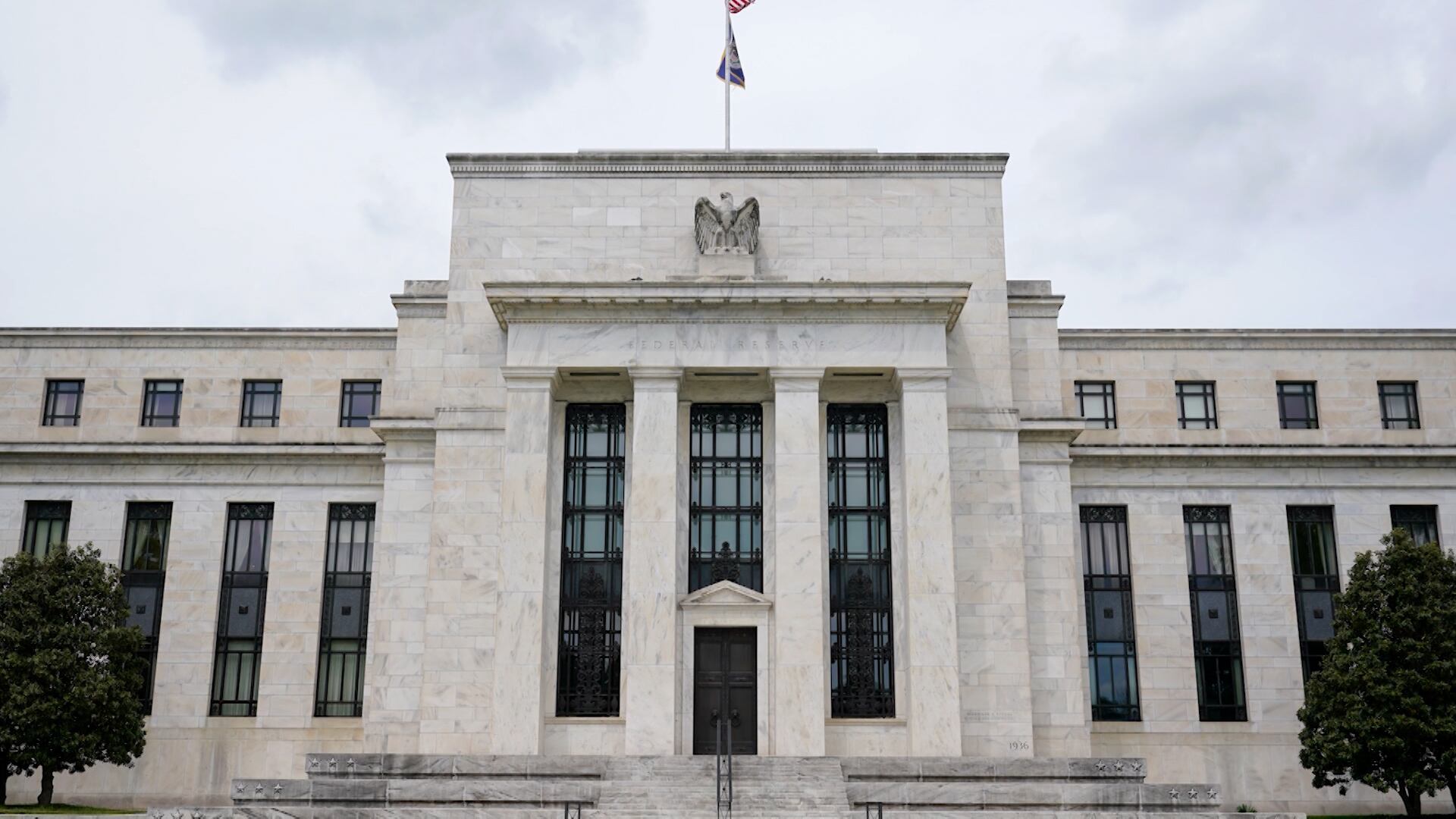
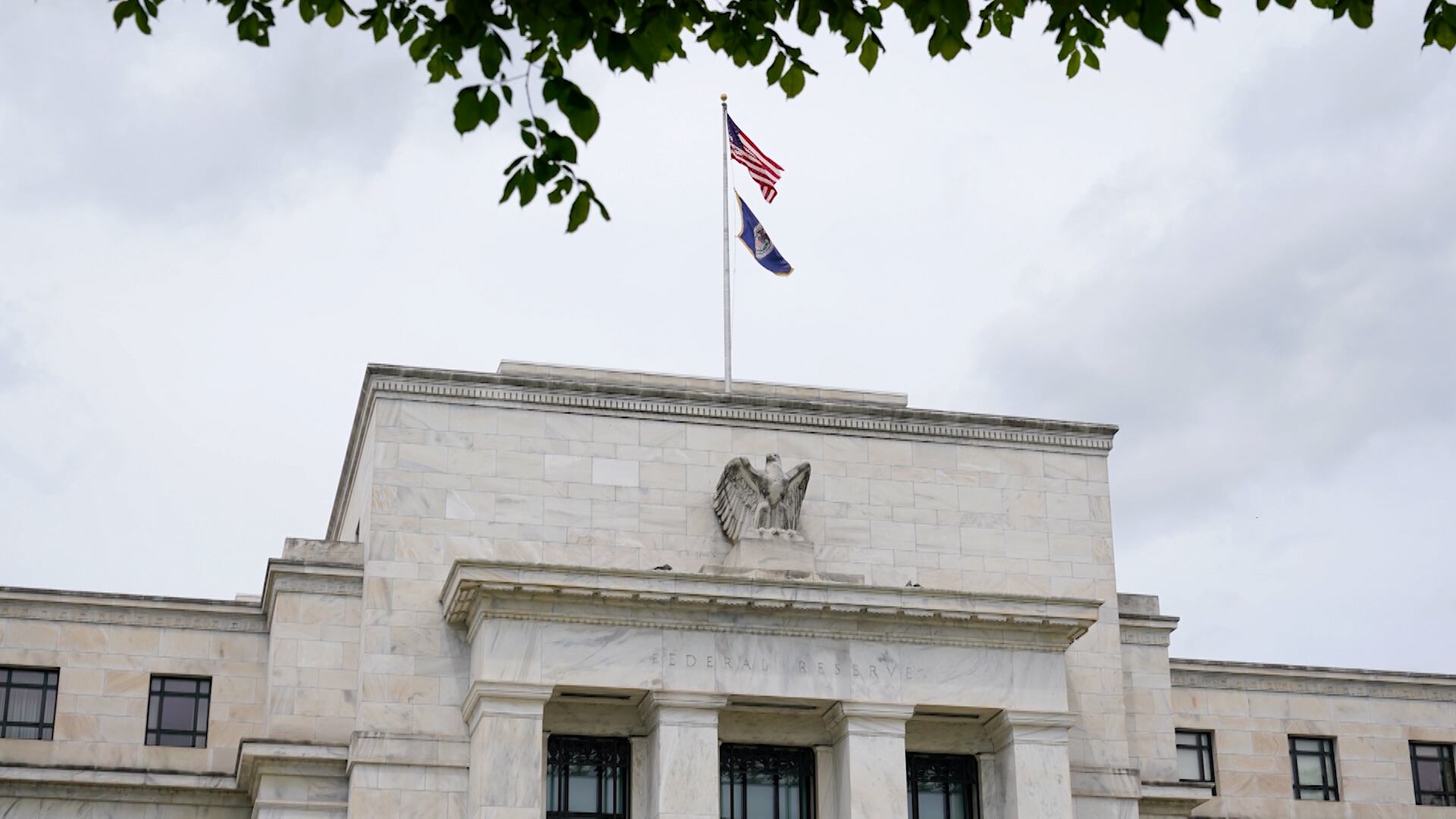
Thomas Hoenig, Former CEO of Federal Reserve Bank of Kansas City and currently Distinguished Senior Fellow with the Mercatus Center, joined Cheddar News' Closing Bell, where he says the Fed's decision was no surprise, but believes the Fed is behind the curve on raising rates.
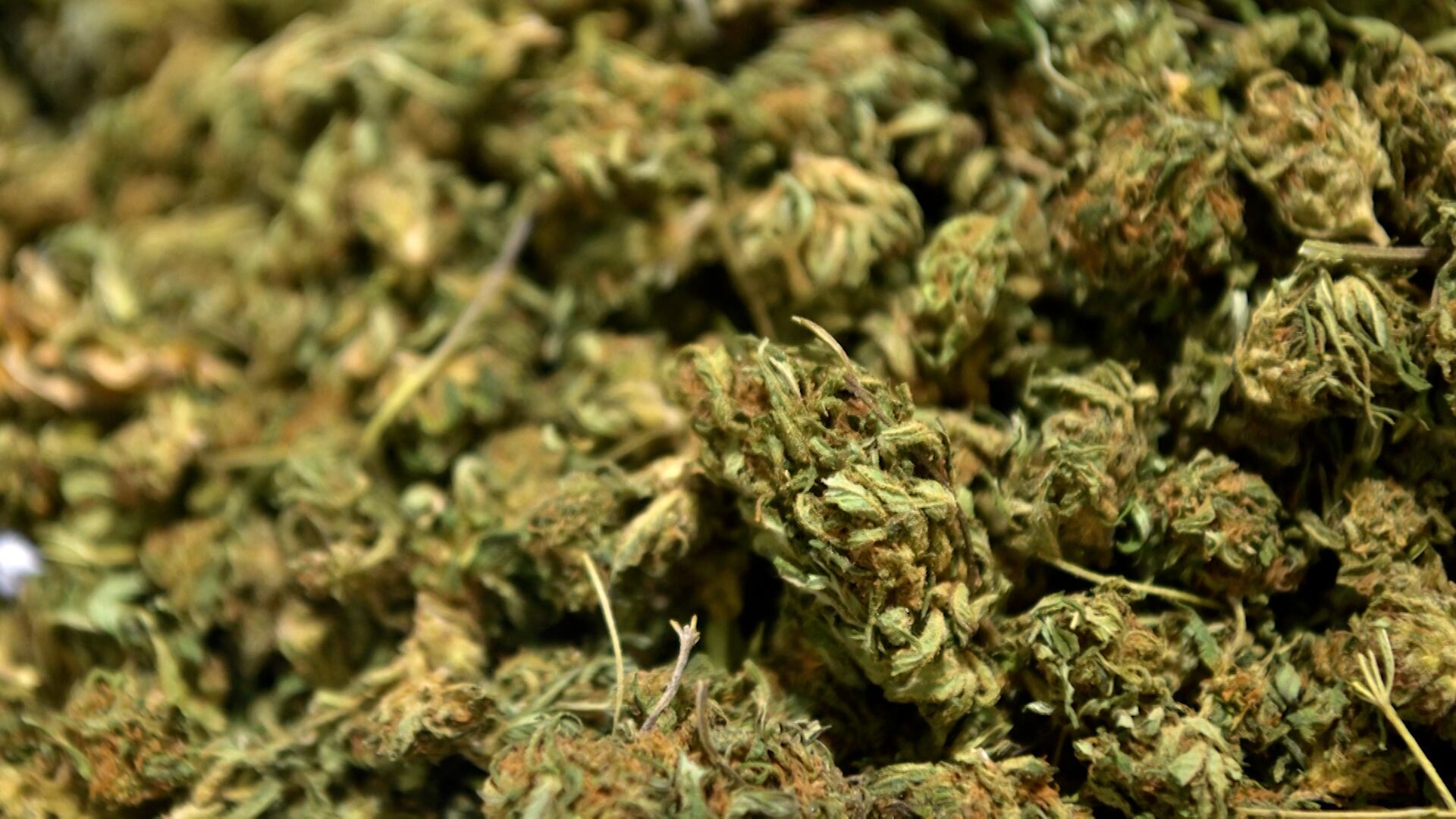
Legal cannabis businesses are having a hard time surviving in California with the high cost of doing business and a still-thriving illicit market. In response, nonprofit Supernova Women, founded by women of color, is advocating on behalf of Black and brown shareholders in the cannabis industry. Amber Senter, co-founder, executive director, and chairman of the organization, spoke with Cheddar News about calling for changes in the Golden State's taxation system for legal marijuana. "We're really leaning on the legislators now to support the industry and make sure that this industry, in particular craft cannabis, can survive," said Senter.
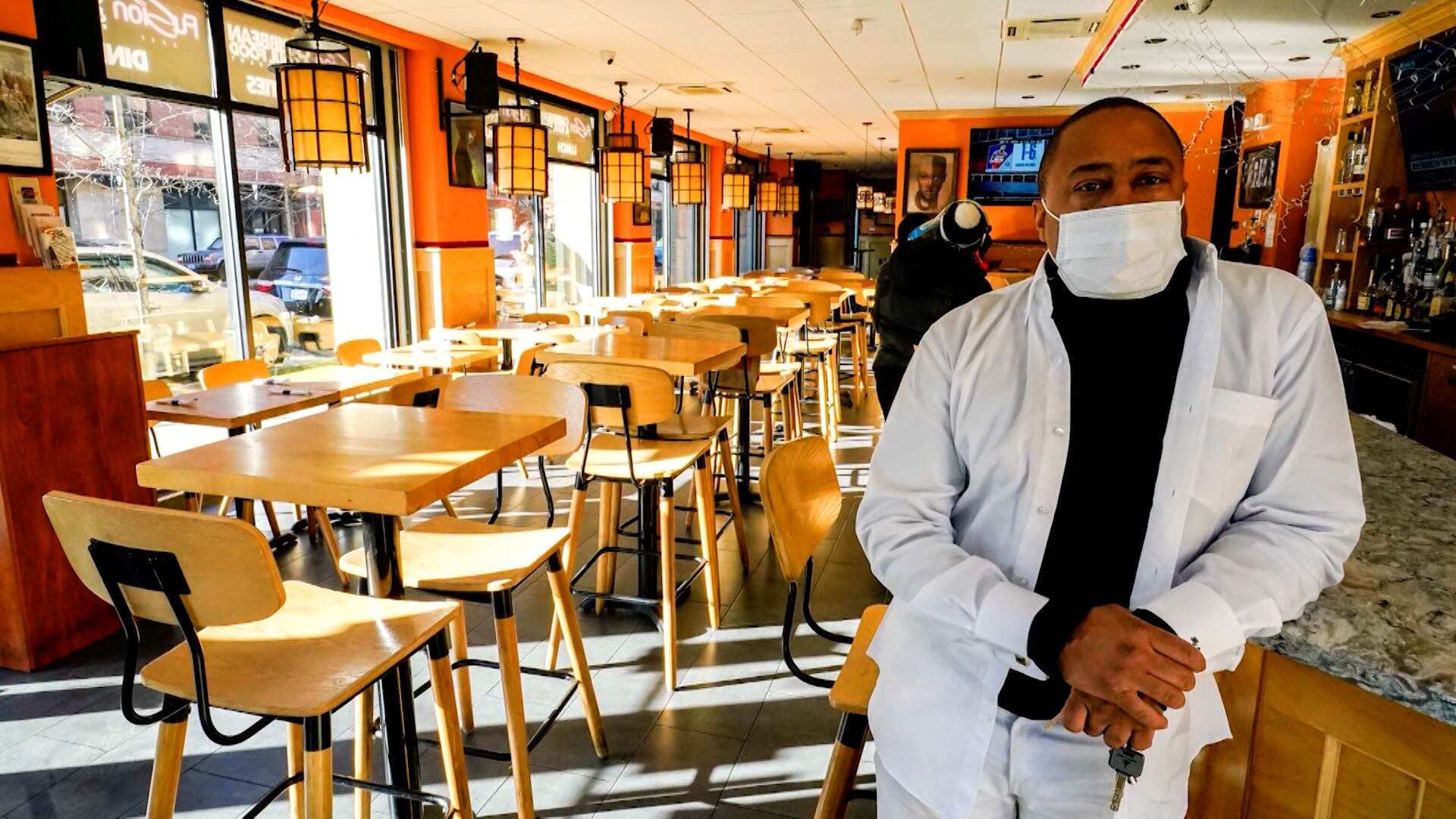
After being among the hardest-hit industries by the pandemic, restaurants are still having a hard time staying afloat, with owners claiming that business is worse now due to closures from staff shortages and customer decline than it was three months ago. Mike Whatley, vice president of state affairs and grassroots advocacy for the National Restaurant Association, spoke to Cheddar News about how the sector is reaching out to lawmakers for help. "Working with Senators Wicker, Sinema, and a whole host of bipartisan leaders, we're trying to get the Restaurant Revitalization Fund replenished," Whatley said.
Communities of color are disproportionately affected by climate change and continuously feel the impacts. Mark Magaña, founding president and CEO of Green Latinos joined All Hands to discuss.
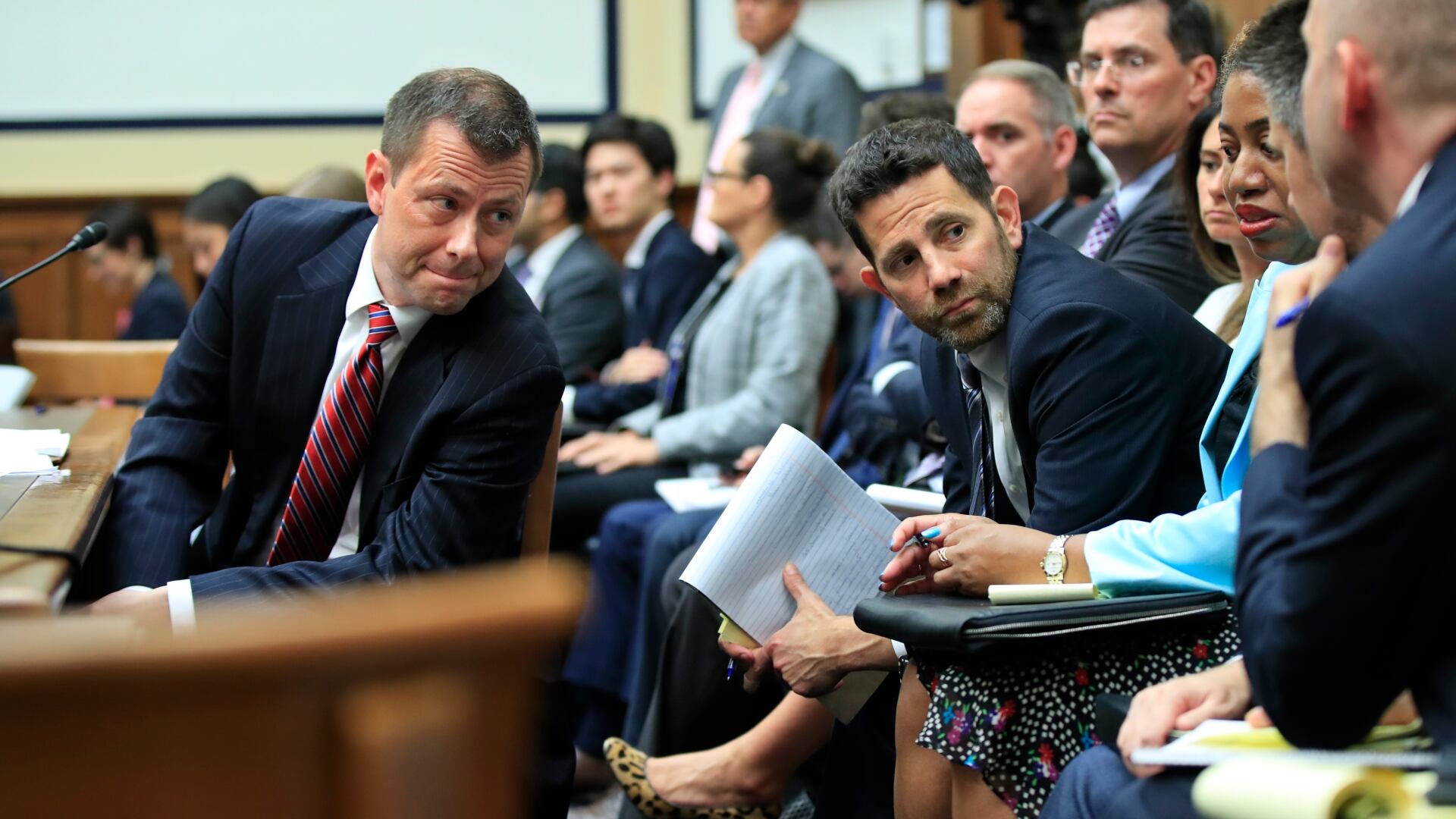
The memoir, "COMPROMISED: Counterintelligence and the Threat of Donald J. Trump", tells a familiar story from a bit of a different source: Peter Strzok himself, former FBI Counterintelligence Agents and Agency Veteran who spent most of his very long career investigating some of the most controversial inquiries, most notably in recent American history. Those inquiries were Hillary Clinton's email to even Trump Russia investigations. Former FBI Agent and Author of "Compromised" Peter Strzok, joined Cheddar to discuss more.
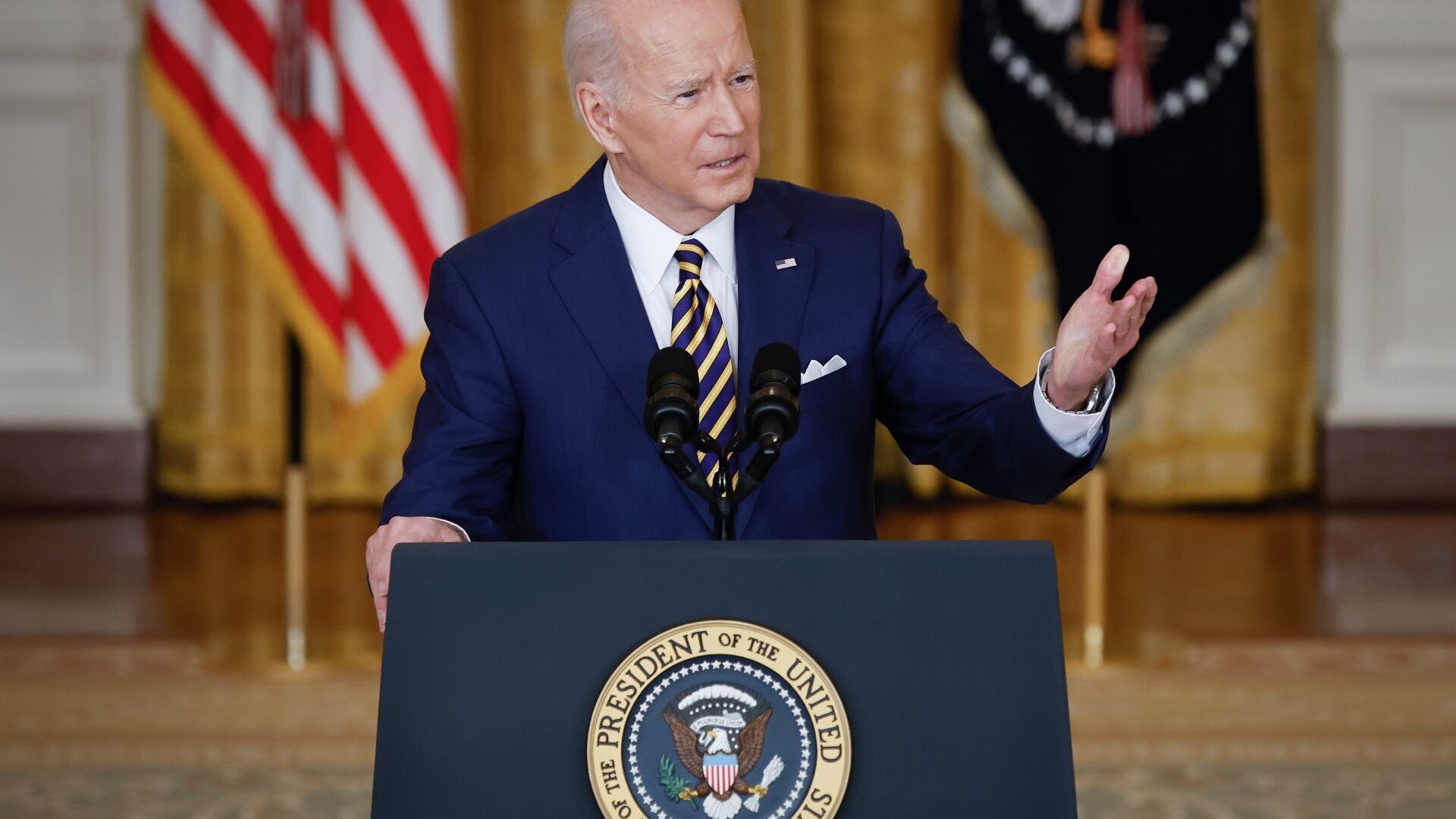
President Biden's first year did not come to the close that he had hoped after last night's Senate vote blocked the voting rights bill, a priority that Biden has promoted since his inauguration. Joining us to discuss the voting rights bill, and many others passing through congress is congresswoman Lori Trahan, representing Massachusett's 3rd district.