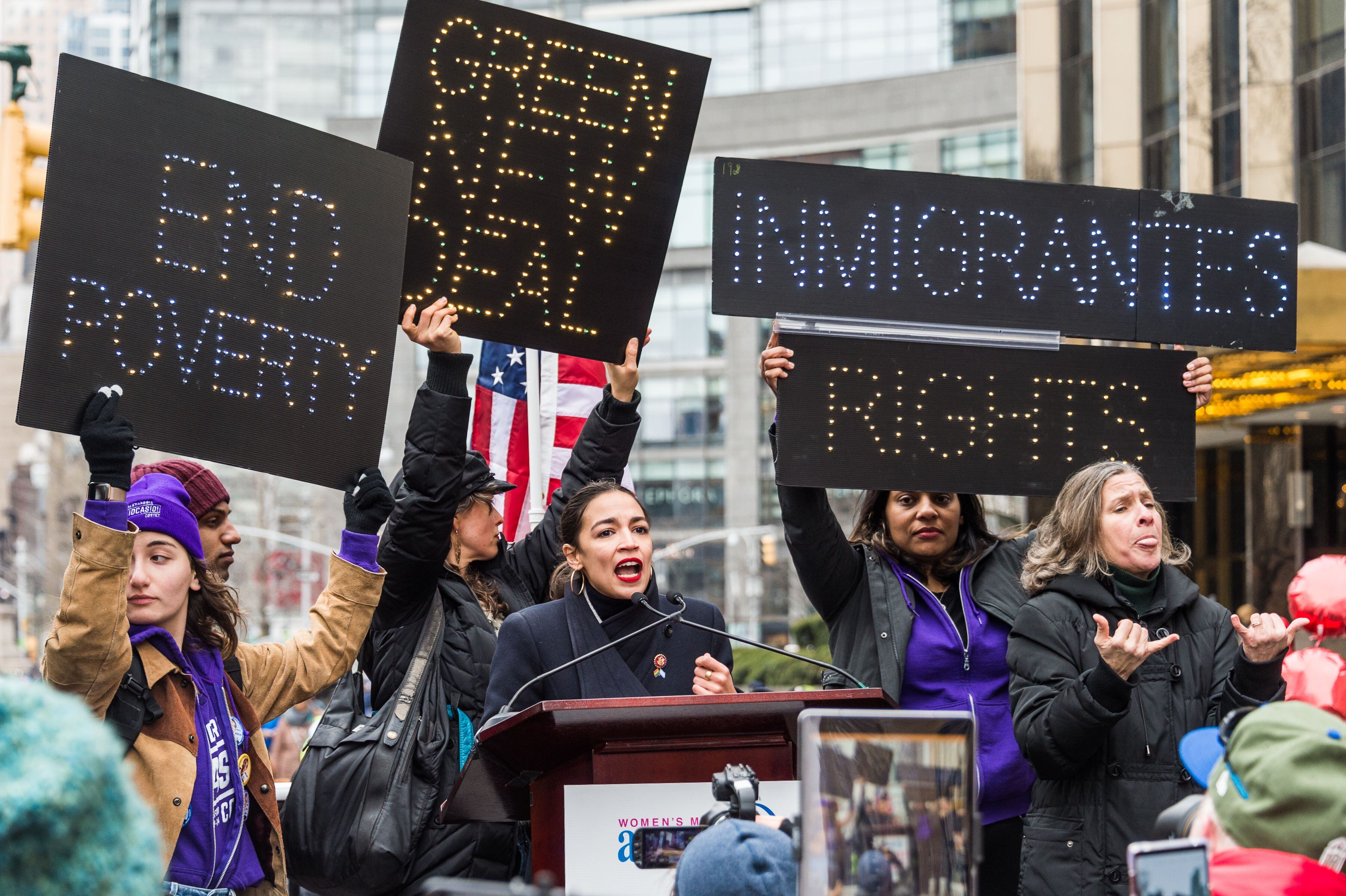
More than a decade after the term was coined by columnist Thomas Friedman in the New York Times, there is a Green New Deal proposal in Congress.
Rep. Alexandria Ocasio-Cortez (D-NY) and Sen. Ed Markey (D-MA) have proposed a formal resolution that would frame climate change, economic sustainability and social justice together under a unifying theme, calling for a Depression-era national mobilization similar to FDR's New Deal, and serving as a litmus test for Democratic presidential candidates going forward.
History of the Green New Deal
A Green New Deal has long been an amorphous idea kicking around progressive circles. President Obama attempted to make it part of his platform in the form of a cap-and-trade bill that died in the Senate early in his presidency. His other climate policies were largely undone by President Trump.
It wasn't under Rep. Ocasio-Cortez made it a tentpole of her insurgent 2018 congressional campaign that it began to coalesce into an actual set of policies and a major piece of the Democratic agenda. AOC's platform called for “transitioning the United States to a carbon-free, 100-percent renewable energy system, and a fully modernized electrical grid by 2035.”
What Does it Do?
The Green New Deal attempts to tie that goal to broader issues of inequality, infrastructure modernization and access to healthcare. The plan calls for a 10-year national mobilization to aggressively curb greenhouse gas emissions, including neutralizing human-caused greenhouse emissions entirely by 2050 and a goal of increasing U.S. renewable energy production to near 100 percent within a decade.
The GND proposal goes on to tie the need for a massive national infrastructure overhaul to climate change and the effects of worsening natural disasters. It also proposes that every existing building in the country be retrofitted to more efficiently use energy and water.
What Comes Next?
As a non-binding resolution, the proposal would not change any laws even if it were to pass. Instead, it's meant as a stake in the ground around which Democrats can rally their base, and as a framework for candidates running for office to endorse. So far, every major Democrat running for president in 2020 has endorsed a Green New Deal in concept. Thursday's resolution would add specific policy goals for candidates to either endorse or refute.
The sweeping resolution goes beyond climate change proposals to include other pieces of a progressive platform, like a call for a federal jobs guarantee, universal basic income and universal healthcare. By framing those items as part and parcel of environmental policy, supporters hope to galvanize voters around a holistic "big idea," the way FDR garnered support for the New Deal during the Depression.
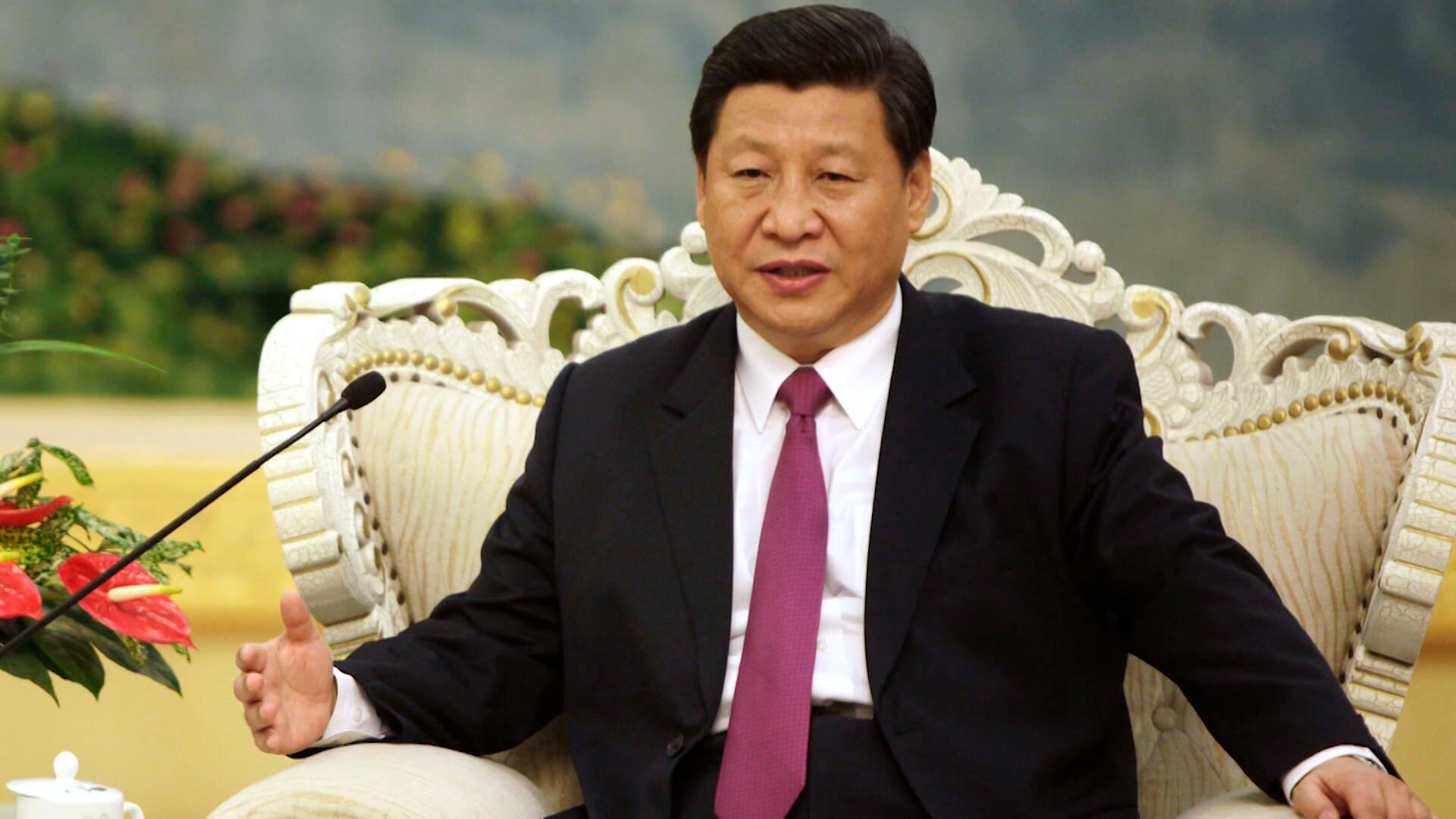
A new report by the Foreign Correspondents Club of China warns that press freedom in the most populous country in the world is declining at an alarming speed. Cheddar News speaks with Steven Butler, Asia Program Coordinator at the Committee to Protect Journalists, about the hardships journalists face in China.
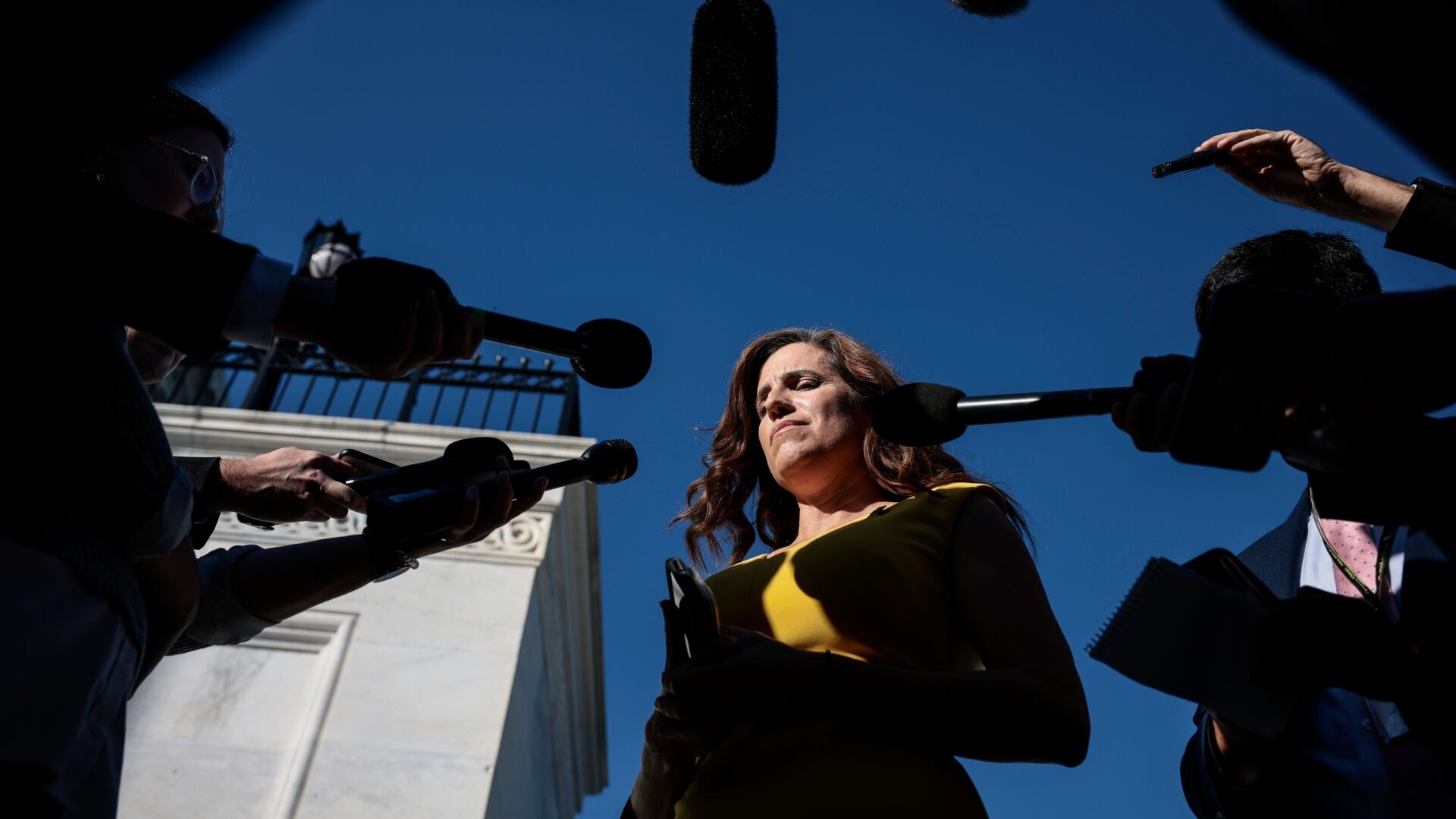
Rep. Nancy Mace (R-S.C. 1st District) joined Cheddar to discuss her cannabis legalization bill, the States Reform Act, and the prospects for gaining bipartisan support for a bill that has garnered the endorsement of e-commerce giant Amazon. This legislation is supported by businesses large and small, Amazon obviously being the most recent and largest business to support it," Mace said. "They don't want to sell pot. But what it does do is it affects their working employment pool." She stated that 10 percent of eligible new hires for Amazon are affected by restrictive marijuana laws. The representative also explained that the bill leaves equity provisions up to the states rather than mandating them on a federal level.
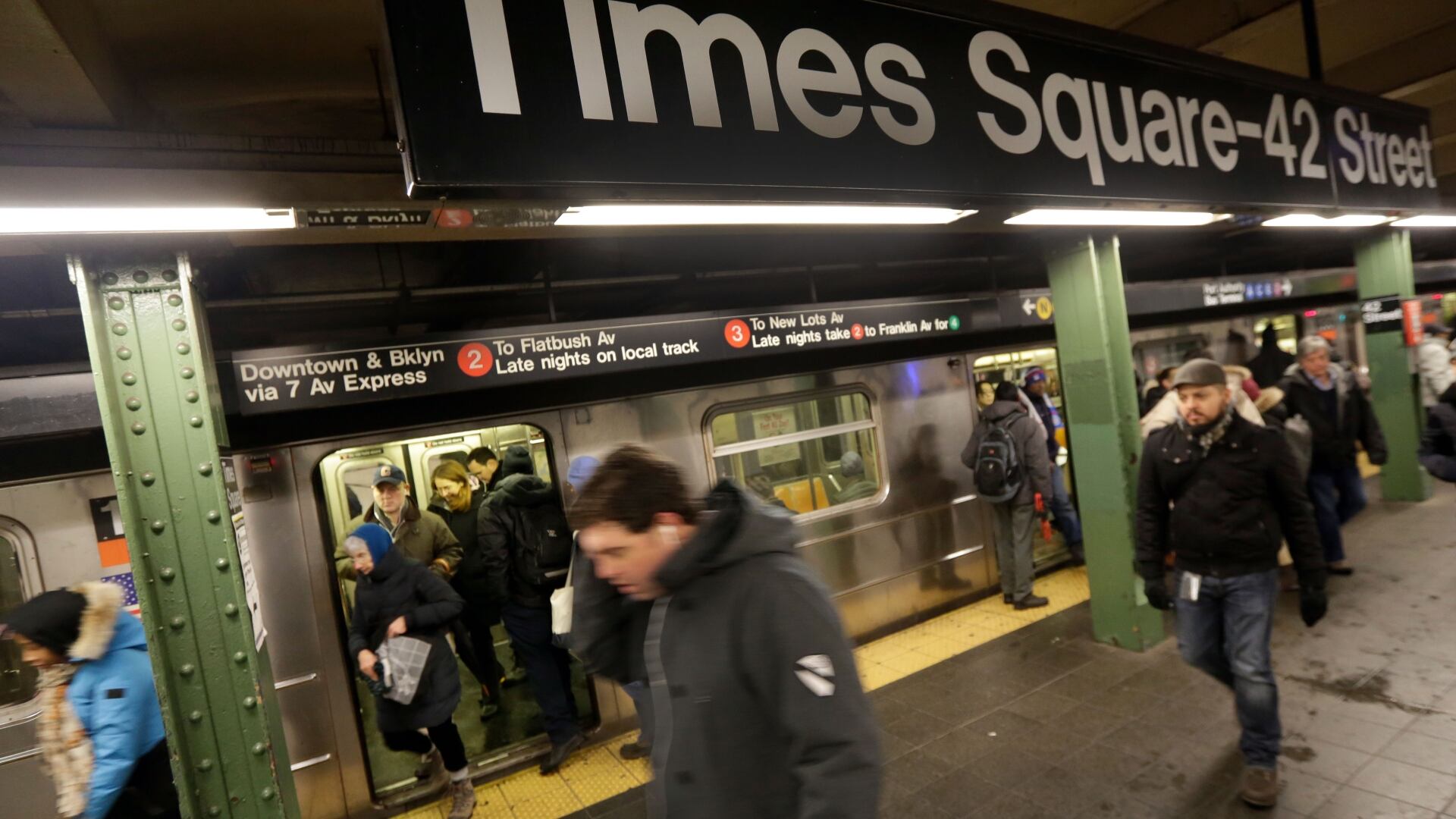
After a number of tragic subway incidents, the MTA is facing increased pressure to install subway platform screens to help prevent injury or death. However, according to an earlier report from the MTA, installing these prevented measures isn't feasible. New York City Council Member Keith Powers, joined Cheddar to discuss more.
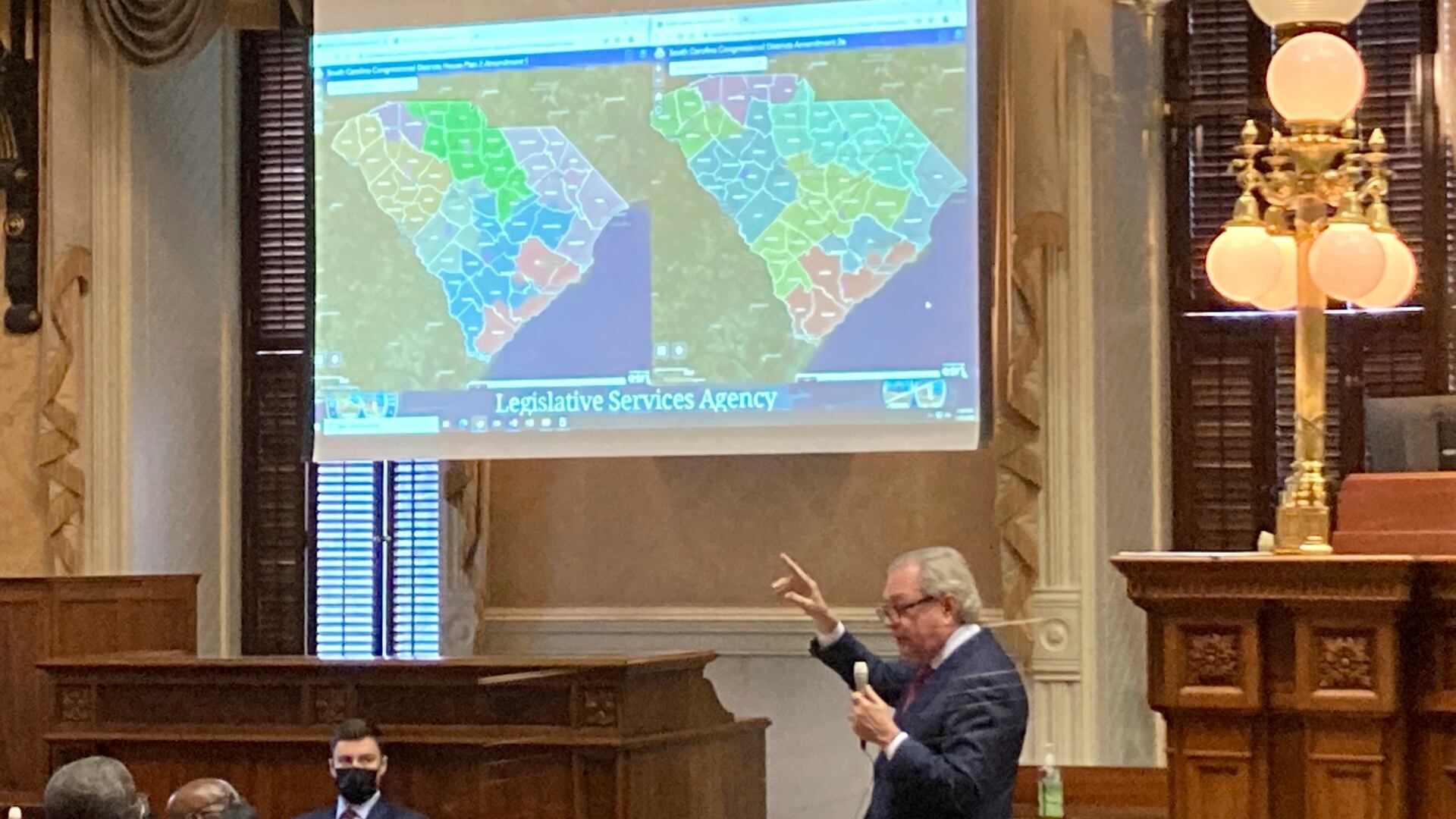
Across the country, states are working to redraw their congressional lines in what is often known as gerrymandering. These news lines are expected to determine the balance of power between Democrats and Republicans within the next decade. Senior Counsel for the Brennan Center's Democracy Program, Michael Li, joined Cheddar to discuss more.
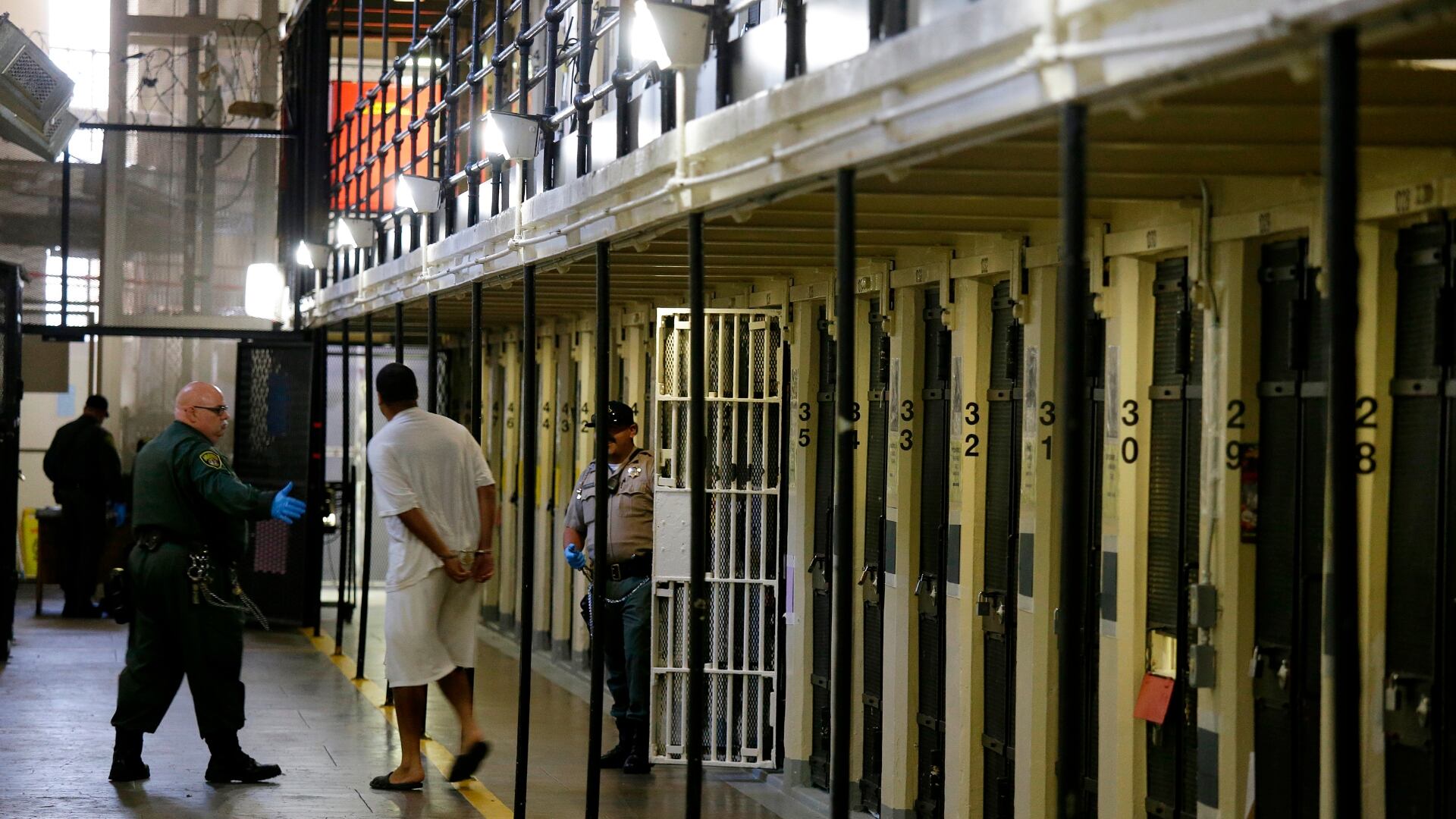
The state of California is officially planning to close its death row in the next two years. That state's governor Democrat Gavin Newsom says the plan is now to move all condemned inmates to other prisons and turn it into, as he calls it, a positive healing environment. Former U. S. Assistant Attorney and Legal Analyst, David Katz, joined Cheddar to discuss more.
Anthony Saccaro, Founder and President of Providence Financial, joins Cheddar News' Closing Bell, where he elaborates on why he is excited that the market is beginning to rebound and believes February has the potential to be a good month after a turbulent January.
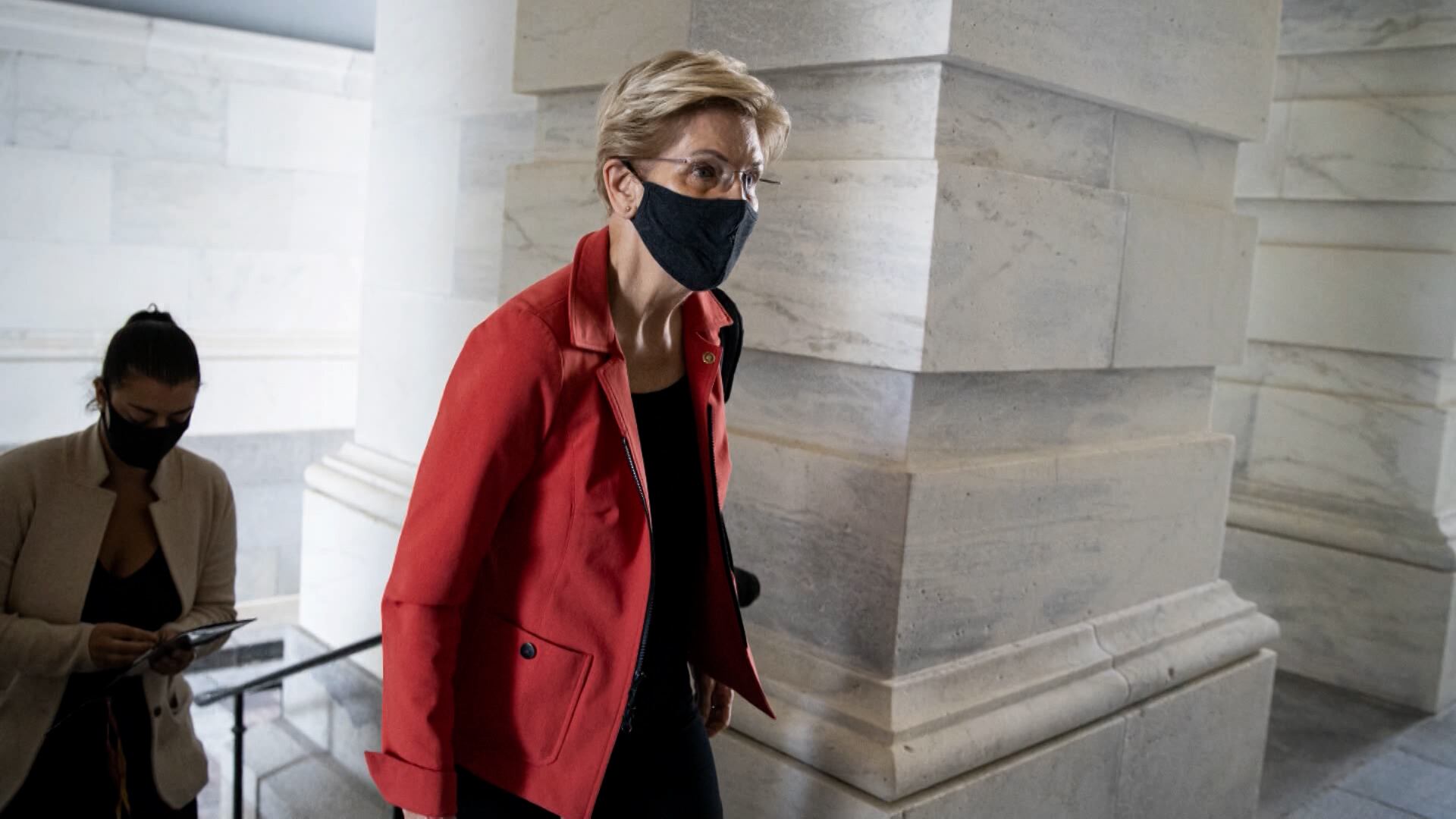
Cryptocurrency is expected to become a part of our daily lives — but what sort of environmental impact does it have? As the U.S. becomes the crypto mining capital of the world, climate advocates are worried about mining companies reopening old coal plants, using massive amounts of energy, wasteful hardware, and more. Congressional Democrats led by Senator Elizabeth Warren are demanding answers from mining firms about their electricity use and waste levels. John Belizaire, CEO of Soluna Computing, joins Cheddar Climate to discuss the congressional letters, how crypto mining can become a green industry, and more.
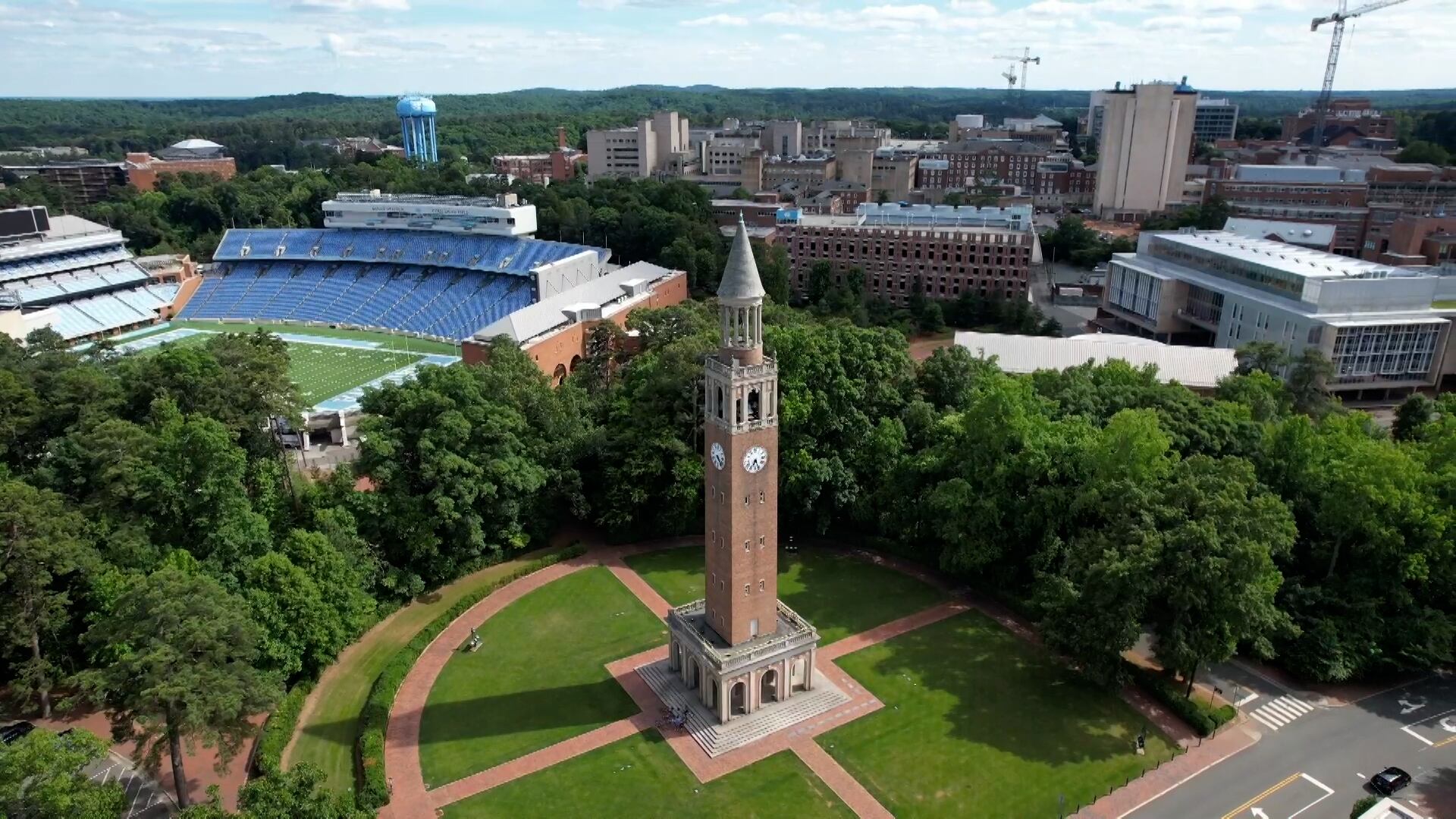
The Supreme Court will reconsider race-based affirmative action in college admissions. The court will examine admissions policies at Harvard University and The University of North Carolina Chapel Hill, which count the race of applicants as a factor in admissions. The court has upheld affirmative action policies in the past, saying it helps to create more diverse student bodies. However, the conservative Supreme Court could be skeptical and even possibly hostile to such policies. Nick Anderson, Higher Education Writer, Washington Post joined Cheddar's Opening Bell to discuss.