What Happens to Sears Pensioners After Bankruptcy?
*By Carlo Versano*
The 90,000 or so retirees holding pensions with Sears are expected to have their benefits honored by the government-backed Pension Benefit Guaranty Corp., or PBGC. But it will place an "enormous strain" on the guarantor that was designed be the main lifeboat for American pensioners, according to Eddie Stone, counsel to ProtectSeniors.org, which represents millions of retirees.
Sears ($SHLD) is "on the hook" for its pension funds, which are underfunded by about $1.5 billion, as long as it stays in Chapter 11 bankruptcy, Stone said. But if it moves to the more extreme Chapter 7 ー in which it would sell off assets to repay debt rather than renegotiate the terms of its loans ー the benefits would be taken over by the PBGC.
But the agency has limited resources, mainly due to the relatively flat returns from fixed-income investments due to what had been historically low interest rates. And without Sears paying its premiums, the guarantor is now worse off than it was just the day before Sears filed.
Having to pay out Sears's long-term obligations will add to the PBGC's worries, Stone said. "This is going to tax the PBGC's ability to take on more defaulted pension plans."
The issue is not new, and it highlights what Stone called a "systemic" global pension crisis. Sears was among the dwindling number of American businesses that still offered pension plans. Former CEO Eddie Lampert, the hedge fund executive who ran the company through its decline, put some of the blame from the company's bankruptcy on its pension obligations, of which it paid out $2 billion in the last five years.
That's "missing the boat altogether," said Stone. He pointed out employees took lower paychecks in return for contributions to their pensions.
"The retirees are entitled to their earned benefits," he said. "They aren't handouts."
For full interview [click here](https://cheddar.com/videos/bankruptcy-filing-shifts-spotlight-to-sears-pension-plans).
As commercial options tighten, more travelers are turning to private aviation. Wheels Up CEO George Mattson breaks down capacity and demand challenges.
Layoffs, hiring slowdowns, and shifting skill demands dominate this year’s job talk. LinkedIn’s Kory Kantenga explains what workers should watch for next.
Retailers face tariffs and cost challenges this holiday season. Wells Fargo's Lauren Murphy shares insights on pricing, promotions, and shopping trends.
Dateability, founded by sisters Jacqueline and Alexa Child, is the only dating app for disabled and chronically ill communities, fostering love without limits.
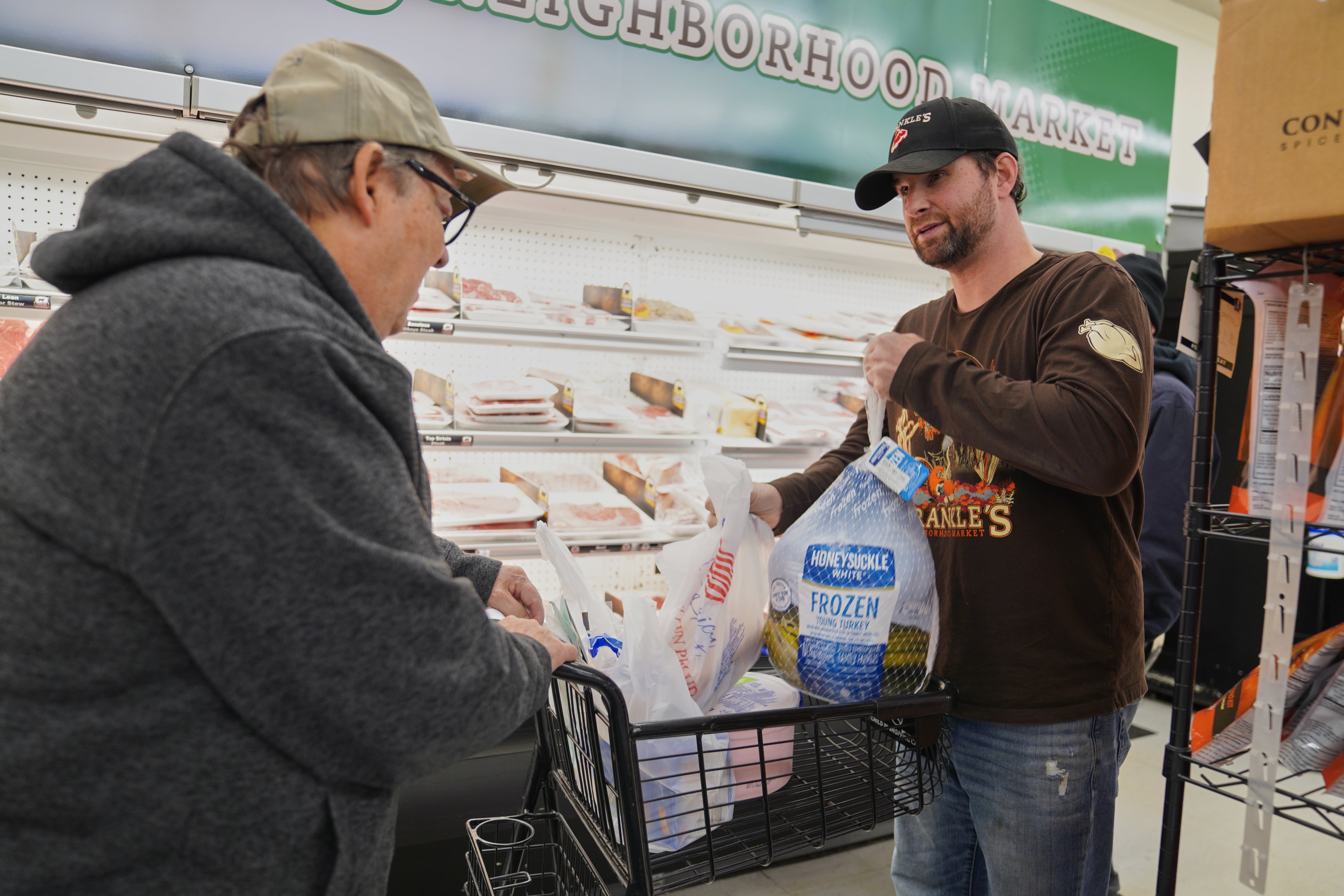
Some small grocery stores and neighborhood convenience stores are eager for the U.S. government shutdown to end and for their customers to start receiving federal food aid again. Late last month, the Trump administration froze funding for the SNAP benefits that about 42 million Americans use to buy groceries. The U.S. Department of Agriculture says about 74% of the assistance was spent last year at superstores like Walmart and supermarkets like Kroger. Around 14% went to smaller stores that are more accessible to SNAP beneficiaries. A former director of the United Nations World Food Program says SNAP is not only a social safety net for families but a local economic engine that supports neighborhood businesses.
Andy Baehr, Head of Product at CoinDesk Indices, breaks down crypto’s Black Friday crash, Bitcoin dipping under $100K, and what’s driving the market rout.