WeWork is warning there’s “substantial doubt” about its ability to stay in business over the next year because of its financial losses and its need for cash, among other factors.
The New York-based workspace-sharing company said Tuesday that its ability to stay in operation is contingent upon improving its liquidity and profitability over the next 12 months.
WeWork went public in October 2021 after a spectacular collapse during its first attempt to do so two years earlier — which led to the ousting of its CEO and founder, Adam Neumann. The company was valued at $47 billion at one point, before investors started to drop off due to Neumann's erratic behavior and exorbitant spending.
The company leases buildings and divides them into office spaces to sublet to its members, which include small businesses, startups and freelancers who want to avoid paying for permanent office space.
But over time its operating expenses soared and it relied on repeated cash infusions from private investors. The company also said Tuesday it is facing high member turnover rates. It said it plans to negotiate more favorable lease terms, control spending and seek additional capital by issuing debt, stock or selling assets.
WeWork's interim CEO, David Tolley, sounded an optimistic note Tuesday in the company's results for the second-quarter, during which it lost $349 million.
"The company’s transformation continues at pace, with a laser focus on member retention and growth, doubling down on our real estate portfolio optimization efforts, and maintaining a disciplined approach to reducing operating costs," Tolley said.
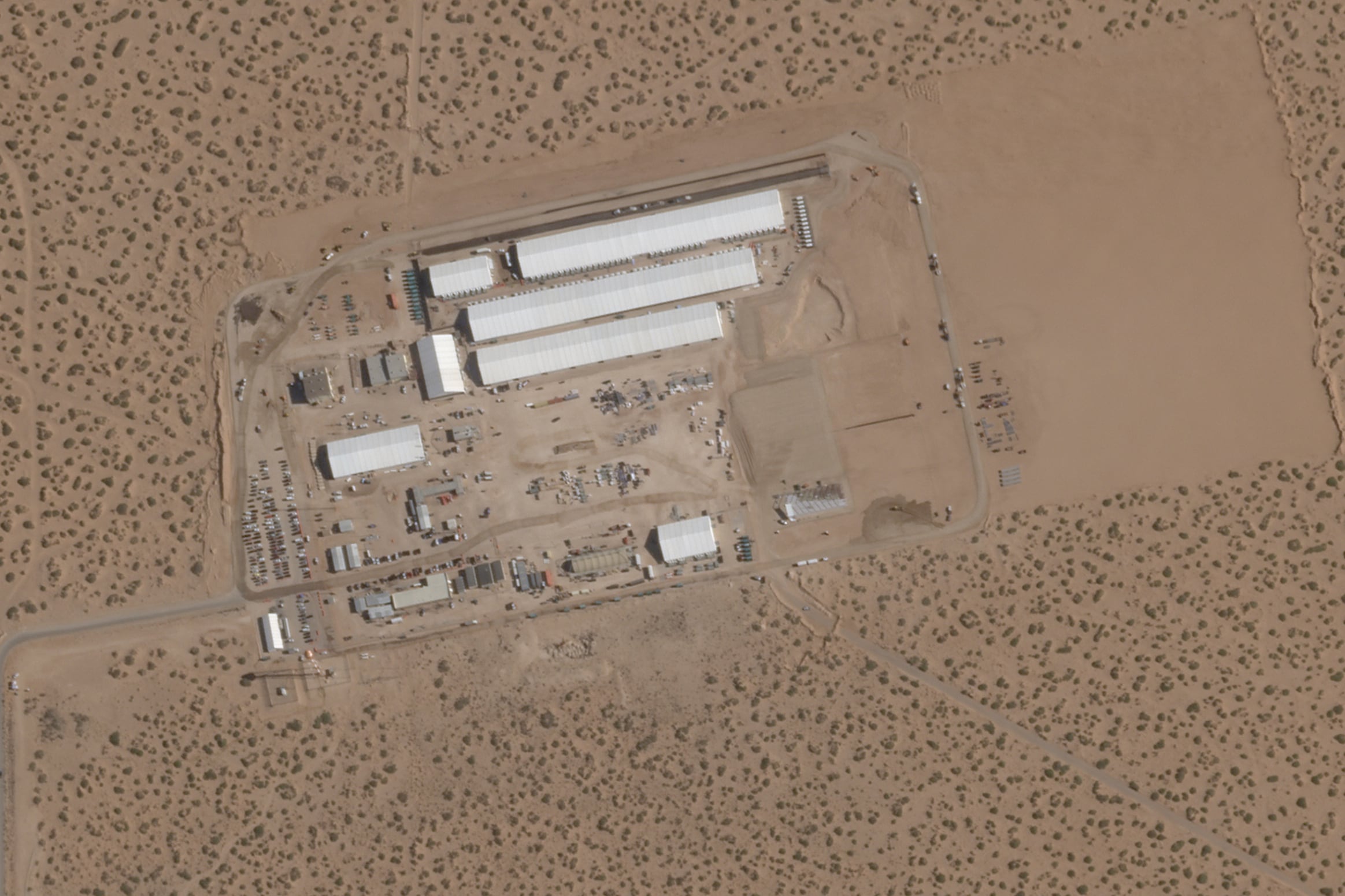
President Donald Trump's administration last month awarded a $1.2 billion contract to build and operate what's expected to become the nation’s largest immigration detention complex to a tiny Virginia firm with no experience running correction facilities.
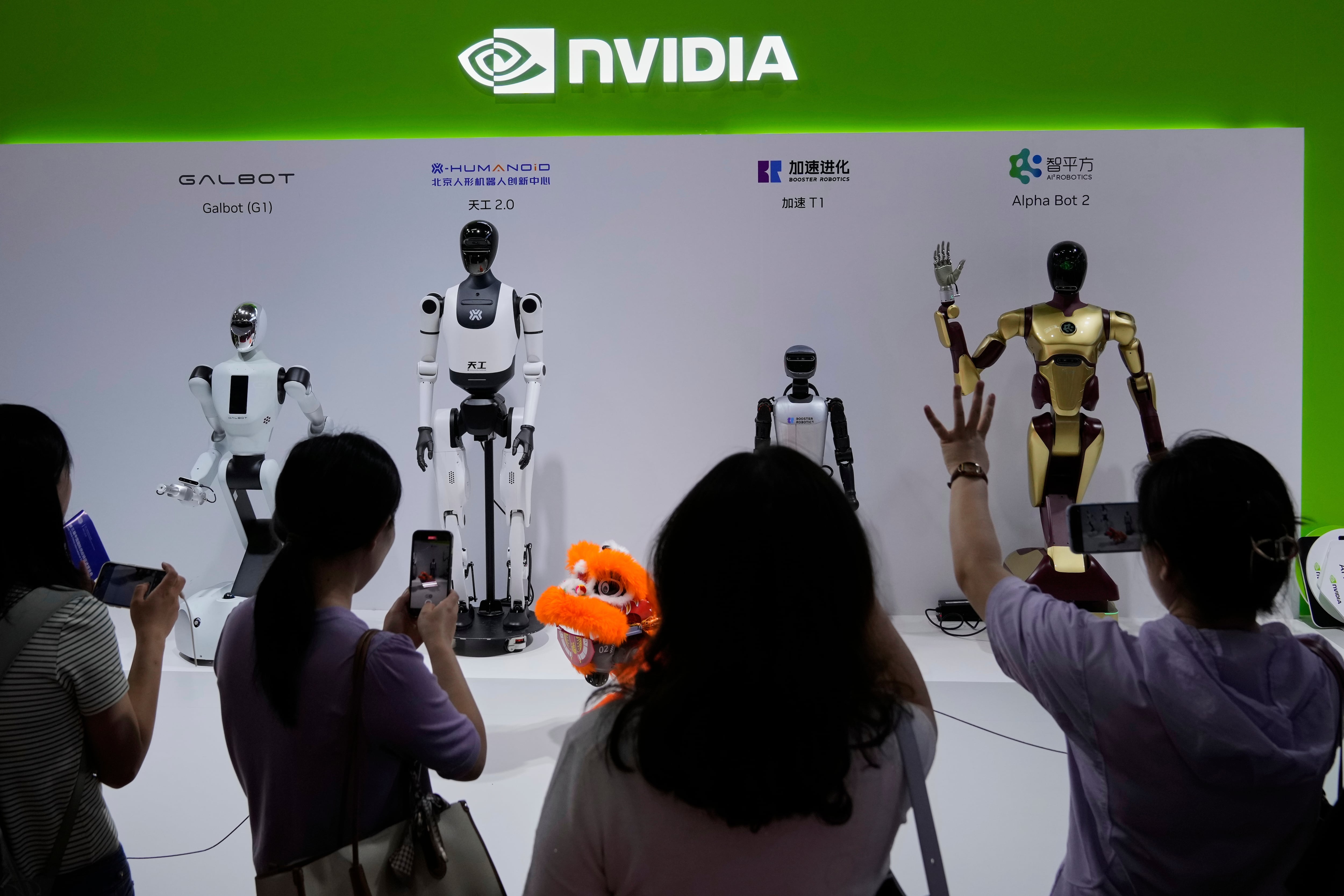
Chipmaker Nvidia is poised to release a quarterly report that could provide a better sense of whether the stock market has been riding an overhyped artificial intelligence bubble or is being propelled by a technological boom that’s still gathering momentum.
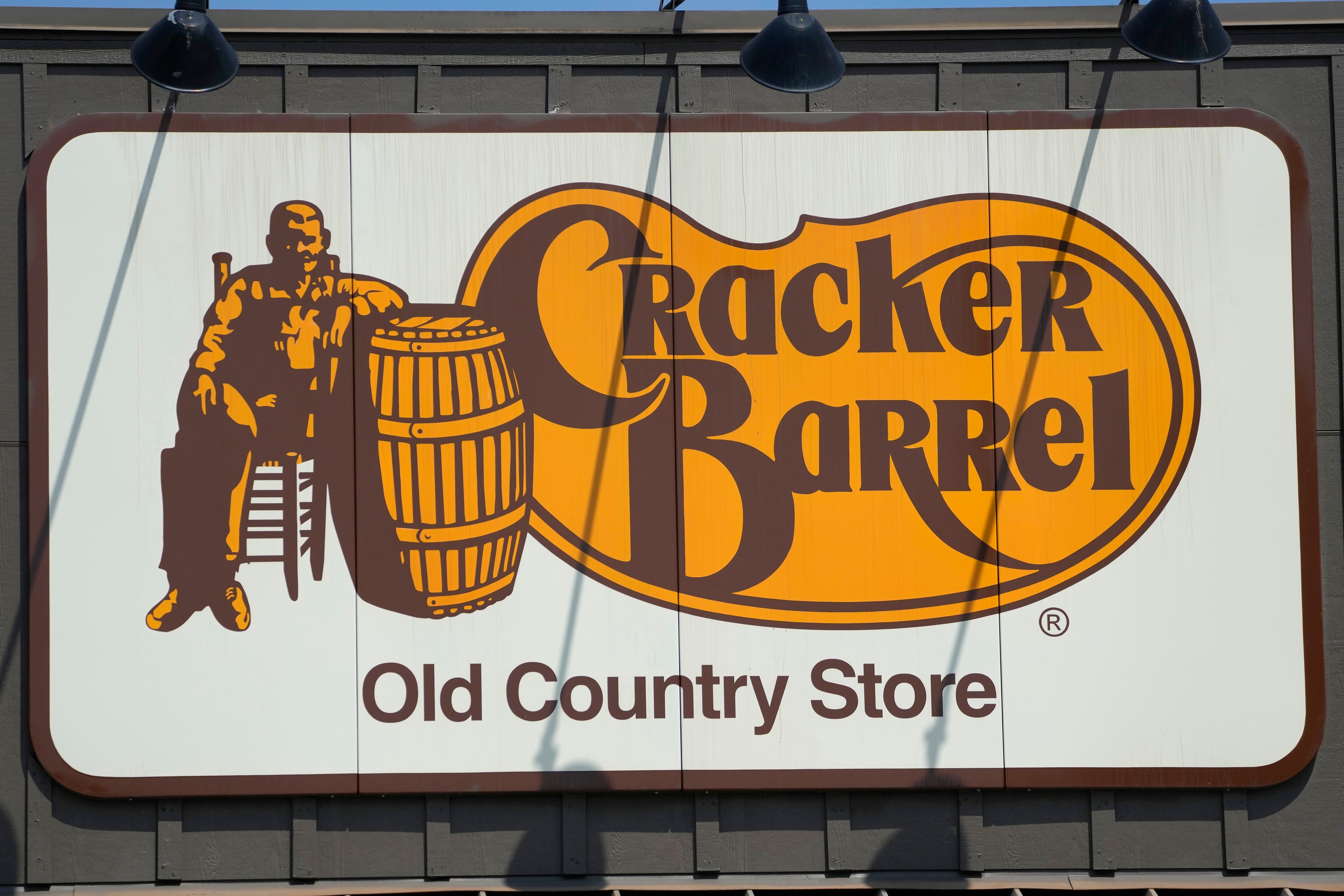
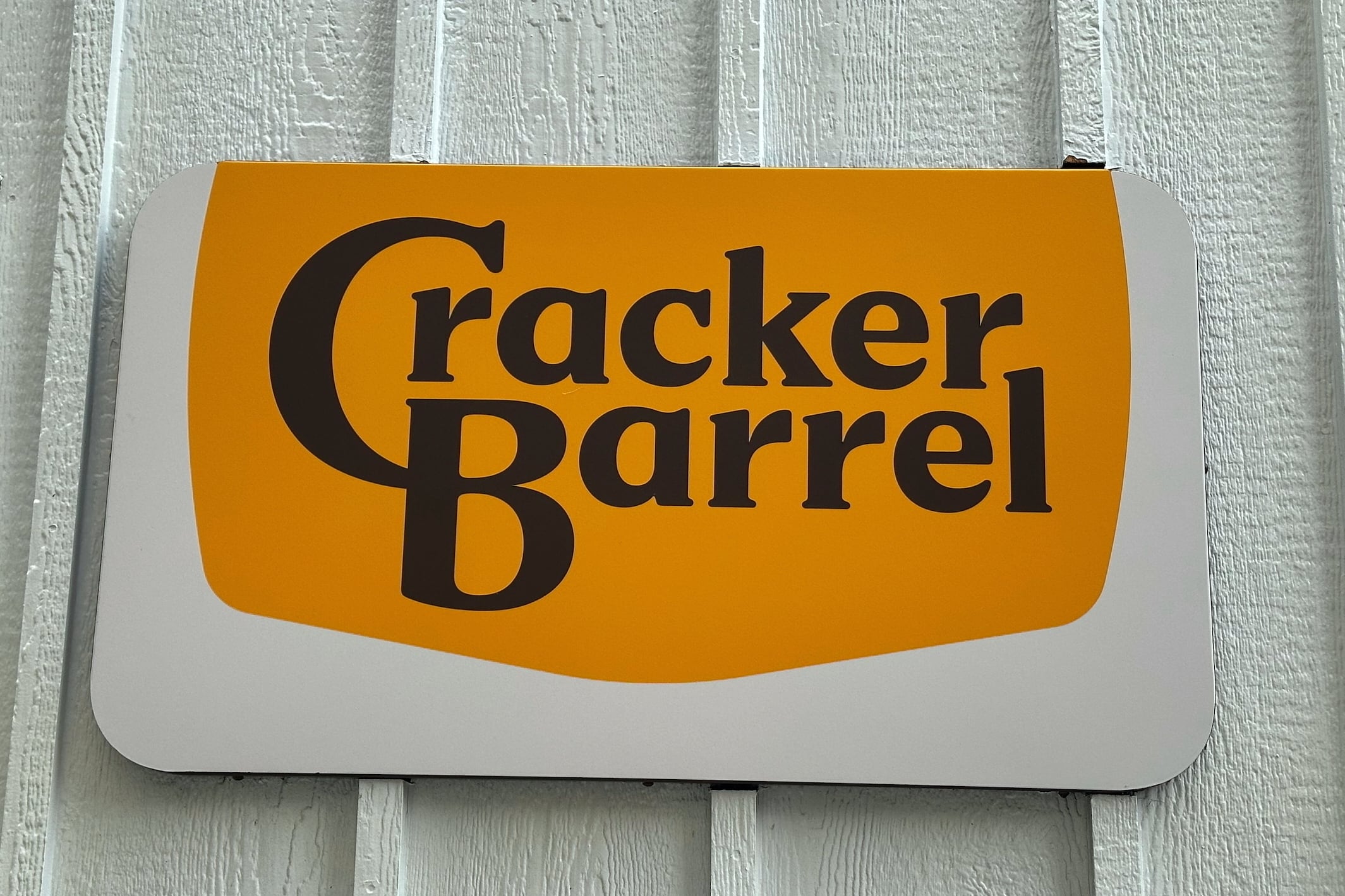
Cracker Barrel said late Tuesday it’s returning to its old logo after critics — including President Donald Trump — protested the company’s plan to modernize.
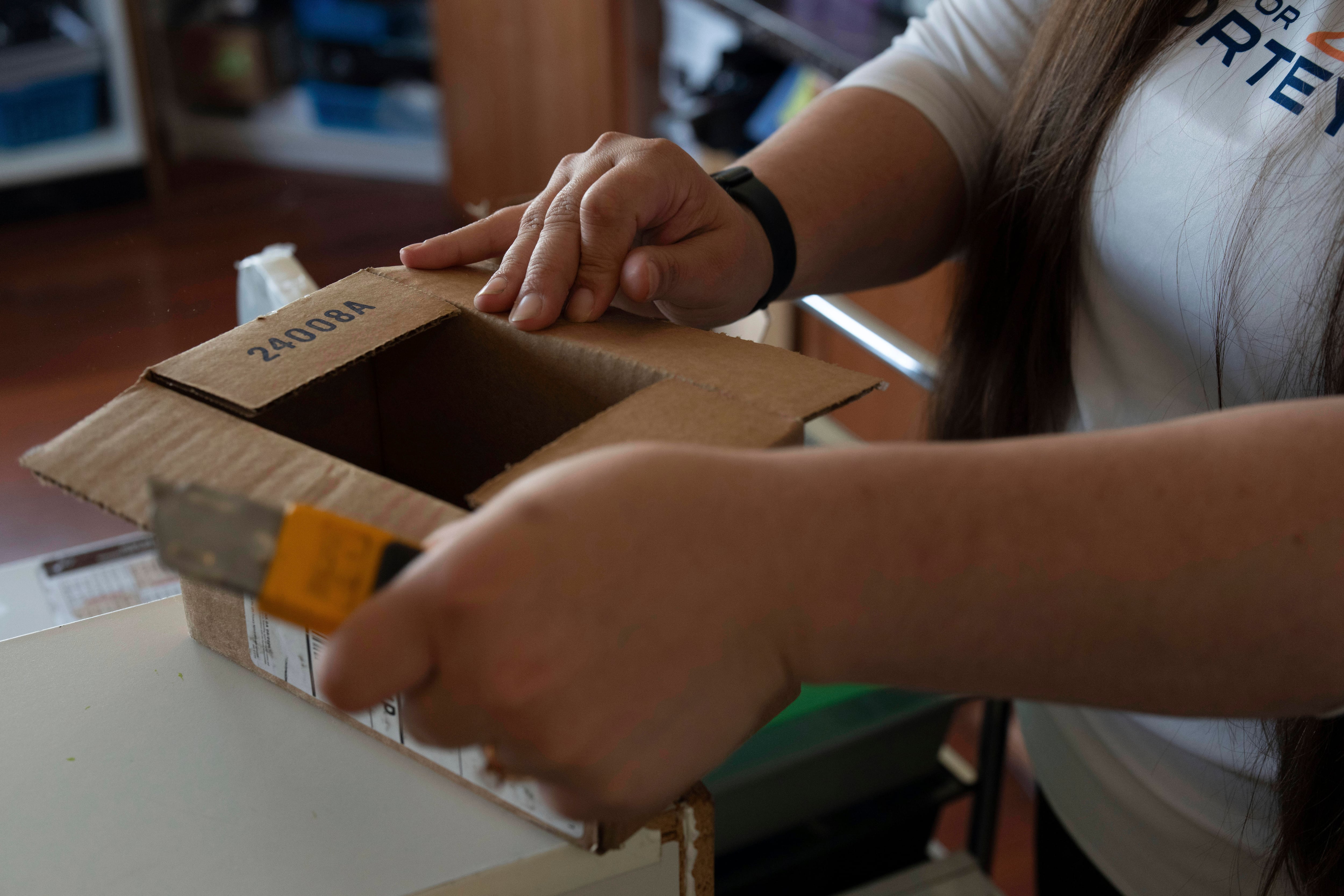
Low-value imports are losing their duty-free status in the U.S. this week as part of President Donald Trump's agenda for making the nation less dependent on foreign goods. A widely used customs exemption for international shipments worth $800 or less is set to end starting on Friday. Trump already ended the “de minimis” rule for inexpensive items sent from China and Hong Kong, but having to pay import taxes on small parcels from everywhere else likely will be a big change for some small businesses and online shoppers. Purchases that previously entered the U.S. without needing to clear customs will be subject to the origin country’s tariff rate, which can range from 10% to 50%.
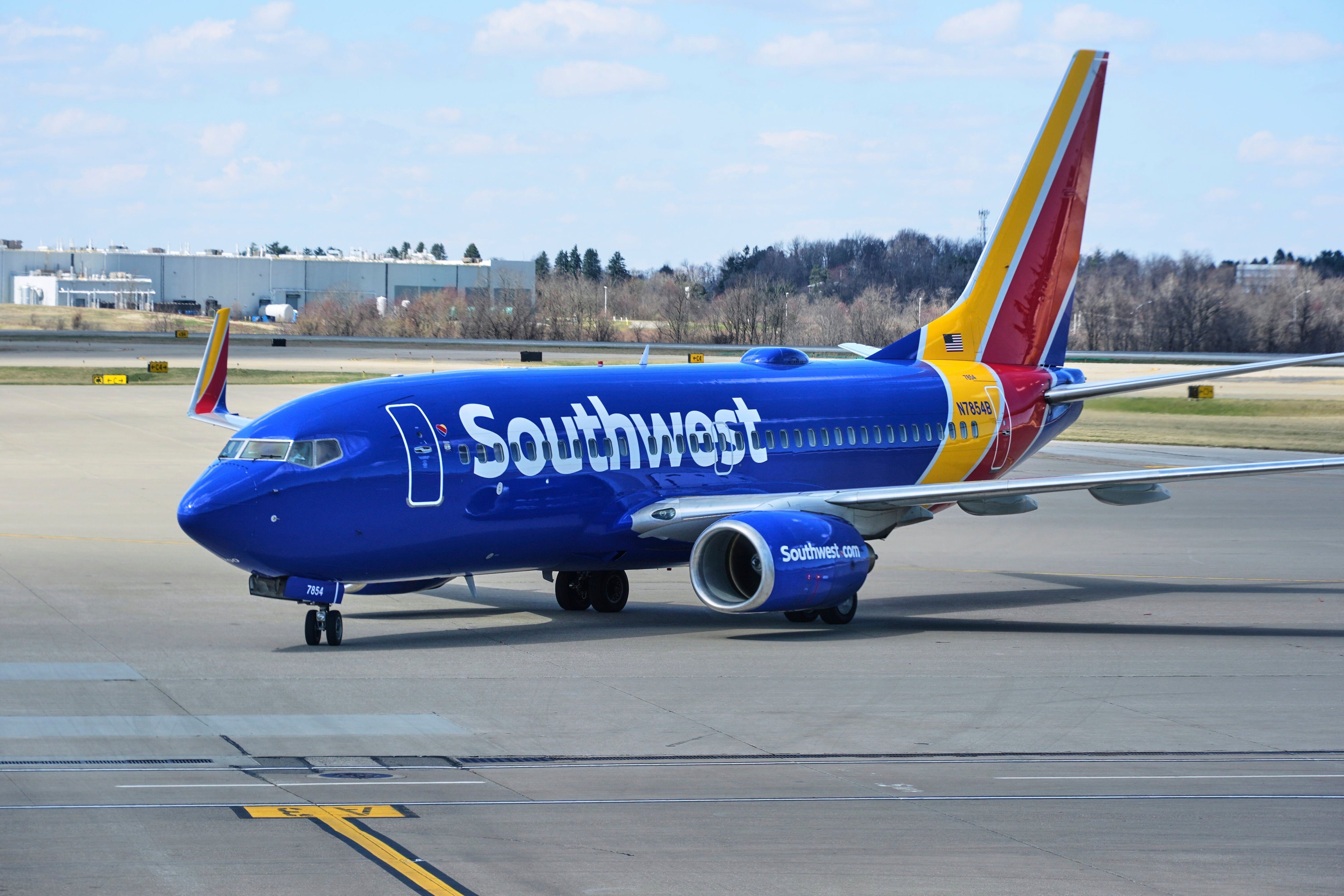
Southwest Airlines will soon require plus-size travelers to pay for an extra seat in advance if they can't fit within the armrests of one seat. This change is part of several updates the airline is making. The new rule starts on Jan. 27, the same day Southwest begins assigning seats. Currently, plus-size passengers can pay for an extra seat in advance and later get a refund, or request a free extra seat at the airport. Under the new policy, refunds are still possible but not guaranteed. Southwest said in a statement it is updating policies to prepare for assigned seating next year.
Cracker Barrel is sticking with its new logo. For now. But the chain is also apologizing to fans who were angered when the change was announced last week.
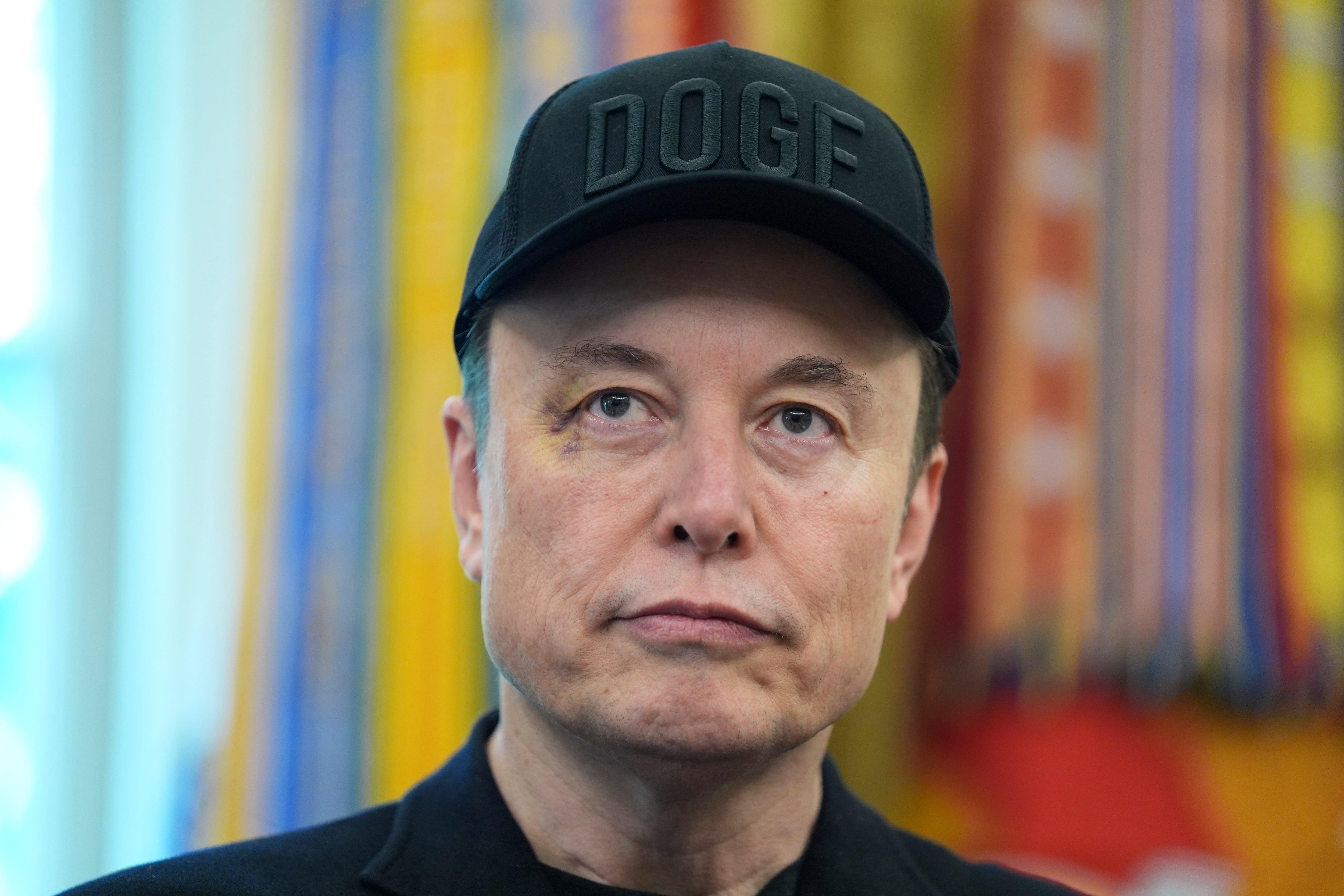
Elon Musk on Monday targeted Apple and OpenAI in an antitrust lawsuit alleging that the iPhone maker and the ChatGPT maker are teaming up to thwart competition in artificial intelligence.