WeWork is warning there’s “substantial doubt” about its ability to stay in business over the next year because of its financial losses and its need for cash, among other factors.
The New York-based workspace-sharing company said Tuesday that its ability to stay in operation is contingent upon improving its liquidity and profitability over the next 12 months.
WeWork went public in October 2021 after a spectacular collapse during its first attempt to do so two years earlier — which led to the ousting of its CEO and founder, Adam Neumann. The company was valued at $47 billion at one point, before investors started to drop off due to Neumann's erratic behavior and exorbitant spending.
The company leases buildings and divides them into office spaces to sublet to its members, which include small businesses, startups and freelancers who want to avoid paying for permanent office space.
But over time its operating expenses soared and it relied on repeated cash infusions from private investors. The company also said Tuesday it is facing high member turnover rates. It said it plans to negotiate more favorable lease terms, control spending and seek additional capital by issuing debt, stock or selling assets.
WeWork's interim CEO, David Tolley, sounded an optimistic note Tuesday in the company's results for the second-quarter, during which it lost $349 million.
"The company’s transformation continues at pace, with a laser focus on member retention and growth, doubling down on our real estate portfolio optimization efforts, and maintaining a disciplined approach to reducing operating costs," Tolley said.
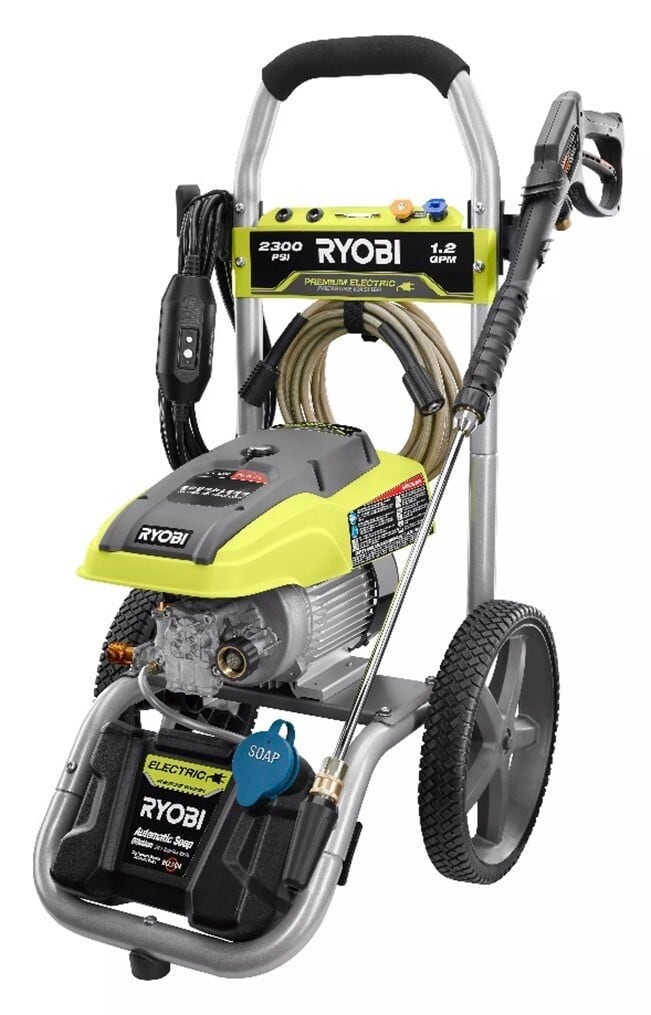
About 780,000 pressure washers sold at retailers like Home Depot are being recalled across the U.S. and Canada, due to a projectile hazard that has resulted in fractures and other injuries among some consumers.
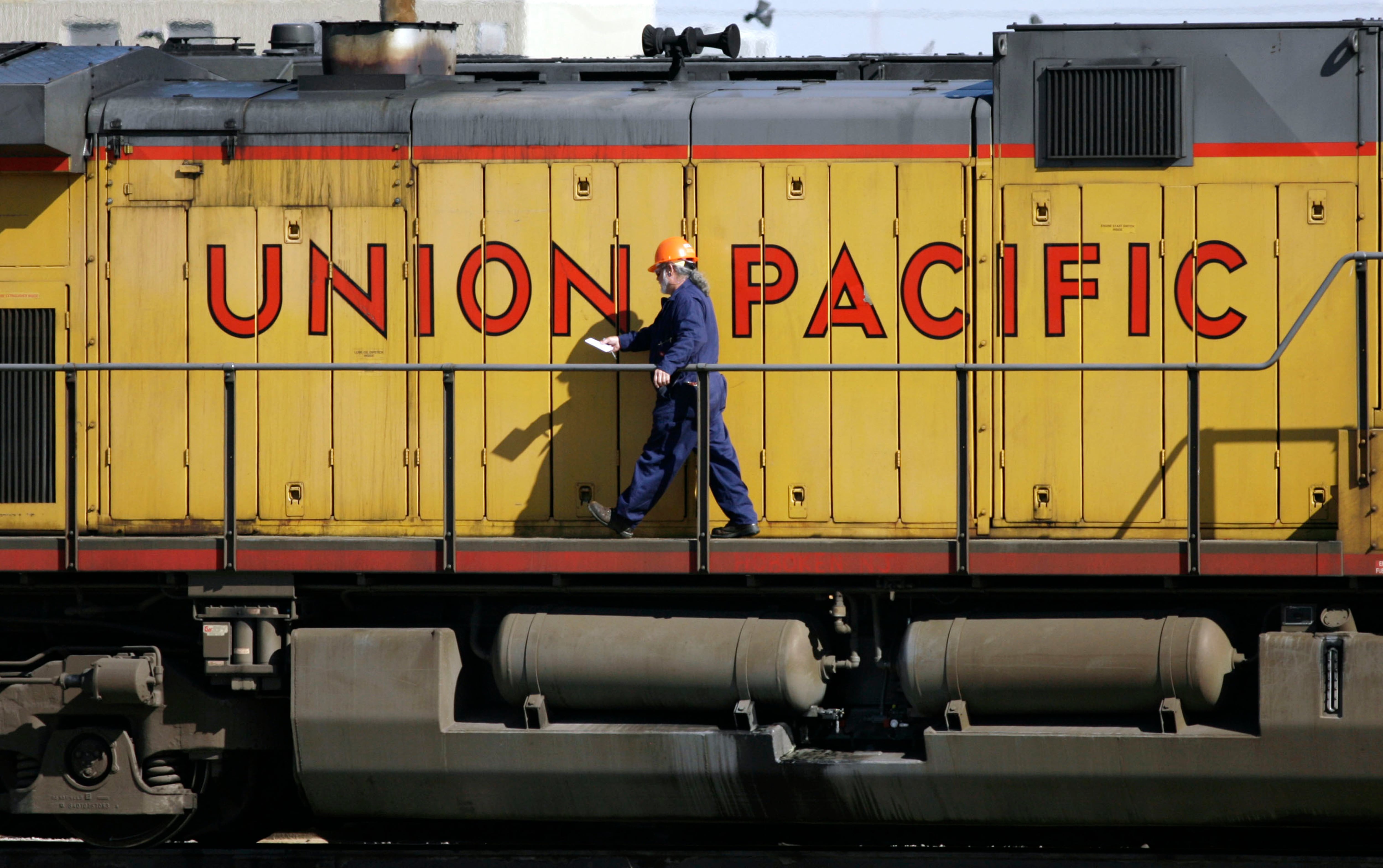
President Donald Trump has fired one of two Democratic members of the U.S. Surface Transportation Board to break a 2-2 tie ahead of the board considering the largest railroad merger ever proposed.
Ford is recalling more than 355,000 of its pickup trucks across the U.S. because of an instrument panel display failure that’s resulted in critical information, like warning lights and vehicle speed, not showing up on the dashboard.
The Rev. Al Sharpton is set to lead a protest march on Wall Street to urge corporate America to resist the Trump administration’s campaign to roll back diversity, equity and inclusion initiatives. The New York civil rights leader will join clergy, labor and community leaders Thursday in a demonstration through Manhattan’s Financial District that’s timed with the anniversary of the Civil Rights-era March on Washington in 1963. Sharpton called DEI the “civil rights fight of our generation." He and other Black leaders have called for boycotting American retailers that scaled backed policies and programs aimed at bolstering diversity and reducing discrimination in their ranks.