WeWork is warning there’s “substantial doubt” about its ability to stay in business over the next year because of its financial losses and its need for cash, among other factors.
The New York-based workspace-sharing company said Tuesday that its ability to stay in operation is contingent upon improving its liquidity and profitability over the next 12 months.
WeWork went public in October 2021 after a spectacular collapse during its first attempt to do so two years earlier — which led to the ousting of its CEO and founder, Adam Neumann. The company was valued at $47 billion at one point, before investors started to drop off due to Neumann's erratic behavior and exorbitant spending.
The company leases buildings and divides them into office spaces to sublet to its members, which include small businesses, startups and freelancers who want to avoid paying for permanent office space.
But over time its operating expenses soared and it relied on repeated cash infusions from private investors. The company also said Tuesday it is facing high member turnover rates. It said it plans to negotiate more favorable lease terms, control spending and seek additional capital by issuing debt, stock or selling assets.
WeWork's interim CEO, David Tolley, sounded an optimistic note Tuesday in the company's results for the second-quarter, during which it lost $349 million.
"The company’s transformation continues at pace, with a laser focus on member retention and growth, doubling down on our real estate portfolio optimization efforts, and maintaining a disciplined approach to reducing operating costs," Tolley said.
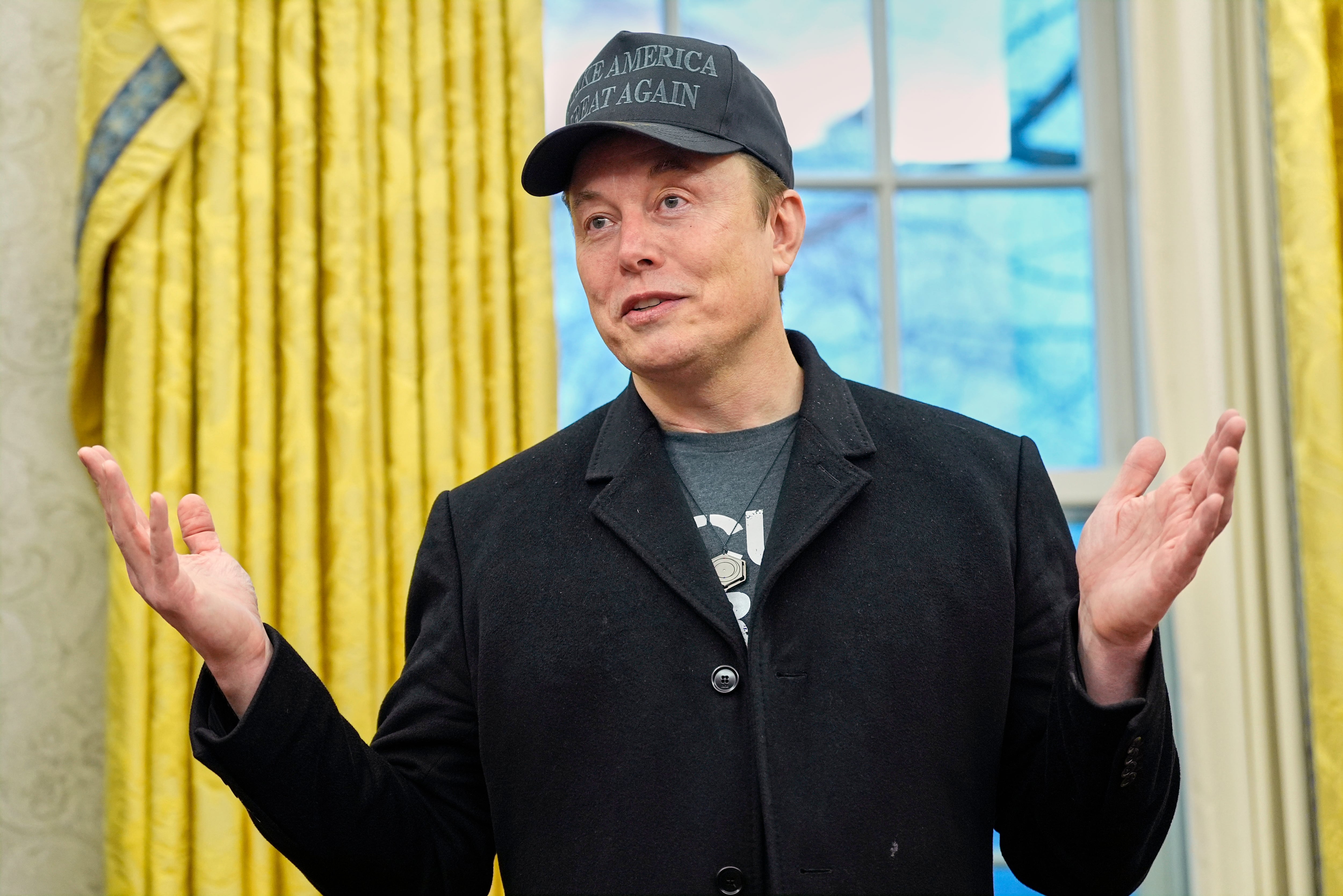
Tesla reported a surprise increase in sales in the third quarter as the electric car maker likely benefited from a rush by consumers to take advantage of a $7,500 credit before it expired on Sept. 30. The company reported Thursday that sales in the three months through September rose 7% compared to the same period a year ago. The gain follows two quarters of steep declines as people turned off by CEO Elon Musk’s foray into right-wing politics avoided buying his company’s cars and even protested at some dealerships. Sales rose to 497,099 vehicles, compared with 462,890 in the same period last year.
Tom’s Guide Editor-in-Chief Mark Spoonauer breaks down Apple & Amazon's latest product drops—what's hot, what's hype, and what really matters for users.
InnerPlant CEO Shely Aronov reveals how engineered crops like soybeans and corn emit signals when stressed—offering farmers early warnings to boost yields.
Payoneer CEO John Caplan discusses the implications of $100K H1B visa requirements—and how they could reshape tech talent, hiring, and U.S. competitiveness.
Electronic Arts, the video game maker of “Madden NFL,” “The Sims,” and other popular titles, is being acquired and taken private for about $52.5 billion in what could become the largest-ever buyout funded by private-equity firms.