WeWork is warning there’s “substantial doubt” about its ability to stay in business over the next year because of its financial losses and its need for cash, among other factors.
The New York-based workspace-sharing company said Tuesday that its ability to stay in operation is contingent upon improving its liquidity and profitability over the next 12 months.
WeWork went public in October 2021 after a spectacular collapse during its first attempt to do so two years earlier — which led to the ousting of its CEO and founder, Adam Neumann. The company was valued at $47 billion at one point, before investors started to drop off due to Neumann's erratic behavior and exorbitant spending.
The company leases buildings and divides them into office spaces to sublet to its members, which include small businesses, startups and freelancers who want to avoid paying for permanent office space.
But over time its operating expenses soared and it relied on repeated cash infusions from private investors. The company also said Tuesday it is facing high member turnover rates. It said it plans to negotiate more favorable lease terms, control spending and seek additional capital by issuing debt, stock or selling assets.
WeWork's interim CEO, David Tolley, sounded an optimistic note Tuesday in the company's results for the second-quarter, during which it lost $349 million.
"The company’s transformation continues at pace, with a laser focus on member retention and growth, doubling down on our real estate portfolio optimization efforts, and maintaining a disciplined approach to reducing operating costs," Tolley said.
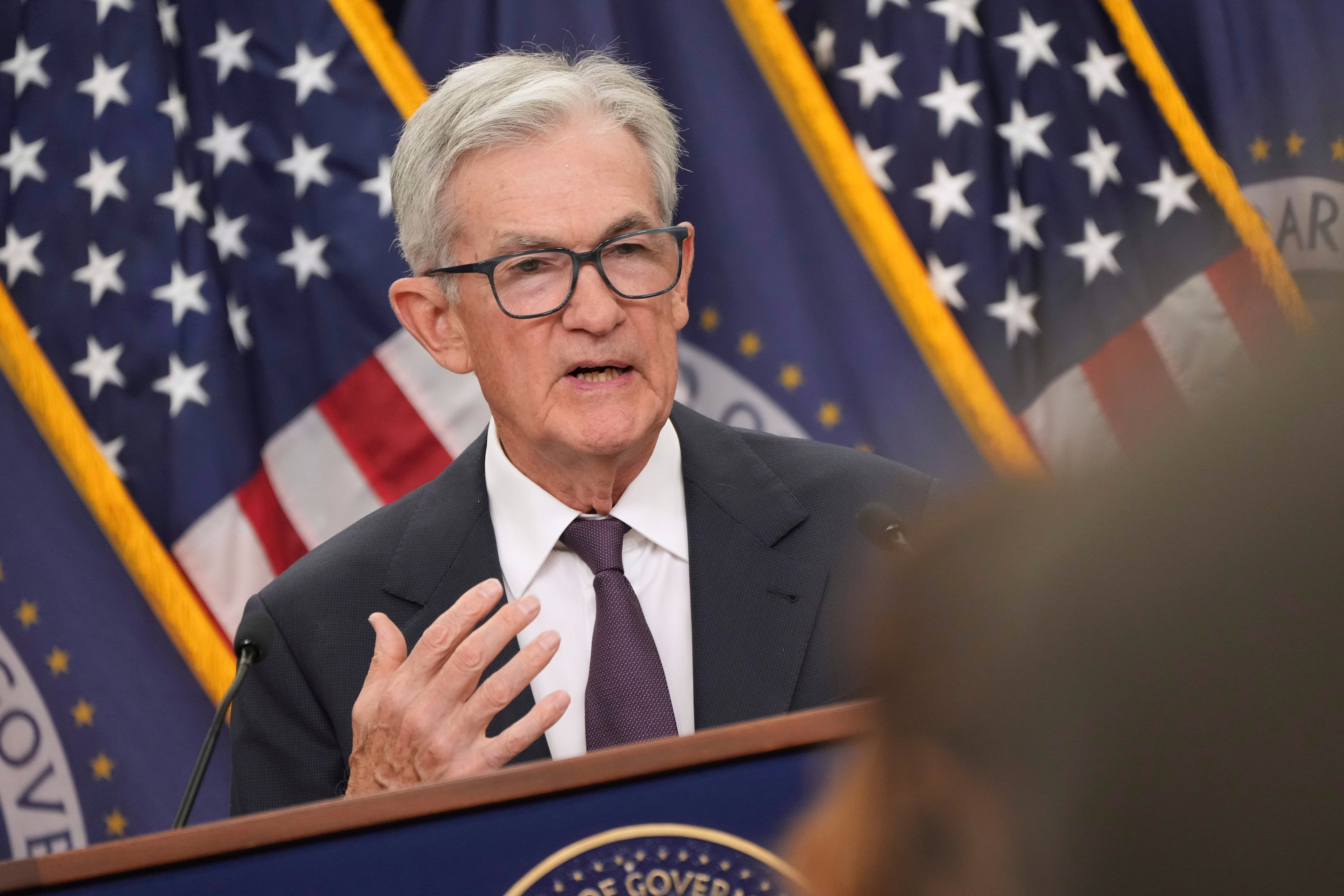
Most members of the Federal Reserve’s interest-rate setting committee supported further reductions to its key interest rate this year, minutes from last month’s meeting showed.
Sinead O’Sullivan breaks down Taylor Swift’s genius marketing for The Life of a Showgirl, which just set the record for most albums sold in a single week.
Markets are emerging from a turbulent Q3. Horizon’s Mike Dickson shares insights on interest rates, small caps, and where investors should look in Q4 and beyond
Bambu Ventures's Kyle Pretsch dives into Lemonaid’s $10M buyout, down from 23andMe’s $400M price tag, and what’s next after Chrome Co.’s dramatic pivot.
Former Cisco Systems CEO John Chambers learned all about technology’s volatile highs and lows as a veteran of the internet’s early boom days during the late 1990s and the ensuing meltdown that followed the mania. And now he is seeing potential signs of the cycle repeating with another transformative technology in artificial intelligence. Chambers is trying take some of the lessons he learned while riding a wave that turned Cisco into the world's most valuable company in 2000 before a crash hammered its stock price and apply them as an investor in AI startups. He recently discussed AI's promise and perils during an interview with The Associated Press.
Grove Collaborative’s CEO shares how the company is reinventing everyday goods with sustainability at the core and working toward a plastic-free future.
Atlanta Mayor Andre Dickens shares plans for affordable housing, community-led growth, and why private and public grocery stores could be key to food equity.