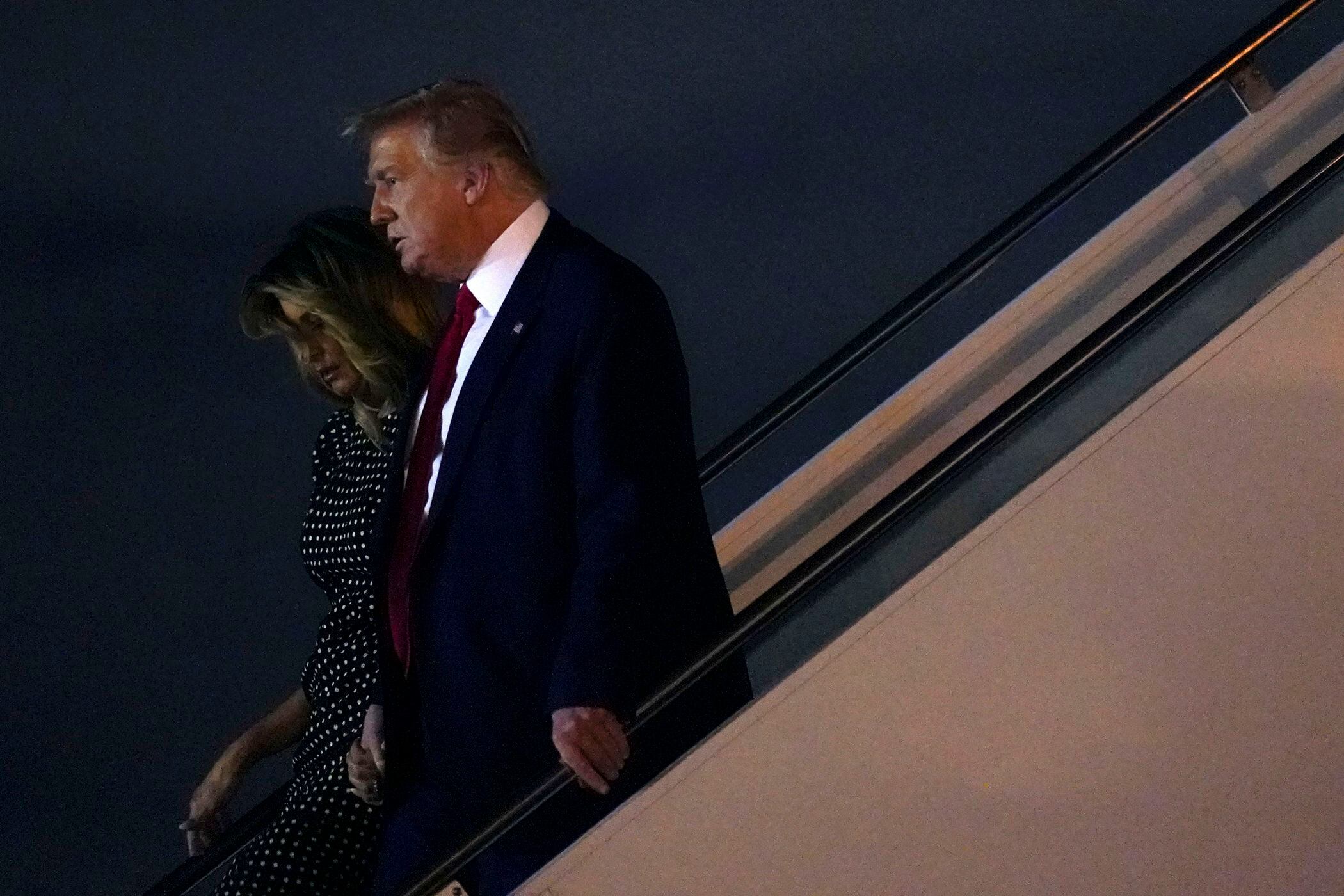
President Donald Trump and first lady Melania Trump step off Air Force One at Palm Beach International Airport, Wednesday, Dec. 23, 2020, in Palm Beach, Fla. Trump is visiting his Mar-a-Lago resort. (AP Photo/Patrick Semansky)
From Wall Street to Silicon Valley, these are the top stories that moved markets and had investors, business leaders, and entrepreneurs talking this week on Cheddar.
STIMULUS WHIPSAW
The S&P 500 ended down for the week with the Dow and Nasdaq slightly higher as the Street wrapped up early Thursday for the Christmas holiday. A stimulus package from Congress looked like it was going to emerge as a gift early in the week, but the president threw that plan into turmoil Wednesday when he demanded payments to Americans be jacked up from $600 to $2,000, a plan GOP House members officially derided Thursday. Still, the need for major economic relief became even more apparent in the data this week. Another 800,000 Americans joined the ranks of the unemployed last week. If the stimulus bill is not signed into law soon, federal unemployment benefits expire in a week, leaving millions of people without any income. Consumer spending dropped in November for the first time since the pandemic started, consumer confidence is at a four-month low, and even the resilient housing market is faltering with sales of new single-family homes dropping sharply in November.
SHIPAGEDDON
The U.S. Postal Service is buckling under the weight of an absolute deluge of mail and package volume that is causing widespread delivery delays across the country. On-time performance was 86 percent last week, and perhaps even lower now. Foot traffic at retail stores was down 40 percent last weekend compared to last year. Everyone is doing their shopping online, and it has created a logjam that is cresting at the worst possible time. FedEx and UPS have instituted limits on their networks, leaving the USPS as the shipper of last resort. Best Buy is even experimenting with sending its own employees out to deliver items. As one meme going around puts it: "Stop trying to track that package. It's in God's hands now."
APPLE V. TESLA
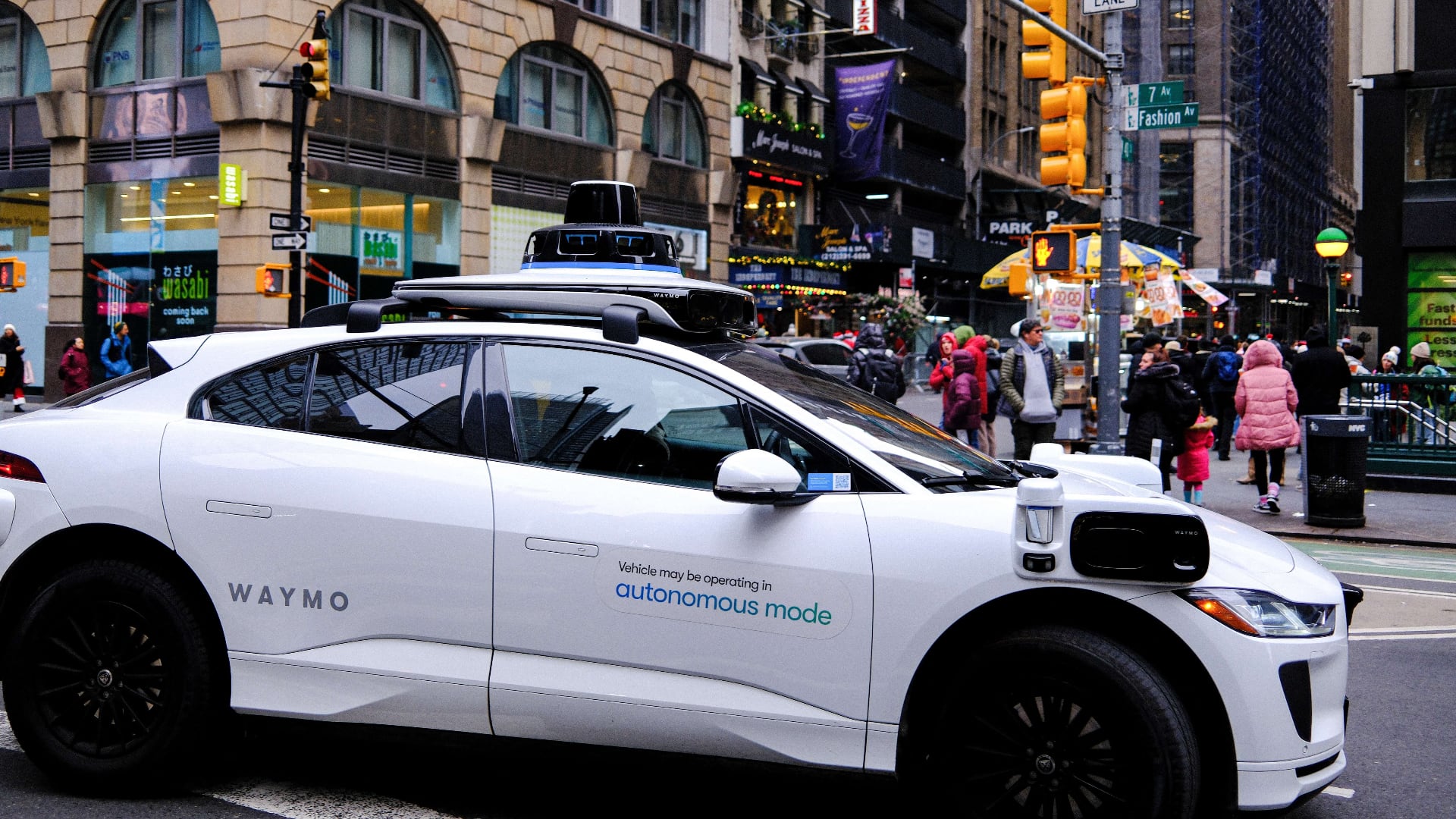
Apple is reportedly jump-starting its plans to build a self-driving car from scratch. The iPhone maker is said to be targeting 2024 for the launch of an autonomous vehicle that will include a supposed breakthrough in battery technology. Apple's self-driving car strategy, codenamed Project Titan, has gone through fits and starts over the past several years, but the company is reinvigorating the project thanks to a "radical" new battery design. If those plans materialize, Apple would be going head-to-head with Tesla. CEO Elon Musk said this week that he had offered to sell Tesla to Apple three years ago as the company was faltering with the Model 3, but Apple boss Tim Cook "refused to take the meeting." Tesla shares closed the week down slightly after its first week as a member of the S&P 500.
FITNESS MERGER
Peloton closed at another all-time high this week after the fitness bike maker announced it was buying Precor, the commercial fitness equipment manufacturer, for $420 million. The deal gives Peloton access to 625,000 square feet of new manufacturing space in the U.S. that it desperately needs to keep up with the demand for its at-home products. Peloton will end 2020 as one of the top "stay-at-home" stocks of the pandemic, up an astonishing 470 percent on the year.
WALMART OPIOID LAWSUIT
Walmart will have to answer for its purported role in the opioid epidemic that has ravaged the U.S. The Justice Department filed suit against the superstore this week alleging that its pharmacies filled thousands of suspicious prescriptions that it "knew were invalid." Walmart already began fighting back, saying the DOJ's investigation has been "tainted by historical ethics violations." Walmart's stock dipped after the suit was announced.
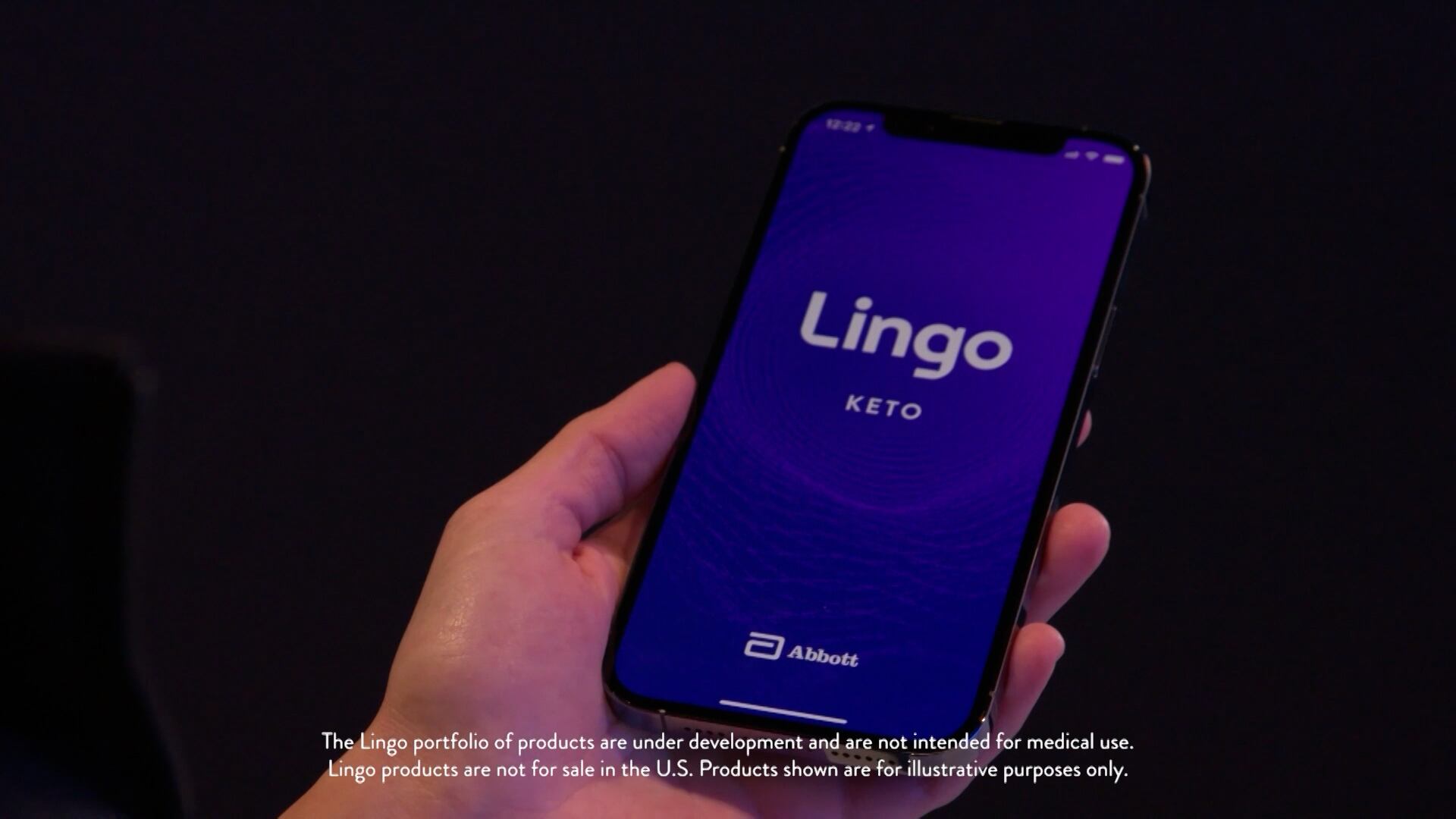
Jared Watkin, senior vice president, diabetes care, at Abbott Laboratories, joined Michelle Castillo from the CES 2022 floor to discuss the future of health tech, including Abbott's consumer-facing biowearable called Lingo. The accessory is supposed to send real-time biomarker information like glucose or ketone levels to the Lingo app for the wearer to review. "The idea is that it's a window into your body," Watkin said. "It gives you insight into what's going on in your body and the certain circumstances that you otherwise wouldn't be able to have."
Aaron Jefferson, VP of product at Luminar, joined Cheddar to discuss partnering with automaker Volvo to bring its LIDAR (light detection and ranging) tech into autonomous cars capable of safely driving on the highway. While companies like Tesla have come under fire due to safety issues with its self-driving technology, Jefferson noted how his company's tech differs. "Our LIDAR, its iris sensor that's really set for production, is able to sense, understand, and give the vehicle confidence to react accordingly such that you don't have these same types of issues," he said. The Ride Pilot technology in Volvo vehicles will be rolled out in California following safety testing.
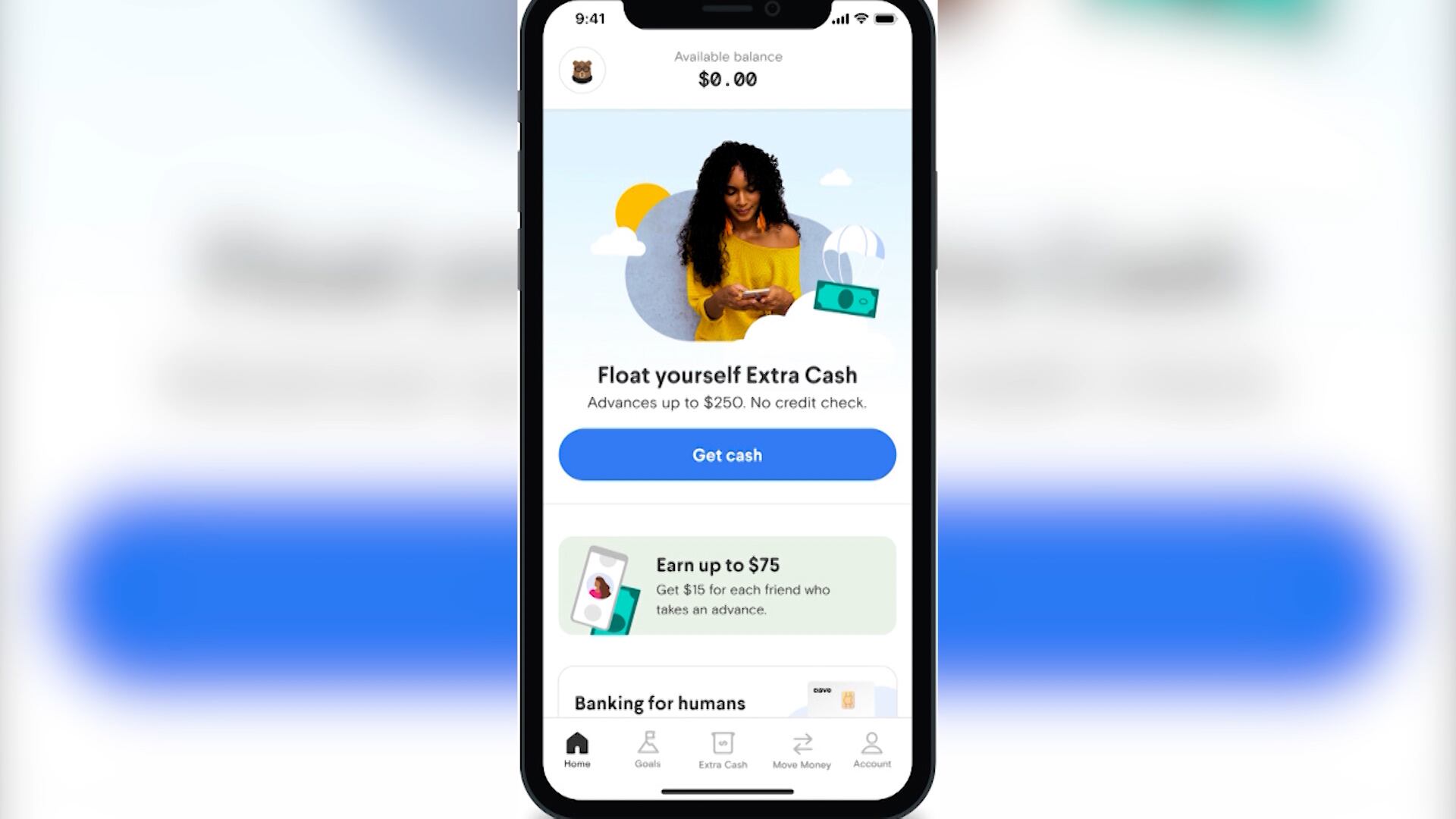
The fintech app backed by billionaire Mark Cuban called Dave made its public debut on the Nasdaq Thursday via a SPAC merger. CEO and co-founder Jason Wilk spoke to Cheddar's Kristen Scholer about the IPO and how his company's services distinguish it from traditional banks. "Customers come to us because they're tired of paying $20 billion of overdraft fees, and they come to Dave, they download our app, and within minutes they can get access to $250 of no interest credit, which we give them through our own proprietary machine learning model," he told Cheddar.
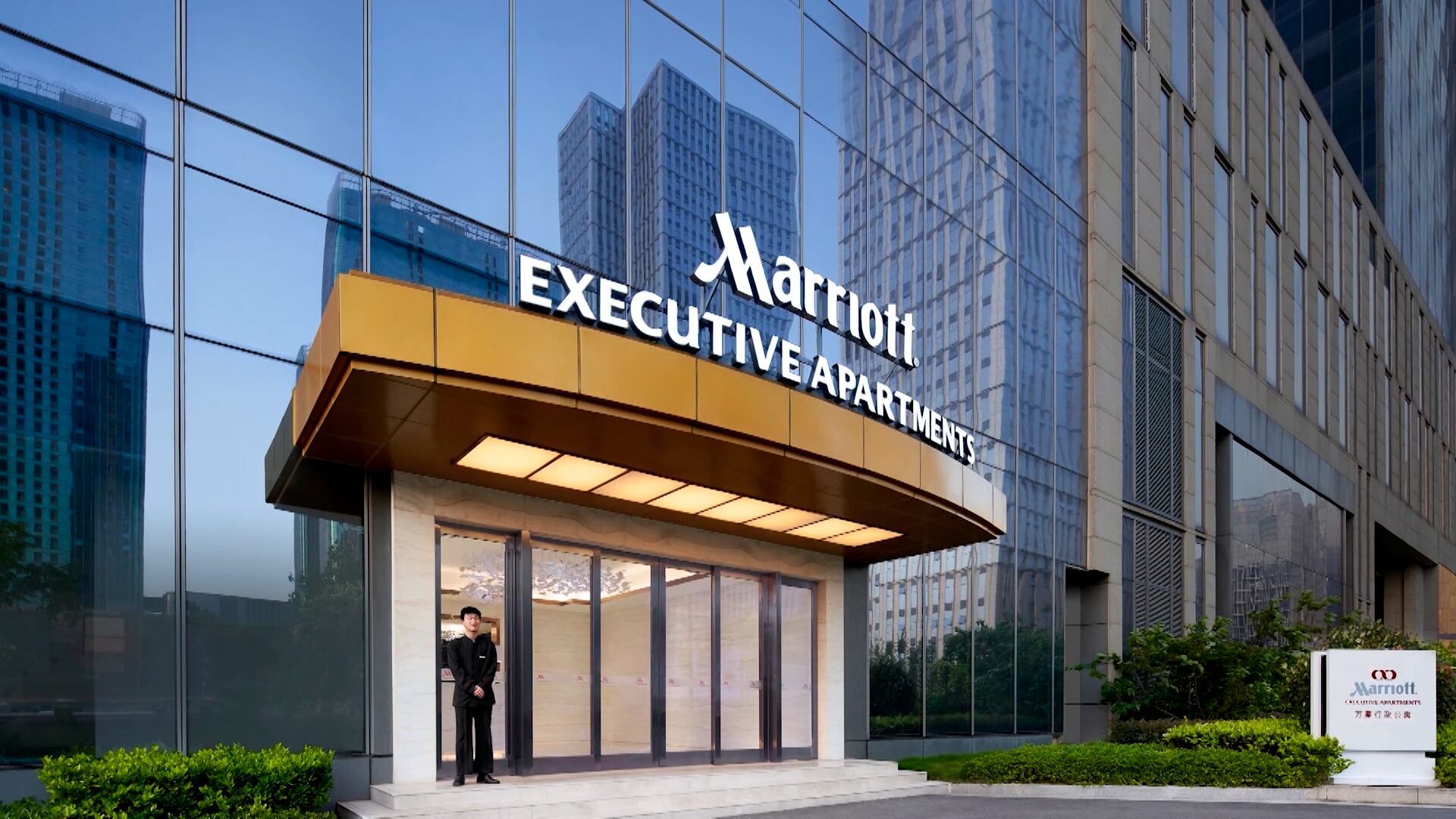
Stephanie Linnartz, president of Marriott International, joined Cheddar's "Closing Bell" to talk about the launch of the Marriott Design Lab, a new facility within its Bethesda, Maryland, headquarters to explore innovative tech offerings for bolstering the guest experience. "It's all around figuring out how we can innovate in the guest room in the public space, looking at how we can use robotics, improve sustainability, etcetera," she said. Some short-term changes in the future Linnartz also noted is an expansion of the chain's mobile capabilities to make check-in and check-out an easier process for guests, as well as mobile room service, from the feedback it received during the pandemic.
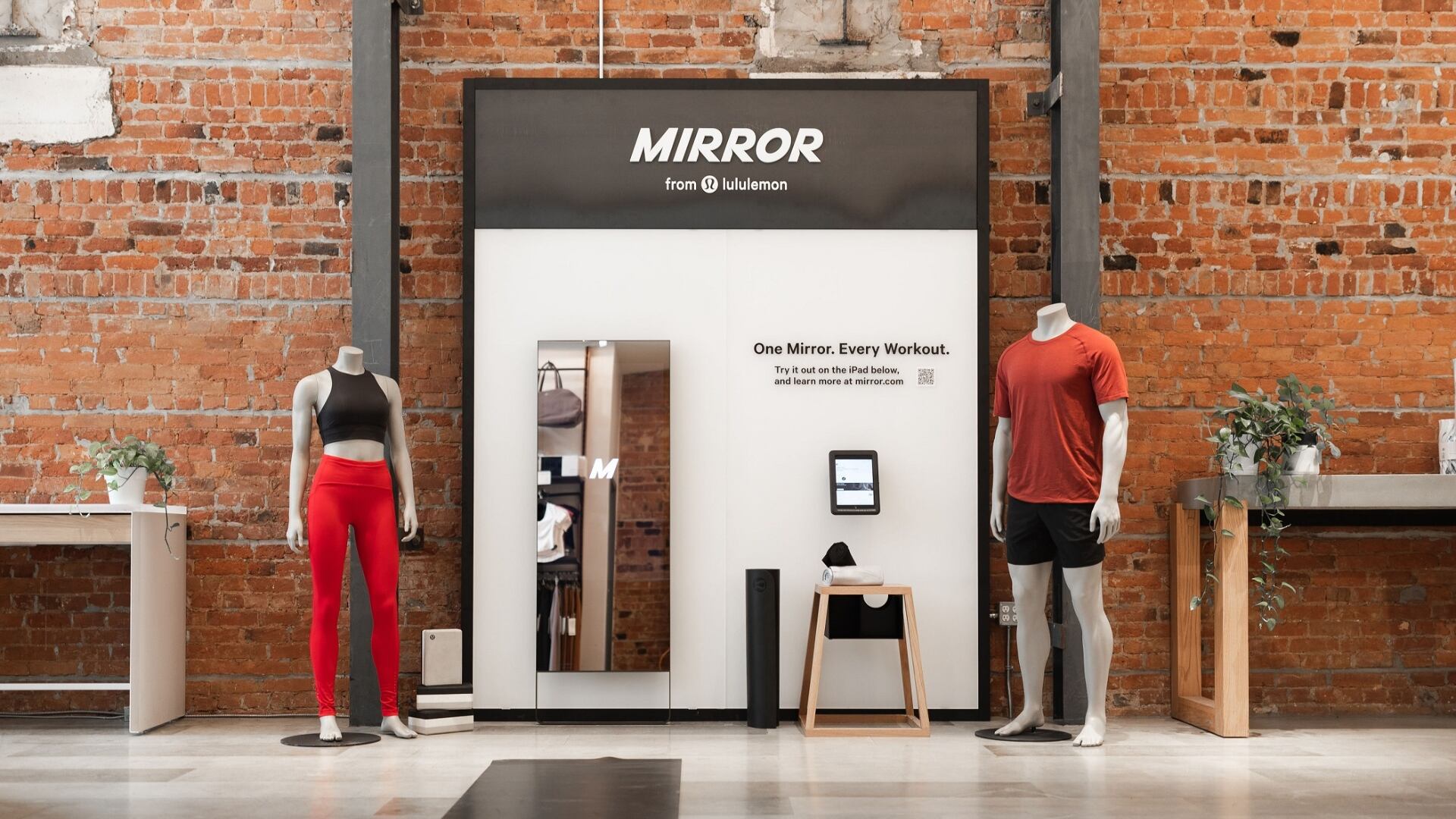
Nike has initiated a lawsuit against athletic apparel retailer and competitor Lululemon over claims of patent infringement. The sneaker giant is claiming the technology in their rival's MIRROR home gym was patented back in 1983.
Adi Robertson, senior reporter at The Verge, joins Cheddar News to break down the battle between two NFT collections by Phunky Ape Yacht Club and PHAYC that are selling plagiarized Bored Ape Yacht Club designs.
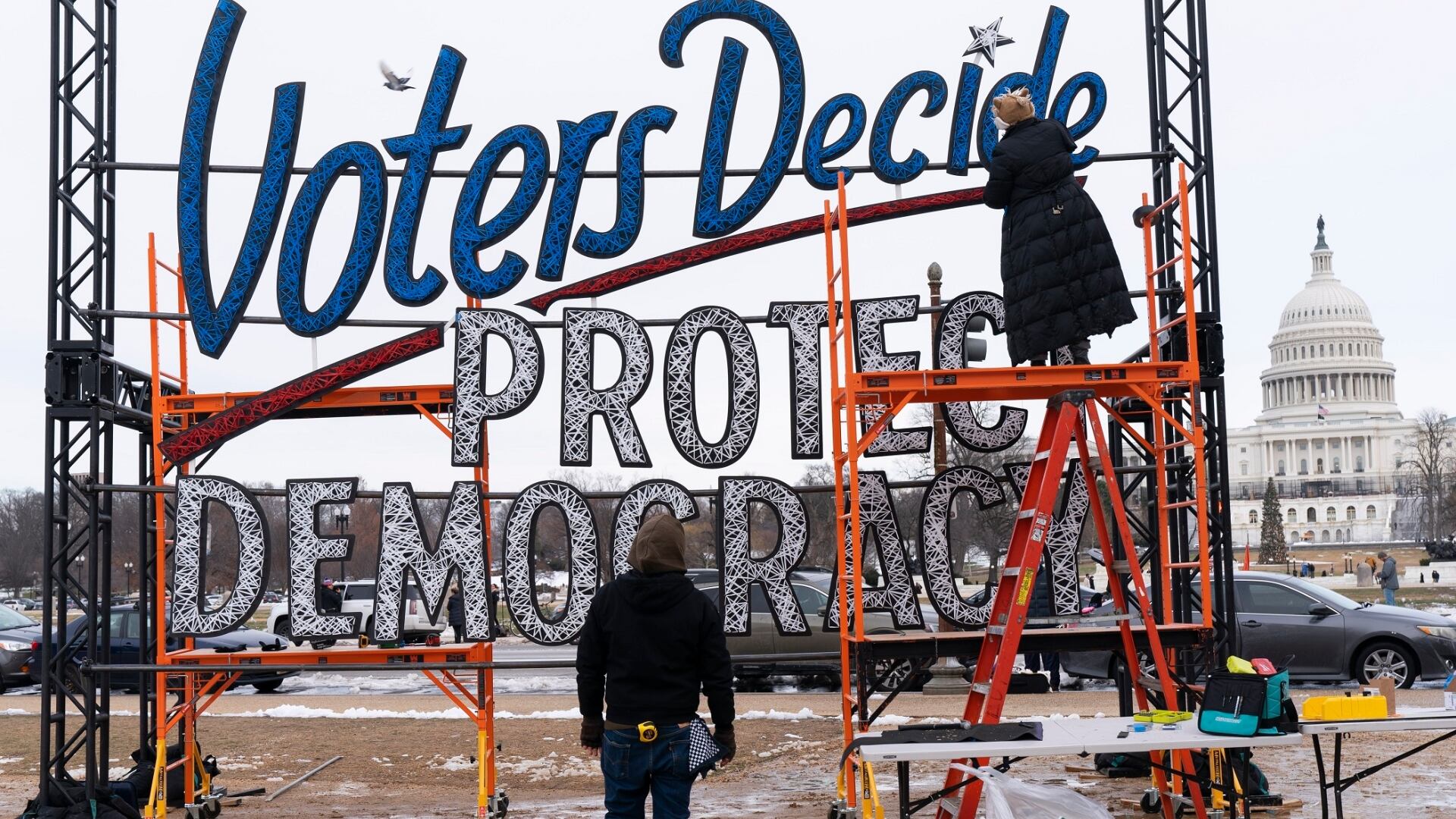
Following the attack on the Capitol last year, several major corporations promised to no longer pour funds into the campaigns of Republican lawmakers who supported the January 6 insurrection. But not all have stood firm on their word. Among those that did keep to their promise were Nike, American Express, and Walgreens.
Maja Vujinovic, managing director of investment and advisory firm OGroup LLC, spoke to Cheddar about factors impacting the price of a Bitcoin. She attributed some of the drop-offs in the cryptocurrency's value to inflation and expects the space to continue being volatile. Vujinovic also stated that Bitcoin is here stay and will continue to expand, opening the door for legislators to establish regulation around cryptocurrencies.