From Wall Street to Silicon Valley, these are the top stories that moved markets and had investors, business leaders, and entrepreneurs talking this week on Cheddar.
WALL STREET <3 DIVIDED GOV
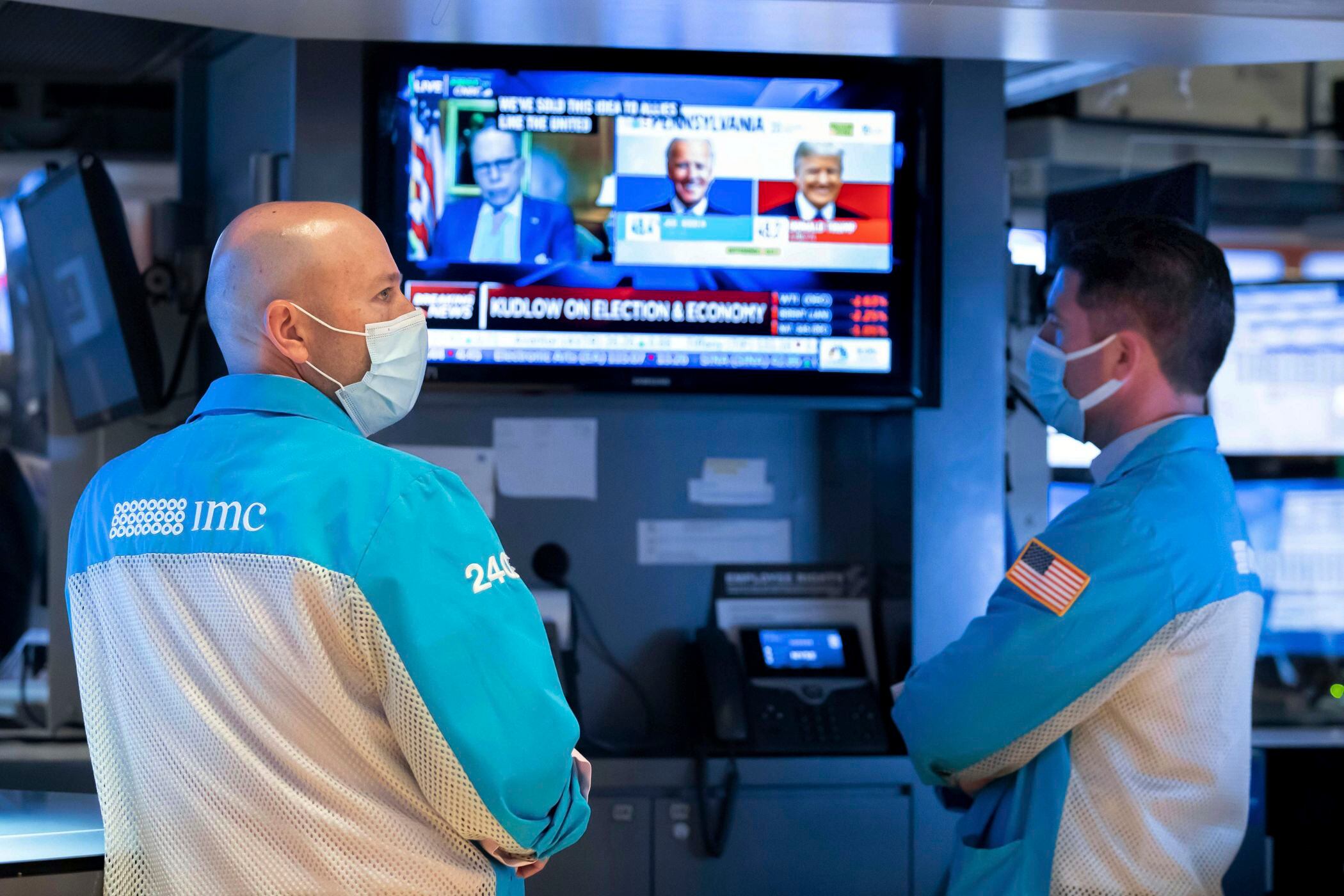
With Joe Biden looking more likely to become president-elect of the United States at the close of the week, markets staged a classic “relief rally,” even as votes were still being counted. The rally faded Friday, but the major indexes still notched their best week in months. So is a divided government good for business? Investors appeared to like the idea of a Democratic White House and Republican Senate (though control of the Senate remains undecided pending the potential of not one, but two run-offs in Georgia). While a divided government all but ensures more gridlock in DC, it also means it’s less likely that there will be legislation to strengthen regulation or hike corporate taxes.
LABOR MARKET COMEBACK
The October jobs report came in much better than expected, despite weekly jobless claims only showing a modest drop. The U.S. economy added 638,000 jobs in October, pushing the unemployment rate down a full point to 6.9 percent. Jobs have now grown for six months straight, even as the pandemic worsens across the country, with the U.S. breaking the world record for single-day new infections and hospitalizations on the rise pretty much everywhere. Still, the economy remains about 10 million jobs in the hole from its pre-pandemic levels, and the upcoming holiday season — coming amid a new COVID surge — is not expected to provide the crucial windfall for the retail, travel, and hospitality industries that is typical.
NEW DAY FOR GIG ECONOMY
Some of the big winners of the election not named Joe Biden (presumably): Uber, Lyft, DoorDash, and other so-called gig-economy companies. Prop. 22, the most expensive ballot measure in the history of California, is projected to decisively pass. The measure gives Uber and others a carve-out on a state law that forced those companies to classify app-based transportation workers as employees, rather than independent contractors. That California law, known as AB5, cast a dark cloud over the industry that has now lifted. Uber has already signaled that it plans to lobby for a nationwide law that would create a new classification of employees, something CEO Dara Khosrowshahi has been referring to as a “third way.” Uber had a big week, also reporting earnings that showed a massive $1 billion loss — which was a slight improvement from a year ago. Khosrowshahi told investors that Uber’s core ridehail business is starting to pick back up even as it was outpaced by its delivery unit.
CANNABIS SWEEPS ELECTION
As for losers of the week, how about America’s war on drugs? Voters — Republican, Democrat, and Independent alike — came out to support measures legalizing marijuana, decriminalizing hard drugs and psychedelics, and investing in drug addiction as a matter of public health. Recreational cannabis ran the table, passing in all four states where it was on the ballot: Montana, New Jersey, Arizona, and South Dakota. Even deep-red Mississippi passed a medical marijuana measure. Cannabis stocks surged post-election as it became more apparent that a Biden presidency could be good for the industry. Shares of Aurora soared 40 percent, Tilray was up 24 percent, and Canopy Growth gained 11 percent. In Oregon, voters went a step further, approving a measure that decriminalizes street drugs like heroin and cocaine. Instead of being arrested, those found with personal amounts of drugs can either pay a fine or enter treatment, which will be funded with tax revenue from the state’s cannabis industry. Oregon also legalized the use of psilocybin — aka magic mushrooms — for therapeutic use, a first in the nation.
BEIJING SIDELINES ANT
The Chinese fintech behemoth Ant Group was supposed to be going public this week via a dual listing in Shanghai and Hong Kong that would have been the largest IPO in history. But in a shocking move, China’s ruling party stepped in at the last minute and yanked the Alibaba-backed listing. Beijing said Ant needs to fix some capital requirements if it wants to go public. The Financial Times reported the listing could be delayed by at least six months as the company reworks its business plan. Regardless of when the IPO debuts, the message was clear: the increasingly authoritarian Chinese government can and will show it’s in charge of the economy, even if that means Chinese investors lose out.