Americans applied for fewer unemployment benefits at the end of 2019, the Labor Department announced Thursday. The number dropped by 2,000 to 222,000 in the seven days up until December 28, although the four-week average ticked up by 4,750 to 233,250.
The report beat expectations that had predicted 225,000 new claims, according to Reuters. The result marks the third consecutive weekly decline.
“I think we’re definitely going to see slightly smaller growth month by month than what we saw in 2019 and that’s consistent with economists expectations’ of the macroeconomy weakening slightly,” in the labor market, Beth Akers, Manhattan Institute senior fellow, told Cheddar.
She will be keeping an eye on manufacturing trends and changes in policy regarding trade for indications about how job numbers will grow (or shrink) in 2020.
“If you’re looking to something to be concerned about, you can look at the four-week moving average, which is up from what it’s been over the course of the year,” Akers said. “But, by and large, these are really strong, positive numbers for the labor market.”
A bulk carrier vessel became wedged Thursday in Egypt’s Suez Canal, briefly blocking traffic in one lane of crucial global waterway, Egyptian authorities said.
While the notoriety of the Coyote Ugly Saloon chain has always ensured customers, it is facing a new issue: service industry worker shortages.
Stocks on Wall Street lost more ground Thursday after a small early gain faded, keeping the S&P 500 and the Nasdaq headed for their first weekly decline in three weeks.
The number of Americans seeking unemployment benefits fell last week to 310,000, a pandemic low and a sign that the surge in COVID-19 cases caused by the delta variant has yet to lead to widespread layoffs.
Stocks are closing lower on Wall Street Wednesday following a Federal Reserve report that shows U.S. economic activity slowed this summer amid rising worries over resurgent coronavirus cases and mounting supply chain problems and labor shortages.
Solar energy has the potential to supply up to 40% of the nation’s electricity within 15 years — a 10-fold increase over current solar output, but one that would require massive changes in U.S. policy and billions of dollars in federal investment to modernize the nation's electric grid, a new federal report says.
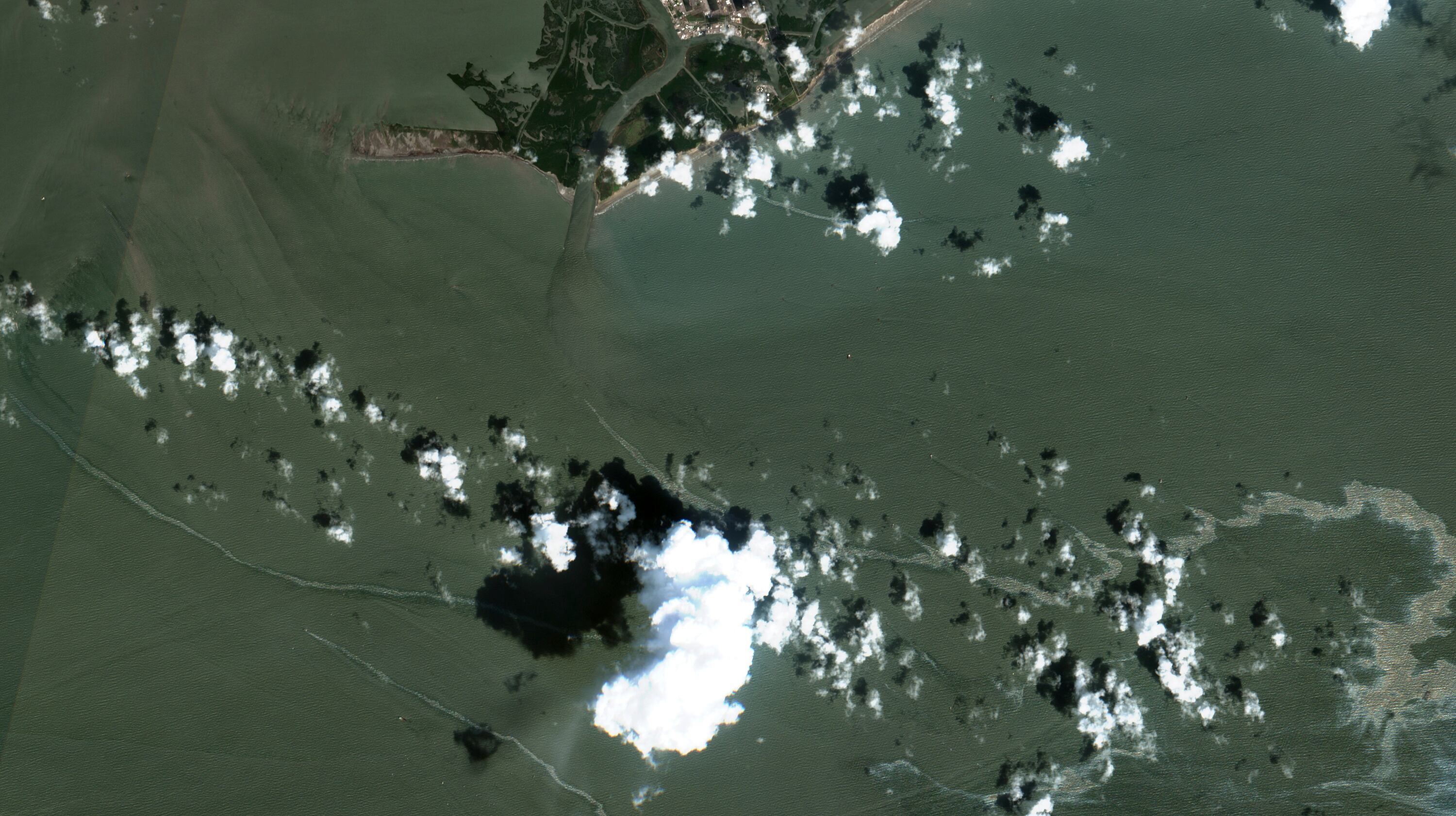
The company overseeing the response to a large oil spill spurred by Hurricane Ida said Tuesday that a containment dome has been placed over a broken undersea pipeline, stemming the flow into the Gulf of Mexico.
Amazon to Open 2 Cashier-less Whole Foods Stores Next Year
Tech stocks lead Wall Street indexes lower in early trading
Gain-of-Function, Mexico Abortion Stunner & Album Wars