Americans applied for fewer unemployment benefits at the end of 2019, the Labor Department announced Thursday. The number dropped by 2,000 to 222,000 in the seven days up until December 28, although the four-week average ticked up by 4,750 to 233,250.
The report beat expectations that had predicted 225,000 new claims, according to Reuters. The result marks the third consecutive weekly decline.
“I think we’re definitely going to see slightly smaller growth month by month than what we saw in 2019 and that’s consistent with economists expectations’ of the macroeconomy weakening slightly,” in the labor market, Beth Akers, Manhattan Institute senior fellow, told Cheddar.
She will be keeping an eye on manufacturing trends and changes in policy regarding trade for indications about how job numbers will grow (or shrink) in 2020.
“If you’re looking to something to be concerned about, you can look at the four-week moving average, which is up from what it’s been over the course of the year,” Akers said. “But, by and large, these are really strong, positive numbers for the labor market.”
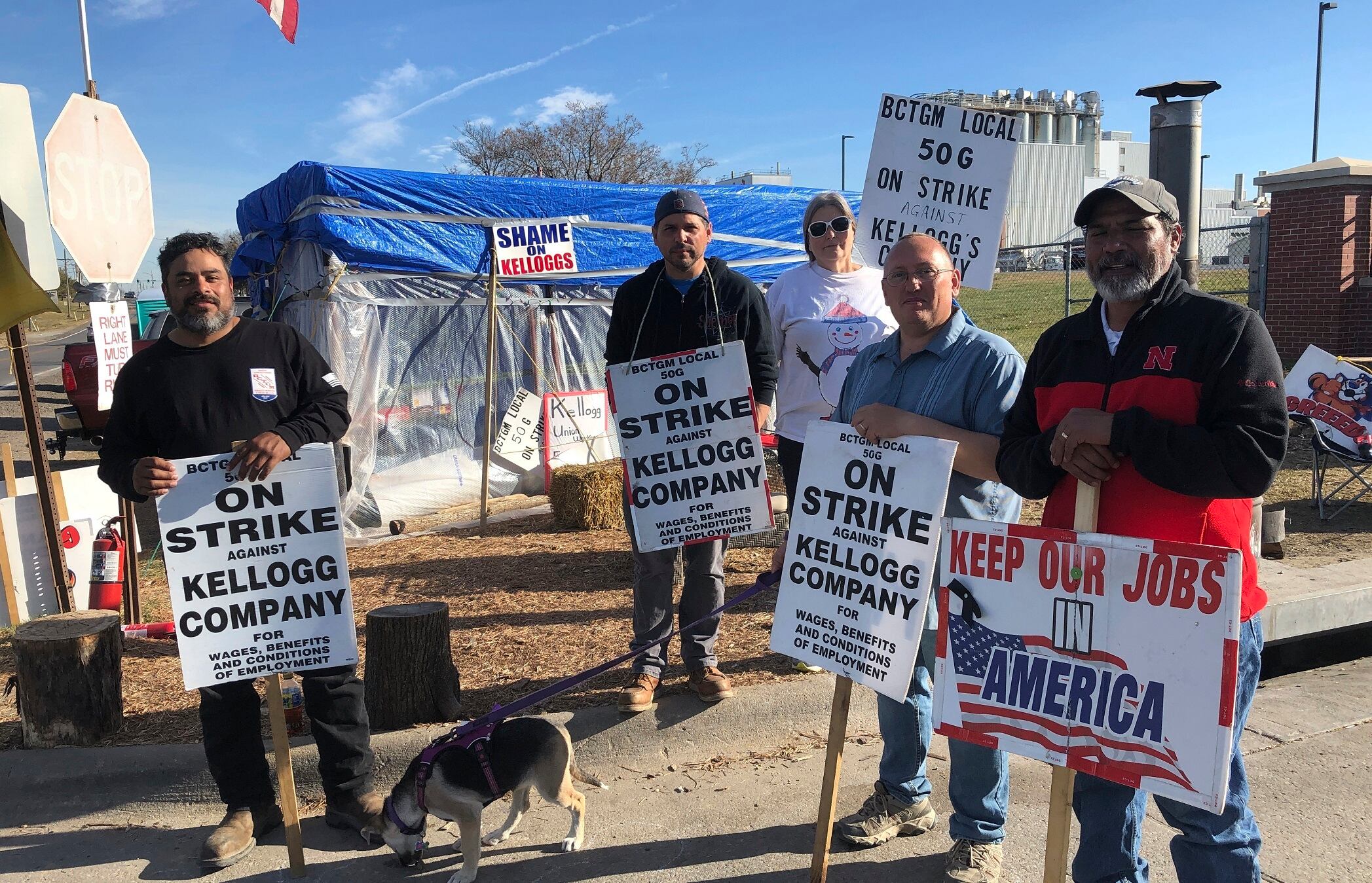
Kellogg's has reached a new tentative agreement with its 1,400 striking cereal plant workers that could bring an end to the strike that began Oct. 5.
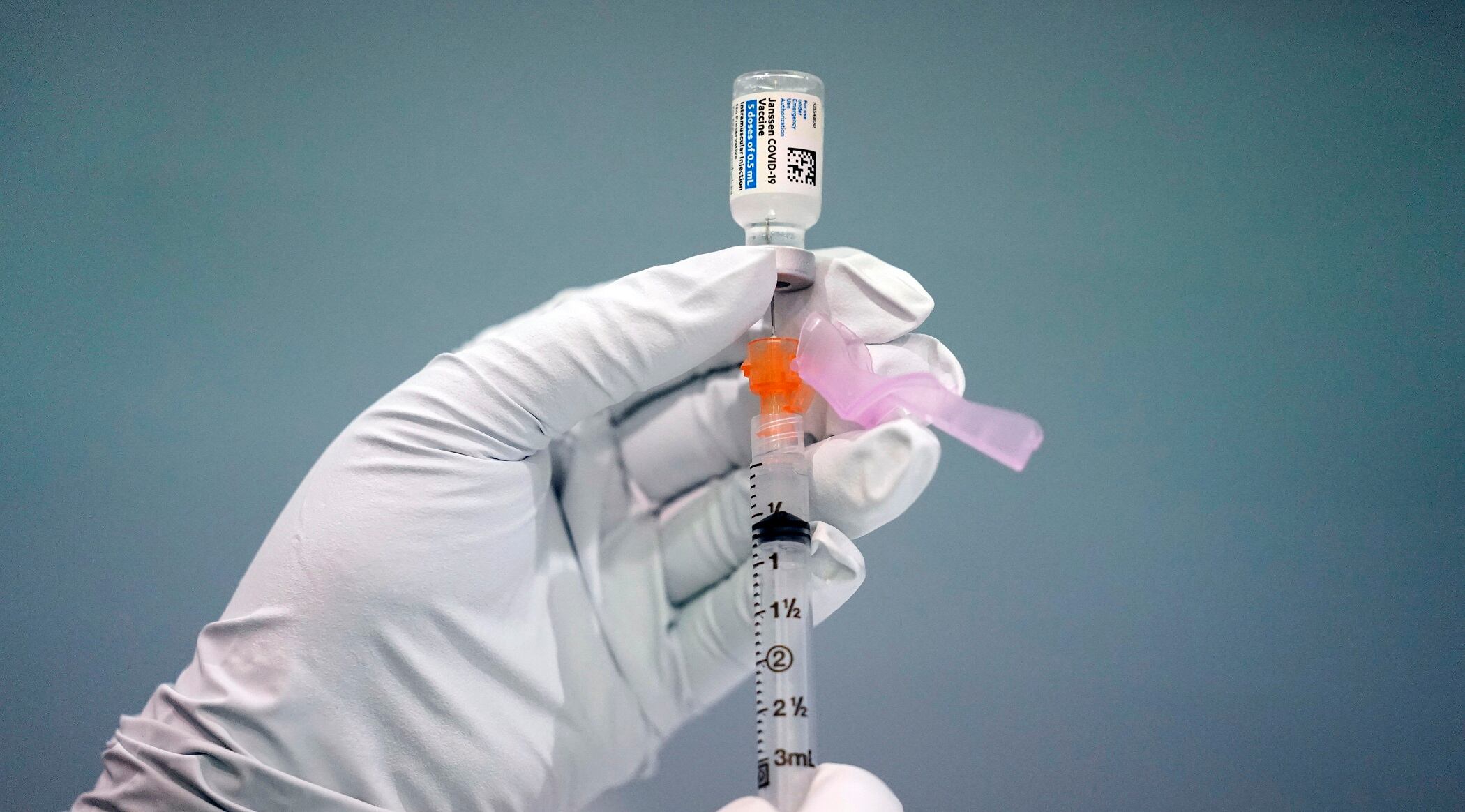
U.S. health advisers are recommending that most Americans get the Pfizer or Moderna vaccines instead of the Johnson & Johnson shot.
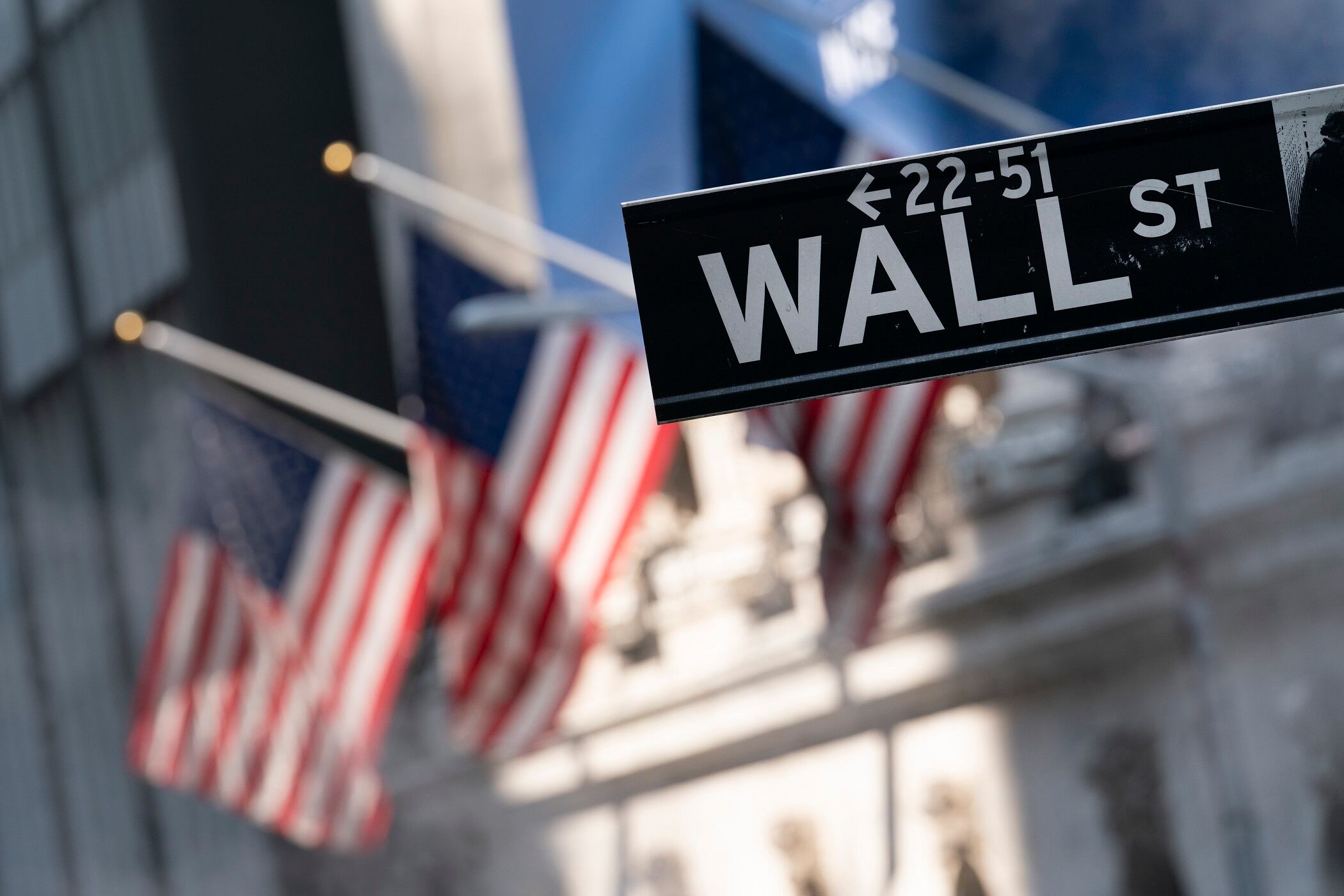
Technology companies led stocks lower on Wall Street Thursday as investors weighed the implications of higher interest rates as the Federal Reserve prepares to begin raising rates next year to fight inflation.
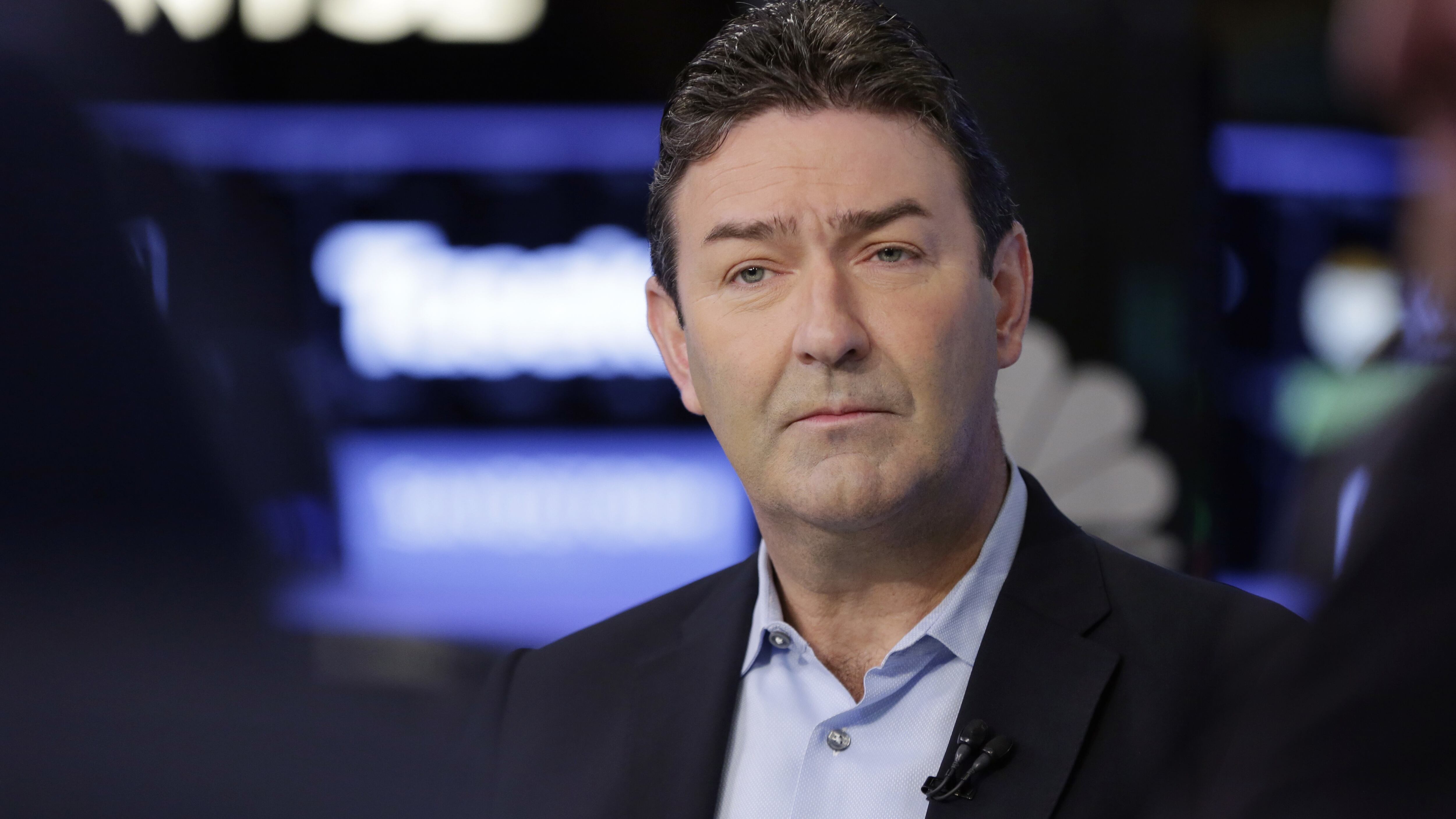
Former McDonald’s CEO Steve Easterbrook has paid back more than $105 million in equity awards and cash to the burger giant after it learned that he had lied about the extent of his misconduct while he was its top executive.
The Federal Reserve has nixed the controversial word "transitory" to describe inflation in its latest policy statement. The change in language comes as the Fed plans to speed up its tapering of monthly asset purchases.
Stocks rose steadily on Wall Street Wednesday after the Federal Reserve said it would accelerate its pullback of economic stimulus and would likely raise interest rates three times next year to tackle rising inflation.
Despite the hype and headlines earlier this year around meme stocks and Robinhood, the SEC and FINRA have made few concrete changes around retail investing.
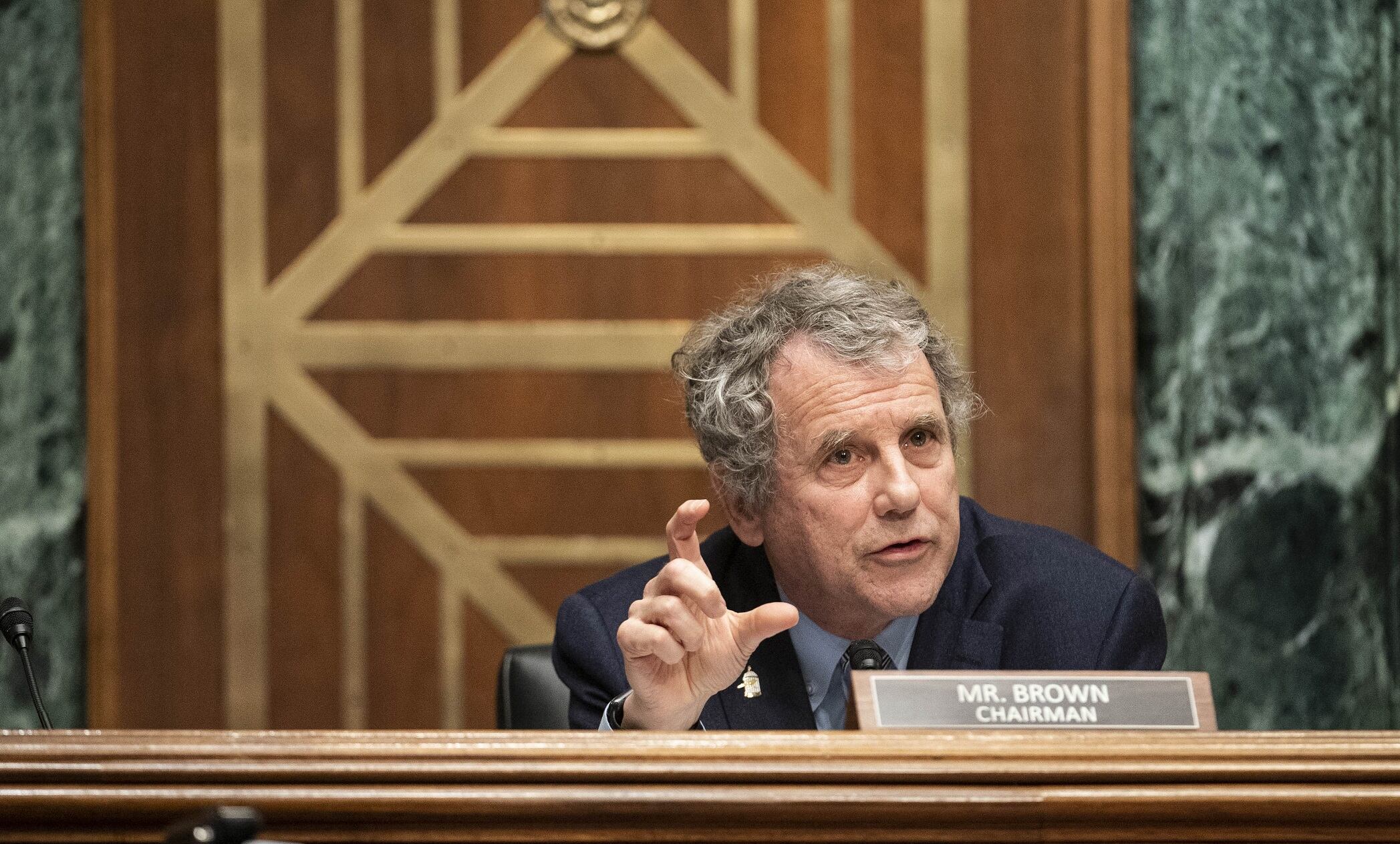
The Senate Committee on Banking, Housing and Urban Affairs held a hotly debated hearing regarding fiat-backed stablecoins on Tuesday that still led to a conclusion the space needed some form of regulation.
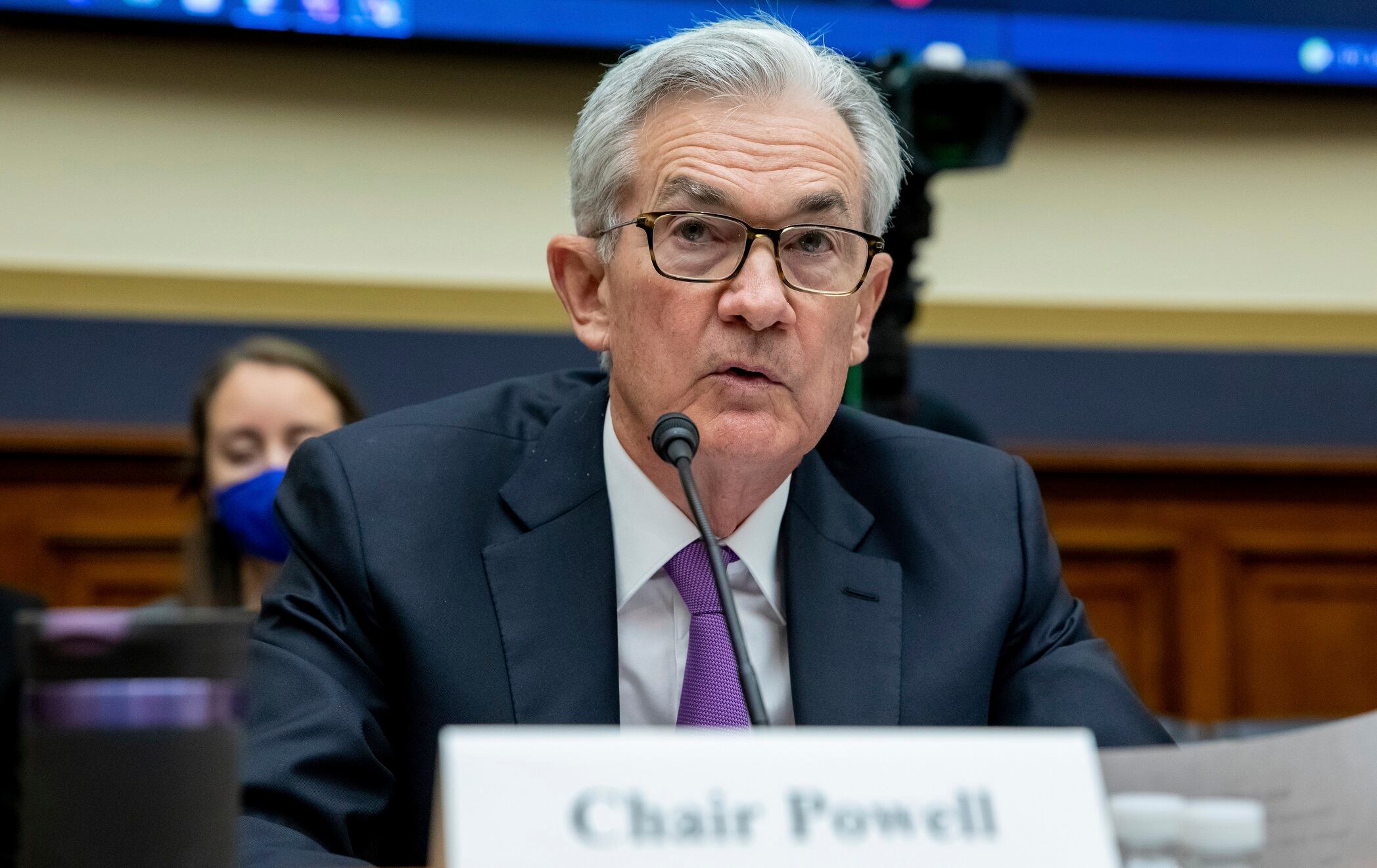
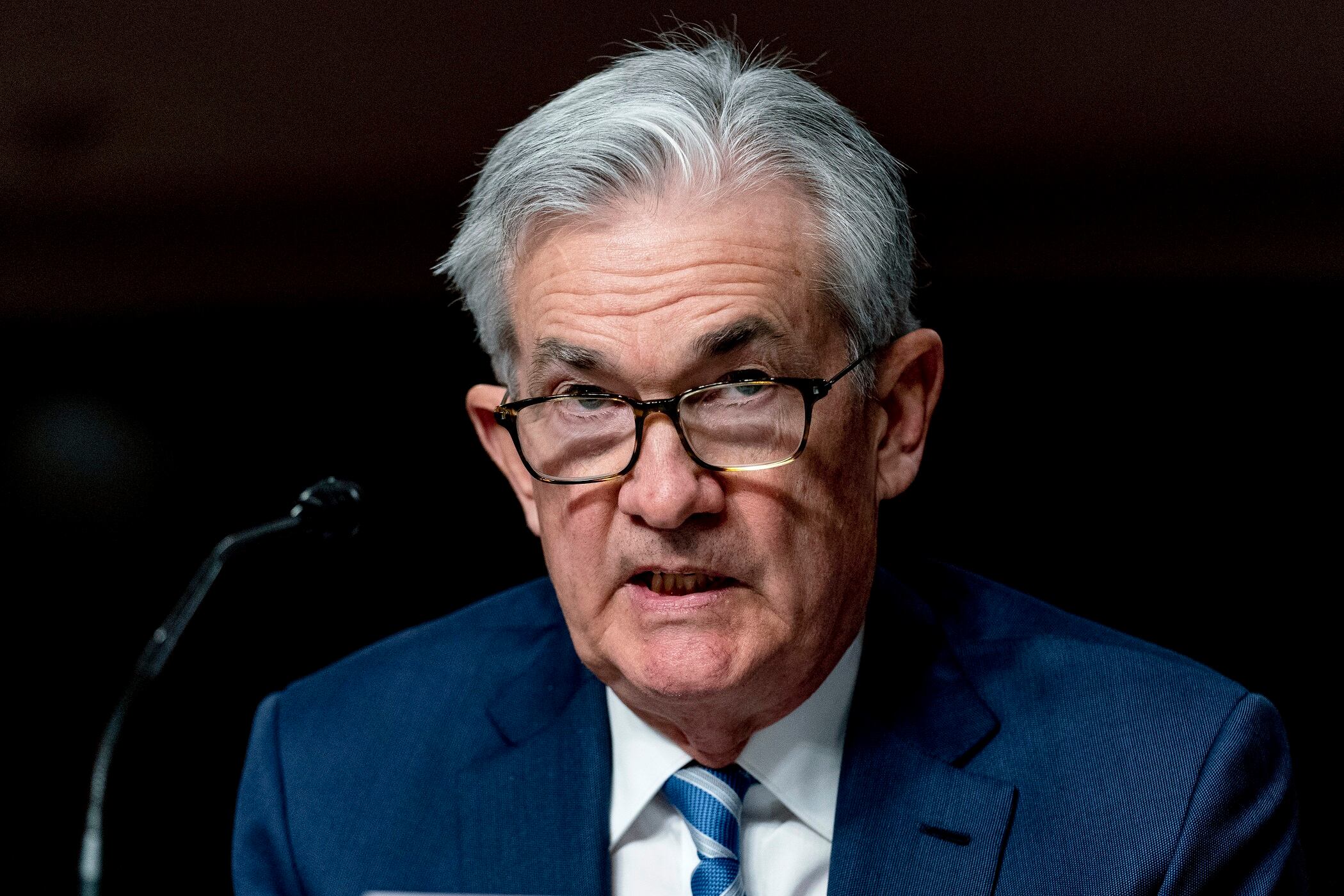
Under Chair Jerome Powell, the Federal Reserve is poised this week to execute a sharp turn toward tighter interest-rate policies with inflation accelerating and unemployment falling faster than expected.
Stocks closed lower on Wall Street Tuesday as traders took in the latest sign that inflation is still running high ahead of the Federal Reserve’s last meeting of the year.