Americans applied for fewer unemployment benefits at the end of 2019, the Labor Department announced Thursday. The number dropped by 2,000 to 222,000 in the seven days up until December 28, although the four-week average ticked up by 4,750 to 233,250.
The report beat expectations that had predicted 225,000 new claims, according to Reuters. The result marks the third consecutive weekly decline.
“I think we’re definitely going to see slightly smaller growth month by month than what we saw in 2019 and that’s consistent with economists expectations’ of the macroeconomy weakening slightly,” in the labor market, Beth Akers, Manhattan Institute senior fellow, told Cheddar.
She will be keeping an eye on manufacturing trends and changes in policy regarding trade for indications about how job numbers will grow (or shrink) in 2020.
“If you’re looking to something to be concerned about, you can look at the four-week moving average, which is up from what it’s been over the course of the year,” Akers said. “But, by and large, these are really strong, positive numbers for the labor market.”
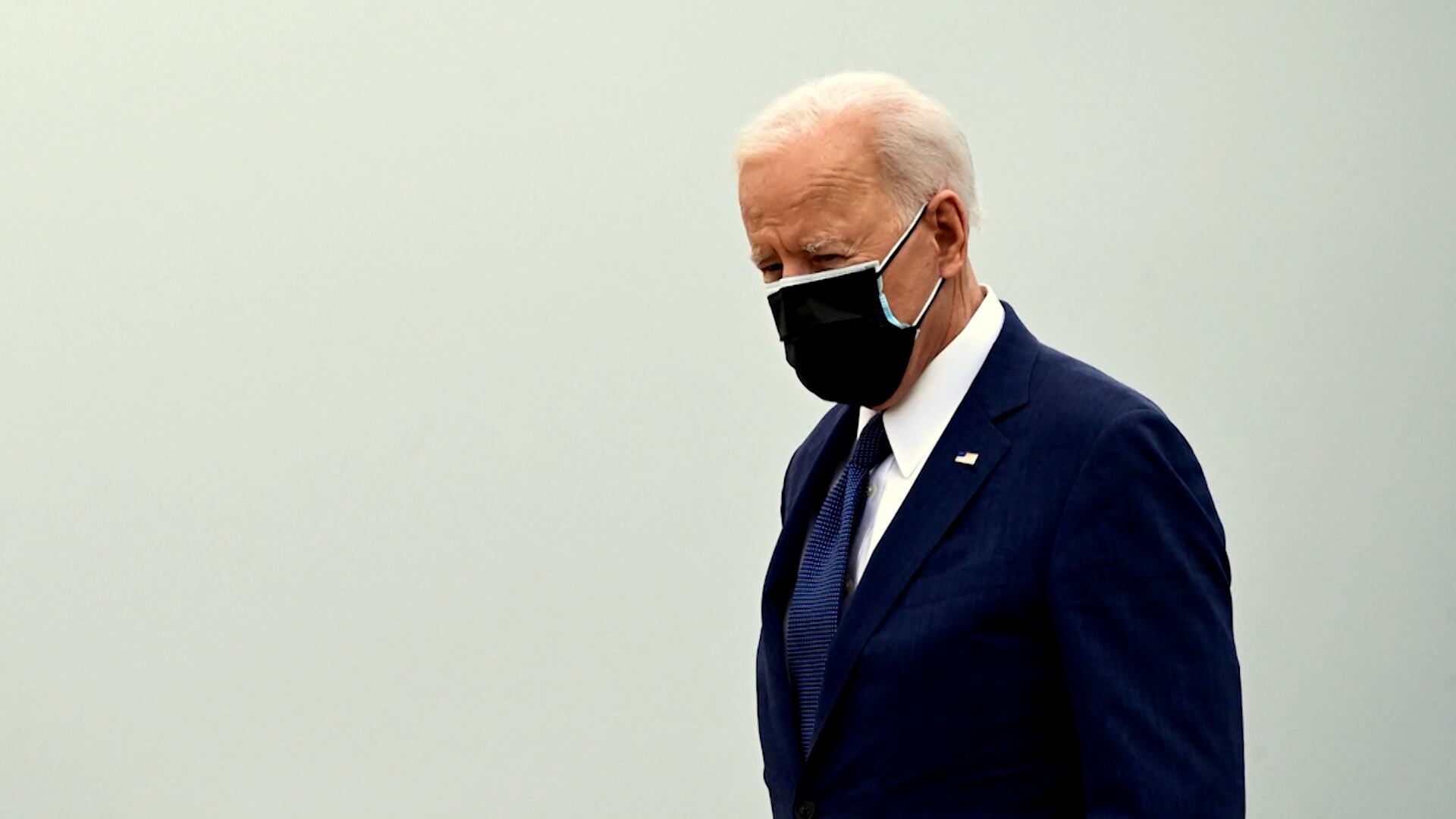
President Joe Biden is set to give his first State of the Union address amid both international and domestic crises: the Russia-Ukraine conflict and continued rising inflation and economic worries at home. He's expected to focus on a four-point plan to reduce everyday costs, and promote economic competition, among other key tenets. But will it be enough to persuade Americans that his administration will be able to get rising prices and foreign policy moves under control? Eugene Scott, national politics reporter at The Washington Post, joins Closing Bell to discuss Biden's expected focus, how he will aim to ease Americans' concerns, and more.
The Russia-Ukraine conflict drags on — and global economies could see pandemic-era prices and supply chain issues come back full force. Both countries supply key commodities and materials, including semiconductor production. That sector, in particular, was hit hard by the pandemic and was just beginning to see a recovery when the invasion began. What happens next? Do companies have enough to fall back on and can they rely on pandemic-era measures to stay afloat? Everett Millman, Chief Market Analyst at Gainesville Coins, joins Closing Bell to discuss which sectors are being hit the hardest, rising prices, how consumers could feel the impact, and more.
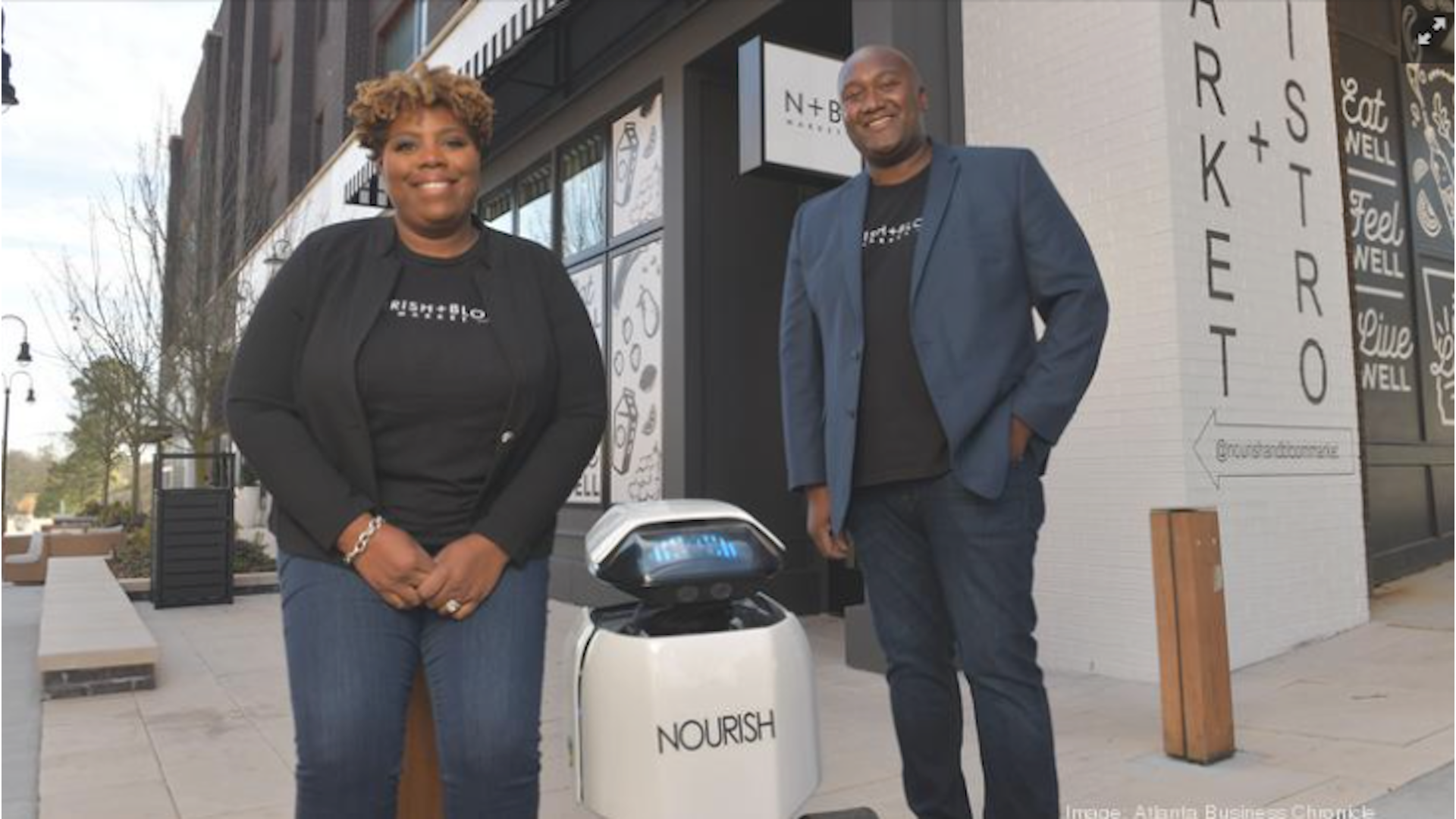
Jamie Hemmings and Jilea Hemmings, owners and founders of Nourish + Bloom Market, join Cheddar News to talk about the inspiration behind creating their cashierless grocery store.
Bartholomew Jones and Renata Henderson, co-owners of Cxffeeblack, join Cheddar News to discuss how they are merging Black culture with coffee in Memphis.
Abigail Pringle serves as president, international and chief development officer at Wendy’s. She joins Cheddar News to discuss the company's Q4 earnings and its diversity initiative for franchise owners.
While crypto exchanges have been used to aid Ukraine amid the Russian invasion, critics point to possible sanction evasion on the Russian side using the same technology. Cheddar's Alex Vuocolo takes a closer look.
Airbnb.org has announced that it will provide up to 100,000 Ukrainian refugees with free housing. Airbnb.org is the philanthropic branch of Airbnb that provides free housing for those affected by disasters. Joe Gebbia, co-founder and chairman of Airbnb.org, joined Cheddar News to talk about how the company has helped thousands find shelter in times of crisis. "A lot of people are saying this conflict is likely to be the largest humanitarian crisis since World War II, and I believe Airbnb believes that companies have a responsibility to step up and to help out in times like these," he said.
The International Energy Agency’s 31 member countries have agreed to release 60 million barrels of oil from their strategic reserves “to send a strong message to oil markets” that supplies won’t fall short after the Russian invasion of Ukraine.