Americans applied for fewer unemployment benefits at the end of 2019, the Labor Department announced Thursday. The number dropped by 2,000 to 222,000 in the seven days up until December 28, although the four-week average ticked up by 4,750 to 233,250.
The report beat expectations that had predicted 225,000 new claims, according to Reuters. The result marks the third consecutive weekly decline.
“I think we’re definitely going to see slightly smaller growth month by month than what we saw in 2019 and that’s consistent with economists expectations’ of the macroeconomy weakening slightly,” in the labor market, Beth Akers, Manhattan Institute senior fellow, told Cheddar.
She will be keeping an eye on manufacturing trends and changes in policy regarding trade for indications about how job numbers will grow (or shrink) in 2020.
“If you’re looking to something to be concerned about, you can look at the four-week moving average, which is up from what it’s been over the course of the year,” Akers said. “But, by and large, these are really strong, positive numbers for the labor market.”
Scott Ladner, CIO at Horizon Investments, breaks down the latest geopolitical risks for U.S. investors and how oil in the near term may push higher amid the commodity supply shock.
In another sign of the pandemic housing boom, a record number of homes are now worth at least $1 million. According to new data from Redfin, 8.2% of U.S. properties were valued at $1 million or more last month, nearly double the pre-pandemic share. Daryl Fairweather, Chief Economist at Redfin, breaks down the data and what it means for millions of American families.
Erik Lundh, Principal Economist at The Conference Board, discusses how the war in Ukraine impacts the Fed's decision on interest rates and what hikes could mean for the U.S. economy.
Angelo Zino, Vice President & Senior Industry Analyst at CFRA research, discusses Russia and Ukraine's role in semiconductor manufacturing and the factors impacting the global production on chips.
Catching you up on what you Need to Know on March 16, 2022, with updates on Ukraine and Russia, a container ship gets stuck in the Chesapeake Bay, Disney employees stage a walkout over the "Don't Say Gay" law in Florida, and NASA completes its first spacewalk of 2022.
U.S. chipmaker Intel unveiled plans on Tuesday to invest up to $88 billion across Europe as part of an ambitious expansion aimed at evening out imbalances in the global semiconductor supply chain.
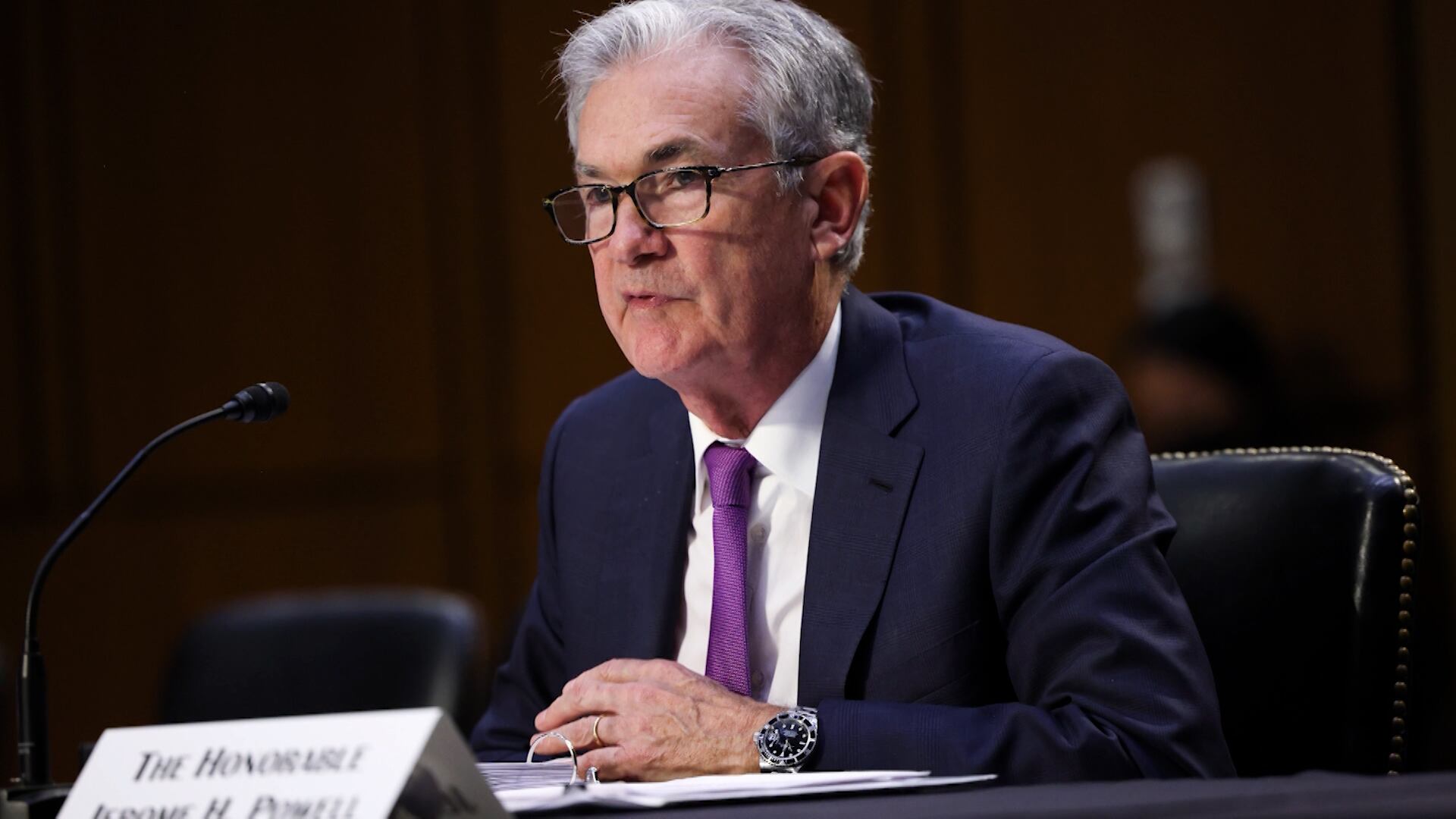
With the Fed about to the announce a 25 basis point interest rate hike on Wednesday, what exactly does this mean for investors, consumers, and businesses?
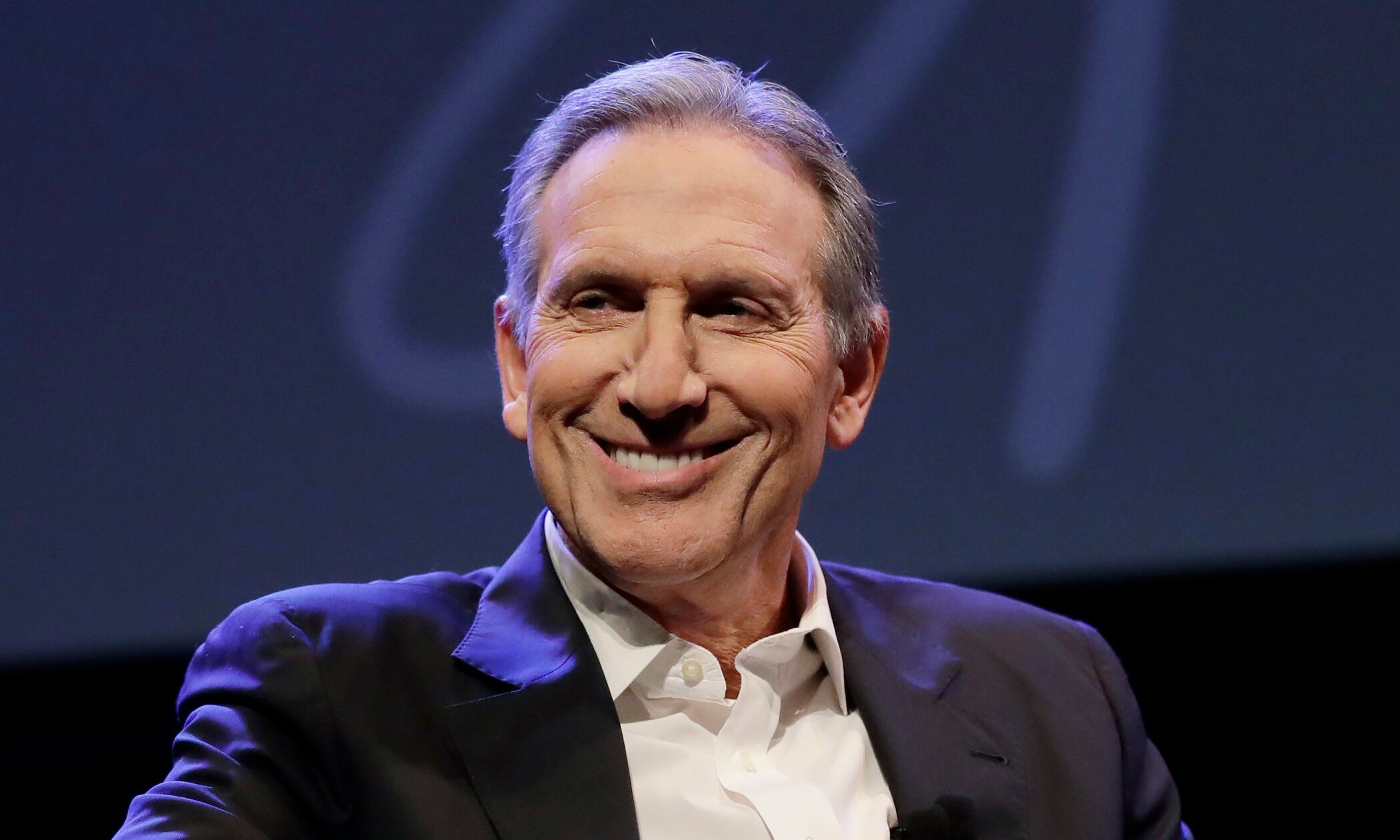
Longtime Starbucks CEO Howard Schultz is returning to lead the company on an interim basis after the coffee giant’s current CEO announced his retirement.
David Mazza, Managing Director and Head of Product at Direxion, joins Cheddar News to discuss how traders can navigate the markets amid geopolitical turmoil and inflation, and why commodities markets are surging this year.
Stocks shook off an afternoon stumble and ended higher on Wall Street Wednesday after the Federal Reserve announced its first interest rate hike since 2018.