Americans applied for fewer unemployment benefits at the end of 2019, the Labor Department announced Thursday. The number dropped by 2,000 to 222,000 in the seven days up until December 28, although the four-week average ticked up by 4,750 to 233,250.
The report beat expectations that had predicted 225,000 new claims, according to Reuters. The result marks the third consecutive weekly decline.
“I think we’re definitely going to see slightly smaller growth month by month than what we saw in 2019 and that’s consistent with economists expectations’ of the macroeconomy weakening slightly,” in the labor market, Beth Akers, Manhattan Institute senior fellow, told Cheddar.
She will be keeping an eye on manufacturing trends and changes in policy regarding trade for indications about how job numbers will grow (or shrink) in 2020.
“If you’re looking to something to be concerned about, you can look at the four-week moving average, which is up from what it’s been over the course of the year,” Akers said. “But, by and large, these are really strong, positive numbers for the labor market.”
Analysts are puzzled by AMC Theaters' purchase of a 22 percent stake in a Nevada-based gold and silver mine this week. Cheddar's Alex Vuocolo investigates.
Amazon has closed its $8.5 billion acquisition of Hollywood studio MGM, two days after European regulators said the deal “would not significantly reduce competition” in European markets.
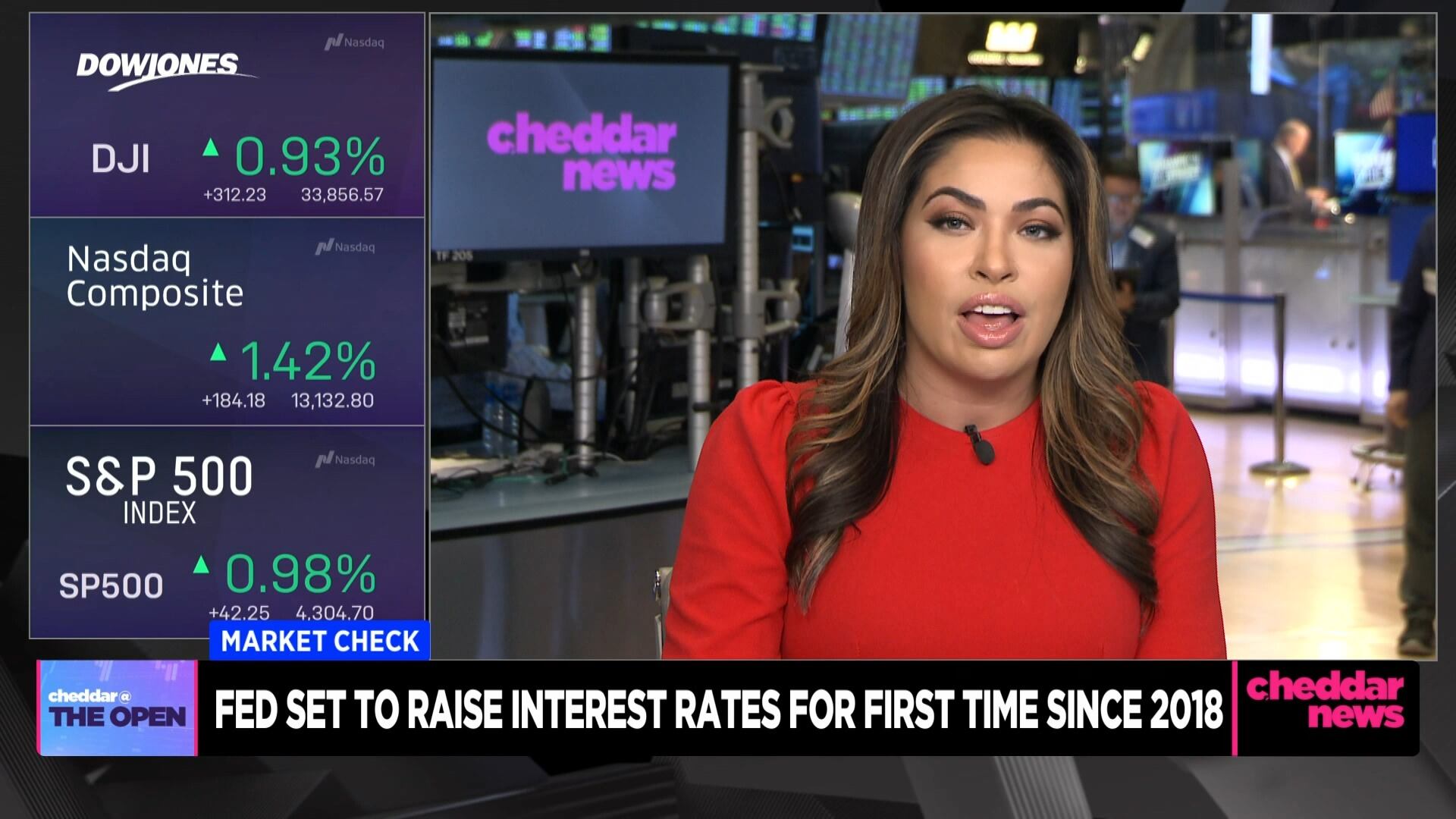
Markets opened lower as the Federal Reserve announces plans to hike interest rates by a quarter point, while signaling six additional rate hikes later this year. Gary Schlossberg, Global Strategist, Wells Fargo Investment Institute, joined Cheddar's Opening Bell to discuss.
Ahmed Riesgo, Chief Investment Officer for Insigneo, discusses the importance of the Fed's comments on future rate hikes and what lower-than-expected Retail Sales data means for consumer spending in the near term.
Jordan Mauriello, CEO of MoreYellow, talks about the evolving landscape of female gamers and why brands see Influencers as more valuable than their male counterparts.
Apple's Racial Equity and Justice Initiative is a $100 million program aimed at combating systemic racism while working to advance racial equity across the country. Alisha Johnson, director of the initiative, joined Cheddar at SXSW to discuss the work being done. "We focused on three critical areas. The first is education. The second is criminal justice reform, and the third is economic empowerment, really looking first in our own supply chain, how can we really increase our spend with Latinx, Hispanic, and indigenous-owned businesses," she said. "And then how can we go further to empower entrepreneurs who have been cut out of access to funding and capital and really help them to get the funding."
What you Need to Know on Thursday, March 17. Updates from Ukraine, President Biden refers to Putin as a ‘war criminal’ for the first time, Walmart has ambitious hiring targets for Q1, and Netflix takes steps to crack down on password sharing.