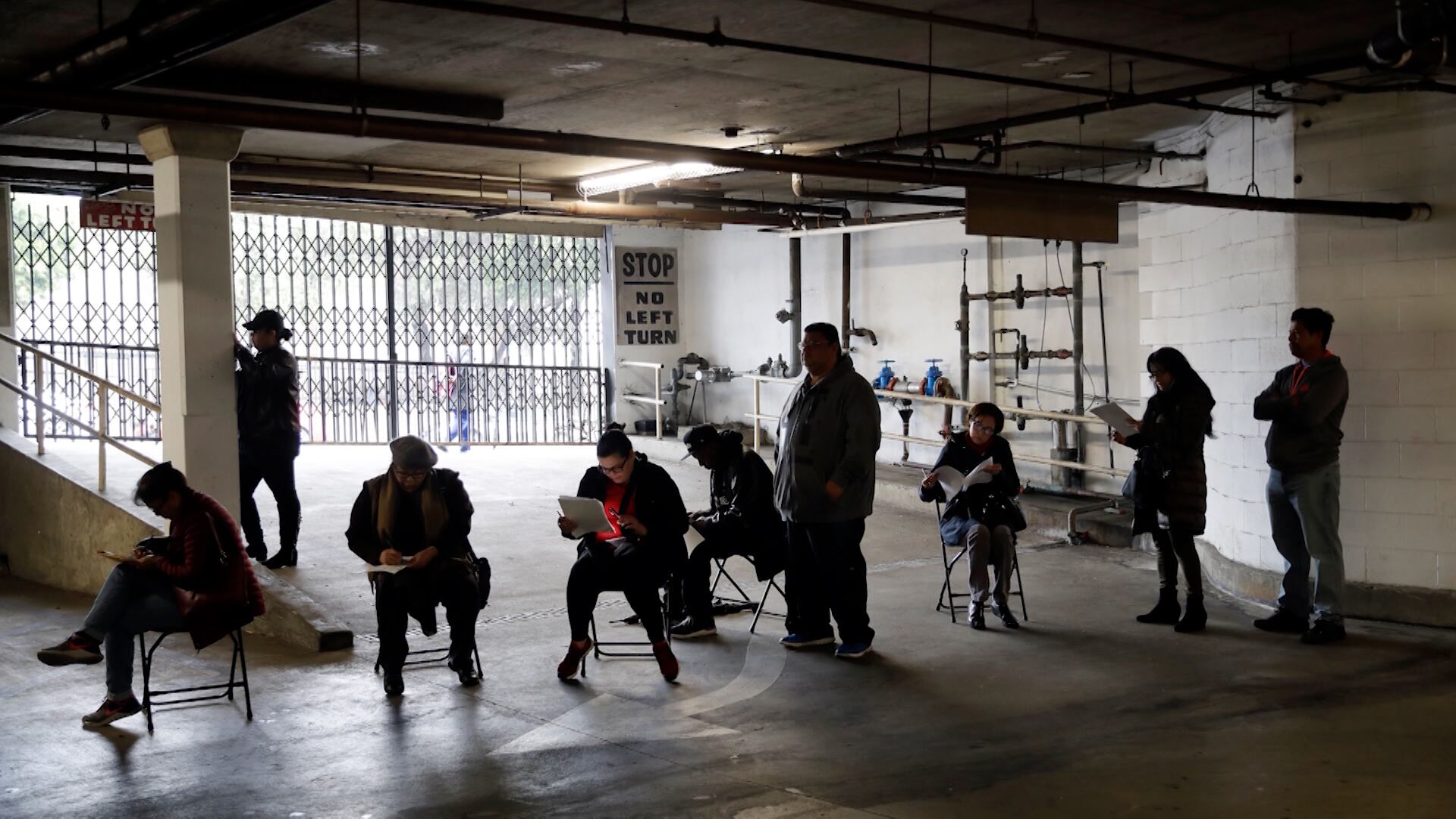
Americans applied for fewer unemployment benefits at the end of 2019, the Labor Department announced Thursday. The number dropped by 2,000 to 222,000 in the seven days up until December 28, although the four-week average ticked up by 4,750 to 233,250.
The report beat expectations that had predicted 225,000 new claims, according to Reuters. The result marks the third consecutive weekly decline.
“I think we’re definitely going to see slightly smaller growth month by month than what we saw in 2019 and that’s consistent with economists expectations’ of the macroeconomy weakening slightly,” in the labor market, Beth Akers, Manhattan Institute senior fellow, told Cheddar.
She will be keeping an eye on manufacturing trends and changes in policy regarding trade for indications about how job numbers will grow (or shrink) in 2020.
“If you’re looking to something to be concerned about, you can look at the four-week moving average, which is up from what it’s been over the course of the year,” Akers said. “But, by and large, these are really strong, positive numbers for the labor market.”
Chris Willman, Features Editor for Variety, discusses changes within the music industry and how venues can provide a safer environment for concert-goers.
As the U.S. continues to face supply chain shortages, President Joe Biden is reassuring U.S. consumers that the supply chain is in "very strong shape" ahead of the all-important holiday season. As supply bottlenecks start to show signs of improvement, the industry may be faced with yet another challenge: the Omicron variant. Rob Caucci, Co-Founder & Co-CEO of Fillogic joined Cheddar's Opening Bell to discuss.
Local Bounti rang the opening bell December 3 in honor of its recent trading debut on the NYSE after closing a $1.1 billion SPAC deal. The company operates an indoor growing facility in Montana and aims to transform the production and delivery of local, fresh and sustainably-grown leafy greens. Craig Hurlbert, co-founder and co-CEO of Local Bounti, joined Cheddar to discuss the company's goals as a newly publicly-traded company.
Markets rebounded Monday morning after Friday's deep sell-off that saw the Dow suffer its worse day since 2020. It comes as investors continue to react to the impact of the omicron variant on the broader reopening. Eddie Ghabour, Co-Owner at the Key Advisors Group joined Cheddar's Opening Bell to discuss.
Markets bounced back this morning with travel leading the gains after plunging on Monday as the first case of Omicron was detected in the U.S. Jimmy Lee, CEO, Wealth Consulting Group joined Cheddar's Opening Bell to discuss.
Stephan Winkelmann, president of Bugatti Automobiles and CEO of Lamborghini, stopped by Cheddar to talk about Lamborghini's 2021 success after the luxury automaker set a company sales record on more than 6,9000 vehicles delivered. With climate change top of mind for the auto industry, Winkelmann also talked about Lamborghini's commitment to hybridizing its entire fleet. Still, when it comes to supercars, the legacy brand isn't quite ready to give up gasoline power, and according to the CEO, three new combustion engine vehicles will be available in 2022.
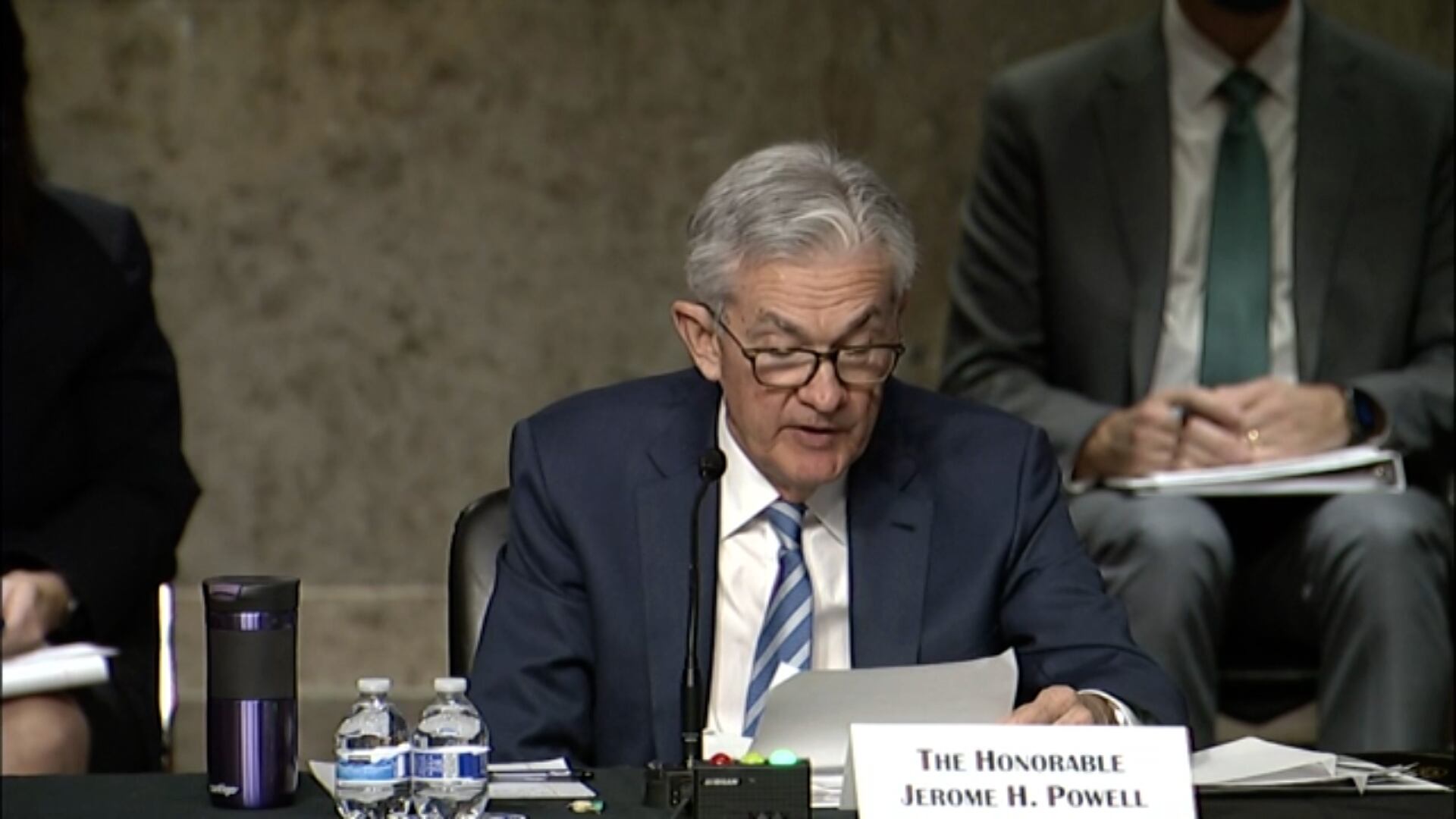
The market saw investors react to comments by the World Health Organization's chief scientist, who suggested existing vaccines are likely to offer protection against the new variant. According to Thomas Hayes, chairman of Great Hill Capital, the next two weeks will be crucial as the markets watch for not only the effects of the Omicron variant, but also the Fed's decision on a taper.
Jason Moser, Senior Analyst at The Motley Fool, joined Wake Up With Cheddar to discuss the latest with Salesforce, as the company suffered its worst day on the market since the beginning of the pandemic.
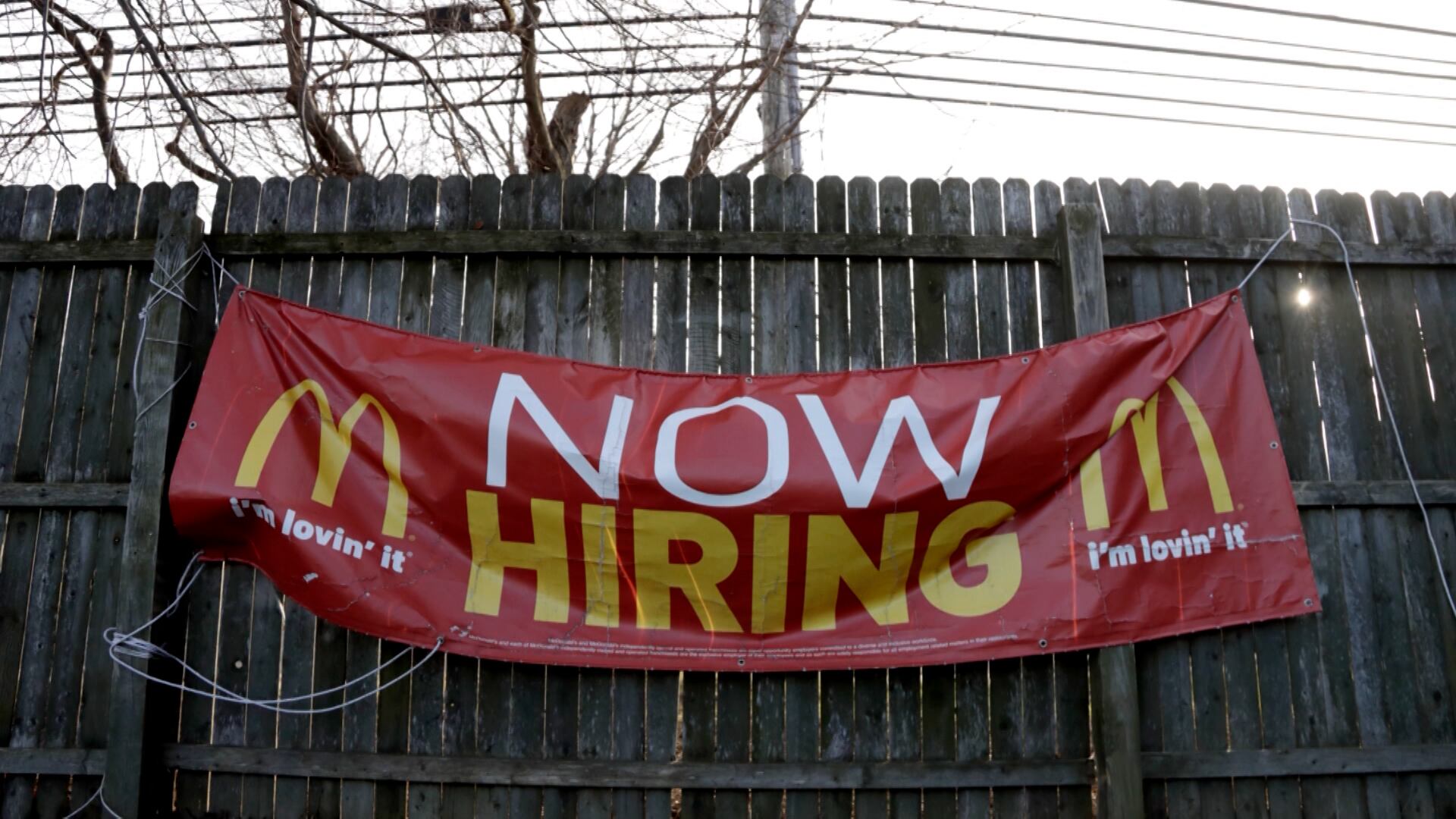
The U.S. jobs report fell way short of economist projections after adding just 210,000 in November compared to the expected 550,000. William M. Rodgers III, the VP and director of the Institute for Economic Equity at the Federal Reserve Bank of St. Louis, joined Cheddar to break down the jobs report and explained that while added payrolls didn't meet expectations, the economy is still progressing as the unemployment rate also fell 4.2 percent. "One month doesn't make a trend," Rodgers added. He did note that from an equity standpoint inflation is a cause for concern for middle and low-income families, as holiday season price hikes are expected to hit them hard.