Americans applied for fewer unemployment benefits at the end of 2019, the Labor Department announced Thursday. The number dropped by 2,000 to 222,000 in the seven days up until December 28, although the four-week average ticked up by 4,750 to 233,250.
The report beat expectations that had predicted 225,000 new claims, according to Reuters. The result marks the third consecutive weekly decline.
“I think we’re definitely going to see slightly smaller growth month by month than what we saw in 2019 and that’s consistent with economists expectations’ of the macroeconomy weakening slightly,” in the labor market, Beth Akers, Manhattan Institute senior fellow, told Cheddar.
She will be keeping an eye on manufacturing trends and changes in policy regarding trade for indications about how job numbers will grow (or shrink) in 2020.
“If you’re looking to something to be concerned about, you can look at the four-week moving average, which is up from what it’s been over the course of the year,” Akers said. “But, by and large, these are really strong, positive numbers for the labor market.”
The Week's Top Stories is a guided tour through the biggest market stories of the week, from winning stocks to brutal dips to the facts and forecasts generating buzz on Wall Street.
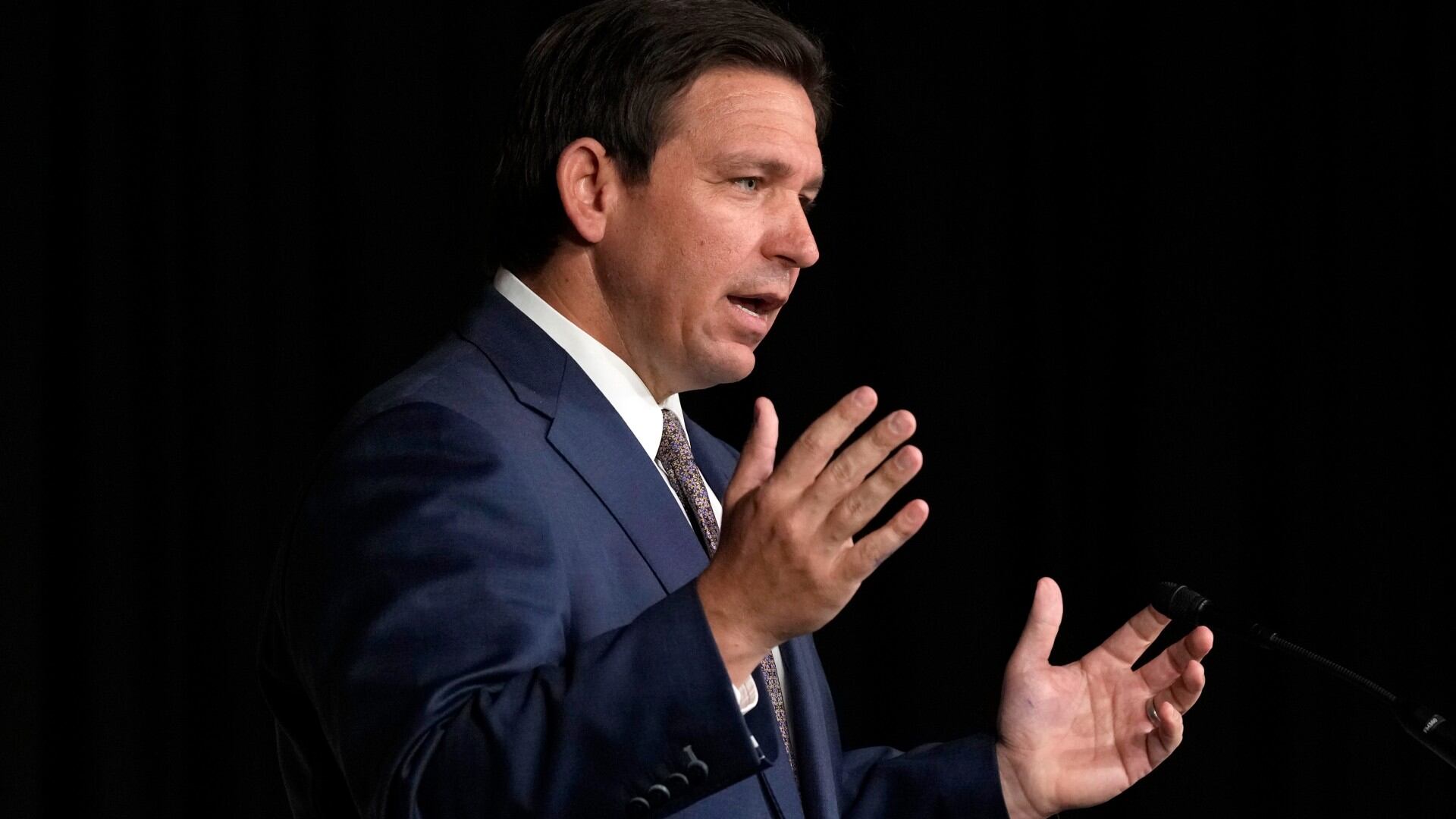
Board members picked by Florida Gov. Ron DeSantis to oversee the governance of Walt Disney World said Wednesday that their Disney-controlled predecessors pulled a fast one on them by passing restrictive covenants that strip the new board of many of its powers.
The federal government has filed a lawsuit against railroad Norfolk Southern over environmental damage caused by a train derailment on the Ohio-Pennsylvania border that spilled hazardous chemicals.
Richard Branson's Virgin Orbit is letting go of almost its entire work force with the satellite launch company finding it difficult to secure funding three months after a failed mission.
The Federal Reserve’s favored inflation gauge slowed sharply last month, an encouraging sign in the Fed’s yearlong effort to cool price pressures through steadily higher interest rates.