Americans applied for fewer unemployment benefits at the end of 2019, the Labor Department announced Thursday. The number dropped by 2,000 to 222,000 in the seven days up until December 28, although the four-week average ticked up by 4,750 to 233,250.
The report beat expectations that had predicted 225,000 new claims, according to Reuters. The result marks the third consecutive weekly decline.
“I think we’re definitely going to see slightly smaller growth month by month than what we saw in 2019 and that’s consistent with economists expectations’ of the macroeconomy weakening slightly,” in the labor market, Beth Akers, Manhattan Institute senior fellow, told Cheddar.
She will be keeping an eye on manufacturing trends and changes in policy regarding trade for indications about how job numbers will grow (or shrink) in 2020.
“If you’re looking to something to be concerned about, you can look at the four-week moving average, which is up from what it’s been over the course of the year,” Akers said. “But, by and large, these are really strong, positive numbers for the labor market.”
America’s employers added a solid 236,000 jobs in March, reflecting a resilient labor market and suggesting that the Federal Reserve may see the need to keep raising interest rates in the coming months.
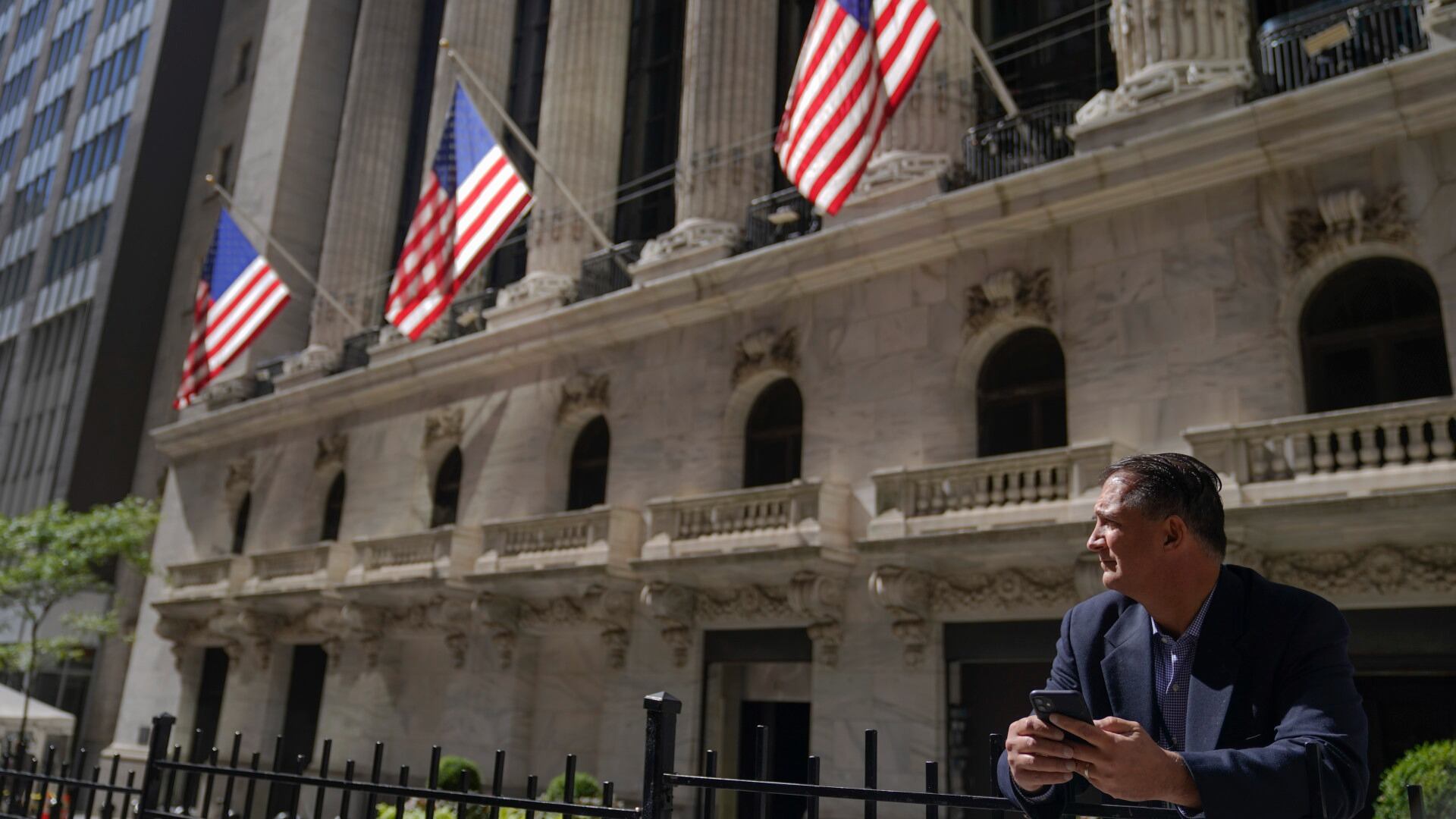
Alexander Reed, chief investment officer of Envisage Wealth, joined Cheddar News to discuss Thursday's market session amid weak economic data and ahead of Friday's jobs report.
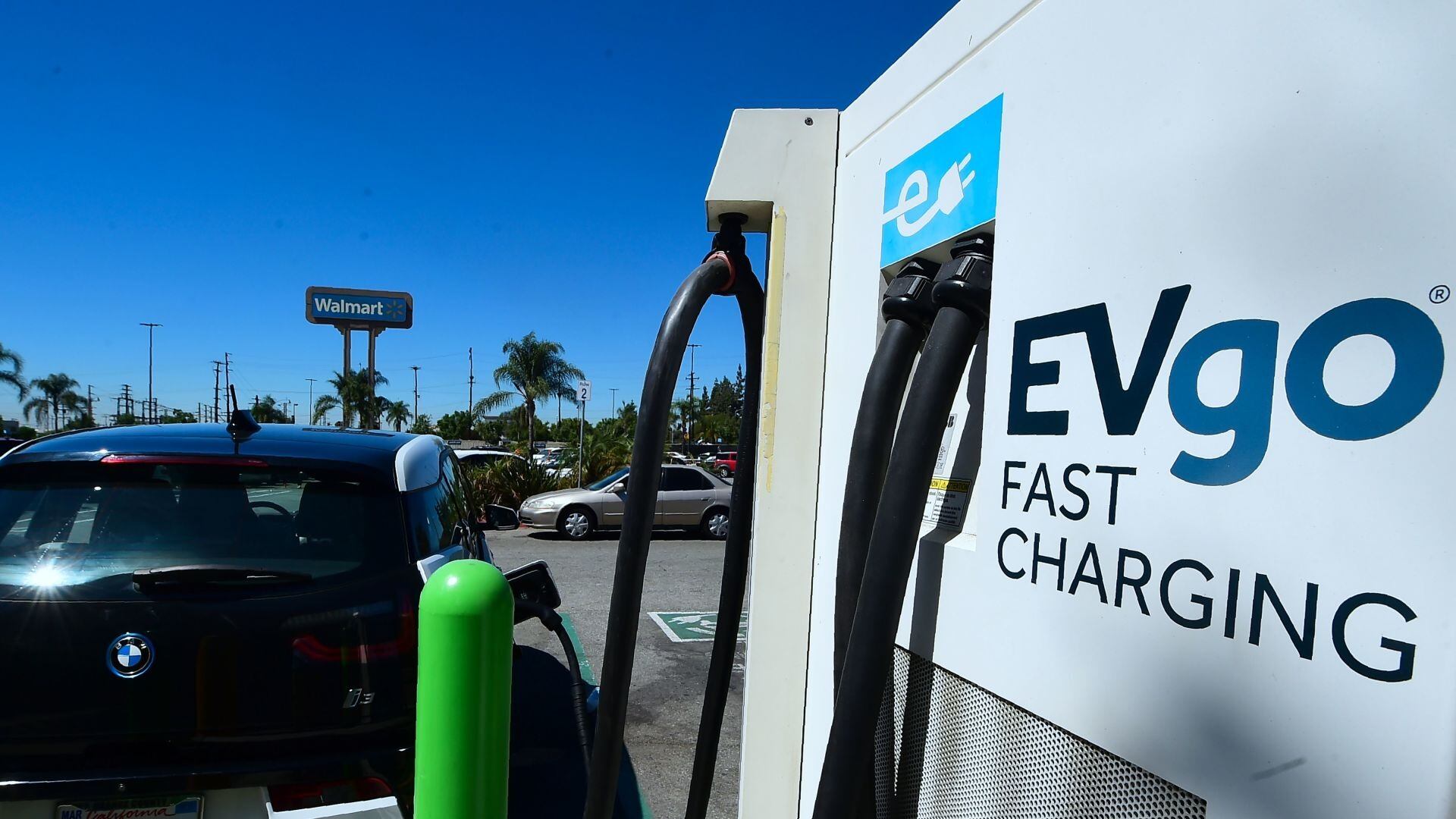
The capacity to burn coal for power went up in 2022 despite global promises to phase down the fuel that’s the biggest source of planet-warming gases in the atmosphere, a report Wednesday found.
Rob Hocking, SVP, Head of Product Innovation at CBOE, joins Cheddar News to break down how the VIX is calculated, what role the VIX plays in the options market, and how investors can use the VIX Index to manage risk.
Adam Coons, chief portfolio manager of Winthrop Capital Management, joined Cheddar News to discuss Wednesday's market session amid weak job market data and what lies ahead in the near-term future.